

Philippines Tourism Crisis: Declining Numbers, Key Issues and Solutions- All You Need To Know Now!
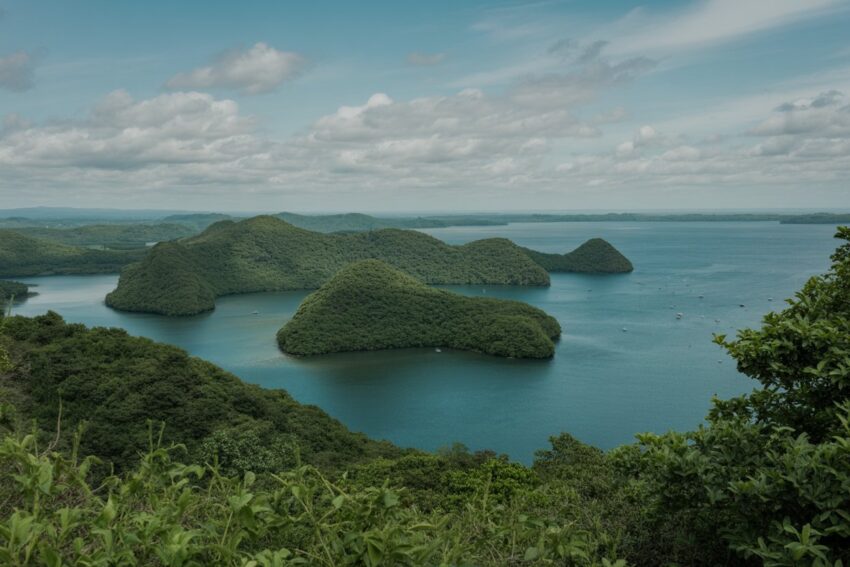 Image generated with Ai
The Philippines, once a beacon of tropical paradise with its pristine beaches, vibrant culture, and rich heritage, is now experiencing a concerning decline in its tourism numbers. Despite its appeal as a popular Southeast Asian destination, the country has seen a dip in international tourist arrivals in recent years, resulting in a significant blow to the local economy, jobs, and small businesses. As it faces intense competition from other countries, the Philippine government, led by the Department of Tourism (DOT), is stepping up efforts to rejuvenate the tourism industry, but the challenge is not without hurdles.
Reason for decline of Tourism in Philippines:
While the Philippines continues to be known for its idyllic tourist destinations such as Boracay, Palawan, and Cebu, the tourism industry has been struggling in recent years. Several key factors have contributed to this decline, all of which have significant implications for the country’s economy and its people.
Advertisement
Advertisement
1. Pandemic Aftermath
The COVID-19 pandemic is one of the most significant contributors to the decline in tourism. With borders closed, international flights grounded, and strict quarantine protocols, the tourism sector came to a near halt in 2020 and 2021. As the world slowly recovers from the pandemic, many countries in Southeast Asia have already capitalized on their reopening strategies, while the Philippines has been slower to regain its position as a tourism hotspot. While the situation has improved, the tourism sector has yet to recover to pre-pandemic levels, and many tourists still perceive the Philippines as a risky destination due to lingering health concerns.
2. Fierce Regional Competition
Thailand, Vietnam, Indonesia, and other Southeast Asian destinations have aggressively marketed themselves as viable alternatives to the Philippines. These countries have improved infrastructure, offered competitive pricing, and launched large-scale promotional campaigns. Thailand, in particular, has benefitted from its reputation as a versatile destination, catering to both budget travelers and luxury seekers. Additionally, Vietnam and Indonesia, with their rich cultural heritage and stunning natural beauty, have positioned themselves as strong contenders in the international tourism market, attracting travelers who would otherwise have chosen the Philippines.
Advertisement
Advertisement
3. Infrastructure Challenges
Despite its natural beauty, the Philippines faces significant infrastructure challenges that hinder the tourism experience. Poor air connectivity, limited domestic flight options, traffic congestion, and underdeveloped transportation networks often lead to long and exhausting travel times for tourists. In some popular tourist spots like Boracay, Palawan, and Bohol, limited transport infrastructure can create bottlenecks, leading to delays and inconvenience for travelers. These issues, coupled with overcrowded airports, can leave a negative impression on visitors and make the country less appealing compared to destinations with better infrastructure.
4. Environmental Degradation and Over-Tourism
While the Philippines is known for its breathtaking beaches, mountains, and islands, some of these natural wonders are now at risk due to over-tourism and environmental degradation. The fragile ecosystems in areas like Boracay and Palawan are being damaged by unregulated tourism, with concerns over coral reef destruction, waste management, and pollution. Boracay, for example, was temporarily closed in 2018 to undergo environmental rehabilitation, underscoring the severity of the issue. Despite efforts to promote sustainable tourism, the ongoing risk of environmental harm remains a significant challenge, particularly as the country struggles to balance development with conservation.
Advertisement
Advertisement
5. Safety and Security Concerns
In certain regions, safety and security concerns have deterred tourists from visiting the Philippines. Negative media reports, combined with occasional security issues in some parts of the country, have led to a perception that the Philippines is not entirely safe for international travelers. While the vast majority of tourist destinations are safe, isolated incidents of crime or conflict in certain provinces can tarnish the country’s reputation. This is particularly concerning as travelers today increasingly prioritize safety when making travel decisions.
The Impact on the Tourism Industry and the Economy
Tourism is a crucial pillar of the Philippine economy. Before the pandemic, the industry contributed significantly to the nation’s GDP, supporting hundreds of thousands of jobs in sectors such as hospitality, transportation, and retail. The decline in international arrivals has had a ripple effect, leading to job losses and a reduction in income for many local businesses. For communities that depend on tourism, this downturn has been particularly devastating, especially in remote areas where alternative sources of income are limited.
Advertisement
Advertisement
The reduced influx of foreign tourists also means a decline in tourism-related revenue, such as hotel bookings, guided tours, restaurant spending, and souvenir purchases. The Philippines, which relies heavily on foreign exchange earnings, is seeing a decrease in this vital revenue stream, which is impacting the country’s financial stability.
Government’s Efforts to Revive Tourism in the Philippines
In response to the decline, the Philippine government, particularly the Department of Tourism (DOT), has been working tirelessly to revitalize the industry. The government has implemented several initiatives to re-establish the Philippines as a top-tier destination for both local and international travelers.
1. Rebranding Campaigns
The DOT has launched a renewed marketing campaign under the banner of “It’s More Fun in the Philippines,” which aims to promote the country’s diverse attractions, from its stunning beaches to its vibrant culture and unique festivals. The campaign also focuses on promoting the Philippines as a safe destination for travelers, with strict health protocols in place to protect visitors.
2. Infrastructure Investments
The government has allocated significant funding for infrastructure development, including the expansion of airports, improved road networks, and upgrades to transportation services. In the coming years, airports like Manila’s Ninoy Aquino International Airport and Cebu’s Mactan-Cebu International Airport are set for expansions that will improve connectivity and ease travel for tourists. Additionally, the government is investing in sustainable infrastructure to ensure that growth does not come at the cost of the environment.
Advertisement
Advertisement
3. Sustainable Tourism Initiatives
Recognizing the importance of preserving its natural beauty, the Philippines is also focusing on promoting sustainable tourism. This includes encouraging eco-tourism practices and working with local communities to ensure that tourism development is both responsible and beneficial for the environment. Efforts to reduce waste, promote responsible travel, and safeguard natural habitats are being prioritized.
4. Security Measures
To address safety concerns, the Philippine government is working closely with local authorities to ensure that tourist destinations are secure and that tourists feel safe during their travels. Increased police presence in key tourist areas and partnerships with international safety organizations are helping to reassure travelers about the country’s commitment to their well-being.
FUTURE OF TOURISM: A Long Road Ahead
The Philippines’ tourism sector is facing significant challenges, but with the government’s efforts to address infrastructure issues, promote sustainable tourism, and ensure safety, the country has the potential to recover. However, the competition is fierce, and the Philippines must continually adapt to meet the changing needs of global travelers. By embracing sustainable practices, improving accessibility, and enhancing the overall tourist experience, the Philippines can once again emerge as a leading travel destination in Southeast Asia.
Advertisement
