
Italy Along With Belgium and Different Destinations Discover France’s Historic Cities and Cycling Holidays

Published
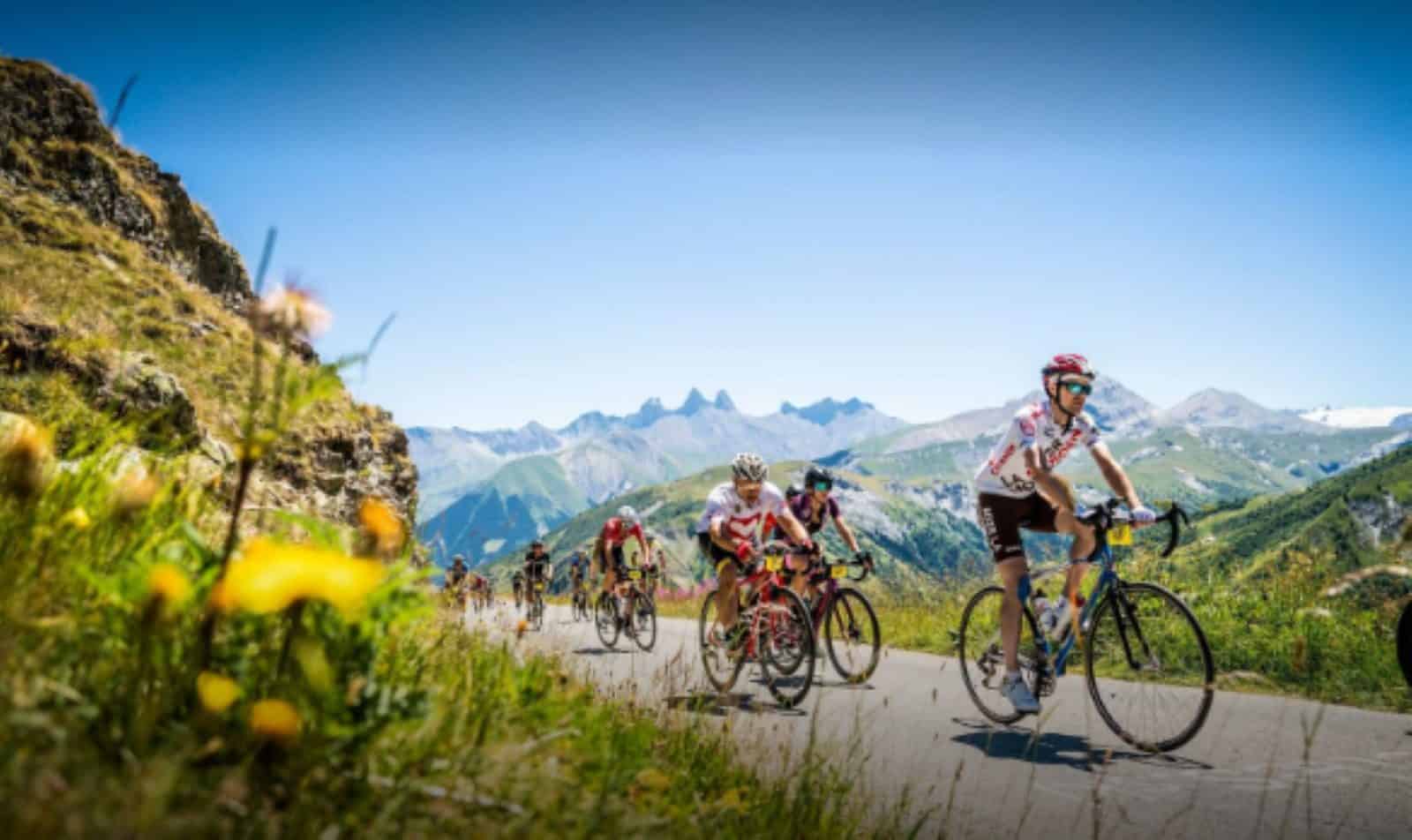
Italy, along with Belgium, Spain and the UK, remains connected to France through tourism, cycling and cultural travel. France offers visitors a wide choice of destinations, from the historic streets of Lille and Rouen to the famous castles of the Loire Valley and the mountains of the French Alps. The Tour de France routes provide a useful way to discover these places beyond the cycling competition itself. Travellers can explore coastal towns, medieval landmarks, scenic rail journeys and mountain resorts throughout the year. Together, these experiences support France’s appeal as a major European holiday destination for international visitors.
France Cycling and Cultural Tourism 2026: Discover Destinations Beyond the Famous Race
France’s cycling heritage offers international visitors a practical way to explore its landscapes, towns and cultural attractions. The 2025 Tour de France route connected northern France, Normandy, Brittany, the Loire Valley, the Pyrenees, Provence and the Alps. These destinations remain relevant for travel planning in 2026, even though the race itself has concluded. Visitors can combine cycling routes with museum visits, historic architecture, local food and mountain activities. France’s official tourism organisation, Atout France, promotes cycling as part of the country’s wider sustainable and outdoor tourism offering. Travellers should distinguish permanent cycling routes from roads temporarily used during professional races.
Advertisement
Advertisement
- Lille provides a gateway to northern France’s architecture and museums.
- Normandy combines cycling opportunities with historic towns and coastal heritage.
- The Loire Valley offers riverside cycling and visits to historic châteaux.
- Provence attracts experienced cyclists to Mont Ventoux and surrounding villages.
- The French Alps offer summer cycling, walking and mountain resort holidays.
| French destination | Main attraction | Travel experience |
|---|---|---|
| Lille | Historic centre and museums | Urban cultural breaks |
| Rouen | Gothic cathedral and medieval streets | Heritage sightseeing |
| Chinon | Royal fortress and Loire scenery | Château and cycling holidays |
| Mont Ventoux | Famous mountain climb | Road cycling |
| Courchevel | Alpine scenery | Mountain activities |
| Carcassonne | Fortified medieval city | Cultural tourism |
Italy to France Travel 2026: Alpine Escapes, Provence Cycling and Cultural Discoveries
Italy represents an established European source market for French tourism, with geographical proximity making southeastern France particularly relevant for cross-border holidays. Italian visitors can explore the French Riviera, Provence and the Alps through itineraries combining historic towns, mountain landscapes and regional cuisine. Nice offers Mediterranean scenery and cultural attractions, while Mont Ventoux appeals to experienced cyclists seeking challenging climbs. Further north, Courchevel and La Plagne provide opportunities for summer hiking and Alpine exploration. INSEE recorded approximately 2.3 million hotel overnight stays by Italian visitors during May–August 2026, although the underlying unrounded figure declined by 3% year on year.
- Nice combines Mediterranean beaches, museums and historic neighbourhoods.
- Mont Ventoux offers demanding cycling routes and panoramic mountain views.
- Courchevel provides summer walking trails and Alpine resort facilities.
- La Plagne attracts visitors interested in mountain recreation and scenic holidays.
- Provence offers historic villages, local markets and countryside touring.
| Destination | Attraction for Italian travellers | Travel opportunity |
|---|---|---|
| Nice | Mediterranean coast and cultural attractions | Short breaks and coastal holidays |
| Mont Ventoux | Mountain cycling routes | Active holidays |
| Avignon | Historic papal heritage | Cultural sightseeing |
| Courchevel | Alpine resort landscape | Summer mountain holidays |
| La Plagne | Mountain scenery and outdoor activities | Adventure tourism |
Belgium to France Tourism 2026: Lille, Normandy and Loire Valley Heritage Routes
Belgium remains an important source market for French tourism, particularly for destinations accessible through cross-border road and railway connections. Lille provides an attractive starting point for Belgian visitors exploring northern France, with its historic centre, museums and shopping districts. Normandy offers a contrasting experience through Rouen’s medieval architecture, Bayeux’s heritage and the coastal attractions of the region. Travellers seeking longer holidays can continue towards Brittany or the Loire Valley, where riverside cycling and historic châteaux support cultural tourism. Belgian visitors generated approximately 2.8 million hotel overnight stays in France during summer 2026, representing 3.1% growth over the comparable period.
Advertisement
Advertisement
- Lille offers accessible city breaks focused on museums, food and architecture.
- Rouen attracts visitors through its cathedral and historic streets.
- Bayeux provides access to Norman heritage and Second World War sites.
- Saint-Malo combines fortified architecture with Atlantic coastal scenery.
- Chinon offers historic fortress visits and Loire Valley cycling.
| Destination | Major attraction | Travel opportunity |
|---|---|---|
| Lille | Old town and cultural institutions | Weekend city breaks |
| Rouen | Cathedral and historic quarter | Heritage tourism |
| Bayeux | Medieval tapestry and regional history | Cultural holidays |
| Saint-Malo | Walled coastal town | Seaside holidays |
| Chinon | Royal fortress and vineyards | Cycling and château tourism |
Spain to France Holidays 2026: Pyrenees Adventures and Southern Cultural Attractions
Spain provides France with an established neighbouring visitor market, supported by shared borders and cross-border travel connections. Spanish tourists can explore southern France through the Pyrenees, Toulouse, Montpellier and Carcassonne. These destinations combine mountain recreation with architecture, museums and regional cultural attractions. Hautacam and Peyragudes appeal to experienced cyclists familiar with Tour de France mountain stages, while Carcassonne offers an opportunity to discover a UNESCO-listed fortified city. Toulouse provides an urban base for cultural sightseeing and further regional exploration. INSEE recorded approximately 2.0 million hotel overnight stays by Spanish visitors during summer 2026, down 8.5% compared with 2025.
- Toulouse offers museums, historic architecture and riverside sightseeing.
- Carcassonne attracts visitors through its medieval fortified city.
- Hautacam provides mountain cycling and panoramic Pyrenean landscapes.
- Peyragudes offers mountain resort activities and outdoor recreation.
- Montpellier combines historic streets with access to Mediterranean destinations.
| Destination | Major attraction | Travel opportunity |
|---|---|---|
| Toulouse | Historic city centre | Cultural city breaks |
| Carcassonne | Medieval citadel | Heritage tourism |
| Hautacam | Pyrenean mountain climb | Cycling holidays |
| Peyragudes | Mountain resort landscape | Outdoor adventures |
| Montpellier | Historic centre and regional coast | Urban and coastal holidays |
UK to France Travel 2026: Paris, Normandy, Brittany and Alpine Holidays
The United Kingdom remains one of France’s most significant European tourism source markets. British visitors can explore France through rail, ferry and air connections, making the country suitable for short breaks and longer holidays. Paris provides museums, monuments and cultural attractions, while Normandy and Brittany offer coastal heritage, countryside exploration and historic towns. The Loire Valley appeals to visitors interested in château tourism and cycling routes, while the French Alps provide opportunities for mountain recreation throughout the warmer months. British travellers accounted for approximately 4.3 million French hotel overnight stays during summer 2026, an increase of 1.2% over 2025.
Advertisement
Advertisement
- Paris offers internationally recognised museums, architecture and cultural landmarks.
- Normandy combines historic towns with coastal sightseeing and remembrance tourism.
- Brittany provides maritime heritage, walking routes and seaside holidays.
- The Loire Valley offers cycling itineraries through vineyards and château landscapes.
- The French Alps attract visitors for cycling, hiking and mountain resort experiences.
| Destination | Main attraction | Travel opportunity |
|---|---|---|
| Paris | Eiffel Tower, Louvre and historic districts | City tourism |
| Bayeux | Norman heritage and historic attractions | Cultural travel |
| Saint-Malo | Fortified harbour and coastal scenery | Seaside holidays |
| Loire Valley | Châteaux and riverside cycling | Heritage holidays |
| Morzine | Alpine resort and mountain trails | Outdoor tourism |
France’s Best Cycling and Cultural Destinations: Loire Valley, Provence and the French Alps
France offers a variety of cycling experiences, from gentle riverside routes to demanding mountain ascents. The Loire à Vélo route extends for approximately 900 kilometres, connecting historic settlements, vineyards and château landscapes. Visitors can select shorter sections rather than completing the entire journey. France’s official tourism website also identifies the Alps and Pyrenees as important destinations for cyclists interested in following famous Tour de France climbs. For families and recreational travellers, marked greenways and regional cycling networks offer alternatives to steep mountain roads. This variety makes cycling tourism accessible to visitors with different interests, fitness levels and holiday durations.
- Loire à Vélo provides a long-distance cycling route through historic landscapes.
- Chambord and Amboise combine Renaissance architecture with countryside excursions.
- Chinon offers fortress visits and regional cycling opportunities.
- Mont Ventoux appeals to experienced road cyclists seeking mountain challenges.
- The Alps and Pyrenees provide cycling routes alongside hiking and resort activities.
| Cycling destination | Officially documented feature | Suitable travel experience |
|---|---|---|
| Loire à Vélo | Approximately 900 km cycling route | Multi-day cycling holidays |
| Chambord | Historic château and surrounding countryside | Heritage and cycling |
| Amboise | Château and Loire Valley cycling network | Cultural exploration |
| Mont Ventoux | Recognised Tour de France mountain climb | Experienced road cycling |
| French Alps | Alpine passes and mountain scenery | Mountain sports holidays |
| Pyrenees | Mountain climbs and natural landscapes | Adventure travel |
France Tourism Performance 2026: Official Figures Reveal Mixed European Visitor Trends
France’s 2026 tourism performance demonstrates the continuing importance of European source markets, although individual countries have experienced different trends. INSEE reported 260.5 million overnight stays in French collective tourist accommodation during May–August 2026, representing annual growth of 1.1%. Hotels recorded 92 million nights, while campsites accounted for 126.5 million. British and Belgian hotel demand increased, but Italian and Spanish hotel demand declined. The national figures also show that domestic travellers accounted for the overall increase in summer accommodation nights. These findings establish France’s tourism resilience without demonstrating that cycling events caused changes in international visitor demand.
Advertisement
Advertisement
- Total collective accommodation nights increased by 1.1% during summer 2026.
- Hotels recorded 92 million overnight stays.
- Campsites recorded 126.5 million overnight stays.
- British and Belgian hotel demand increased compared with summer 2025.
- Italian and Spanish hotel demand declined over the same period.
| Indicator | May–August 2026 | Annual change |
|---|---|---|
| All collective accommodation | 260.5 million nights | +1.1% |
| Hotels | 92.0 million nights | +1.7% |
| Campsites | 126.5 million nights | +1.1% |
| UK hotel market | 4.3 million nights | +1.2% |
| Belgium hotel market | 2.8 million nights | +3.1% |
| Italy hotel market | 2.3 million nights | −3.0% |
| Spain hotel market | 2.0 million nights | −8.5% |
France Rail and Airline Connectivity: How European Visitors Can Explore More Destinations
Transport connectivity plays an important role in making France accessible to international holidaymakers. Eurostar links London with Paris and Lille and provides railway connections between Belgium and France. Its published fastest journey times include London–Paris in two hours and sixteen minutes and Brussels–Paris in one hour and twenty-two minutes. Visitors from Italy and Spain can also plan journeys using international rail, road and airline networks. After arriving in France, regional transport connections help travellers combine cities with countryside destinations. Travellers should check current timetables, bicycle carriage rules and ticket conditions before arranging multi-destination cycling holidays.
- UK travellers can use direct Eurostar services to Paris and Lille.
- Belgian visitors can access Paris through international high-speed rail.
- Italian travellers can consider rail, road and air journeys to southeastern France.
- Spanish travellers can plan cross-border journeys towards southern French destinations.
- Cyclists should confirm bicycle reservations and luggage policies before booking transport.
| Source country | Suggested French gateway | Travel planning opportunity |
|---|---|---|
| Italy | Nice or Lyon | Provence and Alpine itineraries |
| Belgium | Lille or Paris | Northern France and Normandy |
| Spain | Toulouse or Montpellier | Pyrenees and southern France |
| UK | Paris or Lille | Cultural breaks and onward regional travel |
Travel and Tourism Impact: How France’s Regional Destinations Can Benefit Beyond Major Cities
Cycling and cultural tourism provide opportunities for French destinations beyond Paris to attract international visitors. Accommodation providers, restaurants, bicycle rental businesses, guides and heritage attractions can serve travellers following regional itineraries. The Loire Valley offers a particularly clear example because its established cycling routes connect historic sites with smaller communities. Mountain destinations can promote summer outdoor activities alongside winter tourism, while Normandy and Brittany combine coastal holidays with cultural attractions. INSEE’s 2026 figures show that mountain accommodation nights increased by 1.3%, reaching 45 million during summer. However, the statistics do not establish how much of that activity resulted specifically from cycling tourism.
- Regional cycling itineraries can encourage multi-stop holidays.
- Smaller towns may attract visitors through heritage and outdoor experiences.
- Mountain resorts can offer activities beyond their winter sports seasons.
- Rail-linked city breaks can be combined with longer regional journeys.
- Local tourism businesses can develop services for independent cyclists and cultural travellers.
| Tourism sector | Potential opportunity | Relevant destination |
|---|---|---|
| Hotels and guesthouses | Multi-night regional stays | Loire Valley |
| Bicycle rental and guiding | Guided or independent cycling holidays | Provence |
| Cultural attractions | Heritage-focused visitor itineraries | Normandy |
| Mountain resorts | Summer outdoor recreation | French Alps |
| Restaurants and local producers | Regional food experiences | Brittany |
| Rail and travel operators | Multi-destination itineraries | Paris, Lille and Lyon |
Conclusion
Italy, along with Belgium, Spain and the UK, remains an important part of France’s international tourism landscape. France offers travellers an extensive range of destinations through cycling and cultural travel, including historic cities, medieval fortresses, coastal towns, vineyards and mountain resorts. The country’s established cycling networks allow visitors to explore places beyond its best-known urban attractions. Rail and airline connections also support different holiday styles, from short city breaks to extended regional journeys. France’s long-term tourism appeal rests on this combination of accessible destinations, cultural heritage, outdoor recreation and varied experiences for international visitors throughout the year.
Advertisement
