
Preserving the Past: ASI Unveils a New Vision for Ajanta and Ellora Caves Tourism in India

Published
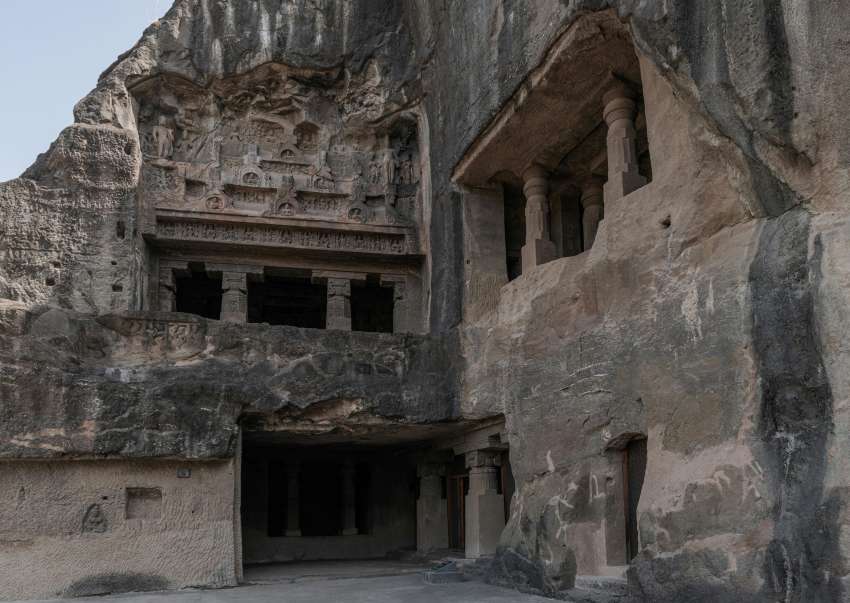 Image generated with Ai
The Archaeological Survey of India (ASI) is planning a major makeover for the world-famous Ajanta and Ellora caves in Maharashtra. These historic sites have been monuments to human ingenuity for thousands of years. Now they are slated for major improvements. The primary goal of this effort is to improve the tourist experience through the provision of modern amenities and the adoption of critical safety protocols. A dedicated roadmap has been set in motion to ensure that these UNESCO World Heritage sites remain accessible and alluring to a global audience under the guidance of the newly appointed superintending archaeologist of the Chhatrapati Sambhajinagar circle, Arun Malik.
The Chhatrapati Sambhajinagar circle is responsible for the oversight of 78 monuments, which are spread across eight different districts in the Marathwada region. It also covers parts of western-central Maharashtra, namely Ahilyanagar, and covers the Nashik district in the north. While the revitalisation efforts are not confined strictly to the famous cave complexes, a wider regional approach is being taken to showcase the area’s rich cultural potential.
Advertisement
Advertisement
Prioritizing Safety and Structural Integrity at Ajanta
The preservation of the Ajanta Caves is being treated with the utmost urgency, particularly regarding the geological stability of the site. Significant efforts are being directed toward boulder stabilization to mitigate the risk of rockfalls, which can be triggered by the region’s seasonal weather patterns. These engineering interventions are considered essential to safeguard both the ancient rock-cut architecture and the thousands of visitors who traverse the site daily. By addressing these structural vulnerabilities, a more secure environment is being created for the long-term conservation of the site’s delicate murals and carvings.
Simultaneously, the visitor facilities at Ajanta are being reimagined. The inadequacy of transport during peak seasons is being addressed through the deployment of additional pollution-free e-buses. These vehicles are intended to facilitate the four-kilometre journey between the Ajanta T-Point and the base of the caves, ensuring that no traveller is turned away due to logistical constraints. Furthermore, infrastructure repairs are being conducted on the connecting roadways, and environmental management, such as the periodic trimming of overhanging tree branches, is being overseen by the Forest Department to ensure clear and safe passage.
Advertisement
Advertisement
Enhancing the Visitor Journey at Ellora
At the Ellora Caves, the focus is being shifted toward improving the overall comfort and security of the tourist experience. Surveillance and safety are being prioritized through the establishment of dedicated police outposts, which are intended to protect visitors and manage the presence of unauthorized hawkers within the complex. To streamline the flow of movement, alternative roads are being expedited, and encroachments along the route between the Ellora Caves and the Grishneshwar Temple are being removed. These measures are expected to reduce congestion and allow for a more contemplative exploration of the monolithic Kailasa Temple and the surrounding monastic cells.
Essential resources, such as reliable drinking water and electricity, are being integrated into the site’s infrastructure. During the harsh summer months, the availability of water is being guaranteed at key locations, including the Ajanta View Point and various visitor centres. These fundamental upgrades are being supported through funds made available by the district planning and development committee, reflecting a collaborative approach between various government tiers to uphold the sanctity of these historical treasures.
Advertisement
Advertisement
Expanding the Horizon: Nashik’s Hidden Gems
While the Ajanta and Ellora complexes remain the crown jewels of the region, the ASI is also turning its attention toward the promotion of historically rich sites in the Nashik district. The Anjaneri temples group and the Gondeshwar temple at Sinnar have been identified as locations with immense tourism potential. The Gondeshwar temple, a 12th-century masterpiece of Seuna (Yadava) architecture, is being highlighted for its unique Bhumija style. This Panchayatana complex, dedicated to Lord Shiva, is recognized as one of the best-preserved mediaeval temples in the Deccan.
The Anjaneri region, traditionally associated with the birth of Lord Hanuman, offers a unique blend of spiritual heritage and natural beauty. By promoting these lesser-known sites, the ASI aims to diversify the tourism circuit within Maharashtra. These efforts are expected to alleviate the pressure on the primary heritage sites while providing travellers with a more comprehensive understanding of the region’s diverse architectural and cultural evolution.
A Vision for Sustainable Tourism
Following the principles of sustainable and accessible tourism, the Chhatrapati Sambhajinagar circle of the ASI has a broader mission. These ancient sites are being modernised with the help of modern technology like CCTV surveillance and digital payment systems. The goal is to preserve the majesty of the past to 21st-century conservation and visitor service standards.
We expect the quality of the tourist experience to improve significantly once these projects are completed. “The shift from active intervention to long-term maintenance will ensure that Maharashtra’s cultural heritage continues to inspire future generations. ASI is connecting the dots between the ancient and the modern-day traveller by stabilising the earth and making it more comfortable for humans, successfully.
Advertisement
