

Puerto Rico Joins Barbados, Jamaica, Cuba, Bahamas, Colombia, Brazil, and More Countries in Implementing Emergency Travel Solutions to Tackle Skyrocketing Fuel Prices, Rising Import Costs, and Energy Shortages Threatening Regional Tourism Recovery

Published
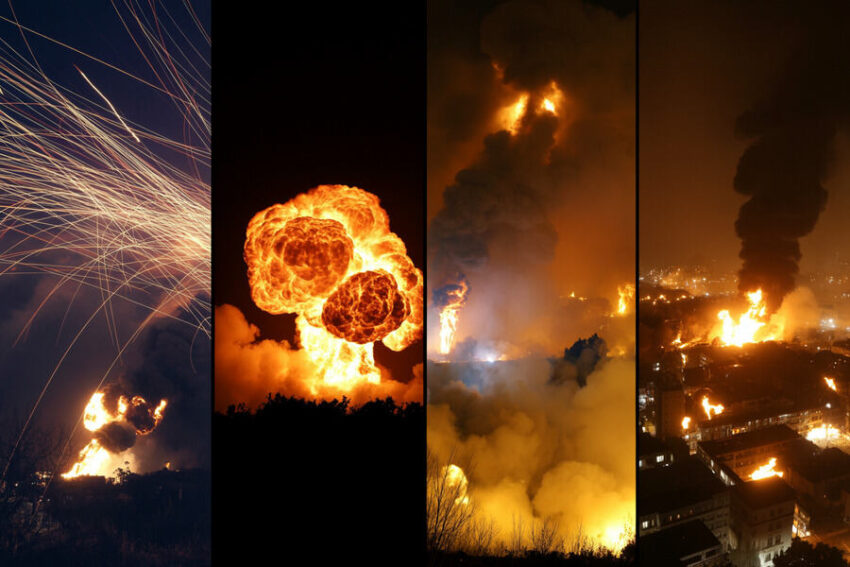 Image generated with Ai
Puerto Rico Joins Barbados, Jamaica, Cuba, Bahamas, Colombia, Brazil, and More Countries in Emergency Solutions to Combat Fuel Costs, Rising Import Prices, and Energy Shortages Disrupting Tourism as the region faces an unprecedented energy and fuel crisis. Rising global fuel prices, exacerbated by geopolitical tensions and supply chain disruptions, have placed immense pressure on Caribbean and Latin American countries, directly impacting their vital tourism industries. These nations, many of which rely heavily on imported energy, are struggling to maintain affordable energy prices and reliable services, forcing them to implement emergency measures to mitigate the economic fallout. The tourism sector, which is crucial to these countries’ economies, is now battling higher costs, reduced energy capacity, and service disruptions, all while seeking sustainable solutions for the future.
The tourism industry, a cornerstone of economies across the Caribbean and Latin America, is grappling with significant challenges as fuel costs soar, import prices increase, and energy shortages threaten to destabilize many regions. These issues have created a ripple effect on the travel sector, affecting everything from transportation to the very infrastructure that supports tourism. As countries in the Americas, particularly in the Caribbean, take emergency measures to mitigate the impact of these crises, the situation demands urgent attention. This article delves into how Puerto Rico, Barbados, Jamaica, Cuba, Bahamas, Colombia, Brazil, and other affected nations are responding to the energy and fuel crises while keeping the tourism industry afloat.
Puerto Rico’s Struggle: Energy Dependence and Fuel Costs
 Image generated with Ai
Puerto Rico, a U.S. territory, is facing an uphill battle with high fuel prices and energy dependence. The island imports nearly all of its fuel for electricity generation and transportation, making it vulnerable to fluctuations in global fuel prices. The rising fuel costs have severely impacted the cost of living, particularly for those relying on public transportation and electricity. The island’s energy grid instability also worsens the situation, causing frequent blackouts and unreliable power supply. This creates a significant barrier for the tourism industry, as hotels, resorts, and transportation services are disrupted.
In response to these challenges, Puerto Rico is focusing on energy reforms and renewable energy development, aiming to diversify its energy sources and reduce its reliance on imported fossil fuels. However, these efforts are in the early stages, and the short-term economic impact of fuel price hikes on both locals and tourists remains severe. Puerto Rico has also implemented emergency measures to subsidize fuel prices, but these have stretched public finances.
Advertisement
Advertisement
Barbados: Rising Fuel Prices and Economic Pressure
 Image generated with Ai
Barbados, another key tourism destination in the Caribbean, is not immune to the global rise in fuel prices. Like Puerto Rico, Barbados imports a large portion of its fuel. The island’s high energy import costs have led to increased prices for both fuel and electricity, putting pressure on businesses and households. The tourism sector, which constitutes a significant portion of Barbados’ GDP, is especially vulnerable as the cost of travel and related services increases.
Tourists, especially those traveling to beach resorts and luxury hotels, are now seeing higher prices for packages, dining, and transportation, as these businesses pass on their increased operating costs. Barbados is responding by exploring alternative energy solutions, including solar power and wind energy, but like Puerto Rico, these shifts will take time to have a meaningful effect. In the short term, the island has been forced to scale back on energy-intensive activities, which has directly impacted the tourism experience.
Advertisement
Advertisement
Jamaica: Impact of Fuel and Energy Shortages on Transport and Industry
 Image generated with Ai
Jamaica, a country known for its vibrant tourism industry, is facing a similar crisis. The nation’s heavy reliance on fuel imports and aging energy infrastructure is exacerbating the situation. High fuel prices are pushing up transportation costs, which in turn increases the cost of tourist packages, local travel, and even basic goods. Many of Jamaica’s popular tourist destinations rely heavily on energy-consuming services, such as air conditioning, transport fleets, and entertainment facilities, which are now operating at higher costs.
Jamaica’s government has stepped in by subsidizing fuel prices for key sectors like agriculture and transportation, but these subsidies strain the country’s budget. The tourism sector, which depends on an uninterrupted flow of visitors and seamless services, is under threat. The island is working to diversify its energy resources by investing in renewable energy sources, but the process is slow, and the immediate effects on tourism remain felt.
Advertisement
Advertisement
Cuba: Severe Fuel Shortages and Energy Crisis

Cuba has become one of the most prominent examples of energy vulnerability in the Caribbean. Despite its large oil reserves, Cuba’s refineries are outdated and unable to meet domestic demand for gasoline and diesel, leading to frequent fuel shortages. The country also faces severe restrictions due to the U.S. trade embargo, which limits its ability to purchase fuel and energy supplies from the global market. This has resulted in widespread power outages, blackouts, and disruptions to transportation services, severely affecting tourist experiences.
The Cuban government has implemented emergency rationing of fuel and energy resources, but the situation is far from resolved. Cuba is currently facing one of the most difficult energy crises in its history, which directly impacts the tourism sector, as essential services such as airlines, hotels, and guided tours struggle to maintain operations. Cuba’s government has been working on finding alternative energy solutions, including solar power, but these are insufficient to cover the immediate shortfall in fuel and electricity.
Bahamas: The Strain of Imported Energy

The Bahamas, an island nation whose economy heavily depends on tourism, is feeling the pressure of rising fuel prices and energy shortages. As in other Caribbean nations, the Bahamas imports nearly all of its energy, which makes the country vulnerable to price fluctuations in the global market. The tourism sector, which includes luxury resorts, cruise lines, and water-based activities, is especially vulnerable to rising energy costs.
In response to these challenges, the Bahamas has begun exploring renewable energy options, such as solar and wind power, in an attempt to reduce its reliance on imported fuels. However, these projects are still in the early stages and will take time to fully implement. In the meantime, fuel price hikes are putting upward pressure on the cost of travel for visitors, making some destinations less accessible and affecting the island’s ability to remain competitive in the global tourism market.
Advertisement
Advertisement
Colombia: Energy Price Pressures Amid Rising Fuel Costs

Colombia, one of South America’s fastest-growing tourism destinations, is also grappling with rising fuel prices and energy inflation. While Colombia produces oil, the country still relies on imported refined products for much of its fuel needs. The recent spike in global oil prices has led to an increase in domestic fuel prices, which has affected both the transportation sector and the cost of living for locals. This has a direct impact on the cost of tourism, with higher prices for flights, local transport, and even entry fees for tourist attractions.
The Colombian government has attempted to stabilize the situation by subsidizing fuel in key sectors, but this has put significant pressure on public finances. As the tourism sector begins to feel the heat of these rising costs, efforts to diversify energy sources and improve infrastructure are underway, but these solutions will take years to fully address the energy crisis.
Brazil: Rising Fuel Costs Amid Energy Inflation
 Image generated with Ai
Brazil, a major player in the Latin American tourism industry, has experienced rising fuel costs that are affecting both domestic and international travel. While Brazil has large oil reserves and refineries, global price fluctuations have increased costs for both fuel and electricity. As Brazil’s energy grid is largely powered by hydropower, which can be affected by droughts, the country is vulnerable to energy supply shortages during dry periods. This adds a layer of complexity to the tourism sector, which relies on consistent and affordable energy for both transportation and hospitality services.
Brazil is investing in renewable energy sources and improving its energy infrastructure, but the immediate impact on tourism is significant. Higher fuel prices have made travel more expensive for both domestic and international visitors, and businesses in the tourism sector are struggling to keep costs manageable.
Looking Ahead: Regional Responses to the Energy Crisis
The Caribbean and Latin American regions are facing some of the most pressing energy challenges in the world today, with rising fuel costs, import pressures, and energy shortages threatening the backbone of these economies: tourism. Countries like Puerto Rico, Cuba, Barbados, and Jamaica are working tirelessly to implement emergency solutions, ranging from fuel subsidies to investments in renewable energy. However, the immediate effects on the tourism sector are undeniable, and the industry will likely need to adapt to a new normal in terms of cost structures, service delivery, and visitor expectations.
Governments and businesses across the region must continue to explore alternative energy sources and efficiency measures to safeguard their economies from the volatile global energy market. Meanwhile, the tourism industry must collaborate with local governments to find ways to mitigate costs, improve energy resilience, and ensure that the regions remain attractive and accessible to international travelers.
Advertisement
Advertisement
Puerto Rico Joins Barbados, Jamaica, Cuba, Bahamas, Colombia, Brazil, and More Countries in Emergency Solutions to Combat Fuel Costs, Rising Import Prices, and Energy Shortages Disrupting Tourism as these nations face soaring fuel prices and energy shortages that are severely impacting their tourism sectors. The global rise in fuel costs and the instability of energy supplies have forced governments to implement urgent measures to stabilize their economies and ensure continued tourism growth.
As fuel prices rise and energy shortages disrupt vital services, countries like Puerto Rico, Cuba, Jamaica, Barbados, Brazil, and the Bahamas are fighting to maintain their competitive edge in the global tourism market. By embracing renewable energy solutions, offering emergency subsidies, and investing in infrastructure improvements, these nations are attempting to shield their tourism industries from the worst effects of the global energy crisis. However, the road ahead is fraught with challenges, and only time will tell how these countries overcome their energy and fuel challenges while keeping their tourism industries afloat.
Advertisement
