
USA JetBlue and United Launch Blue Sky Collaboration to Create a More Connected Travel Experience

Published
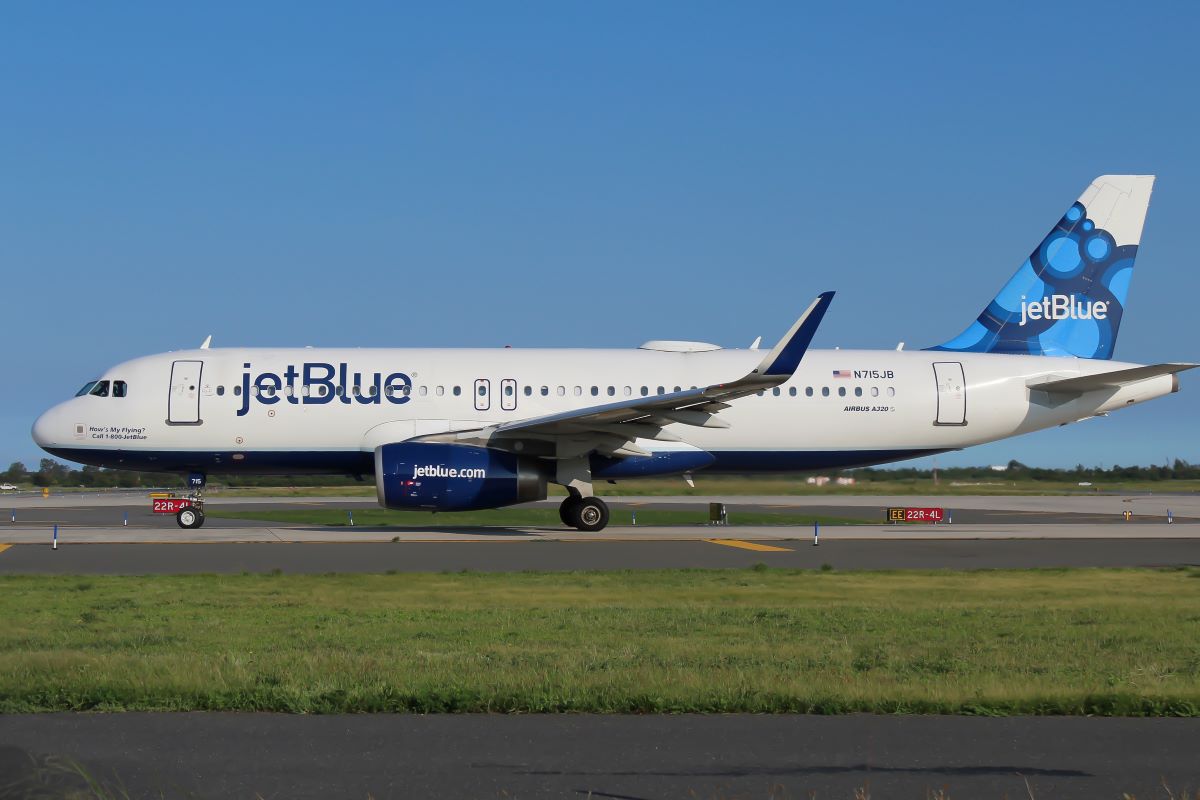
JetBlue and United are working together in a collaboration that is changing how passengers travel. This partnership, called Blue Sky links their loyalty programs, booking systems and travel perks. It allows customers to enjoy flight options earn and use rewards across both airlines and travel more easily between them. Even though JetBlue and United still operate as airlines this agreement makes it easier for travelers to move between them. The US Department of Transportation approved the deal showing it meets all requirements. The goal is to give travelers an experience, with more flexibility and better digital tools. As air travel keeps changing passengers are asking for convenience, more choices and easier access to their travel plans. This partnership is a step, toward meeting those needs.
JetBlue and United’s Blue Sky Collaboration Signals a New Era for Passenger Experience
The aviation industry is entering a period where partnerships are increasingly focused on improving customer journeys rather than traditional mergers. The JetBlue United Blue Sky partnership represents a new model of airline cooperation, designed around customer benefits, expanded connectivity and loyalty integration.
Unlike a conventional merger or full alliance, the agreement allows both airlines to remain independent while creating a closer travel experience for passengers. The collaboration combines elements of network expansion, loyalty recognition and digital booking convenience.
For travellers, the development reflects a broader shift across the airline sector. Passengers increasingly expect airlines to offer seamless digital services, flexible travel options, reliable connections and consistent experiences across different stages of a journey.
Advertisement
Advertisement
The concept of PaxEx, or passenger experience, has become one of the most important measures of airline competitiveness. It covers everything from booking and airport processes to onboard comfort, loyalty rewards, customer support and post-flight services.
What Is the Blue Sky Partnership Between JetBlue and United Airlines?
The Blue Sky collaboration is a strategic partnership between JetBlue Airways and United Airlines designed to provide customers with expanded travel options while preserving both airlines’ individual identities.
Advertisement
Advertisement
The agreement allows passengers to access flights from both carriers through each airline’s booking channels. It also introduces reciprocal benefits between the airlines’ loyalty programmes, allowing eligible customers to earn and redeem points across both networks.
The partnership does not create a merger between JetBlue and United. The airlines continue operating separately, with their own fleets, employees, brands and commercial strategies.
Advertisement
Advertisement
A key element of the agreement is the focus on customer convenience. Travellers benefit from a wider selection of routes and improved access to loyalty advantages without needing to manage separate airline relationships.
The partnership also includes airport network changes. JetBlue is expected to provide United access to New York John F. Kennedy International Airport slots from 2027, allowing United to expand its presence at one of the world’s busiest aviation markets.
For JetBlue, the agreement strengthens its position in the competitive US aviation market by creating additional opportunities through collaboration. For United, it supports greater access to important markets, particularly in the New York region.
Why Is Passenger Experience Becoming the Focus of Airline Partnerships?
Airlines worldwide are increasingly investing in passenger experience improvements because travellers now judge airlines on more than ticket prices and flight schedules.
Advertisement
Advertisement
Modern passengers expect smooth digital booking, easy loyalty management, comfortable cabins, efficient airport journeys and personalised services. These expectations have pushed airlines to rethink how they deliver value.
The Blue Sky partnership reflects this industry direction by placing customer convenience at the centre of cooperation.
Through integrated loyalty benefits and expanded booking access, passengers can potentially experience a more connected journey even when travelling across two separate airline networks.
The development also highlights the growing importance of consistency. Travellers often interact with airlines through multiple touch points, including mobile applications, websites, airport facilities and onboard services.
A fragmented experience can create frustration. A more coordinated approach can reduce complexity.
For frequent travellers, loyalty recognition is particularly important. Airline customers increasingly value benefits such as priority services, flexible changes and rewards access.
Advertisement
Advertisement
By connecting loyalty programmes, JetBlue and United are responding to demand from passengers who want greater value from their travel memberships.
How Will the Collaboration Change Loyalty Benefits for Travellers?
One of the most significant features of the JetBlue United collaboration is the connection between the airlines’ loyalty programmes.
The partnership enables eligible members to earn and redeem loyalty rewards across both airlines. It also introduces reciprocal recognition for selected elite benefits.
For frequent flyers, this creates additional flexibility. A traveller who normally uses one airline may gain access to benefits when choosing flights operated by the partner airline.
The move reflects a wider trend in aviation where loyalty programmes are becoming broader travel ecosystems rather than simple mileage systems.
Airlines are increasingly using loyalty platforms to strengthen customer relationships. These programmes encourage repeat travel by offering convenience, recognition and rewards.
Advertisement
Advertisement
The Blue Sky arrangement could make loyalty benefits more valuable by increasing the number of destinations and flight options available to members.
However, the practical impact depends on how customers use the expanded network and how effectively the airlines integrate their systems.
Successful airline partnerships require more than agreements between companies. They depend on reliable technology, clear communication and consistent customer service.
How Does Blue Sky Support Greater Connectivity Across the United States?
The partnership creates opportunities for broader connectivity by combining elements of JetBlue’s network with United’s global reach.
JetBlue has historically maintained a strong presence in key East Coast markets, while United operates an extensive domestic and international network.
By connecting their services, the airlines aim to provide travellers with additional choices, particularly in markets where customers may benefit from accessing both networks.
Advertisement
Advertisement
New York plays a major role in the partnership. The region is one of the most competitive aviation markets globally, with high passenger demand and limited airport capacity.
United’s planned return to JFK operations through JetBlue-provided slots represents a significant part of the agreement.
The partnership also includes adjustments involving Newark Liberty International Airport, another major aviation hub serving the New York metropolitan area.
For passengers, increased connectivity can create more routing options and greater flexibility when planning domestic and international journeys.
For airlines, strategic cooperation can improve network efficiency while avoiding the complexity of full integration.
What Does the Partnership Mean for the Future of Airline Competition?
The Blue Sky partnership arrives during a period of significant change in the US airline industry.
Advertisement
Advertisement
Carriers are exploring new ways to expand customer offerings while managing operational challenges, rising costs and changing passenger expectations.
Traditional airline competition has often focused on fleet size, route networks and pricing. However, customer experience has become a major differentiator.
Airlines are investing in technology, loyalty programmes, digital services and onboard improvements to attract and retain travellers.
The JetBlue and United agreement demonstrates how partnerships can be used as a tool for expansion without creating a full corporate combination.
The arrangement received approval from the US Department of Transportation, allowing the airlines to move forward with implementation.
The regulatory review reflected broader discussions about airline partnerships, market competition and consumer benefits.
Advertisement
Advertisement
Industry observers continue to examine how such collaborations influence passenger choice, airline networks and competitive dynamics.
How Could Uniform Passenger Experience Standards Benefit Travellers?
A major theme behind the Blue Sky initiative is creating a smoother and more predictable travel experience.
A more consistent passenger experience strategy can reduce friction for travellers who move between partner airlines.
Passengers often value simple processes. These include easier booking, clearer loyalty benefits, smoother connections and improved access to services.
Airlines are increasingly recognising that customer satisfaction depends on the entire journey rather than only the flight itself.
The airport experience, mobile interaction, baggage handling and customer support all contribute to passenger perception.
Advertisement
Advertisement
A connected approach between JetBlue and United could help create a more unified travel journey.
However, achieving consistency across separate airlines requires careful coordination. Different operating systems, service standards and company cultures must work together effectively.
The success of the collaboration will depend on execution and the ability to maintain service quality while expanding customer options.
JetBlue and United Transform Air Travel as Blue Sky Collaboration Creates a More Connected Passenger Experience
How Will Digital Integration Influence the Future Passenger Journey?
The future of aviation is increasingly shaped by digital convenience, and the JetBlue United collaboration reflects this transformation. Modern travellers expect airlines to provide smooth digital experiences from the moment they search for a flight until they complete their journey.
Technology integration is becoming a central part of passenger experience (PaxEx) strategies. Airlines are investing heavily in mobile applications, personalised travel platforms, automated services and improved communication tools to reduce uncertainty and improve customer satisfaction.
Through the Blue Sky partnership, customers are expected to benefit from greater visibility of flight options across both airlines. The ability to access partner services through connected booking channels can simplify trip planning, particularly for travellers who previously needed to manage separate airline systems.
Advertisement
Advertisement
Digital integration also supports operational efficiency. Airlines can use connected systems to improve customer notifications, manage disruptions and provide clearer travel information.
For passengers, this means fewer complicated steps when booking, changing or managing flights.
The aviation industry has increasingly moved towards a customer-centred digital model. Airlines are no longer competing only through aircraft capacity or destinations. They are competing through convenience, reliability and the quality of the complete travel journey.
The Blue Sky partnership aligns with this broader industry movement by placing digital accessibility and customer flexibility at the centre of airline cooperation.
What Economic Impact Could the JetBlue and United Partnership Create?
The JetBlue United partnership could influence several areas of the aviation economy, including route development, customer spending patterns and airline network efficiency.
Airline partnerships often create opportunities to improve connectivity without requiring complete corporate integration. By sharing selected benefits and expanding customer access, carriers can strengthen their market presence while maintaining operational independence.
Advertisement
Advertisement
For travellers, increased connectivity can create more competitive choices. A wider range of flight options may support business travel, tourism and regional mobility.
The aviation sector plays a significant role in the US economy. According to the US Bureau of Transportation Statistics, commercial aviation supports millions of passenger journeys annually and remains a major contributor to national and regional economic activity.
Airports, tourism businesses, hotels, restaurants and local transport providers can benefit when airline networks become more accessible.
The partnership may also support demand between major business centres. Improved connections can help companies manage travel requirements while giving leisure travellers more flexibility.
For airlines, cooperation can help optimise resources and strengthen customer relationships. However, the long-term economic impact will depend on implementation, consumer response and operational performance.
How Does Blue Sky Reflect Changing Trends in Global Aviation?
The airline industry is experiencing a shift towards strategic partnerships that focus on customer value rather than traditional alliance structures alone.
Advertisement
Advertisement
The Blue Sky collaboration represents this changing approach. Instead of creating a single combined airline, the partnership focuses on targeted cooperation.
Across global aviation, carriers are increasingly exploring partnerships to expand networks, improve loyalty programmes and offer more seamless travel experiences.
International airline alliances have demonstrated the value of cooperation for decades. However, newer partnership models are becoming more flexible and focused on specific customer needs.
The growth of digital platforms has also changed how airlines collaborate. Technology allows separate companies to connect services while maintaining independent operations.
This approach provides airlines with opportunities to respond quickly to changing market conditions.
Passenger expectations have also evolved. Travellers now compare airlines based on the entire journey, including online booking, airport services, loyalty benefits and onboard experience.
Advertisement
Advertisement
The passenger experience (PaxEx) has become a strategic priority because customer satisfaction influences loyalty and future purchasing decisions.
The JetBlue and United agreement demonstrates how airlines are adapting to this new competitive environment.
What Role Does New York Aviation Play in the Partnership?
New York is one of the most important aviation markets in the United States, making it a central element of the Blue Sky agreement.
The metropolitan region serves millions of travellers each year through major airports, including John F. Kennedy International Airport, Newark Liberty International Airport and LaGuardia Airport.
Access to New York has long been strategically important for airlines because of the region’s strong business activity, tourism demand and international connections.
JetBlue has historically maintained a significant presence at JFK, while United has operated a major hub at Newark.
Advertisement
Advertisement
The partnership’s airport-related arrangements are designed to strengthen network opportunities in this highly competitive market.
For passengers, improved access to flights from different airport locations can create additional travel choices.
The agreement also reflects the importance of airport infrastructure in airline strategy. Airport slots, terminal access and operational capacity influence how airlines expand their networks.
As passenger demand continues evolving, partnerships that improve access to major markets may become increasingly important.
How Could the Partnership Affect Business and Leisure Travellers?
The impact of the JetBlue United Blue Sky partnership will be closely watched by both business and leisure travellers.
Business travellers often prioritise reliability, scheduling flexibility and loyalty benefits. Access to a broader network can provide additional options when planning frequent journeys.
Advertisement
Advertisement
Leisure travellers may benefit from easier booking processes and expanded route choices.
Tourism destinations connected through both airline networks could gain from increased visibility and accessibility.
For families and holidaymakers, simplified loyalty benefits and easier travel management can improve the overall experience.
The partnership may also support travellers who require multiple flight options during periods of disruption. A wider network can provide more alternatives when schedules are affected by weather, operational issues or high demand.
However, customers will continue evaluating the partnership based on practical outcomes.
Benefits such as smoother booking, reliable loyalty recognition and consistent service standards will determine how passengers perceive the collaboration.
Advertisement
Advertisement
What Challenges Could Affect the Success of Blue Sky?
Although the partnership offers potential benefits, successful airline cooperation requires effective execution.
One major challenge is ensuring that different airline systems operate smoothly together.
Airlines have complex technology platforms covering reservations, loyalty programmes, customer service and operational management. Aligning these systems requires significant planning and investment.
Another challenge involves maintaining consistent service standards.
JetBlue and United have different brand identities and customer expectations. Creating a connected experience while preserving each airline’s individual character requires careful balance.
Communication will also be important. Passengers need clear information about loyalty benefits, booking processes and service availability.
Advertisement
Advertisement
Regulatory requirements remain another important factor. Aviation partnerships must continue operating within government rules designed to protect competition and consumers.
The US Department of Transportation’s approval allowed the partnership to proceed, but ongoing implementation will determine its practical success.
What Does the Future Hold for Airline Partnerships and Passenger Experience?
The future of aviation is expected to focus increasingly on collaboration, technology and customer-centred innovation.
The JetBlue United collaboration represents a broader movement where airlines seek new ways to deliver value without traditional mergers.
Future airline partnerships are likely to place greater emphasis on:
- Digital integration
- Loyalty programme expansion
- Personalised travel services
- Seamless airport experiences
- Improved customer communication
Passengers are becoming more demanding, expecting travel providers to offer convenience throughout every stage of their journey.
Advertisement
Advertisement
The success of future aviation partnerships will depend on how effectively airlines transform agreements into real customer benefits.
The Blue Sky initiative provides an example of how airlines are experimenting with new cooperation models in response to changing market expectations.
As global aviation continues recovering and evolving, passenger experience will remain a major factor influencing airline competitiveness.
The industry’s future will not only depend on where airlines fly but also on how effectively they connect travellers with simpler, more efficient and more personalised journeys.
Conclusion
The JetBlue United collaboration shows how airline partnerships are changing to focus on passenger needs, digital ease and more travel flexibility. The Blue Sky partnership gives chances for connectivity, loyalty rewards and a smoother passenger experience approach while letting both airlines stay independent. As competition, in aviation keeps shifting what customers want will shape airline plans more and more. The lasting effect of this partnership will rely on execution, technology blending and steady service. The partnership is an example of how airlines are looking for fresh ways to make travel better in a fast‑moving industry.
Advertisement
