
New York Aligns With Colorado and Others as 2026 Fall Foliage Boosts US Leaf Peeping Travel

Published
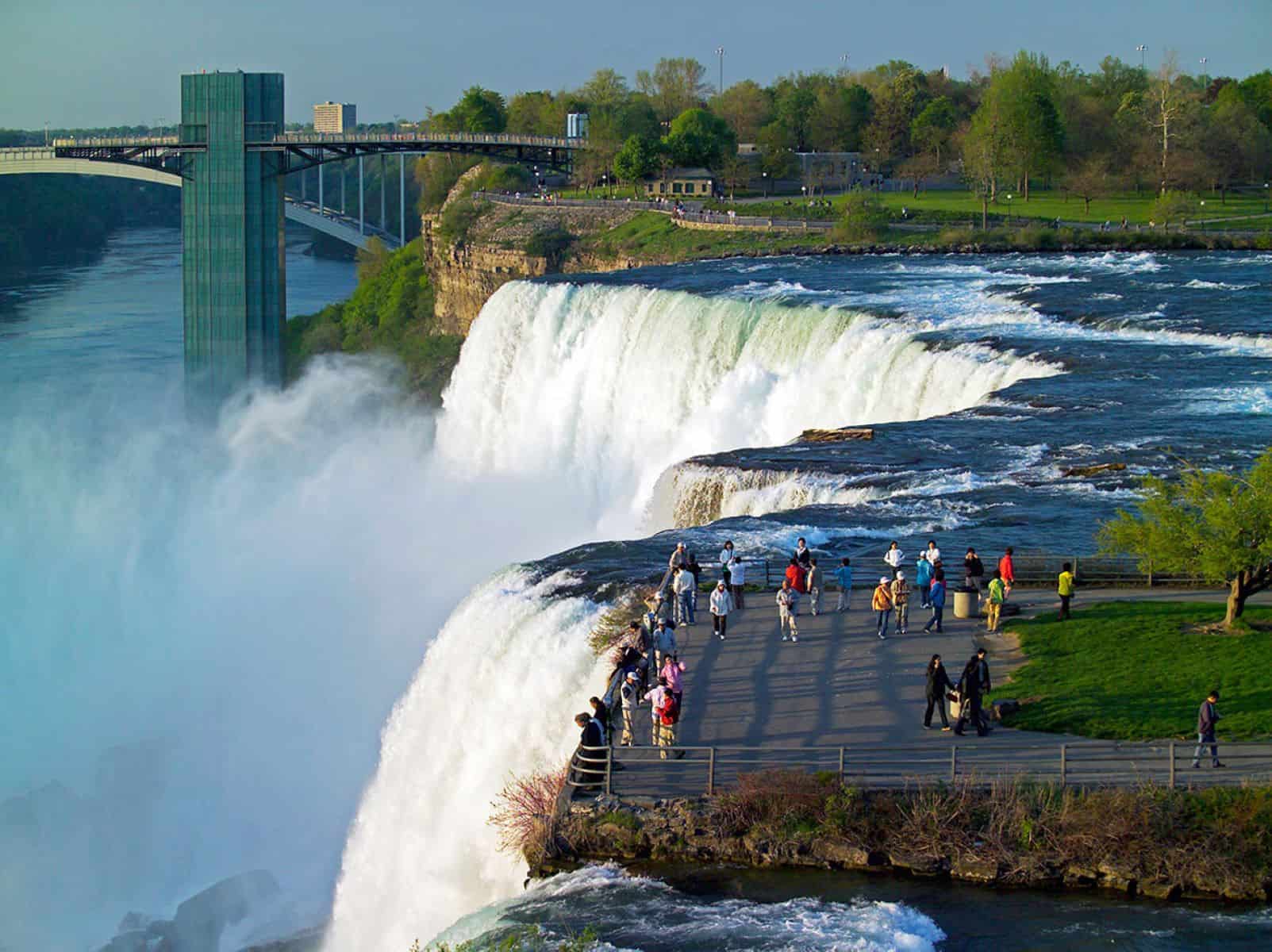
New York aligns with Colorado and others as 2026 fall foliage boosts US leaf peeping travel, drawing fresh attention to scenic road trips, mountain landscapes and seasonal outdoor escapes across the country. Leading travel companies are reporting growing interest for fall and winter trips. More families and senior travellers are opting for longer trips that include forest and lake destinations as well as routes in the mountains. While most destinations tend to rely on summer months for tourism, autumn colours can bring additional visitors and help offset the losses from the dormant winter months. The fall season in the US also means that international visitors can see more of the country outside the busy summer months.
US Fall Foliage Travel 2026 Connects New York Colorado and Michigan Through Different Autumn Windows
US fall foliage travel in 2026 is unfolding at different speeds across New York, Colorado and Michigan, giving travellers several distinct autumn windows rather than one nationwide peak. New York’s official foliage monitoring shows the Adirondacks moving quickly towards stronger colour in late September. Colorado expects its Aspen corridors to reach their principal colour period around mid-to-late September, with some 2026 foliage developing earlier because of drought and moisture stress. Michigan’s official fall-colour system shows the seasonal transition beginning in northern areas and moving south, while travellers using its celebrated M-119 corridor must account for important road closures this year.
Advertisement
Advertisement
- New York’s Adirondacks are among the earliest major colour zones in the state.
- Colorado’s central mountain and Aspen corridors have a mid-to-late September peak estimate for 2026.
- Michigan’s colour progression generally moves from the Upper Peninsula into the Lower Peninsula.
- Road conditions are an important part of autumn trip planning in all three states.
- Scenic driving, hiking and outdoor recreation allow travellers to extend foliage trips beyond simple sightseeing.
| Destination | 2026 official autumn signal | Main travel attraction | Traveller consideration |
|---|---|---|---|
| New York | Adirondack locations already showing substantial change | Adirondack Park, Whiteface, Lake Placid | Colour varies sharply by elevation |
| Colorado | Aspen corridors expected around mid-to-late September | Aspen, Maroon Bells, Independence Pass | Earlier foliage possible in some areas |
| Michigan | Seasonal colour advances north to south | Tunnel of Trees, Harbor Springs | M-119 has active detours in 2026 |
New York Adirondacks Drive 2026 Leaf Peeping With Whiteface Lake Placid and Vast Protected Landscapes
New York provides some of the clearest government-backed evidence for the strength of US fall foliage travel in 2026. The state welcomed a record 321.2 million visitors in 2025, with travellers spending $97.6 billion and generating a total economic impact of $152.7 billion. This strong tourism base gives additional weight to New York’s autumn travel season. According to the I LOVE NY foliage report for 23–29 September 2026, Whiteface Mountain in Wilmington recorded 55% colour change and was near peak. Tupper Lake and Mt Arab reached around 50–55%, while Newcomb, Long Lake and Lake Pleasant were near 40%. Lake Placid recorded approximately 25% colour change. The wider setting further strengthens New York’s appeal, as the state Department of Environmental Conservation identifies the Adirondack Park as a six-million-acre protected region, making it the largest publicly protected area of its kind in the contiguous United States. Together, strong visitor demand, expanding autumn colour and the vast Adirondack landscape position New York as a major destination for leaf-peeping, scenic drives, outdoor recreation and seasonal tourism in 2026.
- Whiteface Mountain is one of the most advanced Adirondack locations in the current official report.
- Tupper Lake offers another strong late-September colour zone.
- Lake Placid combines developing foliage with major outdoor and sporting attractions.
- Different elevations let colour progress across the region rather than change everywhere simultaneously.
- The six-million-acre Adirondack Park supports scenic driving, walking, hiking and longer autumn stays.
| Adirondack location | Official 2026 colour change | Foliage status | Travel significance |
|---|---|---|---|
| Whiteface Mountain/Wilmington | 55% | Near peak | Strong late-September leaf-peeping option |
| Tupper Lake/Mt Arab | 50–55% | Significant change | Strong combination of water and woodland scenery |
| Newcomb | 40% | Developing strongly | Interior Adirondack landscape |
| Long Lake | 40% | Developing | Lake-and-forest road-trip stop |
| Lake Placid | 25% | Developing | Major visitor hub with mountain access |
Adirondacks Tourism Extends Beyond Leaves as Lake George and Olympic Attractions Support Longer Stays
Fall colour sits inside a much larger Adirondack visitor economy. Official New York tourism data released in 2026 show that visitor spending across the Adirondack region reached nearly $2.6 billion in 2025, increasing by about 2.8%. Tourism supported 18.7% of regional employment, the highest tourism-related employment share among New York’s tourism regions. Warren County, home to the Lake George area, generated $956.6 million in visitor spending, while lodging alone accounted for $481.6 million. New York’s Olympic Authority venues also exceeded 1.2 million visits during the 2025–26 fiscal year, strengthening Lake Placid’s role beyond the winter season.
Advertisement
Advertisement
- Adirondack visitor spending approached $2.6 billion in the latest state-reported figures.
- Tourism supports a particularly large share of regional employment.
- Lake George adds lakeside touring and accommodation capacity to foliage itineraries.
- Lake Placid’s Olympic facilities strengthen year-round visitor demand.
- Autumn trips can combine foliage with outdoor recreation, heritage and sporting attractions.
| Official indicator | Latest figure available in 2026 | Travel relevance |
|---|---|---|
| Adirondack regional visitor spending | Nearly $2.6 billion in 2025 | Shows scale of visitor economy |
| Tourism employment share | 18.7% | Highest among NY tourism regions |
| Warren County visitor spending | $956.6 million | Supports Lake George tourism infrastructure |
| Warren County lodging spending | $481.6 million | Indicates strong overnight component |
| Olympic Authority venue visits | More than 1.2 million | Expands Lake Placid’s attraction base |
Colorado Aspen Fall Colours Bring Maroon Bells and Independence Pass Into the 2026 Travel Spotlight
Colorado’s 2026 foliage calendar is compressed by elevation. The Colorado Department of Transportation places the expected peak for central mountains and Aspen corridors between 8,000 and 9,500 feet in mid-to-late September. Areas above 9,500 feet were expected to change earlier. State officials also warn that drought and prolonged moisture stress may accelerate leaf change in some locations. Around Aspen, the major draw extends from golden aspen groves to the Maroon Bells and Independence Pass. The Maroon Bells lie roughly 10 miles west of Aspen, while Independence Pass climbs to 12,095 feet, creating one of Colorado’s most dramatic high-altitude scenic routes.
- Mid-to-late September is the principal 2026 window for Aspen’s elevation band.
- Drought conditions may move colour earlier in individual areas.
- Maroon Bells combines mountain peaks, a lake setting and aspen woodland.
- Independence Pass provides high-elevation road access from the Aspen side.
- Travellers should check live road and weather conditions before entering high mountain corridors.
| Colorado attraction | Verified fact | Autumn travel value |
|---|---|---|
| Aspen corridor | Peak estimated mid-to-late September | Central 2026 leaf-peeping window |
| Maroon Bells | Around 10 miles west of Aspen | Mountain, lake and aspen scenery |
| Independence Pass | 12,095 feet | High-altitude scenic drive |
| Colorado Scenic and Historic Byways | 26 routes identified by CDOT | Supports wider road-trip itineraries |
| Aspen elevation corridor | 8,000–9,500 feet in CDOT foliage estimate | Explains September timing |
Colorado Mountain Travel Requires Earlier Planning as Leaf Peeping Adds Traffic to Scenic Corridors
The same scenery that attracts visitors can create transport pressure. CDOT expects heavy weekend traffic on mountain corridors during the 2026 foliage period and specifically advises travellers to consider Tuesday through Thursday trips. Autumn visitors must also prepare for construction zones, sudden weather changes and early mountain snow. Independence Pass prohibits vehicles or vehicle-and-trailer combinations over 35 feet because of its narrow road, steep grades and tight bends. Colorado’s traction requirements also apply along key mountain corridors from September. These factors make route planning essential for travellers combining Aspen, scenic drives, hiking and photography during a short foliage window.
Advertisement
Advertisement
- Weekend foliage traffic can become heavy on Colorado’s mountain roads.
- CDOT recommends mid-week travel when possible.
- Independence Pass has a strict 35-foot vehicle-length restriction.
- High-elevation roads can experience sudden snow or rockfall.
- Travellers should use designated parking and scenic pull-outs rather than road shoulders.
| Travel factor | 2026 official guidance | Traveller impact |
|---|---|---|
| Peak traffic | Heavy weekend demand expected | Consider Tuesday–Thursday travel |
| Independence Pass | Vehicles over 35 feet prohibited | RV and trailer planning required |
| Early snow | Possible at high elevations | Carry cold-weather supplies |
| Scenic stops | Use designated turnouts | Reduces roadside safety risk |
| Road information | COtrip provides live conditions | Check immediately before driving |
Michigan Tunnel of Trees Adds Great Lakes Fall Colour but 2026 Flood Damage Changes the Journey
Michigan’s M-119 Tunnel of Trees remains one of the state’s recognised scenic drives, but 2026 requires a more careful travel plan. The Michigan Department of Transportation lists M-119 Tunnel of Trees as a State Scenic Byway. Earlier in 2026, MDOT invested $1.1 million to chip-seal 20 miles of M-119 between Harbor Springs and Cross Village. Severe flooding, however, damaged sections of the route. By 3 September, two sections still remained closed to through traffic: one near Division Road and another at Devil’s Elbow. The Division Road closure is expected to continue until summer 2027.
- M-119 is officially designated as a Michigan State Scenic Byway.
- The classic corridor connects the Harbor Springs and Cross Village area.
- Twenty miles received chip-seal treatment during 2026.
- Two flood-damaged locations still disrupt through travel.
- Visitors should not rely on old foliage itineraries that assume the entire route is continuously open.
| M-119 update | 2026 position | Travel consequence |
|---|---|---|
| Scenic designation | State Scenic Byway | Confirms official scenic-route status |
| 2026 pavement work | 20 miles | Route preservation investment |
| Project value | $1.1 million | Major seasonal roadway maintenance |
| Division Road | Closed to through traffic | Detour required; closure expected to summer 2027 |
| Devil’s Elbow | Closed to through traffic | Alternative local routing required |
Michigan Fall Travel Expands From Harbor Springs to Forests State Parks and Great Lakes Landscapes
Michigan’s broader natural environment helps turn leaf-peeping into a multi-day travel product. State information identifies approximately 19 million acres of forest, while Michigan’s Department of Natural Resources says state parks attract around 38 million visitors annually. The official Pure Michigan Fall Color Map tracks the seasonal transition as peak colours move from the northern Upper Peninsula into the Lower Peninsula. Around the Tunnel of Trees, Harbor Springs, Good Hart and Cross Village give travellers access to wooded roads and northern Lake Michigan landscapes. The combination of forests, freshwater shoreline, parks and scenic highways allows autumn visitors to move between road touring and outdoor recreation.
- Michigan contains about 19 million acres of forest.
- State parks receive approximately 38 million visits each year.
- The official colour map tracks progression across the state.
- Northern colour normally develops before southern Michigan.
- Great Lakes scenery adds a waterfront dimension to traditional woodland leaf-peeping.
| Michigan asset | Official figure or status | Travel value |
|---|---|---|
| Forest area | About 19 million acres | Large autumn landscape base |
| State park visitation | About 38 million annually | Extensive recreation network |
| Fall Color Map | Live state tourism planning tool | Helps time journeys |
| Tunnel of Trees | State Scenic Byway | Signature northern Michigan route |
| Harbor Springs–Cross Village area | M-119 corridor | Combines woodland and Lake Michigan scenery |
Family Fall Trips Gain More Value From Scenic Drives Trails Lakes and Easily Combined Attractions
Families do not need to build an autumn journey around a single viewpoint. New York’s Adirondacks combine lake communities, forest landscapes and recreation across a six-million-acre protected region. Aspen offers scenic road travel alongside the reservation-based Maroon Bells bus service, allowing visitors to reduce private-car dependence on one of the area’s busiest routes. Michigan combines the Tunnel of Trees with Great Lakes scenery and a broad state-park network. The practical advantage is variety: travellers can adapt daily plans around weather, children’s walking tolerance, road conditions or foliage progression instead of depending on one long hike or one mountain viewpoint.
- New York allows families to combine lakes, short walks and scenic drives.
- Aspen’s Maroon Bells Scenic Bus requires reservations.
- Michigan provides a large network of parks and outdoor recreation areas.
- Road-based foliage viewing can complement hiking rather than replace it.
- Checking official foliage and transport updates helps families adjust plans quickly.
| State | Family-friendly trip structure | Important planning point |
|---|---|---|
| New York | Lake Placid, Whiteface, Tupper Lake and scenic driving | Follow weekly I LOVE NY foliage updates |
| Colorado | Aspen, Maroon Bells and mountain drives | Maroon Bells bus reservations required |
| Michigan | Harbor Springs, scenic routes and parks | Check M-119 detours before departure |
Air Connectivity Supports 2026 Leaf Peeping Trips to the Adirondacks Aspen and Northern Michigan
Air access can shorten long-distance foliage trips. Adirondack Regional Airport (SLK) says it provides daily commercial Cape Air services linking the region with Boston Logan and New York JFK, positioning visitors close to Saranac Lake and the central Adirondacks. Aspen/Pitkin County Airport lists American, Delta and United among its airline partners; its current 2026 operating information shows connections involving major hubs including Denver, Dallas/Fort Worth, Chicago and Los Angeles, although schedules remain seasonal. In northern Michigan, Pellston Regional Airport says it provides daily Delta service to Detroit, making it a useful fly-drive gateway for Emmet County and the Tunnel of Trees region.
- SLK provides direct access to the Adirondack region.
- Boston and JFK are listed as daily commercial links from SLK.
- Aspen Airport supports several major US airline partners.
- Aspen services vary by season, so schedules should be reconfirmed.
- Pellston gives northern Michigan visitors a commercial-air gateway near Emmet County attractions.
| Autumn region | Airport | Verified 2026 access |
|---|---|---|
| Adirondacks | Adirondack Regional Airport – SLK | Daily Cape Air links with Boston and JFK |
| Aspen | Aspen/Pitkin County Airport – ASE | American, Delta and United listed as airline partners |
| Northern Michigan | Pellston Regional Airport – PLN | Daily Delta service to Detroit |
2026 US Fall Foliage Travel Creates Wider Tourism Impact Across New York Colorado and Michigan
The fall-colour season matters because it extends tourism activity beyond traditional summer and winter peaks. New York’s latest Adirondack figures show nearly $2.6 billion in regional visitor spending in 2025, while tourism represented 18.7% of regional employment. Colorado’s state tourism office reported 96.8 million visitors in 2025, generating $29.2 billion in traveller spending, 187,860 direct tourism jobs and $1.91 billion in state and local tax revenue. Michigan’s government reported a $54.8 billion tourism economic impact in 2024, while the visitor economy supported about one in every 17 jobs statewide. These latest official figures provide the economic context for the 2026 autumn travel season.
- Autumn travel can support accommodation demand outside peak summer months.
- Scenic-road tourism spreads visitor activity into smaller mountain and rural communities.
- New York’s Adirondacks have an unusually high dependence on visitor employment.
- Colorado combines large visitor volumes with significant travel expenditure.
- Michigan’s extensive forest and park network gives autumn tourism statewide reach.
| State | Latest official tourism indicator available in 2026 | Relevance to fall travel |
|---|---|---|
| New York Adirondacks | Nearly $2.6bn visitor spending in 2025 | Demonstrates importance of regional tourism |
| New York Adirondacks | 18.7% of employment supported by tourism | Strong local economic connection |
| Colorado | 96.8m visitors in 2025 | Large established visitor market |
| Colorado | $29.2bn traveller spending | Major tourism economy |
| Michigan | $54.8bn tourism economic impact in 2024 | Shows scale of statewide visitor economy |
Travel Impact for Visitors Planning New York Colorado and Michigan Leaf Peeping in 2026
For travellers, the central impact of US fall foliage travel in 2026 is timing and mobility. New York’s Adirondacks are already moving quickly through their autumn transition, making weekly foliage reports particularly important. Colorado’s Aspen region has a shorter high-altitude colour window and faces heavier traffic, changing weather and early snow risks. Michigan offers a longer geographical progression of colour, but the M-119 flood closures mean the famous Tunnel of Trees requires detour planning. Air links can reduce access time, yet the final stage of most foliage trips remains road-based. Checking government foliage maps, transport alerts and local access rules immediately before travel is therefore essential.
Advertisement
Advertisement
- New York: travel sooner for higher Adirondack elevations already approaching stronger colour.
- Colorado: target the Aspen corridor carefully because mountain foliage can change quickly.
- Michigan: verify M-119 closures and detours before attempting the Tunnel of Trees.
- Fly-drive travel: SLK, ASE and PLN provide practical gateways for the three featured regions.
- Trip planning: official foliage reports and live road information should take priority over fixed annual peak-date assumptions.
| Traveller decision | New York | Colorado | Michigan |
|---|---|---|---|
| Best planning tool | I LOVE NY weekly foliage report | COtrip and 2026 foliage guidance | Pure Michigan Fall Color Map |
| Main seasonal attraction | Adirondacks | Aspen and Maroon Bells | Tunnel of Trees |
| Key 2026 issue | Rapid colour progression | Earlier colour and mountain traffic | Flood-related M-119 detours |
| Air gateway | SLK | ASE | PLN |
| Essential action | Check weekly colour percentage | Check mountain road/weather status | Confirm detour before driving |
Conclusion
New York aligns with Colorado and others as 2026 fall foliage boosts US leaf peeping travel through scenic drives, mountain landscapes and nature-focused seasonal escapes. According to the article, autumn colours draw visitors during the off-peak season, providing rural and wild areas an opportunity to showcase their tourism potential. The US has many attractive destinations outside of the summer months. New York’s Adirondack Park provides respite, as does Colorado’s Rocky Mountain National Park. Finally, Michigan’s and other Great Lakes states’ forests provide a scenic route to and from these parks.
Advertisement
