
United Airlines UA3919, Boeing 737-724 from Jackson Hole Diverts to Denver International Airport, United States: Read Now to Know More

Updated
Published
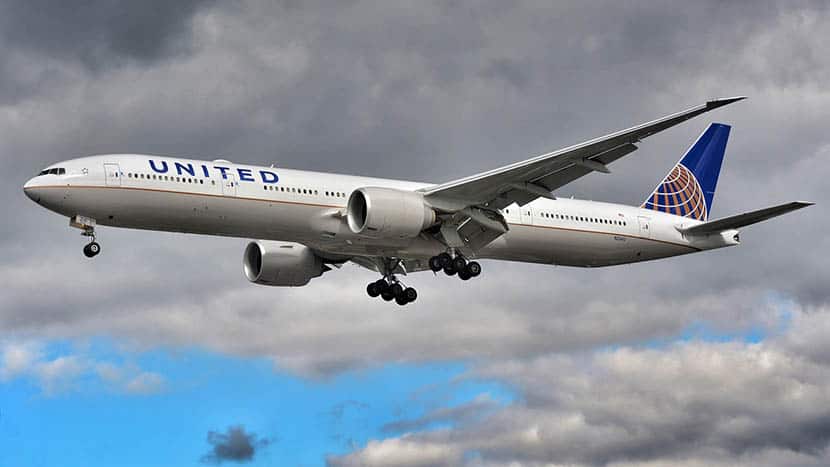
A United Airlines UA3919 Boeing 737-724 operating a routine service toward Jackson Hole Diverts to Denver International Airport, United States after an unexpected mid-flight operational trigger forced a controlled change of routing. The situation unfolded during a standard domestic sector, when flight crews opted for a precautionary diversion instead of continuing toward the mountainous destination. Transitioning quickly, the aircraft was redirected to Denver for safety assurance and operational stability.
The United Airlines UA3919 Boeing 737-724 to Jackson Hole Diverts to Denver International Airport, United States event reflects how modern aviation prioritises safety margins over schedule adherence. The aircraft was flying a well-travelled corridor linking a major hub with a high-altitude destination known for complex weather and terrain conditions. As the flight progressed, operational monitoring systems and crew assessments indicated the need for a diversion decision, prompting immediate coordination with air traffic control.
Denver International Airport, chosen as the diversion point, is a major operational hub with full maintenance capability and strong airline support infrastructure. The decision ensured that the aircraft could land safely, undergo necessary checks, and allow passengers to be re-accommodated on onward services to Jackson Hole. Such diversions are standard within U.S. aviation protocols, particularly on routes crossing mountainous regions where weather volatility and operational constraints are common.
Passengers onboard experienced an unscheduled change in travel plan, with delays and onward coordination handled through airline systems. While disruptive, the decision prioritised controlled safety management over continuation into potentially complex landing conditions at Jackson Hole. United Airlines operations teams managed the diversion in real time, ensuring communication and ground handling support at Denver.
Advertisement
Advertisement
Why Was the Jackson to Chicago Flight Diverted to Denver During Its Journey?
The Boeing 737-724 operating the Jackson (JAC) to Chicago O’Hare (ORD) service on 22 June 2026 was diverted to Denver International Airport (DEN) after the flight crew initiated a precautionary operational decision mid-route. The aircraft, registered N24702, was scheduled to complete a routine domestic service between Wyoming’s tourism gateway and one of the United States’ busiest aviation hubs, but the planned trajectory changed while approaching the central mountain corridor.
Advertisement
Advertisement
Diversions on this route are typically linked to technical alerts, adverse weather conditions, or congestion management at destination airports, and Denver is frequently selected due to its strategic position and full-service infrastructure. In this case, the diversion reflects standard aviation safety protocols rather than an emergency escalation, as pilots prioritised landing at a major maintenance-equipped hub.
Denver International Airport serves as a critical operational buffer in the U.S. system, especially for flights crossing the Rocky Mountain region. Its long runways, advanced maintenance facilities, and strong airline connectivity make it the preferred diversion point for aircraft operating between the western United States and major Midwestern hubs like Chicago.
What Operational Factors Commonly Trigger Diversions on This Routes
The Jackson to Chicago corridor is heavily influenced by mountainous geography, high-altitude airspace, and rapidly changing meteorological conditions, all of which can contribute to mid-flight operational adjustments. When aircraft such as Boeing 737s operate through this corridor, even minor technical alerts or shifting weather patterns can require precautionary decisions to ensure flight safety and regulatory compliance.
Denver is strategically positioned as a diversion hub because it provides immediate access to engineering support and operational continuity for major carriers, particularly on United Airlines’ network. In situations where Chicago O’Hare experiences congestion or air traffic flow restrictions, fuel management considerations may also influence the decision to divert before entering holding patterns.
In many cases, these diversions are not the result of a single failure but rather a combination of operational risk management factors. Airlines maintain strict safety thresholds, and pilots are trained to prioritise landing at the nearest suitable airport when multiple variables, including aircraft system alerts or airspace pressure, converge during flight.
Advertisement
Advertisement
Why Is Denver International Airport a Preferred Diversion Hub?
Denver International Airport plays a critical role in the U.S. aviation network, particularly for flights traversing the central mountain corridor between the western states and Midwest destinations. Its infrastructure allows it to function as a stabilising point for disrupted flights, offering both technical support and passenger re-accommodation options for onward travel.
For airlines operating Boeing 737 aircraft, Denver provides comprehensive maintenance facilities capable of handling both minor technical inspections and more detailed engineering assessments. This capability reduces turnaround delays and allows aircraft to return to service more quickly after precautionary landings.
Additionally, Denver’s geographic position makes it a logical diversion choice for flights departing from high-altitude airports like Jackson Hole, where surrounding terrain limits alternative landing options. The airport’s capacity to absorb unscheduled arrivals without significant disruption to its own schedule further reinforces its role as a primary safety and logistics hub in the region.

How Were Passengers Affected by the Diversion?
Passengers onboard the diverted flight experienced an unscheduled landing in Denver, which typically results in temporary disruption to travel plans, including missed connections to Chicago O’Hare and onward domestic or international services. In most cases involving such diversions, airlines rebook passengers onto the next available flights or arrange ground-level assistance depending on the duration of delay.
While no emergency conditions were indicated, passengers may have faced extended waiting times at Denver International Airport as operational teams assessed the aircraft and coordinated onward travel arrangements. Such scenarios are standard in aviation operations and are managed through established airline disruption protocols.
Advertisement
Advertisement
The impact is generally limited to schedule adjustments rather than safety concerns, as airlines prioritise passenger welfare through accommodation support, alternative routing, and updated itinerary management. The diversion reflects a controlled operational decision designed to prevent escalation and ensure continuity of service within the broader network.
What Does This Diversion Reveal About Airline Safety Protocols?
This incident highlights the structured decision-making framework used in modern commercial aviation, where precautionary diversions are an essential component of risk mitigation. Airlines operating high-frequency domestic routes maintain strict thresholds for system performance, weather exposure, and air traffic coordination to ensure safe outcomes even when disruptions occur.
The decision to divert to Denver rather than continue to Chicago reflects a conservative operational approach prioritising aircraft integrity and passenger safety over schedule adherence. Such decisions are routinely supported by real-time data monitoring, cockpit alerts, and coordination between pilots and airline operations centres.
Overall, this event demonstrates how the aviation system is designed to absorb irregularities without compromising safety. Diversions, while inconvenient for passengers, are an integral part of maintaining reliability and operational resilience across complex flight networks.
Conclusion
The United Airlines UA3919 Boeing 737-724 to Jackson Hole Diverts to Denver International Airport, United States incident represents a controlled aviation safety response rather than an emergency escalation. The diversion was executed as a precautionary measure to maintain safe operational conditions and ensure the aircraft could be inspected at a fully equipped hub.
Advertisement
Advertisement
In conclusion, the decision reflects standard airline safety architecture, where operational data, terrain considerations, and airport capability all influence real-time flight routing. Denver provided the most suitable diversion environment, allowing for passenger support and technical checks. The event highlights how modern aviation prioritises structured risk management over schedule completion.
Advertisement
