
Tunisia Welcomes More Tourists but Struggles to Increase Tourism Revenue

Published
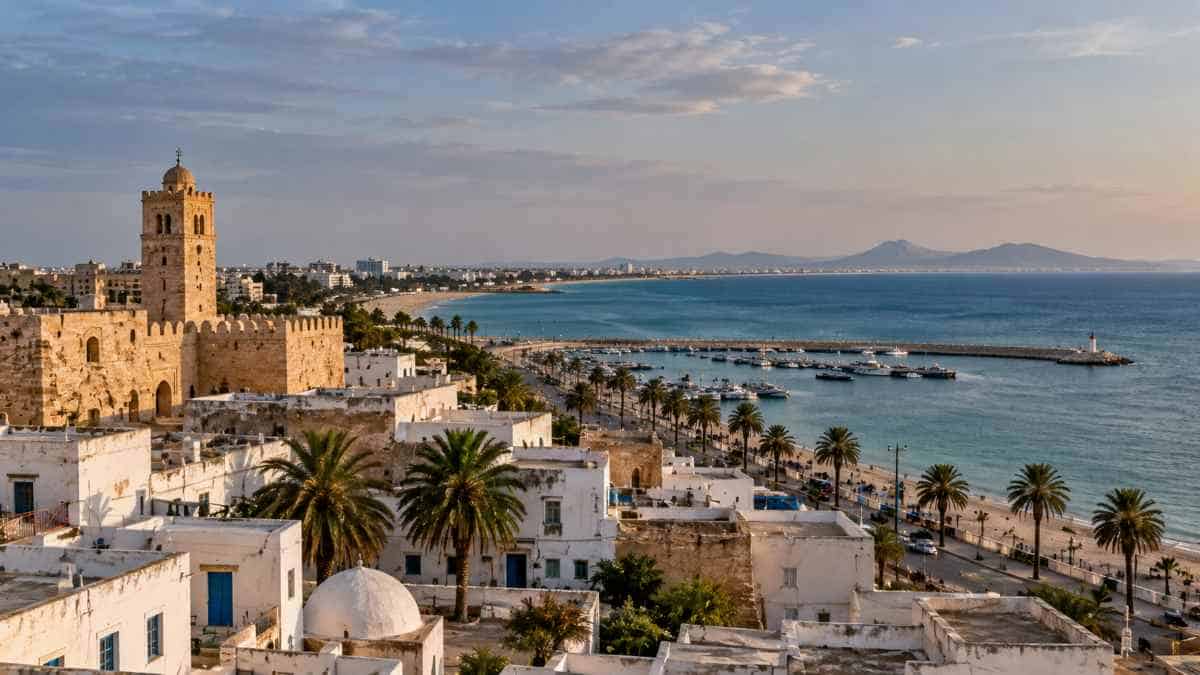
Despite the fact that the North African destination attracts record levels of tourists, boosting the revenue generated from the tourism sector is becoming difficult in Tunisia. In 2025, more than 11 million tourists visited the country, beating the 9.4 million pre-pandemic tourist arrivals. Nevertheless, transportation issues, the over-reliance on beach resorts and all-inclusive trips, and the lack of diverse leisure activities are hindering further spending by visitors. The problem persisted in 2026. The number of visitors to Tunisia was 5.828 million by July, marking an increase of 2.6% from the same period last year. By 10 September 2026, the revenue of tourism was 5.82 billion Tunisian dinars, increasing by 4.9% from 5.55 billion dinars registered last year, as reported in the source material. The above statistics illustrate growth in both cases; however, numbers of visitors alone do not indicate spending by tourists and benefits of tourism.
Tourism Spending Remains Concentrated in Accommodation
Tunisia’s Tourism Satellite Account, published by the National Institute of Statistics in January 2026, provides a clearer picture of the sector’s economic contribution. In 2024, domestic tourism expenditure reached 16.12 billion dinars, including 11.82 billion dinars, or 73.3%, attributed to international and non-resident visitors.
Advertisement
Advertisement
Tourism’s direct gross value added reached 7.84 billion dinars, representing 5.2% of the national economy’s total gross value added. Direct tourism GDP stood at approximately 8.07 billion dinars, equivalent to 5.1% of national GDP.
The expenditure breakdown highlights where businesses can find opportunities to capture more visitor spending. Accommodation accounted for 37% of tourism expenditure in 2024, while non-specific goods and services, including shopping and medical services, represented 22%. Transport accounted for 18%, and restaurants and beverages contributed 15%.
Advertisement
Advertisement
These figures indicate that tourism already generates revenue beyond hotels, but expanding the range of accessible activities and services could help distribute spending more widely across the economy.
Moving Beyond Beach Resorts and All-Inclusive Holidays
Tunisia’s traditional tourism model centres heavily on coastal resorts, hotel accommodation and all-inclusive packages. Although these remain important for attracting visitors, tourists who spend most of their holiday within resort grounds have fewer reasons to purchase services from independent businesses.
Advertisement
Advertisement
Developing cultural excursions, guided heritage tours, food experiences, evening entertainment and local events could encourage visitors to explore beyond their accommodation. Historic sites in Tunis, the archaeological remains of Carthage, the Roman amphitheatre at El Jem and the desert landscapes of southern Tunisia offer opportunities to broaden the destination’s appeal.
However, promoting attractions alone will not guarantee additional spending. Visitors also need convenient transport, reliable opening information, suitable accommodation and bookable activities. Without these services, destinations outside established resort areas can remain difficult to include in holiday itineraries.
Transport and Events Could Unlock New Demand
Transport connectivity is another challenge. Limited internal connections can make independent exploration difficult, particularly for younger travellers, solo visitors and groups seeking short breaks built around concerts, festivals or nightlife.
Improved connections between airports, coastal resorts, historic towns and inland attractions could make it easier for tourists to spend money across multiple destinations. Better coordination between public transport, local operators and tour providers would also help visitors plan trips without relying exclusively on organised excursions.
Events could create another source of demand, particularly outside the traditional summer beach season. Concerts, cultural festivals, sporting events and food celebrations can attract visitors whose primary motivation is not a resort holiday.
Yet organisers need predictable approval processes, appropriate venues and dependable transport arrangements. Accommodation options must also reflect different budgets, including hostels and affordable short-stay properties for visitors who do not require full-service hotels.
Better Visitor Data Can Guide Tourism Investment
The next step for Tunisia will be to analyse spending patterns by the nationality of the tourist, his/her age, the reason for visiting, type of accommodation used, and duration of visit. Conducting more in-depth surveys and analysing tourism expenditure on a regular basis can assist businesses in finding the gaps and creating products for particular segments of customers. The Tourism Satellite Account can serve as a good source for such analysis since it measures tourism expenditure and its economic impact. More regular and in-depth information will help to find out whether newly created cultural facilities, transportation options and events are helping to create additional revenue or are just redistributing spending among different venues. In the case of Tunisia, the task is quite clear: make use of the positive arrivals statistics and give tourists more chances to see the country and participate in its life. As the latest statistics show, international tourists already contribute almost three-quarters of domestic tourism expenditure.
Advertisement
