
Machu Picchu Teams Up With Cusco and More as Peru’s World Travel Awards Triumph Puts South America’s Most Breathtaking Travel Experiences in the Spotlight

Published
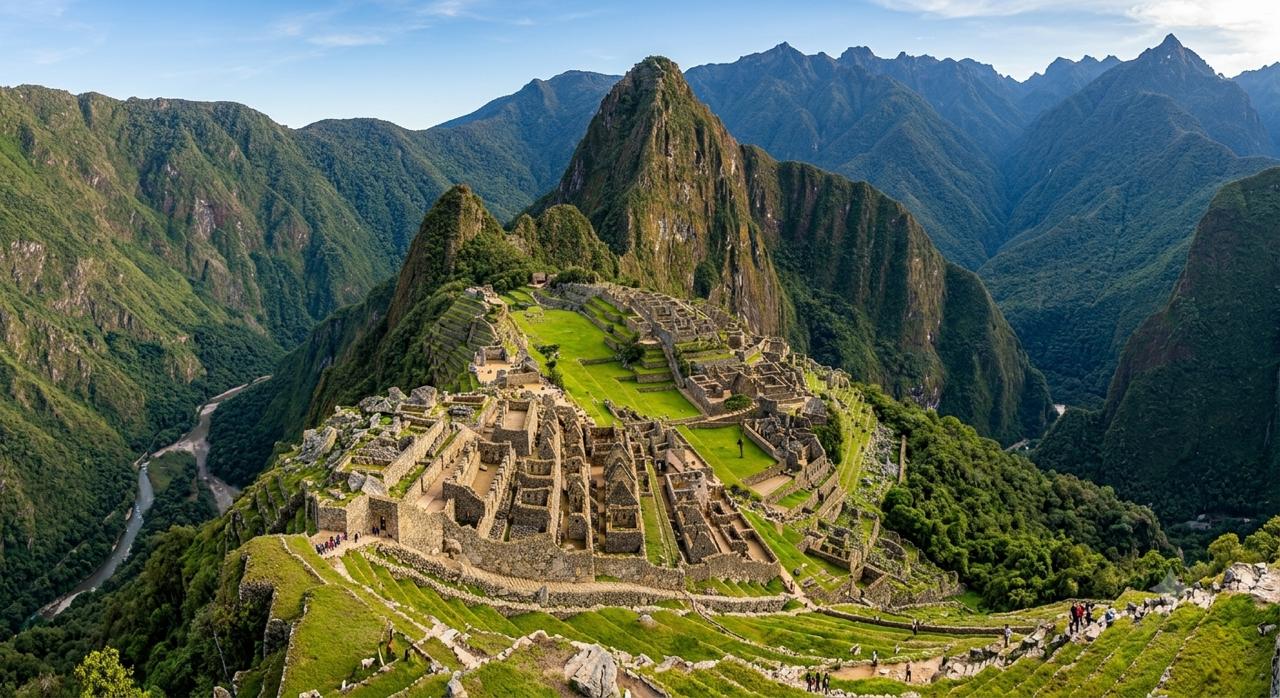
Machu Picchu teams up with Cusco and more to put Peru’s World Travel Awards triumph in the global travel spotlight. As Peru celebrates its prestigious recognition, Machu Picchu, Cusco and more invite travellers to discover South America’s most breathtaking travel experiences. From ancient Inca wonders to spectacular mountain landscapes, Peru offers unforgettable adventures for curious explorers. Moreover, the World Travel Awards triumph strengthens interest in Peru’s remarkable destinations, rich cultural heritage and extraordinary natural beauty. Travel And Tour World urges global travellers to read the entire story and discover why Machu Picchu, Cusco and Peru deserve a place on every travel wishlist.
Peru’s World Travel Awards Success: Five-Year Tourism Statistics, Past Winners, Top Attractions and a Detailed Travel Guide
Peru’s recognition as South America’s Leading Destination at the 2026 World Travel Awards provides an opportunity to examine the country’s tourism recovery, its strongest visitor markets, its most celebrated attractions and the experiences international travellers can plan around its cultural and natural heritage. The award is particularly significant because Peru has held the regional destination title for three consecutive years, from 2023 through 2025, before winning again in 2026.
Advertisement
Advertisement
The following extension combines verified award history, available official tourism statistics, destination comparisons, practical travel advice, food recommendations and an itinerary. It also distinguishes tourist arrivals from broader international visitor totals, since these figures do not always use identical definitions.
Peru’s 2026 award recognition and the significance for travellers
The World Travel Awards named Peru South America’s Leading Destination for 2026. Its official results list Argentina, Bolivia, Brazil, Chile, Colombia, Ecuador, Paraguay and Uruguay among the nominees. The title recognises Peru’s position within a competitive regional tourism market, but it should not be interpreted as a government ranking of visitor numbers or travel affordability.
Advertisement
Advertisement
Peru’s wider tourism appeal extends across three distinct geographical environments: the Pacific coast, the Andes and the Amazon basin. This variety allows travellers to combine historic cities, archaeological landmarks, mountain scenery, wildlife experiences and regional cuisine within one national itinerary.
The award is also accompanied by recognition in other tourism categories. The official World Travel Awards results identify Machu Picchu as South America’s Leading Tourist Attraction in 2026, reinforcing the importance of Peru’s archaeological heritage to its international profile.
Advertisement
Advertisement
For visitors, the practical opportunity is to use the award as a starting point for planning rather than as a substitute for research. Transport connections, seasonal weather, altitude, attraction-entry requirements and accommodation availability remain important considerations.
Five-year tourism statistics: how Peru’s international visitor market changed
Peru’s visitor statistics show the scale of the recovery following the pandemic disruption. The Ministry of Foreign Trade and Tourism, known as MINCETUR, reported 444,331 international tourist arrivals in 2021, followed by 2,009,275 in 2022 and 2,524,658 in 2023. The 2024 total reached 3,256,693 international tourists.
Advertisement
Advertisement
Table 1. Annual international tourist arrivals in Peru
| Year | International tourist arrivals | Annual change | Travel-market context |
|---|---|---|---|
| 2021 | 444,331 | — | International tourism remained heavily affected by the pandemic |
| 2022 | 2,009,275 | +352.2% | Reopening and restored travel opportunities supported recovery |
| 2023 | 2,524,658 | +25.7% | International demand continued to recover |
| 2024 | 3,256,693 | +29.0% | More than 732,000 additional tourist arrivals compared with 2023 |
| 2025 | Full-year comparable figure not established here | — | January–November figures are available separately |
Sources: MINCETUR’s 2022 and 2023 tourism reports and its January 2025 announcement covering 2024. Annual percentages are reported by the ministry.
The 2022 result represented a substantial rebound from the exceptionally low 2021 base. It nevertheless remained 54% below 2019, when Peru received 4,371,787 international tourists. The 2023 total was 25.7% higher than 2022, and the 2024 result added another 29% year-on-year. These comparisons demonstrate the recovery trajectory, rather than proving that every tourism segment had returned to its pre-pandemic level.
Table 2. The latest available 2025 visitor snapshot
| Indicator | January–November 2025 | Share of international visitors |
|---|---|---|
| All international visitors | 3,810,219 | 100% |
| International tourists staying overnight | 3,130,121 | 82.2% |
| International excursionists visiting without an overnight stay | 680,098 | 17.8% |
| Visitors from South America | Approximately 2.25 million | 59.1% |
| Visitors from North America | Approximately 740,000 | 19.4% |
| Visitors from Europe | Approximately 552,000 | 14.5% |
| Visitors from Asia | Approximately 135,000 | 3.5% |
| Visitors from Central America | Approximately 90,000 | 2.4% |
Source: MINCETUR’s 19 December 2025 announcement. Regional numbers are rounded and may not sum to the total. The total includes tourists and excursionists, so it should not be directly compared with the overnight-tourist-only annual series above.
This distinction matters when evaluating Peru’s international appeal. An overnight tourist typically contributes to accommodation demand, while an excursionist may cross a border for a day visit without staying in paid accommodation. Both contribute to visitor flows, but their spending patterns and travel requirements can differ.
Advertisement
Advertisement
For travellers, the statistics also reveal why planning around transport connections is important. South America remained the largest source region in the 2025 reporting period, while North America and Europe supplied substantial additional markets. The country’s tourism offering therefore serves both regional visitors and long-haul holidaymakers.
Which countries previously won South America’s Leading Destination?
The World Travel Awards’ official history provides a clear comparison of the destinations that received the regional title in recent years. Peru won in 2023, 2024, 2025 and 2026, while Chile held the title in 2022 and Argentina won in 2021.
Table 3. South America’s Leading Destination award history, 2021–2026
| Award year | Winner | Travel experience that visitors can explore |
|---|---|---|
| 2021 | Argentina | Buenos Aires, Patagonia, Mendoza and Iguazú Falls |
| 2022 | Chile | Atacama Desert, Santiago, Patagonia and coastal landscapes |
| 2023 | Peru | Machu Picchu, Cusco, Lima and the Amazon |
| 2024 | Peru | Archaeological heritage, Andean culture and regional cuisine |
| 2025 | Peru | Cultural journeys, nature experiences and historic destinations |
| 2026 | Peru | A combination of heritage, gastronomy, biodiversity and adventure |
Source: World Travel Awards official award history. The travel experiences listed are destination examples, not additional award categories.
Argentina: the 2021 winner
Argentina received the 2021 regional destination award. The country offers travellers an exceptionally broad itinerary, ranging from the architecture and cultural life of Buenos Aires to the mountain scenery of Patagonia. Visitors can explore Mendoza’s wine-producing region, admire the powerful Iguazú Falls and discover the landscapes around El Calafate. A longer journey can include Ushuaia, often used as a gateway to Tierra del Fuego. Food-focused visitors can sample Argentine beef, empanadas and regional wines. Travellers should account for the considerable distances between destinations when planning domestic flights, road journeys or multi-region holidays.
Chile: the 2022 winner
Chile won the award in 2022, following its previous victory in 2020. Its long geographical span creates a striking mix of desert, mountain, lake and coastal environments. In the north, the Atacama Desert offers dramatic landscapes and opportunities for stargazing. Santiago combines museums, urban neighbourhoods and food experiences, while southern Patagonia attracts hikers and nature enthusiasts. Torres del Paine National Park is a major choice for mountain scenery and outdoor exploration. Visitors can also explore Chilean coastal cities and wine-producing valleys. Weather and travel times vary considerably across the country, so travellers should build a realistic schedule around their preferred regions.
Peru: the winner from 2023 through 2026
Peru has held the regional title for four consecutive years, according to the World Travel Awards’ published history. Its appeal rests on the combination of archaeological landmarks, living Andean traditions, Amazonian biodiversity and an internationally recognised culinary culture. Machu Picchu is a major draw, but Cusco, the Sacred Valley, Lima, Arequipa and Lake Titicaca offer additional reasons to stay longer. Visitors can choose between history-led holidays, outdoor activities, food experiences and wildlife excursions. The award sequence indicates sustained recognition by the awards programme; it does not establish that Peru receives more tourists than every competing South American country.
Advertisement
Advertisement
Other World Travel Awards categories that put Peru in the spotlight
The main destination title is not the only recognition relevant to trip planning. The 2026 awards also named Machu Picchu South America’s Leading Tourist Attraction. The official results show that the landmark has held this attraction title every year since at least 2018, through 2026. This is a separate category from the overall destination award.
Peru also received six regional awards in the 2026 edition, according to the state newspaper El Peruano. The reported distinctions included South America’s Leading Destination, Leading Culinary Destination, Leading Cultural Destination, Leading Nature Destination and Leading Contribution to Sustainable Tourism, alongside Machu Picchu’s attraction award. These recognitions align with several different travel interests, from food-led city breaks to archaeology and nature-focused journeys.
Table 4. Award categories and their relevance to travellers
| Award or recognition | What it means for itinerary planning |
|---|---|
| South America’s Leading Destination, 2026 | Consider a multi-region itinerary rather than one attraction |
| South America’s Leading Tourist Attraction, 2026 | Plan ahead for Machu Picchu access and entry arrangements |
| Leading Culinary Destination, 2026 | Include Lima and regional food experiences |
| Leading Cultural Destination, 2026 | Explore Cusco, the Sacred Valley and archaeological heritage |
| Leading Nature Destination, 2026 | Consider protected areas and responsible nature excursions |
| Leading Contribution to Sustainable Tourism, 2026 | Look for responsible operators and respect local conservation guidance |
The 2026 category results are reported by El Peruano and the World Travel Awards. The final column offers practical travel interpretations rather than official award criteria.
Where to visit in Peru: a detailed destination guide
Peru is best explored by region because its attractions are spread across a vast and geographically varied country. The following destinations offer a practical balance of history, food, outdoor activities and cultural experiences.
Table 5. Major destinations, activities and recommended stays
| Destination | Main attractions | What to do | Suggested stay |
|---|---|---|---|
| Lima | Historic Centre, Miraflores, Barranco | Museums, coastal walks, food tours | 2–3 nights |
| Cusco | Historic centre, Sacsayhuamán | Explore Inca and colonial heritage | 2–3 nights |
| Sacred Valley | Ollantaytambo, Pisac, surrounding Andean villages | Archaeological visits, markets, scenic excursions | 1–2 nights |
| Machu Picchu | Inca citadel and surrounding mountain scenery | Guided archaeological visit | 1–2 nights in the area |
| Arequipa | Historic centre, Santa Catalina Monastery | Architecture, regional cuisine, nearby landscapes | 2 nights |
| Puno | Lake Titicaca and lakeside communities | Boat excursions and cultural visits | 1–2 nights |
| Puerto Maldonado | Tambopata region and rainforest | Wildlife watching, guided nature walks | 2–3 nights |
| Ica and Paracas | Desert scenery and coastal reserve | Desert excursions, marine wildlife trips | 1–2 nights |
Suggested durations are itinerary-planning recommendations, not official minimum stay requirements. Activities and access should be checked locally before booking.
Lima: the best introduction to Peruvian cuisine
Lima is a practical starting point for international visitors arriving by air. The Historic Centre offers architectural landmarks, while Miraflores provides coastal viewpoints, restaurants and accommodation. Barranco appeals to visitors interested in art, historic streets and a more relaxed evening atmosphere.
Advertisement
Advertisement
Travellers should try ceviche, a dish associated with Peru’s coastal food culture. Other options include causa, anticuchos and lomo saltado. Food tours can help visitors discover regional ingredients and understand how Indigenous, European, African and Asian influences have shaped Peruvian cooking.
For accommodation, Miraflores is a convenient base for first-time visitors seeking restaurants and visitor services. Barranco suits travellers who prefer an artistic neighbourhood, while the Historic Centre is useful for architecture and heritage visits. Choose a property based on transport access, recent reviews and personal security requirements.
Cusco and the Sacred Valley: the heart of an Inca itinerary
Cusco combines archaeological heritage with colonial architecture and a lively contemporary food scene. Visitors can explore the main square, museums and historic streets before visiting nearby archaeological sites.
The Sacred Valley adds rural scenery and opportunities to discover traditional markets and Andean communities. Ollantaytambo is particularly useful for travellers arranging onward transport towards Machu Picchu.
Cusco has a wide range of accommodation, from small guesthouses to luxury hotels. Staying centrally makes sightseeing easier, although visitors should consider altitude and allow time to acclimatise before strenuous activity.
Machu Picchu: the essential planning priority
Machu Picchu is the centrepiece of many Peru holidays. Its archaeological remains and mountain setting make it a major destination for history enthusiasts and photographers.
Advertisement
Advertisement
Travellers should secure tickets through the official Peruvian government channels, confirm their entry circuit and check transport arrangements before departure. Entry conditions and availability can change, particularly during busy travel periods.
Aguas Calientes, also known as Machu Picchu Pueblo, offers convenient access to the site. Visitors can stay there before or after their scheduled entry, while travellers seeking a longer cultural experience may prefer additional nights in Cusco or the Sacred Valley.
What to eat in Peru and where to find it
Peruvian cuisine is an important part of the destination experience. Rather than eating the same dishes throughout the trip, visitors can use each region to discover different ingredients and cooking traditions.
Table 6. Food experiences for international travellers
| Dish or food | Main ingredients or style | Where to try it |
|---|---|---|
| Ceviche | Fish, citrus, onion and chilli | Lima and coastal restaurants |
| Lomo saltado | Beef, onions, tomatoes, potatoes and rice | Lima and urban restaurants |
| Causa | Layered seasoned potato, often with seafood or chicken | Lima and regional restaurants |
| Anticuchos | Traditionally grilled beef heart skewers | Local eateries and street-food settings |
| Rocoto relleno | Stuffed spicy pepper, associated with Arequipa | Arequipa |
| Cuy | Guinea pig, traditionally prepared in Andean regions | Selected traditional restaurants in the Andes |
| Pachamanca | Meat, potatoes and other ingredients cooked using heated stones | Selected Andean restaurants and community experiences |
| Juane | Rice-based dish associated with Amazonian cuisine | Restaurants serving regional food in the Amazon |
| Chicha morada | Purple-corn beverage with fruit and spices | Restaurants and traditional food markets |
Travellers should select clean, reputable food establishments and take suitable precautions with food and drinking water. Those with dietary restrictions should explain their needs clearly, particularly when dishes include unfamiliar ingredients or shared cooking equipment.
Where should visitors eat?
In Lima, look for established restaurants and food markets serving coastal dishes and contemporary Peruvian cuisine. Miraflores and Barranco provide a broad choice of dining styles and budgets.
In Cusco, visitors can look for restaurants specialising in Andean ingredients, traditional soups, potatoes and regional meat dishes. Arequipa is particularly suitable for exploring rocoto relleno and other regional specialities.
Advertisement
Advertisement
In the Amazon region, select restaurants that identify their ingredients and regional cooking traditions. Wherever possible, choose businesses that source responsibly and respect local communities.
A detailed 10-day Peru travel itinerary
A 10-day itinerary allows travellers to experience several major highlights without attempting to cross the entire country. The schedule below assumes arrival in Lima and departure from the same city or an appropriately connected airport.
Table 7. Day-by-day travel plan
| Day | Destination | Suggested activities | Overnight |
|---|---|---|---|
| 1 | Lima | Arrival, rest, coastal walk and neighbourhood exploration | Lima |
| 2 | Lima | Historic Centre, museums and Peruvian food experiences | Lima |
| 3 | Cusco | Fly to Cusco, acclimatise and explore nearby streets | Cusco |
| 4 | Cusco | Historic sites, museums and local markets | Cusco |
| 5 | Sacred Valley | Visit selected archaeological sites and traditional markets | Sacred Valley |
| 6 | Ollantaytambo and onward transport | Explore the town and travel towards Machu Picchu Pueblo | Machu Picchu Pueblo |
| 7 | Machu Picchu | Visit the archaeological site according to the confirmed ticket circuit | Machu Picchu Pueblo or Cusco |
| 8 | Cusco | Return, rest and explore additional cultural attractions | Cusco |
| 9 | Lima | Return to Lima, enjoy a final food experience or museum visit | Lima |
| 10 | Departure | Transfer to the airport | — |
This itinerary deliberately concentrates on Lima and the Cusco–Sacred Valley–Machu Picchu route. Adding Arequipa, Puno or the Amazon would require additional time or replacing some of the listed stops.
Practical booking sequence
- Confirm international flights and entry requirements.
- Reserve Machu Picchu admission for the intended date and circuit.
- Arrange the train or other authorised transport connections required for the chosen route.
- Book domestic flights and accommodation with sufficient flexibility for changes.
- Check altitude guidance, weather conditions and current transport information.
- Review government travel advisories and arrange appropriate travel insurance.
Accommodation planning and travel costs
Peru offers a wide accommodation range, but costs vary by season, location, property category and booking conditions. Rather than applying a single national hotel price, travellers should compare rates for their exact dates.
Table 8. Accommodation strategy by destination
| Location | Suitable accommodation approach | Booking consideration |
|---|---|---|
| Lima | City hotels, guesthouses and serviced accommodation | Compare neighbourhood, airport transfers and cancellation terms |
| Cusco | Central hotels and guesthouses | Check altitude, heating and walking distance |
| Sacred Valley | Country lodges and smaller hotels | Confirm transport arrangements and meal availability |
| Machu Picchu Pueblo | Guesthouses and hotels near transport connections | Match accommodation to the confirmed entry schedule |
| Arequipa | Historic-centre hotels and guesthouses | Consider walking access to major landmarks |
| Puerto Maldonado | City accommodation or rainforest lodges | Confirm transfers, meals and included guided activities |
For budgeting, separate international flights, domestic transport, accommodation, meals, attraction tickets, guides and insurance. Long-distance transport and guided excursions can materially affect the total price.
The official tourism and government websites are useful for checking attraction rules, while accommodation providers should be consulted directly for current rates and availability. Travellers should avoid assuming that an award-winning destination is necessarily inexpensive.
Advertisement
Advertisement
Official travel information and visitor planning
Peru’s Ministry of Foreign Trade and Tourism publishes tourism reports and visitor statistics. Its official observatory distinguishes international tourists from excursionists, helping readers understand how visitor totals are calculated.
For destination planning, Peru’s official tourism portal provides information about attractions, cultural experiences and regional travel opportunities. The Ministry of Culture is the relevant authority for Machu Picchu visitor arrangements and archaeological-site guidance.
What Peru’s award means for future travel planning
Peru’s consecutive World Travel Awards victories from 2023 to 2026 place the country firmly within the region’s recognised tourism destinations. Its attractions range from Machu Picchu and Cusco’s archaeological heritage to Lima’s cuisine, the Andes’ mountain scenery and the Amazon’s biodiversity.
The available visitor data also shows substantial recovery between 2021 and 2024, while 2025 reporting confirms continued international travel activity. Care is essential when comparing annual totals because some statistics count overnight tourists, whereas others include day visitors.
For global travellers, the strongest approach is to build an itinerary around personal interests, available time and realistic transport connections. Booking major attractions early, respecting conservation guidance and allowing time for altitude adjustment can help make a Peru holiday more rewarding.
The 2026 award offers a compelling reason to explore Peru, but its greatest appeal lies in the experiences visitors can discover across its regions. A carefully planned journey can combine history, nature, food and local culture while giving travellers a more complete understanding of this diverse South American destination.
Conclusion
Machu Picchu, Cusco and more are putting Peru in the spotlight following its remarkable World Travel Awards triumph. From ancient Inca heritage and breathtaking Andean landscapes to Lima’s celebrated cuisine and the Amazon’s extraordinary biodiversity, Peru offers unforgettable experiences for travellers worldwide. Moreover, its diverse destinations allow visitors to combine history, adventure, nature and culture in one memorable South American holiday. For international tourists seeking their next extraordinary escape, Peru deserves serious consideration. Travel And Tour World encourages readers to explore these remarkable destinations, plan responsibly and discover the experiences that make Peru a compelling choice for their next journey.
Advertisement
