
Qatar Joins Saudi Arabia, Kuwait, Bahrain, UAE, and Oman in Historic Summit in Jeddah, Overhauling Travel Routes and Bringing Heightened Security as Gulf Leaders Address Escalating Regional Tensions

Published
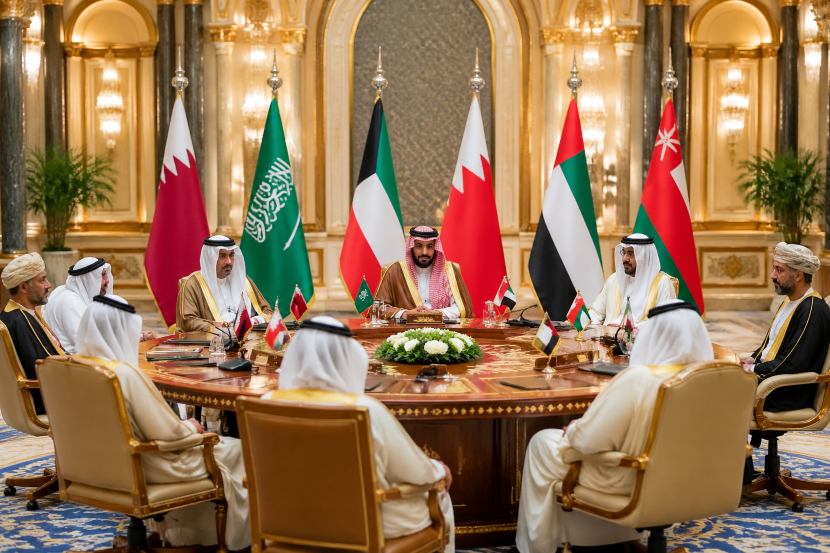 Image generated with Ai
The historic summit in Jeddah on April 28, 2026, was convened in response to the escalating regional tensions stemming from the U.S.-Iran conflict earlier in the year, with Qatar joining Saudi Arabia, Kuwait, Bahrain, the United Arab Emirates (UAE), and Oman in this high-stakes gathering to address growing security threats surrounding the Strait of Hormuz and the broader Gulf region. This crucial summit, marking the first in-person meeting of Gulf Cooperation Council (GCC) leaders since the conflict’s intensification, brought together the region’s most influential nations to discuss collective strategies for securing their vital maritime routes and addressing regional defense concerns. The summit also had significant implications beyond politics, with its outcomes reverberating through global energy markets and local travel logistics. Amid heightened security, Jeddah saw disruptions in flight schedules, travel routes, and road access, as the Gulf leaders coordinated efforts to ensure both regional stability and continued energy flow through the Strait of Hormuz, a critical chokepoint for global oil shipments. This meeting underscored the GCC’s unity in the face of geopolitical uncertainty, with the summit’s decisions shaping the future of Gulf cooperation and global energy security.
Qatar’s Critical Role: A Bridge for Diplomatic Stability
As one of the most prominent members of the GCC, Qatar played an instrumental role in shaping the outcome of the summit. Emir Sheikh Tamim bin Hamad Al Thani, who arrived in Jeddah in the afternoon, joined the high-level meeting to bring Qatar’s voice into the discussion. Although Qatar’s foreign policy has sometimes diverged from that of its neighbors, its strategic alignment with the GCC in matters of security and economic stability has remained steadfast.
Advertisement
Advertisement
Qatar’s engagement at this critical juncture highlights its commitment to maintaining peace and stability in the region. With the U.S.-Iran conflict continuing to create instability across the Gulf, Qatar’s diplomatic efforts, including its support for peaceful dialogue and mediation, were vital to the success of the summit. Qatar has long positioned itself as a mediator between conflicting parties, and its proactive involvement in the discussions surrounding maritime security and energy policy added weight to the summit’s outcomes. Qatar’s leadership underscored the importance of ensuring that the Strait of Hormuz remains a safe passage for energy shipments, which are crucial for the global economy.
Saudi Arabia: The Host and Regional Power Broker
Saudi Arabia, as both the host of the summit and the chair of the GCC, carried significant responsibility in guiding the discussions. Crown Prince Mohammed bin Salman (MBS) opened the summit by emphasizing the importance of a coordinated response to the region’s security challenges. As the largest military and economic power in the Gulf, Saudi Arabia’s position was central to the summit’s discussions on protecting the region’s maritime routes and ensuring the continued flow of global energy supplies through the Strait of Hormuz.
Advertisement
Advertisement
Saudi Arabia’s strategic priorities at the summit included securing its national interests and bolstering collective Gulf defenses against any external threats. As the world’s leading oil exporter, the Kingdom has a vested interest in safeguarding its energy infrastructure, which has been a target during past regional hostilities. MBS made it clear that the security of the Gulf’s maritime lanes, particularly those passing through the Strait of Hormuz, is not just a regional concern but a global priority. Saudi Arabia’s support for a cooperative defense framework among GCC states reflected its desire to establish stronger military ties within the region to counter any future threats effectively.
At the same time, Saudi Arabia’s role in mediating between the U.S. and Iran continued to be central to its foreign policy. In the wake of the April 8 ceasefire agreement between the U.S. and Iran, Saudi Arabia’s diplomatic efforts were seen as pivotal in ensuring that the fragile peace continues and does not devolve into further conflict.
Advertisement
Advertisement
Kuwait: A Strategic Partner in Regional Diplomacy
Kuwait, represented by Crown Prince Sheikh Sabah Khaled Al-Hamad Al-Sabah, has long been recognized for its neutral foreign policy and its emphasis on diplomacy and dialogue. This approach has been particularly important in the context of the U.S.-Iran tensions, where Kuwait has sought to act as a mediator between the various parties. The Kuwaiti delegation’s participation in the summit was crucial in reinforcing the need for regional cooperation and finding peaceful solutions to ongoing conflicts.
Kuwait’s position on maritime security was aligned with that of its GCC counterparts. The country, which has significant oil infrastructure in the Gulf, has been a strong proponent of keeping critical shipping lanes open and secure. Kuwait’s diplomatic efforts have focused on de-escalation, and its leadership reiterated that regional stability can only be achieved through coordinated, collective action.
Advertisement
Advertisement
Kuwait also addressed the importance of economic resilience in the wake of the ongoing geopolitical instability. Kuwait’s oil sector, like its neighbors, has been impacted by regional hostilities, and the summit allowed the leadership to discuss how to protect their national interests while ensuring global energy supplies remain uninterrupted.
Bahrain: Strengthening Security and International Alliances
As the host of the UN Security Council presidency for April 2026, Bahrain had a critical role to play in the summit, particularly in the context of international alliances. King Hamad bin Isa Al Khalifa led Bahrain’s delegation and focused on enhancing the region’s collective security in light of the continued U.S.-Iran conflict and the broader implications for global oil markets.
Bahrain’s contributions to the summit were centered around regional defense cooperation, emphasizing the need for a unified Gulf response to any external threats. Bahrain also advocated for increased international engagement on maritime security, noting that the free flow of energy through the Gulf is of strategic importance to both regional and global economies. The summit allowed Bahrain to reinforce its strong alliances within the GCC, as well as with its key international partners, including the United States and the European Union.
UAE: A Surprising Exit and Strategic Shifts
The announcement by the United Arab Emirates (UAE) to exit OPEC+ on the same day as the summit shocked many observers. The UAE, represented by Foreign Minister Sheikh Abdullah bin Zayed Al Nahyan, was a key player in discussions about the future of global energy policy and the GCC’s role within it. The UAE’s departure from OPEC+ signals a significant shift in the country’s approach to energy production and market management. While this move was seen as a potential disruption to the OPEC+ alliance, the UAE’s leadership maintained that the decision was in the best interest of the country’s long-term economic goals.
Advertisement
Advertisement
At the summit, the UAE emphasized that despite its exit from OPEC+, its commitment to GCC unity remained unchanged. The UAE’s energy strategy going forward would focus on increasing production flexibility and enhancing its oil export capabilities outside of the OPEC framework. The summit served as a platform for discussing the implications of this decision, particularly with regard to the GCC’s collective energy policies.
Additionally, the UAE’s leadership discussed the importance of regional cooperation in the face of global economic uncertainty. The UAE’s role as a financial and trade hub in the Middle East means that it has a vested interest in ensuring that the region remains stable and economically competitive.
Oman: A Quiet Diplomat with a Key Role
Oman, often described as a neutral and conciliatory voice in Gulf politics, played a crucial role in the summit. Represented by a high-level delegation of royals and ministers, Oman’s leadership reiterated its long-standing commitment to peaceful diplomacy and dialogue. Oman’s unique position as a quiet diplomat in the region has allowed it to engage with all parties without the pressure of taking sides.
At the summit, Oman’s representatives emphasized the importance of maintaining open lines of communication with external powers, particularly Iran, and underscored the need for multilateral engagement to resolve regional tensions. Oman’s contributions were vital in keeping the discussions balanced and focused on conflict prevention and peace-building.
Key Summit Outcomes: Maritime Security, Energy, and Ceasefire Mediation
The summit’s core agenda revolved around several critical issues, with maritime security being a top priority.
1. Maritime Security and the Strait of Hormuz
The Strait of Hormuz remains one of the world’s most strategically important waterways, and the Gulf nations, particularly Saudi Arabia and Qatar, focused heavily on safeguarding this critical passage. The summit agreed on a collective defense strategy to protect the region’s vital shipping lanes, ensuring that the free flow of energy through the strait is not disrupted. This decision could mark the beginning of enhanced Gulf naval cooperation.
Advertisement
Advertisement
2. Energy Policy and OPEC+ Exit
The UAE’s unexpected exit from OPEC+ was a significant development at the summit. The move prompted discussions about the future of the GCC’s energy policies and the need for a more flexible approach to global oil markets. Leaders debated the potential impact of this decision on the GCC’s standing within OPEC and whether adjustments were needed to ensure the region’s continued influence in global energy markets.
3. Infrastructure Resilience and Collective Defense
The GCC also discussed the importance of protecting critical infrastructure, particularly oil facilities and civilian assets, which have been targets in recent conflicts. The leaders agreed to enhance regional defense mechanisms to safeguard these assets and to improve infrastructure resilience across the Gulf states.
4. Mediation Efforts and Ceasefire Status
The U.S.-Iran ceasefire was a central issue, with the leaders of the GCC reiterating their support for peace and stability in the region. While the ceasefire has held since April 8, the summit leaders discussed ongoing mediation efforts and the potential for long-term peace agreements to prevent further escalations.
Travel and Airport Disruptions in Jeddah
The summit, while primarily focused on diplomacy, had significant impacts on travel in Jeddah. The following updates were provided for travelers:
1. King Abdulaziz International Airport (KAIA)
- Rolling Delays: Passengers should expect delays as airspace is cleared for diplomatic flights.
- Terminal Congestion: Security measures around the Royal Terminal caused delays in passenger processing.
- Rerouted Flights: Regional flights from Kuwait, Dubai, and Doha have experienced minor delays or gate changes.
2. Local Transport Disruptions
- Road Closures: Major thoroughfares in Jeddah were intermittently closed to facilitate the secure movement of delegations.
- Security Checkpoints: Increased police presence around key summit locations led to slower processing for local travelers.
3. Regional Airspace
- Partial Flight Resumption: While many flights have resumed, some routes remain on partial schedules, with airlines continuing to adjust based on diplomatic activity in the region.
Qatar joins Saudi Arabia, Kuwait, Bahrain, UAE, and Oman in a historic summit in Jeddah to address escalating regional tensions, secure maritime routes, and implement travel security measures. This gathering aimed to unite Gulf nations in response to the U.S.-Iran conflict, ensuring regional stability and smooth energy flow.
Final Thoughts: A Unified Gulf in a Time of Crisis
The GCC Consultative Summit in Jeddah brought together six of the Gulf’s most influential nations, each facing its unique challenges in the wake of the U.S.-Iran conflict. Despite differences in policy, the summit reinforced the importance of regional cooperation and diplomatic unity. The collective commitment to securing maritime routes, protecting vital infrastructure, and addressing economic shifts—coupled with the UAE’s OPEC+ exit—demonstrated that the Gulf states remain agile in responding to the shifting tides of regional politics.
As the summit concluded, it became clear that the unity displayed at this meeting will be essential in navigating the complex geopolitical landscape and ensuring that the Gulf region remains secure, resilient, and economically competitive.
Advertisement
