
Montana Pawprint Economy Travel Across Yellowstone And Bozeman Unleashes The Ultimate Wild Frontier For Four-Legged Explorers

Published
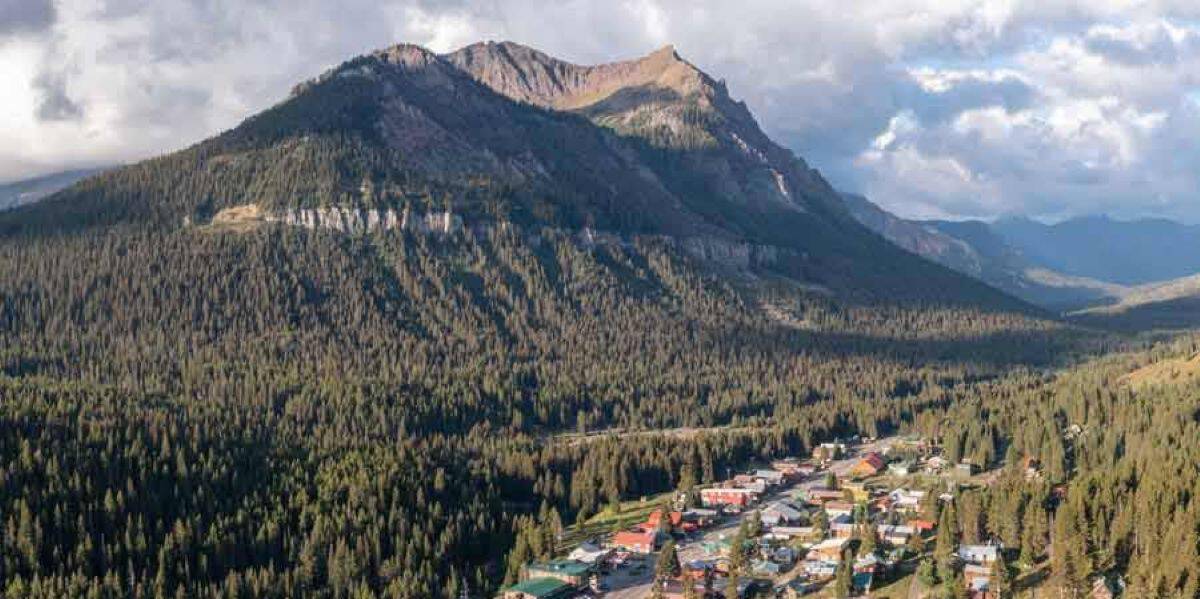
Image Credit visityellowstonecountry
There’s nothing like the joy of your dog discovering mountain pine for the first time on a hike. You know they want to run and roll in it, but they restrain themselves because they don’t want to leave your side. They show their appreciation by happily thumping their tail. For a long time, you weren’t able to bring your dog on family trips because the sad goodbyes to leave them at costly, embarrassing kennels broke all of our hearts, and sometimes we couldn’t bring them at all. Thankfully, we can bring them now! It’s so much fun to take your adventuring buddy and your best pal to new places in Montana and watch them enjoy the views and give you cuddles. Nothing compares to the feeling of exploring Montana with your best pal. You get to experience new things together and bring out your inner explorer.
Advertisement
Advertisement
How Do Luxury Resorts And Cozy Gateway Lodges Seamlessly Welcome Four-Legged Explorers Across Montana?
Finding suitable accommodation forms the critical foundation of any memorable getaway into the vast American West. Across primary destination hubs like Bozeman, Big Sky, and Whitefish, forward-thinking hoteliers have fundamentally upgraded their operational models to cater to pet owners. Iconic properties including Element Bozeman, The Lark Hotel, and Sage Lodge deliver exceptional amenities ranging from plush dog beds to tailored welcome kits. However, travelers must closely evaluate weight restrictions, non-refundable deposit schedules, and night fees before completing bookings.
Advertisement
Advertisement
Beyond upscale hotel options, short-term vacation rentals managed by regional operators offer spacious living quarters explicitly suited for multi-pet families. These residential properties enforce strict guidelines regarding unattended animals and supplemental cleaning fees to preserve home conditions for future visitors. Strategic gateway destinations such as Gardiner and West Yellowstone experience incredible lodging demand because strict boundaries limit pets within adjacent federal preserves. This dynamic lodging ecosystem ensures every traveler finds a comfortable haven after exploring rugged frontier landscapes.
What Are The Essential Rules For Navigating Public Transit And Private Vehicles Throughout Montana?
Advertisement
Advertisement
Traversing vast geographic distances alongside a domestic animal requires comprehensive planning and reliable safety protocols. Because public transit networks catering to pets remain limited outside of localized city rideshares, private automobiles serve as the essential primary transit method. Expert guidelines published by regional veterinary medical associations urge drivers to secure animals using crash-tested harnesses or sturdily anchored travel crates. Furthermore, motorists must never transport animals inside open truck beds or leave them unattended inside sealed passenger cabins due to severe temperature hazards.
When arriving via commercial air travel, major transit hubs like Bozeman Yellowstone International Airport and Missoula Montana Airport mandate strict adherence to federal carrier rules and terminal leash policies. For specialized sightseeing excursions, resourceful visitors frequently hire local transport providers such as Whitefish Tours & Shuttle to move between urban hotels and remote backcountry trailheads safely. These specialized regional shuttle services solve major transportation hurdles for pet owners exploring remote regions. Ultimately, combining reliable private transit with vigilant health practices ensures stress-free movement across breathtaking scenic corridors.
Advertisement
Advertisement
Why Must Travelers Navigate A Striking Contrast Between Protected National Parks And Open Public Lands In Montana?
Exploring the natural wilderness requires clear knowledge regarding where domesticated animals can legally and safely travel. Renowned destinations like Yellowstone National Park and Glacier National Park enforce strict environmental regulations to safeguard fragile ecosystems, preserve delicate thermal structures, and protect native wildlife. Consequently, pets are strictly limited to paved roadways, parking lots, and established campgrounds within a strict 100-foot limit, remaining entirely barred from backcountry hiking trails. These stringent boundaries shield pets from dangerous encounters with native predators like grizzly bears and bison.
In stark contrast, the surrounding public lands managed by federal agencies provide an boundless recreation ground for adventurous dogs and their human companions. Sprawling trail networks in Custer Gallatin National Forest and Flathead National Forest warmly welcome leashed dogs across picturesque destinations like Hyalite Reservoir. Additionally, state-managed parks permit pets provided owners adhere strictly to an eight-foot maximum leash length requirement and clean up all waste. Meanwhile, progressive urban communities feature exceptional public infrastructure, including dedicated off-leash havens like Snowfill and Gallatin County Regional Park in Bozeman.
How Do State Health Codes And Veterinary Mandates Shape The Modern Montana Pawprint Economy?
Advertisement
Advertisement
Balancing public sanitation standards with booming pet-centric travel requires strict adherence to state administrative codes and veterinary health regulations. Under standard public health rules enforced by the Montana Department of Public Health and Human Services, live animals are prohibited inside commercial kitchen spaces and indoor dining rooms. However, innovative restaurants and craft breweries successfully navigate these restrictions by constructing expansive outdoor patio spaces and dedicated side entrances. This operational approach allows patrons to dine alongside their leashed animals while maintaining compliance with state sanitary standards.
From a preventive health standpoint, official veterinary mandates require visiting pets to possess updated core vaccinations, including a valid rabies certificate, and permanent microchip identification. Because natural wilderness environments harbour active insect vectors and tick populations, active parasite control remains essential for visiting animals. Adhering strictly to these entry rules and medical guidelines protects local wildlife while keeping domestic pets safe throughout their journey. Ultimately, this strong regulatory foundation solidifies the state’s reputation as a world-class destination for conscientious animal lovers.
What Is The True Economic And Cultural Impact Of Pet-Inclusive Tourism On Local Communities?
The rapid expansion of pet-inclusive travel has profoundly boosted local economies across rural gateway towns throughout the region. By welcoming pet owners, small mountain communities tap into a highly engaged travel demographic that invests generously in lodging, dining, and outdoor equipment. Boutique hotels, independent pet supply outfitters, and local dining spots experience substantial revenue increases as visitors purchase specialized services and premium amenities. This consistent financial influx supports year-round employment opportunities and builds long-term economic resilience in towns that previously suffered severe seasonal slumps.
Beyond pure economic value, this travel trend fosters a deep, community-wide commitment to sustainable outdoor recreation and animal welfare. Municipalities increasingly invest in dedicated pet infrastructure, including well-maintained off-leash parks, waste stations, and dog-friendly trail networks. Local educational campaigns encourage visiting pet owners to practice leave-no-trace principles, respect livestock boundaries, and safely handle wildlife interactions. This collective cultural shift enhances the quality of life for residents while ensuring the region remains a welcoming destination for generations of travelers to come.
How Does The Multi-Billion-Dollar Non-Resident Visitor Economy Fuel Local Businesses And Infrastructure Across Montana?
Advertisement
Advertisement
Montana regularly welcomes over 12.5 million non-resident visitors annually, generating upwards of $5.45 billion in direct visitor spending. Within this broader economic framework, pet-inclusive travelers represent an exceptionally high-yield demographic for local communities. These visitors spend an estimated 30% more per trip on specialized accommodations, professional pet services, and local retail than traditional tourists.
This robust capital injection plays a pivotal role in stabilizing the state’s employment market and expanding public infrastructure. The overall non-resident visitor economy actively supports over 66,550 jobs statewide while delivering essential state and local tax revenue. By catering directly to traveling animal companions, regional businesses unlock higher daily expenditures and build resilient commercial corridors across both rural and urban sectors.
In What Ways Do Thriving Tourism Ecosystems And Traveling Animal Owners Lower Annual Tax Burdens For Permanent Montana Residents?
The sheer volume of non-resident tourism revenue in the state generates approximately $414 million in state and local tax proceeds every year. According to official economic impact reports, this substantial tax influx directly offsets municipal operational costs and public works projects that would otherwise fall on local property owners.
This significant contribution results in an average tax savings of $930 per Montana household annually. Out-of-state consumer contributions effectively shoulder the financial responsibility for maintaining public roads, emergency services, and community infrastructure. As high-spending pet owners continue to frequent local establishments, their financial presence directly delivers tangible long-term tax relief for permanent residents.
What Market Growth Projections And Consumer Trends Drive The Expansion Of North American Pet-Inclusive Travel Infrastructure?
Advertisement
Advertisement
On a macro level, the global pet travel services market is expanding at a rapid pace. Currently valued at approximately $2.8 billion, the sector is moving toward a $4.0 billion valuation driven by a projected compound annual growth rate of 8.9%. North America dominates this global sector, capturing between 40% and 42% of the overall market share.
This monumental growth is heavily propelled by changing consumer expectations surrounding household pets. Recent industry data reveals that nearly 78% of pet-owning consumers now actively prioritize pet-inclusive amenities when selecting accommodations and planning holiday itineraries. Hospitality brands across the continent are rapidly upgrading their properties to capture this highly lucrative, loyal, and expanding market segment.
Why Do High-Volume Protected Areas Like Glacier National Park And Yellowstone Require Strict Animal Management Thresholds?
Iconic federal reserves manage immense annual visitor density, with Glacier National Park routinely drawing over 3 million recreational visitors each year. To preserve delicate natural resources and ensure visitor safety, national park management enforces exceptionally strict boundaries regarding domestic animals. Pets are restricted entirely to paved zones, roadways, and designated campgrounds within a strict 100-foot distance from vehicles.
These strict conservation protocols successfully mitigate negative ecological overlap between domestic pets and fragile wilderness ecosystems. Restricting pet access prevents territorial disruption and shields domestic animals from dangerous wildlife encounters with native apex species like grizzly bears, bison, and elk herds. By maintaining these boundaries, park administrators preserve pristine natural habitats while accommodating high visitor volumes.
How Do Small Mountain Gateway Communities Leverage Pet Tourism To Sustain Year-Round Economic Viability Beyond Peak Summer Months?
Advertisement
Advertisement
Rural gateway communities like Gardiner, West Yellowstone, and Red Lodge rely heavily on tourism as their primary economic lifeline. Accommodations that cater specifically to pet owners experience an average 15% higher length-of-stay metric compared to standard lodging bookings. Because travelers accompanied by pets typically travel via personal motor vehicles, they tend to engage in slower-paced, extended regional itineraries.
This extended duration of stay directly stabilizes local economies during off-peak shoulder seasons. Independent motels, wilderness guides, and small-town retailers benefit from steady, year-round consumer spending rather than relying solely on brief summer rushes. Embracing pet-inclusive tourism enables these small mountain towns to build resilient local economies that support permanent community infrastructure year after year.
What Essential Health Mandates And Vaccination Benchmarks Govern The Safe Integration Of Traveling Pets Into Commercial Hospitality Sectors?
Operating under strict administrative codes enforced by the Montana Department of Public Health and Human Services, commercial food service operations strictly prohibit live animals in indoor dining areas. However, compliant patio-service venues successfully accommodate pet owners while enforcing mandatory health benchmarks, including valid rabies vaccinations and active parasite protection.
Because rugged outdoor environments present distinct biological risks, regional veterinary clinics report a 20% seasonal surge in preventative treatments for ticks and vector-borne illnesses among visiting animals. Veterinary authorities strongly advise pet owners to maintain comprehensive medical records and microchip identification prior to departure. Adhering to these strict health protocols safeguards local domestic populations and wild animals alike.
What Specific Urban Investments Have Cities Like Bozeman Made To Accommodate Expanding Canine Population Demographics And Park Usage?
Advertisement
Advertisement
Urban centers across the state have responded to expanding pet ownership by scaling dedicated municipal infrastructure. High-capacity facilities like the Gallatin County Regional Park and the expansive Snowfill Dog Park in Bozeman highlight this proactive urban planning. These specialized municipal zones absorb thousands of weekly canine visits, providing safe off-leash exercise corridors for both residents and visitors.
Investing in designated off-leash recreation spaces protects surrounding natural habitats and reduces environmental wear-and-tear on fragile downtown green spaces. These municipal zones feature dedicated waste disposal stations, secure fencing, and accessible walking trails tailored for active use. By proactively managing public space, growing cities maintain high civic cleanliness standards while warmly welcoming four-legged travelers.
How Do Regional Transportation Hubs And Specialized Private Shuttles Bridge Mobility Gaps For Travelers Arriving Without Personal Vehicles?
Major arrival gateways such as Bozeman Yellowstone International Airport handle millions of passenger movements annually under standard commercial carrier transit regulations. While air terminals accommodate pets in specialized carriers, navigating onward ground transport to remote mountain destinations often presents logistical challenges for arriving visitors.
To bridge the mobility gap where traditional public transit is unavailable, specialized private transport outfitters report a 25% year-over-year surge in requests for custom pet-inclusive private charters and regional shuttle solutions. Companies like Whitefish Tours & Shuttle offer direct transport from major airports straight to remote trailheads and mountain lodges. These specialized private transit options ensure seamless, stress-free mobility for non-motorized travelers exploring vast regional corridors.
The Final Verdict
Advertisement
Advertisement
It takes a lot of work to create an itinerary for a trip, but the reward of starting a campfire after a long hike is worth it. You deserve to relax, as does your pup. Take some deep breaths and enjoy the fact that you no longer have to think about work, or other stressful things from your daily grind. Camping is a great escape to reset your mind and body. Wild Country will show you how to slow down and travel the less taken paths. You will learn to find joy in the little things and you will learn to appreciate the simplicity in life. Camping teaches you to appreciate the beauty of nature and life. Your pup is your best companion and your best friend on this adventure. The most important lesson you learn from traveling is to appreciate the little things and the best things in life and travel are experienced with a friend.
Frequently Asked Questions
Are pets allowed on hiking trails inside Glacier National Park or Yellowstone National Park?
No, pets are strictly prohibited on all backcountry trails, boardwalks, and thermal areas within both national parks. They are only allowed on paved surfaces, roads, and designated campgrounds within 100 feet of vehicles.
What vaccinations are legally required for pets entering Montana?
Visiting dogs and cats must have up-to-date core vaccinations, specifically including a valid rabies vaccination certificate signed by a licensed veterinarian.
Advertisement
Advertisement
Can dogs sit inside restaurants or craft breweries in Montana?
State health codes prohibit live animals inside indoor food preparation and dining areas. However, many restaurants and breweries welcome leashed pets on outdoor patios.
What is the maximum leash length required in state parks?
Pets visiting state parks and managed public lands must remain secured on a leash no longer than eight feet at all times.
Advertisement
