
Saudi Arabia Leads Middle East Hotel Boom With $90 Billion Investment and 110,000 New Rooms Planned

Updated
Published
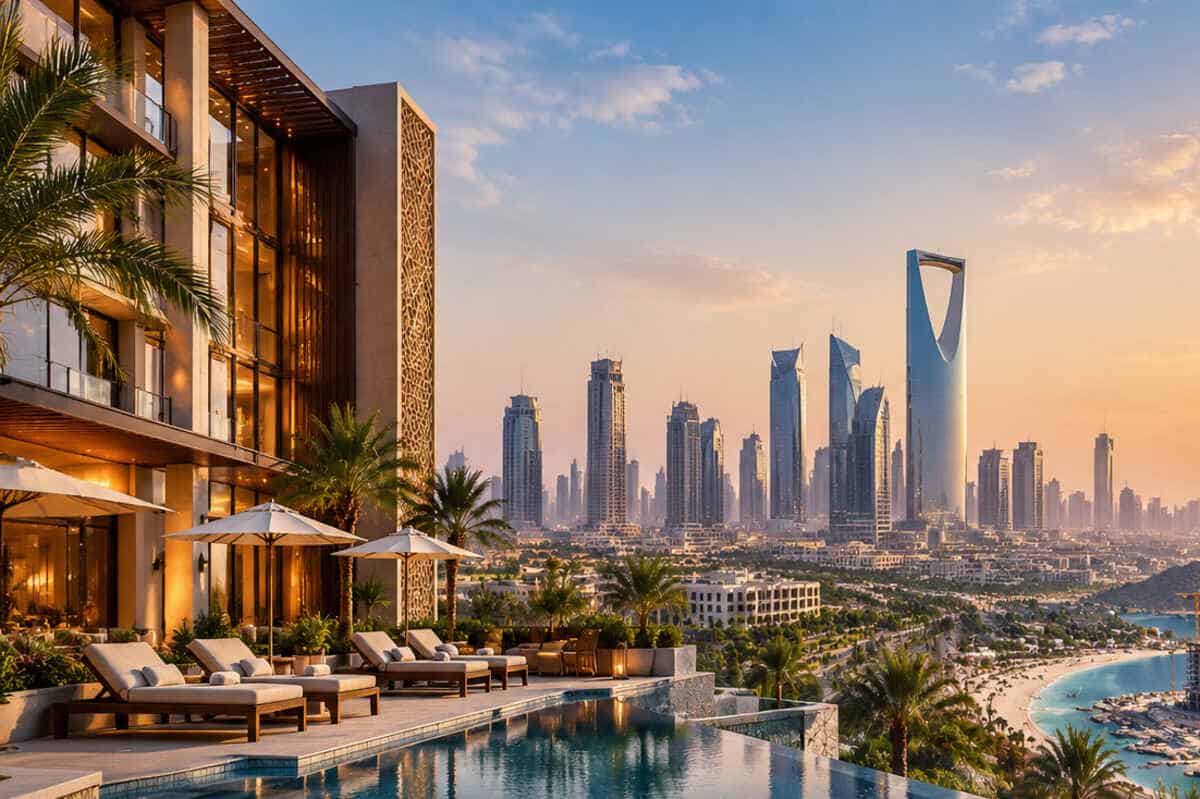
Currently, the focus of the hospitality industry in the GCC and North Africa is on Saudi Arabia. $90 billion worth of hotel projects are expected in the region. This is forecast to increase the number of hotel rooms by 200,000 (approximately 27% of current total supply).
The Kingdom is leading this expansion with approximately 110,000 hotel rooms in its development pipeline, accounting for nearly half of all upcoming supply in the region. The rapid growth reflects Saudi Arabia’s wider tourism ambitions, supported by large-scale destination projects, religious tourism expansion, luxury resort development and new international visitor attractions.
Advertisement
Advertisement
According to hospitality consultancy HVS, hotel projects are advancing across several key Saudi destinations, including Riyadh, Makkah, Madinah, Diriyah, NEOM, the Red Sea and AMAALA. These developments are reshaping the Kingdom’s hospitality landscape by introducing new luxury resorts, international hotel brands, branded residences and accommodation options for different traveller segments.
Across the wider GCC and North Africa region, approximately 88,000 hotel rooms are already under construction, while another 25,000 rooms have reached the final planning stages. More than half of the total pipeline is expected to be completed between now and 2030, creating one of the largest hospitality expansions in the region’s history.
Advertisement
Advertisement
Saudi Arabia Becomes The Main Force Behind Middle East Hospitality Growth
Saudi Arabia’s hotel development pipeline is significantly larger than other regional markets, driven by its ambition to become a major global tourism destination. The Kingdom’s planned 110,000 rooms include a diverse range of projects, from hotels supporting pilgrimage travel in Makkah and Madinah to high-end coastal resorts and large-scale urban developments.
The expansion is closely linked with the country’s tourism growth strategy, which aims to attract more international visitors while strengthening domestic travel experiences. Major projects are introducing new hospitality zones that combine hotels, entertainment, retail, cultural attractions and residential communities.
Advertisement
Advertisement
Riyadh is witnessing rapid growth as the city prepares for increased business, leisure and international event tourism. Meanwhile, developments in Diriyah are focused on heritage-led tourism, combining historical attractions with luxury hospitality experiences.
The Red Sea and AMAALA projects are also expected to strengthen Saudi Arabia’s position in luxury tourism. These destinations are being developed around nature, sustainability and premium resort experiences, targeting travellers seeking exclusive coastal escapes.
Egypt represents the second-largest hotel development market in the region, with around 42,000 rooms planned across major tourism areas. New accommodation projects are being developed in Cairo, the North Coast, the Red Sea region and emerging mixed-use destinations.
The UAE follows as another major contributor to regional hospitality growth. Although it already has one of the most developed hotel markets in the world, new projects continue across Dubai, Abu Dhabi and Ras Al Khaimah. Developments such as Wynn Al Marjan Island are expected to add further capacity and strengthen the country’s international tourism appeal.
Nearly 200,000 Hotel Rooms Will Transform Regional Tourism Capacity
The upcoming hotel supply will not enter the market at once. Developers are following phased construction and opening strategies to match demand growth and reduce investment risks.
Around 44 per cent of the total 200,000-room pipeline is currently under construction. The remaining projects are expected to open gradually through 2030 and into the following years, depending on location, construction progress and market conditions.
Advertisement
Advertisement
Saudi Arabia’s mega tourism developments are designed as long-term projects and will continue expanding beyond the current decade. Many destinations are being built in stages, allowing infrastructure, attractions and hospitality facilities to develop together.
The UAE’s pipeline is expected to move at a faster pace, with a significant number of upcoming rooms scheduled to become operational between 2028 and 2030. This reflects continued confidence in the country’s position as a global tourism and business hub.
Egypt’s hotel expansion is spread across several destinations, with projects progressing in major tourism zones such as Cairo, the North Coast and Red Sea coastal areas. The country is focusing on increasing accommodation capacity while attracting more international travellers.
Luxury and upper-upscale hotels remain the dominant segment within the regional pipeline. However, demand for upper-midscale accommodation is also increasing, particularly in markets where tourism growth is expanding beyond traditional luxury travellers.
Saudi Arabia is seeing stronger growth from internationally recognised mid-market brands, including Hampton by Hilton, Holiday Inn Express, Fairfield by Marriott and ibis. These brands are helping create a wider range of accommodation choices for business travellers, families and value-focused tourists.
Hospitality Investment Strategies Shift Toward Mixed-Use Developments
The region’s hotel boom is also changing how hospitality projects are financed and structured. Investors are increasingly moving towards mixed-use developments that combine hotels, residential units, retail spaces and entertainment facilities.
Advertisement
Advertisement
Branded residences have become a growing part of new projects, allowing developers to create additional revenue streams while offering buyers access to global hospitality brands. This approach is becoming increasingly common across luxury destinations in the Gulf.
Large developments are also being delivered through phased investment models. This allows developers to manage costs, adjust plans based on market demand and improve long-term financial performance.
The hospitality sector is also moving beyond traditional financing methods based mainly on developer funding and bank loans. New models involving government-backed investment organisations and public-private partnerships are playing a larger role, particularly in Saudi Arabia.
The Kingdom’s major destination projects are supported by strategic investment structures designed to accelerate tourism infrastructure development. Across the wider region, developers are increasingly combining hospitality with residential and commercial components to create integrated destinations.
This shift indicates a broader change in the regional tourism economy. Hotel development is no longer focused only on increasing room numbers. Instead, projects are being designed around complete visitor experiences, including attractions, lifestyle facilities and long-term destination value.
GCC And North Africa Prepare For A New Tourism Era
The $90 billion hospitality pipeline highlights the growing importance of tourism as an economic driver across the GCC and North Africa. Governments and private investors are expanding infrastructure to attract more international visitors and support future travel demand.
Advertisement
Advertisement
Saudi Arabia’s leadership in hotel development reflects its rapid transformation from a primarily religious and business tourism market into a diversified global destination. With new resorts, cultural districts and entertainment destinations under development, the Kingdom is building a broader tourism ecosystem.
The wider region is also strengthening its competitive position by expanding accommodation choices and developing new visitor experiences. From luxury coastal resorts to urban hotels and heritage destinations, the upcoming projects are expected to reshape travel patterns across the Middle East and North Africa.
The latest hospitality figures were released ahead of FHS World 2026, scheduled to take place at Madinat Jumeirah in Dubai from September 29 to October 1. The event is expected to bring together global hospitality leaders, investors and developers to discuss the future direction of the industry.
As construction continues, the region’s hotel landscape is set for a major transformation, with hundreds of thousands of new rooms supporting a new phase of tourism growth.
Advertisement
