
Turkey Moves Alongside Russia and More to Face Montenegro Visa Rules as EU Reforms Impact Travel

Published
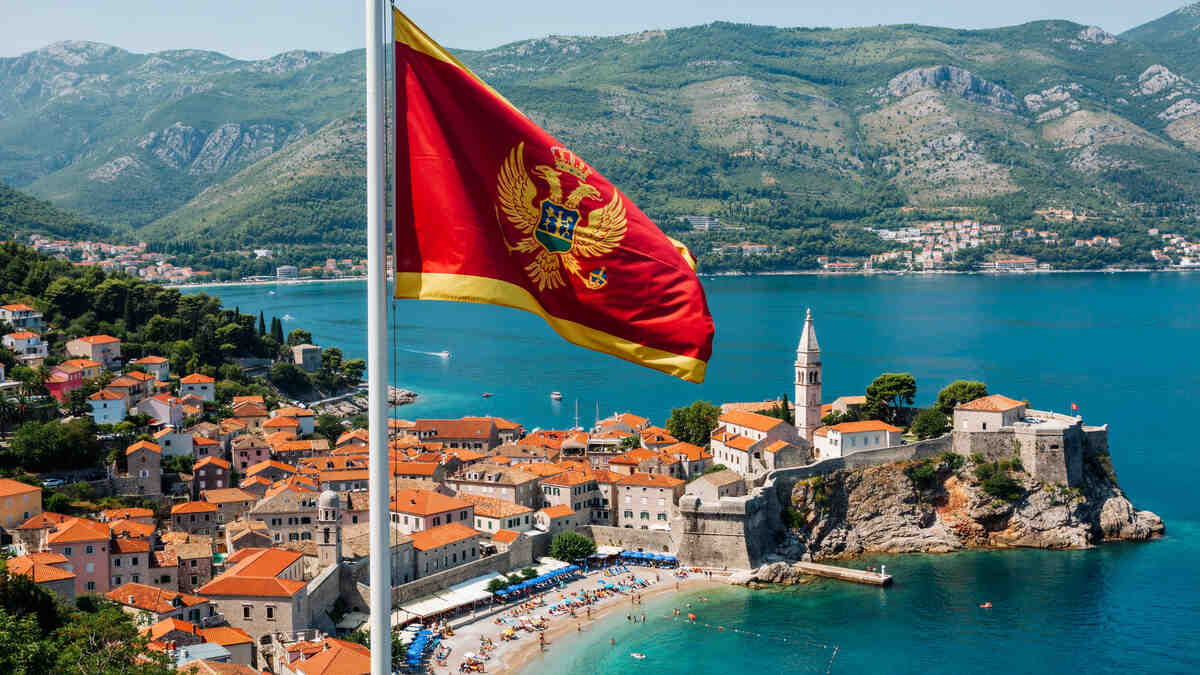
Montenegro tightens visa rules for Turkey, Russia and more from November 2026, announces. The country is set to introduce a significant change in its international travel policy as new visa rules for Russia, Belarus, Turkey, China and Saudi Arabia are scheduled to enter into force from November 1, 2026, announces Montenegro. The reform is aimed at bringing its visa system closer to the European Union while introducing new requirements for some foreign visitors and maintaining exemptions for certain travellers who have international visas and residence permits.
The upcoming changes are expected to influence tourism flows, private accommodation demand, foreign investment, labour mobility and relocation trends. Montenegro has become an increasingly popular destination among international visitors, property buyers and foreign workers, making the visa adjustment an important development for the country’s travel sector.
Montenegro Introduces New Visa Rules Under EU Alignment Strategy
From November 1, 2026, citizens of Russia, Belarus and Turkey holding ordinary passports will no longer be able to enter Montenegro under the previous visa-free arrangement. A Montenegrin visa will be required before travel unless travellers qualify for an exemption.
Until October 31, 2026, citizens from these countries will continue to benefit from visa-free access, allowing stays of up to 30 days.
Advertisement
Advertisement
The reform is part of Montenegro’s broader effort to align its visa policy with EU regulations as the country continues its European integration process. Full alignment of migration and border policies is considered an important requirement under the EU accession framework.
Key Visa Changes Starting November 2026
| Country | Current Access | New Rule From November 1, 2026 | Travel Impact |
|---|---|---|---|
| Russia | Visa-free entry for up to 30 days | Montenegrin visa required for ordinary passport holders | Could affect tourism, property visits and relocation plans |
| Belarus | Visa-free entry for up to 30 days | Montenegrin visa required for ordinary passport holders | May influence smaller visitor flows |
| Turkey | Visa-free entry for up to 30 days | Montenegrin visa required for ordinary passport holders | Could affect tourism and worker mobility |
| China | Previous visa arrangements changed | Visa requirement introduced | Impacts future visitor access |
| Saudi Arabia | Previous visa arrangements changed | Visa requirement introduced | Changes travel procedures |
However, several exemptions will remain available. Travellers from these countries holding a valid Schengen visa, United States visa, United Kingdom visa or Irish visa, or a suitable residence permit, will continue to be allowed to enter Montenegro without applying for a separate Montenegrin visa for stays of up to 30 days.
Advertisement
Advertisement
Foreign nationals who already possess a valid temporary residence permit, permanent residence permit, or temporary residence and work permit in Montenegro will also remain exempt from the new tourist visa requirement.
Tourism Sector Faces Potential Changes After Visa Reform
The tourism industry is expected to be one of the sectors most closely affected by Montenegro’s new travel rules. Foreign visitors from Russia and Turkey represent an important share of Montenegro’s international tourism market, particularly in the private accommodation sector.
In 2025, Russian visitors accounted for 16.4% of all foreign overnight stays in Montenegro, while Turkish visitors contributed 4.3%. Together, both markets represented a significant portion of visitor demand across hotels, apartments, villas and holiday rentals.
Foreign Tourism Contribution in Montenegro
| Market | Share of Foreign Overnight Stays (2025) | Private Accommodation Share |
|---|---|---|
| Russia | 16.4% | 22.1% |
| Turkey | 4.3% | 4.9% |
| Combined Impact | 20.7% | More than 25% of private accommodation demand |
The impact is expected to be more visible among new tourists, potential property buyers, renters and future residents rather than foreign nationals already legally living in Montenegro.
Tourism destinations including Budva, Bar, Tivat, Kotor and Herceg Novi could experience stronger effects because these areas rely heavily on foreign demand for accommodation, hospitality services, property transactions and seasonal travel.
Foreign Residents Receive Protection Under Existing Permits
Although new visa procedures will apply to future visitors, many existing foreign residents will not be affected because residence permits provide continued access.
Advertisement
Advertisement
By the end of 2025, thousands of Russian and Turkish citizens were already legally residing in Montenegro.
Foreign Resident Communities in Montenegro
| Nationality | Temporary or Permanent Residents |
|---|---|
| Russian citizens | 20,793 |
| Turkish citizens | 13,506 |
| Belarusian citizens | 738 permanent residents |
Russian and Turkish communities together represent around 5.5% of Montenegro’s total population, which stands at approximately 624,000 people.
The Belarusian community remains considerably smaller, with available census information recording 738 Belarusian citizens with permanent residence as of late October 2023.
The new visa system is therefore expected to have a stronger influence on future arrivals rather than individuals who have already established legal residence in the country.
Labour Mobility Could Face Additional Travel Procedures
Beyond tourism, Montenegro’s labour market could also experience changes because foreign workers from Turkey and Russia have become important contributors to several industries.
Construction, hospitality, tourism services and other sectors rely on international workers, particularly during periods of strong economic activity and seasonal demand.
Advertisement
Advertisement
Temporary Residence and Work Permits Issued in 2025
| Nationality | Temporary Residence and Work Permits |
|---|---|
| Turkey | 10,346 |
| Russia | 7,429 |
Turkey has become one of the largest sources of foreign labour in Montenegro. The introduction of additional visa procedures for new workers could increase administrative requirements before employment begins.
Businesses depending on foreign recruitment may need to consider longer processing timelines when bringing workers into the country.
Real Estate and Relocation Market May Experience New Challenges
Montenegro’s property market has attracted strong international interest, especially in coastal areas. Foreign buyers and long-term renters from Russia and Turkey have contributed to demand for apartments, villas and coastal properties.
The visa reform may influence people who are considering Montenegro as a second home destination, investment location or relocation option.
Potential buyers and renters who previously benefited from easier entry procedures may face additional steps before visiting properties, completing transactions or exploring relocation opportunities.
However, existing residents with valid residence permissions will continue to have access under current exemptions.
Advertisement
Advertisement
EU Integration Drives Montenegro’s Visa Transformation
The visa reform is directly connected to Montenegro’s progress towards closer alignment with the European Union.
The country is working to meet requirements related to Justice, Freedom and Security, including stronger coordination between visa policies and EU standards.
The implementation of these changes also supported Montenegro’s eligibility for approximately €4 million through the EU Growth Plan for the Western Balkans.
The adjustment represents part of a wider regional effort to harmonise travel policies with European frameworks.
What Travellers Need to Know Before Visiting Montenegro
Visitors planning trips to Montenegro after November 1, 2026, should review their entry requirements before travelling.
Travellers from affected countries should check whether they qualify for exemptions through existing international visas or residence permits.
Advertisement
Advertisement
Important Travel Considerations
- Ordinary passport holders from Russia, Belarus and Turkey will require a Montenegrin visa.
- Valid Schengen, UK, US and Irish visas may continue to provide visa-free entry eligibility.
- Existing Montenegro residence permit holders remain exempt from tourist visa requirements.
- Tourists should complete visa procedures before departure where required.
- Businesses hiring foreign workers may face additional administrative steps.
Montenegro’s New Visa Direction Could Reshape International Travel Patterns
Montenegro’s upcoming visa reform marks a significant change in how several major visitor markets will access the country. While the policy is designed around EU visa alignment, its effects are expected to extend across tourism, accommodation, labour mobility and international relocation.
The reform will impose new restrictions on the entry of ordinary passport holders, which will have a significant impact on tourism, immigration, and investment trends, as well as bring Montenegro’s visa policy closer to the EU standard.
Since the country is highly dependent on foreign visitors, immigrants, and investors, the reform’s effect on the tourism sector will be of particular interest to the local business community. Given the significant share of Russian and Turkish tourists in the overall number of visitors to Montenegro, the reform may have consequences for both domestic and international tourism, as well as align the country’s visa policy with that of the European Union.
Advertisement
