
Oceania Cruises Shockwave Launch 2028 & 2029 Voyages With Overnight City Stays, Hidden Ports and World Cruise Luxury Boom

Published
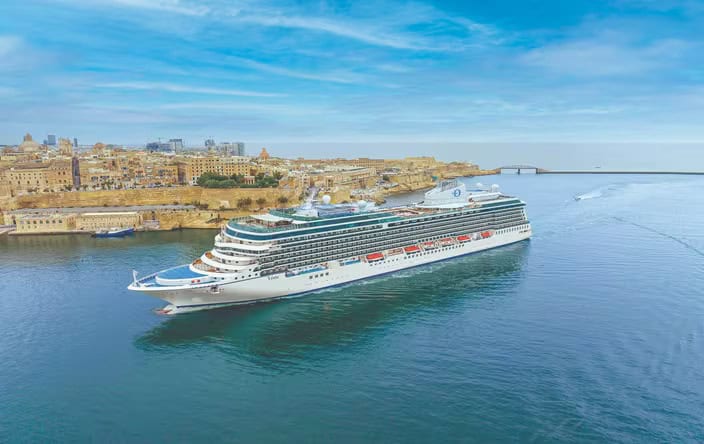
A major transformation in ultra-luxury cruising has been introduced with the unveiling of the new 2028 & 2029 voyage collection. The programme introduces more than 230 carefully curated itineraries across global waters, stretching from short seven-day escapes to extraordinary 180-day world journeys. The release opens bookings significantly earlier than standard cruise planning cycles, giving travellers and advisors extended flexibility to secure premium cabins and long-range holiday plans.
The collection reflects a growing demand for immersive sea travel, where time ashore is as valuable as time at sea. With more than 60 overnight port stays, the itineraries are designed to deepen cultural engagement in global cities and remote destinations. The strategy positions long-form cruising as a lifestyle experience rather than a seasonal holiday option, reinforcing luxury maritime tourism as a forward-planning global industry.
Advertisement
Advertisement
Extended Voyage Architecture Builds a New Era of Long-Duration Cruising
The structure of the new programme signals a shift toward extended voyage architecture, where journeys are no longer defined by short regional loops but by continent-spanning exploration. Sailings range from a single week to half-year global expeditions, allowing travellers to move seamlessly across multiple climatic zones, cultures and ocean routes within a single booking.
This approach reflects increasing interest in slow travel, where the journey itself becomes the destination. Longer itineraries also enable deeper regional immersion, with carefully timed port calls and overnight stays enhancing exploration. Cruise design now prioritises continuity, comfort and experiential depth, making long-haul sea travel a premium alternative to fragmented international tourism.
Advertisement
Advertisement
Iconic Global Cities Anchor a Network of Interconnected Ocean Routes
Major international hubs such as Tokyo, New York and Amsterdam serve as structural anchors for the voyage network. These cities act as transition points between vastly different regions, linking sun-soaked islands, Arctic coastlines and ancient civilisations into unified maritime pathways.
The itineraries extend into culturally rich destinations including the ruins of Ephesus, volcanic northern harbours in Iceland, and the remote coastal towns of Japan. Each route is carefully designed to combine global icons with lesser-known locations, creating a layered travel experience. This dual focus ensures both familiarity and discovery, appealing to travellers seeking depth beyond traditional tourist circuits.
Advertisement
Advertisement
Overnight Port Strategy Enhances Destination Immersion and Cultural Access
A defining feature of the 2028–2029 collection is the inclusion of more than 60 overnight stays across global ports. This strategy significantly increases onshore time, enabling travellers to experience destinations after peak tourist hours when cities transform into quieter, more authentic environments.
Extended stays in cities such as Copenhagen, Lisbon, Bangkok and Bali allow for deeper exploration of local cuisine, nightlife and cultural heritage. Smaller ports, including Seville and Malé, benefit from this format by offering rare overnight access that reveals a different rhythm of life. Late departures further enhance flexibility, ensuring travellers can experience destinations without time constraints typically associated with cruise tourism.
Asia-Pacific Itineraries Expand Access to Remote and Restricted Harbours
Asia-Pacific routes within the programme highlight a strong focus on Japan’s lesser-visited coastal towns, including Ishigaki, Miyazaki and Kagoshima. These destinations are rarely accessible to larger vessels, positioning smaller luxury ships as key gateways to exclusive maritime regions.
Beyond Japan, itineraries extend into Indonesia’s archipelago, Singapore’s urban harbour landscape and Thailand’s coastal regions. Overnight stays in Bangkok and regional explorations across Southeast Asia further enrich the offering. The integration of remote and high-demand ports creates a balanced itinerary structure, combining major tourism hubs with culturally preserved coastal communities across the Asia-Pacific corridor.
Alaska and Northern Routes Showcase Extreme Natural Landscapes and Wildlife Corridors
Alaska’s summer return features prominently, offering journeys through some of the world’s most dramatic natural environments. Icy Strait Point and surrounding wilderness regions provide opportunities for wildlife observation, glacier viewing and exploration of untouched coastal ecosystems.
Northern routes extend into Iceland, where volcanic terrain and rugged fjords shape the cruising experience. Harbours such as Húsavík add geological diversity to the programme, while Arctic light conditions create seasonal variation in travel experiences. These itineraries appeal to travellers seeking raw natural environments combined with the comfort of high-end maritime accommodation.
Advertisement
Advertisement
Mediterranean Winter Expansion Extends Tourism Beyond Traditional Peak Seasons
The Mediterranean programme has been expanded into winter months, offering more than 80 itineraries across Greece, Italy, Spain and Turkey. This seasonal extension challenges traditional cruise timing, which historically focused on summer peak demand.
Winter sailings introduce calmer seas, reduced congestion and cooler climates ideal for cultural exploration. Cities such as Athens, Rome and Barcelona remain accessible without high-season crowds, allowing deeper engagement with historical sites and local communities. This shift also supports regional tourism economies during off-peak months, creating a more balanced distribution of visitor flows across the year.
Caribbean, Panama Canal and Central American Routes Strengthen Regional Connectivity
Caribbean and Central American itineraries remain central to the programme, with round-trip departures from Miami providing convenient access to tropical regions. Journeys vary from short island-hopping experiences to extended crossings through the Panama Canal, linking the Atlantic and Pacific oceans.
Mexico and Central American coastal regions add further depth, combining beach destinations with cultural heritage sites. These routes maintain strong appeal for leisure-focused travellers while also offering educational and historical enrichment through canal transits and colonial port cities.
South Pacific and Australasian Voyages Highlight Remote Ocean Exploration
Australia and New Zealand voyages expand the geographical reach of the programme into the South Pacific. Scenic cruising through Milford Sound provides one of the most visually striking maritime experiences, while ports such as Sydney, Melbourne, Hobart and Auckland form key urban anchors.
These itineraries blend natural exploration with metropolitan experiences, offering travellers a balanced journey across remote landscapes and modern coastal cities. The integration of fjords, island systems and urban harbours creates a varied travel pattern across the southern hemisphere.
Advertisement
Advertisement
Canada and New England Routes Focus on Seasonal Landscapes and Heritage Ports
Autumn-themed voyages through Canada and New England highlight seasonal transformation as a core travel feature. Routes through the Bay of Fundy and the St. Lawrence River showcase dramatic foliage changes, historic maritime towns and coastal wilderness.
Ports including Halifax, Quebec City and Charlottetown provide access to colonial architecture and cultural heritage sites. Seasonal timing enhances visual appeal, positioning these itineraries as peak experiences for travellers seeking natural spectacle combined with historical exploration.
Transoceanic Crossings Redefine Ocean Travel as Destination Experience
Seven transoceanic crossings form part of the collection, repositioning voyages as meaningful journeys rather than simple transfers between regions. Routes such as Lisbon to Miami include strategic stops in Madeira, Tenerife and the Caribbean, transforming long-distance sailing into multi-destination exploration.
These crossings appeal to travellers seeking uninterrupted sea time combined with structured port discovery. They also offer a rare opportunity to experience global maritime movement at a slower, more reflective pace.
Luxury Value Framework Enhances Booking Confidence and Financial Flexibility
A structured value framework underpins the entire collection, offering flexibility and financial reassurance to travellers. Booking conditions allow adjustments if better offers become available, ensuring price protection and added value benefits.
Included amenities such as specialty dining, complimentary WiFi and pre-paid gratuities enhance the overall experience by reducing onboard transaction complexity. This model reinforces a shift toward all-inclusive luxury cruising, where cost transparency and service integration define customer expectations.
Advertisement
Advertisement
Future Cruise Planning Strategy Strengthens Long-Term Travel Behaviour
Early release of the 2028–2029 programme reflects a broader industry shift toward long-term travel planning. By opening bookings years in advance, the programme encourages extended itinerary design and multi-year travel planning.
This approach supports travellers seeking structured lifestyle experiences rather than spontaneous holiday bookings. It also enables better allocation of premium suites, world cruise segments and high-demand seasonal routes, reinforcing the exclusivity of long-duration luxury travel.
Conclusion: A Structural Shift in Global Luxury Maritime Tourism
The new voyage collection represents a structural evolution in global cruising strategy. With expanded itineraries, extended overnight stays and long-duration world voyages, the programme redefines how luxury travel is experienced at sea.
It blends global connectivity with regional depth, positioning cruise travel as a comprehensive cultural and geographical exploration system. The result is a maritime network that prioritises time, immersion and continuity over short-term tourism cycles.
Advertisement
