
Indonesia Is Becoming an Appealing Country to Kenyans With Its Diversity in Yogyakarta and Some Other Places

Published
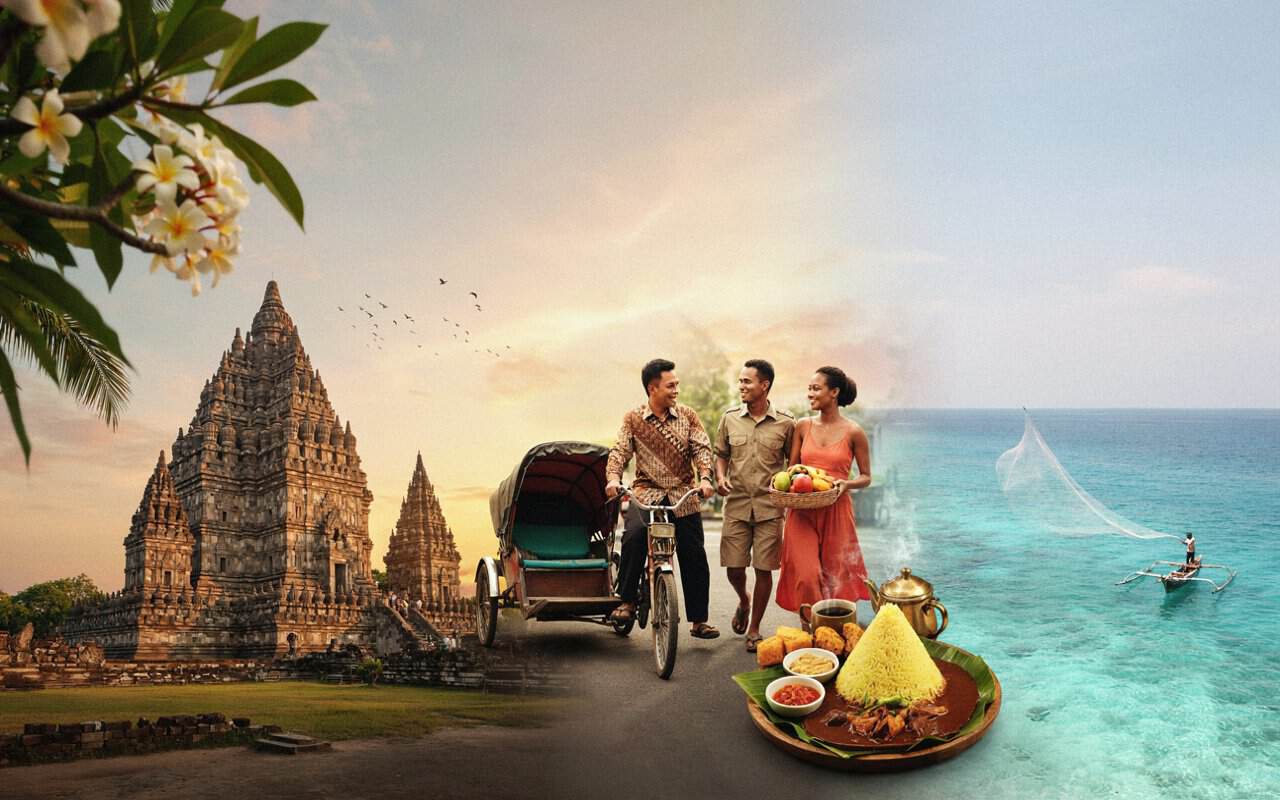
Image generated with Ai
Indonesia is growing as an attractive nation among African travellers, including visitors from Kenya, and is driven by its combination of diverse island landscapes, globally recognised cuisine, traditional arts and immersive cultural experiences. While Bali remains the country’s most internationally recognized destination, cities and regions such as Jakarta, Yogyakarta, Bandung, Surabaya and Makassar are increasingly offering Kenyan travellers opportunities to explore Indonesia beyond beach tourism. Indonesia’s tourism identity is shaped by thousands of islands, hundreds of ethnic traditions, regional cuisines and UNESCO-recognized cultural practices.
Indonesian Cities Attracting Kenyan Tourists Through Cuisine, Tropical Landscapes and Living Cultural Heritage
| Indonesian City / Destination | Why It Appeals to Kenyan Tourists | Distinctive Culinary Experiences | Tropical Landscape & Nature Attractions | Cultural Heritage Experiences | Travel Appeal for Kenyan Visitors |
|---|---|---|---|---|---|
| Bali (Denpasar, Ubud, Seminyak, Nusa Dua) | Bali remains Indonesia’s leading international tourism gateway, combining beaches, wellness, arts and hospitality experiences. | Balinese cuisine including babi guling, ayam betutu, sate lilit, lawar, nasi campur and traditional spice-based dishes. | Beaches, rice terraces, waterfalls, volcanic scenery and marine activities around Nusa Penida and surrounding islands. | Temple ceremonies, Balinese dance, handicrafts, traditional villages and spiritual tourism. | Strong appeal for first-time Kenyan travellers seeking a tropical holiday with cultural depth. |
| Yogyakarta | Known as Indonesia’s cultural centre, Yogyakarta attracts travellers interested in history, traditional arts and heritage tourism. | Gudeg (young jackfruit dish), traditional Javanese cuisine, street food markets and coffee culture. | Access to Mount Merapi, countryside landscapes and scenic rural areas. | Borobudur and Prambanan temples, batik workshops, gamelan music and royal Javanese traditions. | Ideal for Kenyan tourists interested in archaeology, history and living culture. |
| Jakarta | Indonesia’s capital provides an urban introduction to the country with international connectivity, shopping and multicultural experiences. | Betawi cuisine, nasi uduk, kerak telor, soto Betawi and diverse Indonesian regional food. | Urban parks, coastal areas, Thousand Islands marine destinations nearby. | National museums, old Batavia heritage district, traditional performances and multicultural neighbourhoods. | Suitable as a gateway city before exploring other Indonesian destinations. |
| Bandung | A cooler highland city known for nature, creativity, fashion and culinary tourism. | Sundanese cuisine including nasi timbel, batagor, lotek and traditional snacks. | Tea plantations, volcanic mountains, waterfalls and crater landscapes. | Sundanese arts, traditional music, craft villages and colonial architecture. | Attractive for Kenyan travellers seeking nature combined with city experiences. |
| Lombok (Mataram and surrounding areas) | Offers a quieter tropical alternative with beaches and cultural experiences. | Sasak cuisine including ayam taliwang, plecing kangkung and spicy seafood dishes. | White-sand beaches, coral reefs, waterfalls and Mount Rinjani landscapes. | Sasak villages, weaving traditions and local ceremonies. | Appeals to Kenyan adventure travellers interested in less crowded islands. |
| Surabaya | Indonesia’s second-largest city offers history, business tourism and access to East Java attractions. | East Javanese dishes such as rawon, rujak cingur and lontong balap. | Gateway to Mount Bromo, waterfalls and volcanic landscapes. | Colonial heritage areas, traditional markets and local communities. | Suitable for travellers combining urban exploration with outdoor adventures. |
| Makassar (South Sulawesi) | A major eastern Indonesian city with maritime heritage and access to unique island destinations. | Coto Makassar, konro ribs, seafood dishes and traditional Bugis-Makassar cuisine. | Coastal scenery, islands, diving areas and marine biodiversity. | Bugis and Makassar traditions, traditional boats and maritime culture. | Strong connection for Kenyan travellers interested in ocean cultures and food heritage. |
| Labuan Bajo (Flores) | Increasingly popular among international adventure travellers due to unique wildlife and marine experiences. | Flores seafood, local coffee, traditional dishes influenced by island communities. | Komodo National Park, coral reefs, diving sites and dramatic island landscapes. | Indigenous Flores traditions, village visits and local craftsmanship. | Attractive for Kenyan wildlife and nature lovers seeking rare experiences. |
| Banyuwangi | Emerging destination known for ecological tourism and traditional festivals. | Osing cuisine, traditional rice dishes and seafood specialities. | Ijen Crater, forests, beaches and marine parks. | Osing ethnic culture, traditional dances and local festivals. | Appeals to eco-conscious Kenyan tourists seeking authentic Indonesia. |
| Medan (North Sumatra) | A multicultural city offering access to some of Indonesia’s most dramatic natural attractions. | Rendang, nasi Padang, soto Medan and Batak culinary traditions. | Lake Toba, volcano landscapes and rainforest areas. | Batak culture, traditional houses, music and indigenous heritage. | Suitable for Kenyan travellers interested in ethnic diversity and nature. |
Why Are Indonesian Cities Becoming More Attractive to Kenyan Travelers?
Indonesia is emerging as a destination of interest for Kenyan travelers seeking experiences that combine relaxation, culture, adventure and authentic local traditions. The appeal goes beyond Indonesia’s famous beaches. Increasingly, visitors are exploring cities and regions where food, heritage and natural landscapes create a deeper connection with the destination.
Advertisement
Advertisement
Kenyan travelers are known for their interest in diverse international experiences, including wildlife, cultural tourism, coastal escapes and culinary discovery. Indonesia offers a similar combination through its thousands of islands, multicultural communities and centuries-old traditions.
Cities such as Bali’s tourism centres, Jakarta, Yogyakarta, Bandung, Surabaya and Makassar provide different travel experiences. Some destinations focus on luxury and tropical holidays, while others highlight history, traditional arts and regional cuisine.
Advertisement
Advertisement
The growing popularity of Indonesian destinations among African travelers is also supported by improved global connectivity, increasing digital travel awareness and the rising demand for meaningful tourism experiences. Travelers are no longer only searching for famous landmarks. They are increasingly looking for destinations where they can understand local lifestyles, taste authentic dishes and experience living traditions.
Indonesia’s cultural diversity creates a strong attraction. Every region offers its own identity, language, food traditions and landscapes. For Kenyan tourists, this creates opportunities to explore multiple destinations within one country.
Advertisement
Advertisement
From the cultural streets of Yogyakarta to the volcanic landscapes of East Java and the marine wonders of Flores, Indonesia presents a broad tourism portfolio that matches the interests of travelers seeking discovery and adventure.
How Is Bali Capturing Kenyan Travelers With Tropical Beauty and Cultural Experiences?
Bali remains Indonesia’s most internationally recognised destination and continues to attract travelers searching for tropical scenery, wellness experiences and cultural immersion. For Kenyan visitors, the island offers a combination of beaches, traditional communities, natural landscapes and distinctive cuisine.
Advertisement
Advertisement
The destination’s popularity is built around its ability to provide different experiences within a relatively compact area. Visitors can enjoy luxury resorts in Nusa Dua, artistic communities in Ubud and vibrant coastal areas such as Seminyak and Canggu.
Bali’s culinary identity is another important attraction. Traditional dishes such as babi guling, ayam betutu, sate lilit and nasi campur showcase the island’s unique approach to spices and cooking techniques. Food markets and local restaurants allow visitors to experience Balinese flavours beyond international cuisine.
The island’s cultural heritage also plays a major role. Traditional temple ceremonies, Balinese dances, handicrafts and village traditions remain part of daily life. Travelers can witness cultural practices that have been preserved across generations.
Nature is another major factor. Bali offers volcanic mountains, rice terraces, waterfalls, coral reefs and island adventures. Destinations such as Nusa Penida provide opportunities for marine exploration, while inland areas offer hiking and scenic landscapes.
Advertisement
Advertisement
For Kenyan travelers, Bali provides a familiar connection through its appreciation of nature, outdoor experiences and cultural storytelling. The island represents Indonesia’s ability to combine tourism infrastructure with authentic heritage.
Why Is Yogyakarta Emerging as Indonesia’s Cultural Capital for International Visitors?
Yogyakarta is gaining attention among travelers who want to explore Indonesia’s history, traditional arts and heritage. Unlike destinations focused mainly on beaches, Yogyakarta provides a cultural journey through ancient temples, royal traditions and local craftsmanship.
The city is home to internationally recognised heritage attractions, including Borobudur and Prambanan temples. These historic sites provide insight into Indonesia’s religious, architectural and artistic development over centuries.
For Kenyan tourists interested in cultural tourism, Yogyakarta offers opportunities to experience traditional Javanese life. Visitors can explore batik workshops, watch gamelan performances and discover local communities preserving traditional skills.
The city’s food culture is another important attraction. Gudeg, a slow-cooked jackfruit dish, represents one of Yogyakarta’s most famous culinary traditions. Street food markets and family-run restaurants introduce travelers to authentic Javanese flavours.
Yogyakarta also provides access to natural attractions. The nearby Mount Merapi volcano, countryside landscapes and rural villages create opportunities for adventure and photography.
Advertisement
Advertisement
The city’s balance between history, culture and affordable travel experiences makes it increasingly attractive to international visitors. Kenyan travelers seeking educational and meaningful journeys can find a destination that combines heritage exploration with modern hospitality.
As global tourism shifts toward authentic experiences, Yogyakarta represents the type of destination that allows visitors to engage with local communities rather than simply observe attractions.
How Are Jakarta and Bandung Expanding Indonesia’s Urban Tourism Appeal?
Jakarta and Bandung are strengthening Indonesia’s appeal by offering travelers a combination of modern city experiences, multicultural communities and culinary diversity.
Jakarta, the country’s capital, serves as a major entry point for international visitors. The city reflects Indonesia’s diverse population, where traditional cultures exist alongside modern business districts, shopping centres and entertainment areas.
For Kenyan travelers arriving in Indonesia, Jakarta provides an introduction to the country’s national identity. Visitors can explore museums, historical districts, cultural performances and traditional markets.
The city’s food scene is one of its strongest attractions. Jakarta offers regional Indonesian cuisine from across the archipelago, including Betawi specialities such as nasi uduk, kerak telor and soto Betawi.
Advertisement
Advertisement
Bandung provides a different urban experience. Located in a cooler highland area, the city attracts visitors with creative industries, natural surroundings and traditional Sundanese culture.
The destination is known for dishes such as batagor, nasi timbel and lotek. Beyond food, travelers can explore tea plantations, volcanic landscapes and waterfalls surrounding the city.
For Kenyan visitors, Jakarta and Bandung demonstrate Indonesia’s ability to combine urban tourism with cultural experiences. These cities appeal to travelers who want more than traditional holiday destinations and prefer exploring local lifestyles.
Why Are Lombok and Labuan Bajo Becoming Popular Among Adventure-Seeking Travelers?
Lombok and Labuan Bajo are gaining international recognition because they offer spectacular natural environments and unique adventure experiences.
Lombok provides a quieter alternative to Bali while maintaining Indonesia’s tropical appeal. The island features white-sand beaches, coral reefs, waterfalls and Mount Rinjani, one of Indonesia’s most famous volcanoes.
Kenyan travelers interested in outdoor experiences may find similarities between Indonesia’s adventure tourism and East Africa’s appreciation for nature-based activities. Lombok offers hiking, diving, island exploration and cultural encounters with local communities.
Advertisement
Advertisement
The island’s Sasak culture adds another dimension. Traditional villages, weaving traditions and local ceremonies allow visitors to understand the heritage of indigenous communities.
Labuan Bajo, located on Flores Island, has become a major destination for travelers interested in marine tourism and wildlife experiences. It serves as the gateway to Komodo National Park, known for its unique biodiversity and marine ecosystems.
Visitors can explore islands, diving locations and coastal landscapes that showcase Indonesia’s natural diversity.
For Kenyan travelers who value wildlife and conservation experiences, Labuan Bajo provides an opportunity to discover one of Southeast Asia’s most distinctive environments.
These destinations represent Indonesia’s broader effort to promote destinations beyond traditional tourism centres.
How Are Indonesian Culinary Traditions Creating Strong Connections With Kenyan Visitors?
Food is becoming one of the strongest reasons travelers explore Indonesia. The country’s culinary identity reflects centuries of cultural exchange, regional diversity and traditional cooking methods.
Advertisement
Advertisement
Kenyan travelers familiar with rich flavours, spices and community-based dining experiences may find Indonesian cuisine particularly appealing.
Each region offers a different culinary story. Bali is known for ceremonial dishes and spice-rich recipes. Yogyakarta highlights Javanese flavours. Makassar introduces seafood and traditional Sulawesi cuisine. Medan presents a multicultural food scene influenced by different ethnic communities.
Popular Indonesian dishes such as rendang, satay, nasi goreng and regional specialities have gained international recognition. However, many travelers are increasingly interested in discovering local versions prepared within communities.
Food markets, cooking classes and traditional restaurants provide opportunities for visitors to connect with Indonesian culture through taste.
For Kenyan tourists, culinary tourism creates a bridge between cultures. Both countries have strong food traditions connected to history, geography and community identity.
Indonesia’s diverse cuisine strengthens its position as a destination where travelers can experience culture through everyday life.
Advertisement
Advertisement
What Makes Indonesia’s Living Heritage a Major Attraction for Kenyan Travelers?
Indonesia’s living heritage remains one of its biggest tourism strengths. Unlike destinations where history exists mainly through monuments, Indonesia’s traditions continue through daily practices, festivals and community activities.
Traditional dances, crafts, ceremonies and local arts remain important parts of Indonesian society. Visitors can experience these traditions through village visits, cultural performances and heritage tourism programmes.
For Kenyan travelers, this provides an opportunity to understand Indonesia beyond popular tourist attractions.
Destinations such as Bali, Yogyakarta and Sumatra demonstrate how communities preserve cultural identity while welcoming international visitors.
The combination of heritage and hospitality creates meaningful travel experiences. Visitors can learn traditional crafts, explore historic areas and participate in cultural activities.
Indonesia’s appeal among Kenyan travelers is therefore built on more than scenery. Its strength comes from the connection between people, traditions, food and landscapes.
Advertisement
Advertisement
As global travelers increasingly search for authentic destinations, Indonesian cities and regions are positioned to attract visitors looking for deeper cultural experiences.
Key Factors Making Indonesia Attractive to Kenyan Tourists
| Tourism Driver | Indonesian Advantage | Relevance for Kenyan Travellers |
|---|---|---|
| Culinary Diversity | Indonesian cuisine combines indigenous traditions with influences from India, China, the Middle East and Europe. | Kenyan visitors can explore a wide range of flavours, spices and cooking traditions similar to East Africa’s appreciation of aromatic cuisine. |
| Tropical Nature | Indonesia offers beaches, volcanoes, rainforests, coral reefs and islands across its vast archipelago. | Similar interest areas include wildlife, coastal escapes, adventure tourism and outdoor experiences. |
| Cultural Heritage | Indonesia maintains traditional dances, crafts, ceremonies and heritage sites across different regions. | Kenyan tourists seeking cultural immersion can experience living traditions rather than only sightseeing. |
| Affordable Experiences | Indonesia offers a wide range of accommodation, food and activity options. | Supports longer holidays and multi-city exploration. |
| Muslim-Friendly Tourism | Many Indonesian destinations provide halal food options and Muslim-friendly facilities. | Can be attractive for Kenyan Muslim travellers looking for culturally comfortable destinations. |
Why Indonesia’s Diverse Destinations Could Continue Attracting Kenyan Travelers
Indonesia’s growing appeal among Kenyan travelers is driven by a unique combination of tropical beauty, culinary diversity and living cultural heritage. Bali continues to lead international tourism, but destinations such as Yogyakarta, Jakarta, Lombok, Bandung and Labuan Bajo are expanding Indonesia’s global attraction.
The country offers experiences that range from ancient temples and traditional cuisine to beaches, volcanoes and marine adventures. These diverse tourism products allow visitors to create personalised journeys based on culture, nature or relaxation.
For Kenyan travelers, Indonesia provides an opportunity to explore a destination where history and modern tourism exist together. As demand for authentic international travel continues to rise, Indonesia’s cities and islands are expected to remain important choices for visitors seeking meaningful experiences across Asia.
Indonesia’s rising popularity among Kenyan travelers is shaped by its remarkable diversity, strong cultural identity and unforgettable natural attractions. The answer lies in the country’s ability to combine traditional lifestyles with modern tourism facilities. Yogyakarta, Bali and other destinations provide unique experiences through cuisine, heritage, adventure and scenic landscapes. The reason behind this growing attraction is the demand for authentic journeys that connect visitors with local communities and environments. As international travelers search for deeper experiences, Indonesia continues strengthening its position as a destination where culture, nature and culinary traditions create lasting memories.
Advertisement
