Image generated with Ai
Oceania is emerging as one of the strongest long-haul travel regions for 2026 as travellers increasingly choose extended holidays built around nature, luxury, adventure and authentic island experiences. Australia, New Zealand, Fiji and several Pacific destinations are attracting rising booking interest because they offer diverse multi-week itineraries, improved connectivity, premium accommodation and unforgettable experiences away from crowded tourism hubs.
Long-haul leisure travel is gaining strong momentum in Oceania in 2026 as travellers increasingly search for extended holidays combining beaches, adventure, nature, luxury stays and cultural experiences. Australia, New Zealand, Fiji, Cook Islands and other Pacific destinations are emerging as major choices for longer-duration trips, supported by improved air connectivity, premium experiences and growing demand for immersive escapes.
Advertisement
| Country / Destination | 2026 Long-Holiday Booking Trend | Key Travel Demand Drivers | Major Source Markets | Popular Long-Stay Experiences | Important Tourism Indicators |
|---|---|---|---|---|---|
| Australia | Strong interest for extended domestic and international leisure-linked holidays, especially nature, luxury and event-based trips | Great Barrier Reef, wildlife, road trips, Aboriginal culture, luxury lodges, city events and coastal escapes | United States, UK, China, Japan, New Zealand, Europe | Queensland reef holidays, Sydney cultural breaks, Melbourne food and arts trips, Western Australia nature journeys | Australia continues to attract high-value travellers, while tourism agencies forecast visitor demand through regional and international markets. |
| New Zealand | One of the fastest-growing long-holiday choices in Oceania, especially among premium and adventure travellers | Scenic landscapes, adventure tourism, luxury lodges, wine tourism, wellness and indigenous experiences | Australia, United States, UK, China, Asia-Pacific | Queenstown adventure stays, Milford Sound cruises, South Island road trips, luxury wilderness retreats | New Zealand recorded 201,900 overseas visitor arrivals in June 2026, up from the previous year, showing continued recovery momentum. |
| Fiji | Rising demand for tropical long holidays, honeymoon trips and family vacations | Affordable luxury, island resorts, marine activities, cultural tourism and direct flights | Australia, New Zealand, United States, UK | Private island resorts, diving, snorkelling, wellness retreats, island hopping | Fiji recorded strong visitor momentum, with Australia remaining its largest tourism market. |
| Cook Islands | Growing appeal for slow travel and authentic island escapes | Small-island experiences, beaches, local culture, low-density tourism and longer stays | Australia, New Zealand, United States | Rarotonga beach holidays, lagoon activities, outer-island exploration | Australian travellers are becoming increasingly important, with visitors often staying longer and spending more. |
| French Polynesia (Tahiti & Bora Bora) | Strong luxury holiday demand for 2026 | Overwater villas, romance tourism, exclusive resorts and marine experiences | United States, France, Australia, New Zealand | Bora Bora luxury stays, diving, yacht holidays, honeymoon packages | Continues to benefit from premium travellers seeking remote island luxury experiences. |
| Samoa | Increasing interest among travellers seeking cultural and nature-based holidays | Traditional Polynesian culture, untouched beaches, eco-tourism and authenticity | New Zealand, Australia, United States | Village experiences, waterfalls, volcanic landscapes, coastal stays | Benefits from rising demand for less crowded Pacific destinations. |
| Vanuatu | Gradual recovery with renewed interest in adventure and family travel | Volcano tourism, diving, island culture and affordable Pacific holidays | Australia, New Zealand, New Caledonia | Mount Yasur volcano visits, island resorts, marine adventures | Positioned as an alternative Pacific destination for experiential travellers. |
| New Caledonia | Renewed interest due to proximity and French-Pacific lifestyle appeal | Lagoon tourism, cuisine, beaches, cultural experiences | France, Australia, New Zealand | Nouméa city breaks, island escapes, diving and gastronomy | Attractive for travellers seeking a mix of European influence and Pacific scenery. |
| Papua New Guinea | Niche growth among adventure and expedition travellers | Wildlife, tribal culture, trekking and unexplored landscapes | Australia, United States, Europe | Kokoda Track, cultural festivals, diving expeditions | Increasingly promoted as a high-value adventure destination. |
Oceania is entering 2026 with renewed strength as travellers shift their focus from short breaks to longer, experience-driven journeys. The region’s combination of dramatic landscapes, remote islands, cultural heritage and luxury tourism products is encouraging visitors to spend more time exploring destinations rather than simply visiting for a few days.
Travel demand across the region is being supported by changing traveller priorities. Many visitors now prefer slower travel experiences that allow them to connect deeply with local communities, nature and culture. Instead of moving quickly between multiple destinations, travellers are increasingly planning extended stays that combine relaxation, adventure and exploration.
Advertisement
Australia and New Zealand remain the leading destinations because they offer a wide range of experiences within a single country. Visitors can combine city tourism with coastal escapes, wildlife encounters, national parks and premium hospitality. Meanwhile, Pacific island destinations such as Fiji, Cook Islands and French Polynesia are benefiting from growing demand for tropical retreats, wellness holidays and romantic getaways.
According to tourism data from organisations including Tourism Australia and Tourism New Zealand, international recovery and demand for high-value travel experiences continue to support the region’s tourism outlook.
The rise of remote working and flexible travel patterns has also contributed to longer stays. Some travellers are combining leisure with extended breaks, choosing destinations where they can enjoy natural surroundings while maintaining digital connectivity.
As a result, Oceania is no longer viewed only as a distant holiday destination. It is becoming a premium long-haul travel region where visitors are willing to invest more time and money for meaningful experiences.
Advertisement
Advertisement
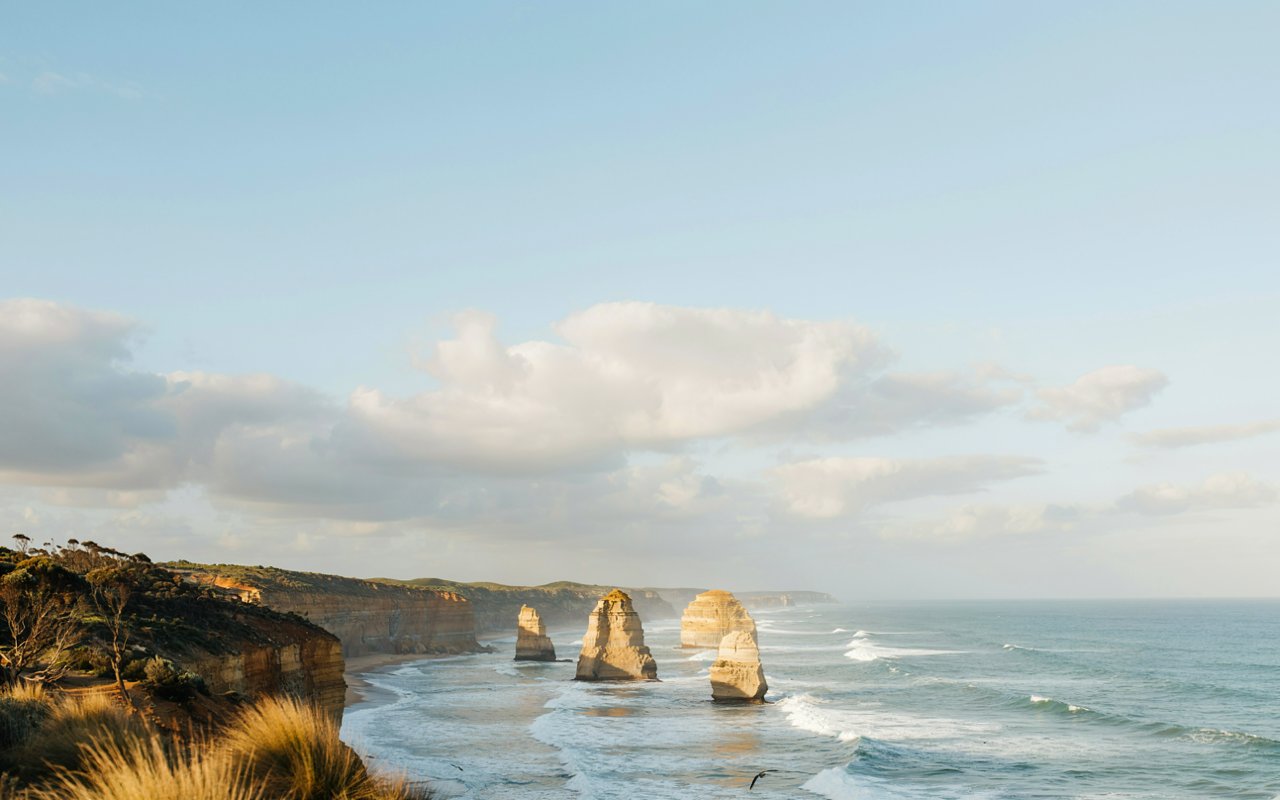
Australia continues to be one of the biggest forces behind Oceania’s long-holiday travel momentum in 2026. The country’s vast geography allows travellers to design extended itineraries covering beaches, cities, wildlife, deserts and cultural attractions.
The appeal of Australia comes from its ability to offer multiple holiday experiences within one trip. International visitors can explore Sydney’s urban attractions, experience the Great Barrier Reef in Queensland, discover Western Australia’s natural landscapes or travel through the country’s famous road-trip routes.
Nature tourism remains one of Australia’s strongest attractions. The Great Barrier Reef, national parks, wildlife sanctuaries and coastal regions continue to attract travellers searching for outdoor experiences. Adventure tourism, including hiking, diving and eco-travel, is becoming increasingly popular among international visitors.
Luxury travel is also expanding. High-end lodges, private tours, premium rail journeys and exclusive island resorts are attracting travellers looking for personalised experiences. Destinations such as Tasmania, Western Australia and Queensland are gaining attention among visitors seeking less crowded alternatives to traditional tourism centres.
Australia’s strong aviation connections with Asia, North America and Europe are also supporting demand. Airlines continue to expand international networks, making longer holidays more accessible for overseas travellers.
The country’s diverse tourism offering means visitors can spend two or three weeks exploring multiple regions instead of limiting their trip to one city. This flexibility is helping Australia maintain its position as a leading long-holiday destination in Oceania.
New Zealand is positioned as one of the strongest performers in Oceania’s 2026 travel market, particularly among adventure seekers, luxury travellers and nature enthusiasts. The country’s dramatic landscapes and outdoor experiences make it ideal for longer journeys.
The popularity of New Zealand comes from its ability to deliver diverse experiences within a compact geographic area. Travellers can move from alpine environments and glaciers to beaches, vineyards and cultural destinations within a single itinerary.
Queenstown remains a major attraction for adventure tourism, offering activities such as hiking, skiing, bungee jumping and scenic flights. Meanwhile, destinations such as Milford Sound, Rotorua and the South Island’s national parks continue to attract visitors seeking unique landscapes and outdoor experiences.
Luxury tourism is also gaining momentum. Premium lodges, private wilderness experiences and personalised tours are becoming increasingly popular among travellers willing to spend more for exclusive holidays.
New Zealand’s indigenous Māori culture is another important factor driving tourism demand. Visitors are increasingly seeking authentic cultural experiences, including traditional performances, local food experiences and community-based tourism.
According to information from New Zealand’s official tourism organisation, international visitors continue to show strong interest in nature, adventure and immersive experiences.
The country’s reputation as a safe, clean and environmentally focused destination further strengthens its appeal among global travellers planning longer holidays.
Fiji and other Pacific island destinations are becoming increasingly attractive for travellers searching for tropical escapes combined with authentic cultural experiences. These destinations are benefiting from growing interest in slower travel and exclusive island holidays.
Fiji remains one of the strongest island tourism markets in Oceania. Its combination of luxury resorts, warm beaches, marine activities and traditional culture makes it appealing to families, honeymooners and wellness travellers.
Visitors are increasingly choosing Fiji for longer stays rather than quick resort visits. Multi-day island experiences, diving trips, snorkelling adventures and cultural activities are encouraging travellers to extend their holidays.
The country’s accessibility from Australia, New Zealand and key international markets also provides an advantage. Direct flight connections help reduce travel barriers and make Fiji a convenient option for travellers seeking a tropical escape.
The Fiji Tourism sector continues to promote sustainable tourism, cultural experiences and premium hospitality as key growth areas.
Beyond Fiji, destinations such as Cook Islands, Samoa and Vanuatu are gaining attention among travellers searching for quieter alternatives. These destinations offer uncrowded beaches, traditional communities and nature-based experiences.
The growing demand for authentic travel is helping smaller Pacific destinations compete with larger tourism markets. Many travellers are now prioritising unique experiences over famous attractions, creating new opportunities for island destinations.
Cook Islands and French Polynesia are becoming increasingly popular among travellers seeking luxury, privacy and distinctive island experiences. These destinations represent the growing demand for exclusive and personalised holidays.
Cook Islands, particularly Rarotonga and Aitutaki, attract visitors with crystal-clear lagoons, traditional culture and a relaxed island atmosphere. The destination appeals strongly to travellers who want peaceful surroundings without the crowds found in larger tropical markets.
Longer stays are becoming more common because visitors want enough time to experience local communities, marine activities and island landscapes. The destination’s focus on authentic tourism supports its appeal among slow travellers.
French Polynesia, including Tahiti and Bora Bora, continues to maintain its position as a luxury travel icon. Overwater villas, private resorts and romantic experiences make the destination particularly popular among honeymooners and premium holidaymakers.
The region’s luxury tourism model focuses on exclusivity rather than mass tourism. This aligns with changing traveller preferences, as more visitors seek privacy, personalised service and memorable experiences.
With rising interest in wellness, ocean activities and remote escapes, both destinations are expected to remain strong performers in the 2026 long-holiday market.
The future growth of Oceania tourism will largely depend on how destinations respond to changing traveller expectations. Visitors are increasingly demanding sustainability, authenticity and meaningful experiences rather than traditional sightseeing.
Eco-tourism is becoming a major factor influencing travel decisions. Protected landscapes, marine conservation projects and community-based tourism initiatives are attracting environmentally conscious travellers.
Wellness travel is another expanding segment. Resorts across Australia, New Zealand and Pacific islands are developing programmes focused on relaxation, health, nature and mental wellbeing.
Technology and improved connectivity are also supporting growth. Easier online booking systems, digital travel planning tools and better transport connections are making long-distance holidays simpler to organise.
However, destinations must balance tourism growth with environmental protection. Many Pacific islands face challenges related to climate change, infrastructure capacity and maintaining local culture while welcoming more visitors.
Overall, Oceania’s 2026 travel outlook remains highly positive. The region’s ability to combine adventure, luxury, culture and nature gives it a strong advantage in the competitive global tourism market.
Oceania is preparing for a significant tourism surge in 2026 as travellers increasingly choose longer holidays focused on exploration, relaxation and unforgettable experiences. Australia and New Zealand remain the region’s strongest destinations, while Fiji, Cook Islands and other Pacific islands are gaining momentum through luxury, authenticity and nature-based tourism.
The growth is being driven by a combination of improved connectivity, rising demand for premium experiences and a global shift towards slower, more meaningful travel. Visitors are no longer simply searching for destinations; they are looking for complete journeys that create lasting memories.
With its diverse landscapes, cultural richness and unique island experiences, Oceania is expected to remain one of the world’s most attractive long-haul travel regions throughout 2026.
New Zealand, Australia and Fiji are expected to remain the biggest winners in Oceania’s 2026 long-holiday market. New Zealand is benefiting from strong premium demand and adventure tourism, while Australia continues to attract travellers looking for multi-region journeys. Fiji and the Cook Islands are gaining attention as travellers seek easier, warmer and more authentic island escapes.
The wider trend shows that Oceania is moving beyond traditional beach holidays. Travellers are now booking longer stays built around nature, wellness, culture, luxury accommodation and once-in-a-lifetime experiences. This shift is expected to keep the region among the strongest long-haul travel markets throughout 2026.
Stronger tourism infrastructure, shifting traveler preferences, and growing demand for immersive experiences are all contributing factors to Oceania’s growing appeal. In response to this change, Australia, New Zealand, and Pacific countries are increasing their offerings in terms of luxury, adventure, and culture. The development can be attributed to the desire of contemporary travelers for longer, richer, and more memorable travel experiences. The area offers a variety of experiences for all kinds of tourists, from famous scenery to secret island getaways. Oceania is poised to emerge as one of the world’s most significant long-haul travel destinations in 2026 as travelers from all over the world continue to look for unusual travel locations.
Advertisement
Advertisement
Advertisement














Monday, September 14, 2026

Monday, September 14, 2026

Monday, September 14, 2026

Monday, September 14, 2026

Monday, September 14, 2026
Sunday, September 13, 2026

Monday, September 14, 2026

Monday, September 14, 2026