

Saudi Arabia Along With Other Countries, Rebuilds Global Tourism As Arrivals Surge Past 2019 Pre-Pandemic Baselines

Published
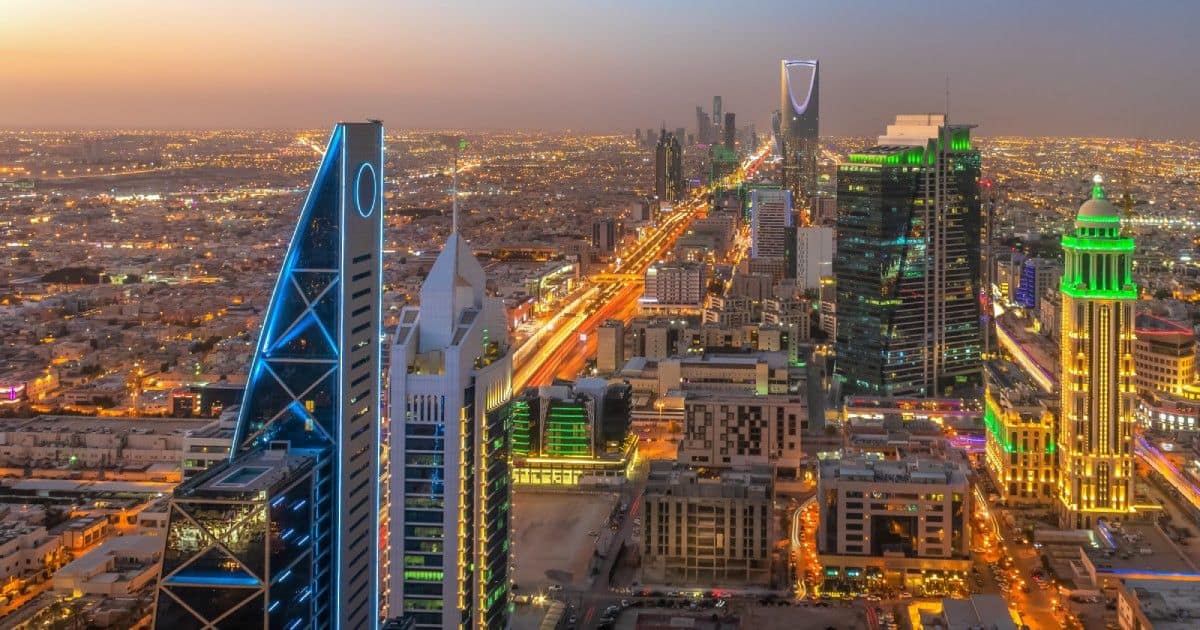
Modern-day tourists are flocking to Saudi Arabia and other countries where thriving cultural programs are being developed. Modern-day tourists are traveling to Saudi Arabia and other countries where international arrivals hit record-breaking levels on a yearly basis. The world’s booming tourism industry is being fueled by Saudi Arabia and other countries’ surprising visa policies.
The world has witnessed a staggering rise in tourists as numbers climb past the 2019 levels due to a combination of well-thought traveler strategies on an international level. Travelers today value unique cultural experiences and visa-friendly destinations that disrupt the traditional tourism sector. Modern tourists are drawn to the improvements being made in terms of airline routes and aggressive marketing that positions emerging markets as serious contenders in the tourism space. A combination of these developments has resulted in a new era for international travel that is being driven by modern-day tourists.
Global tourism recovery is currently driven by remarkable post-pandemic resurgences in destinations like Saudi Arabia, Morocco, Egypt, and Brazil, which have successfully outpaced 2019 arrival benchmarks. Modern travellers are increasingly seeking unique heritage, ecotourism, and visa-simplified getaways that redefine traditional global travel patterns. Strategic government investments in aviation connectivity and digital marketing are turning emerging markets into powerhouse tourism hubs. These dynamic shifts prove that international mobility is not only returning to its pre-2010 peaks but accelerating into exciting new territories.
How Did Saudi Arabia Achieve Record-Breaking Tourism Growth?
Saudi Arabia has captured global attention by leading the world with a staggering sixty-seven percent increase in international tourist arrivals compared to pre-pandemic baselines. This explosive momentum stems largely from ambitious multi-billion-dollar investments into giga-projects like NEOM, the Red Sea development, and historic Diriyah. Strategic regulatory updates, including streamlined e-visas covering over sixty nations and a convenient ninety-six-hour stopover visa, have effectively removed traditional bureaucratic friction for international visitors. Furthermore, aggressive multi-channel global campaigns have successfully repositioned the kingdom as an essential luxury, cultural, and eco-tourism destination. The country continues to redefine modern leisure travel through unprecedented capital injection.
Advertisement
Advertisement
Why Are Travellers Flocking Back to Morocco?
Morocco has successfully secured a fifty-three percent surge in visitor arrivals, positioning itself brilliantly ahead of co-hosting the upcoming 2030 FIFA World Cup. Strategic foreign direct investments exceeding one billion dollars annually have dramatically modernized hospitality infrastructure and expanded regional visitor facilities. Proximity to Europe has allowed the nation to leverage targeted low-cost flight connectivity that drives high volumes of seasonal culinary, coastal, and heritage tourism. Strategic event hosting guarantees steady year-round hotel occupancy while showcasing authentic Moroccan culture to international explorers. Such coordinated initiatives ensure sustainable economic growth across North African tourism sectors.
“Saudi Arabia along with other countries rebuilds global tourism as arrivals surge past 2019 pre-pandemic baselines. Modern travellers eagerly explore Saudi Arabia alongside other nations where vibrant cultural heritage initiatives flourish. Strategic international arrivals continue soaring across Saudi Arabia along with other countries redefining modern leisure travel. Tourism sectors worldwide thrive because Saudi Arabia along with other countries implements groundbreaking visa reforms. Global destinations successfully achieve unprecedented economic recovery through innovative infrastructure investments, streamlined digital connectivity, and sustainable ecotourism marketing strategies worldwide.”
Advertisement
Advertisement
— Anup Kumar Keshan, Founder and Editor-in-Chief, Travel And Tour World
What Is Driving Egypt’s Remarkable Heritage Resurgence?
Egypt has experienced a robust forty-seven percent surge in international visitors due to a powerful rebound in cultural and leisure travel across classic historical sites. Favorable currency adjustments have provided global travellers with exceptional value for money compared to competing Mediterranean and Middle Eastern heritage hotspots. Major historical milestones, such as the gradual opening phases of the Grand Egyptian Museum near Giza, have reignited worldwide fascination with ancient antiquities. Enhanced airport connectivity linking Red Sea resort towns directly to key European hubs has simplified access for holidaymakers seeking a blend of history and relaxation. These synergistic factors firmly cement Egypt’s enduring appeal as a timeless global destination.
How Has Brazil Revitalized Its International Tourism Sector?
Brazil has achieved record-breaking arrivals surpassing nine point three million international tourists, marking a massive forty-six percent increase fueled by enhanced transatlantic connectivity. An impressive eighteen percent year-long rise in international flights has unlocked crucial long-haul and regional routes from neighboring South American powerhouses like Argentina and Chile. The nation has embraced a strategic shift toward biodiversity marketing, promoting the Amazon, Pantanal, and coastal ecosystems to modern conscious travellers. Tailored regional promotional campaigns have successfully reduced travel barriers while celebrating the vibrant cultural tapestry of Brazilian communities. Such comprehensive efforts highlight the powerful intersection of sustainable ecotourism and robust economic recovery.
For official global tourism recovery tracking, statistics, and strategic policy reports, visit the UN Tourism (UNWTO) Open Data platform.
| Country | Tourist Arrival Growth | Primary Recovery Drivers | Key Infrastructure & Visas |
|---|---|---|---|
| Saudi Arabia | +67% | Mega-projects, giga-developments, and global leisure marketing | Streamlined e-visas for 60+ nations and 96-hour stopover visas |
| Morocco | +53% | Proximity to Europe, culinary & heritage tourism, and sports events | Over $1 billion annual FDI into hospitality and modern transport |
| Egypt | +47% | Cultural heritage revival and favorable currency adjustments | Grand Egyptian Museum openings and Red Sea resort flight routes |
| Brazil | +46% | Transatlantic connectivity and biodiversity/ecotourism promotion | 18% year-over-year rise in international and regional flights |
Leading destinations have improved their economies by investing heavily in critical infrastructure and easing visa regulations for foreign tourists. Saudi Arabia, along with other countries, is witnessing a tourism boom as a result of significant giga-projects and digital visa options for international guests. The number of tourists has surpassed the levels recorded before the pandemic. Moreover, countries such as Morocco, Egypt, and Brazil have been able to revamp their hotel industries and market their destinations as regional hotspots. Such an approach guarantees full occupancy of hotel beds throughout the year and promotes local heritage and nature-related attractions. Additionally, these countries have been able to achieve sustainability through public-private partnerships.
The changes in policies that ease visa restrictions and offer stopover options have helped remove some of the challenges experienced by international visitors. In addition, Saudi Arabia, along with other nations, is witnessing a tourism boom as a result of significant giga-projects and digital visa options for international guests. The number of tourists has surpassed the levels recorded before the pandemic. Moreover, countries such as Morocco, Egypt, and Brazil have been able to revamp their hotel industries and market their destinations as regional hotspots. Such an approach guarantees full occupancy of hotel beds throughout the year and promotes local heritage and nature-related attractions. Additionally, these countries have been able to achieve sustainability through public-private partnerships. How Are Strategic Reforms Fueling Sustainable Economic Recovery? Indeed, the introduction of e-visa and stopover authorization, together with expanded transatlantic flights, has enticed many people to invest in local environments and conserve their natural resources. These measures have, therefore, created long-term sustainability in the tourism sector while supporting businesses.
Advertisement
