

Nepal Travel on High Alert as Himalayan Disasters Expose Dangerous Trekking and Tourism Risks

Published
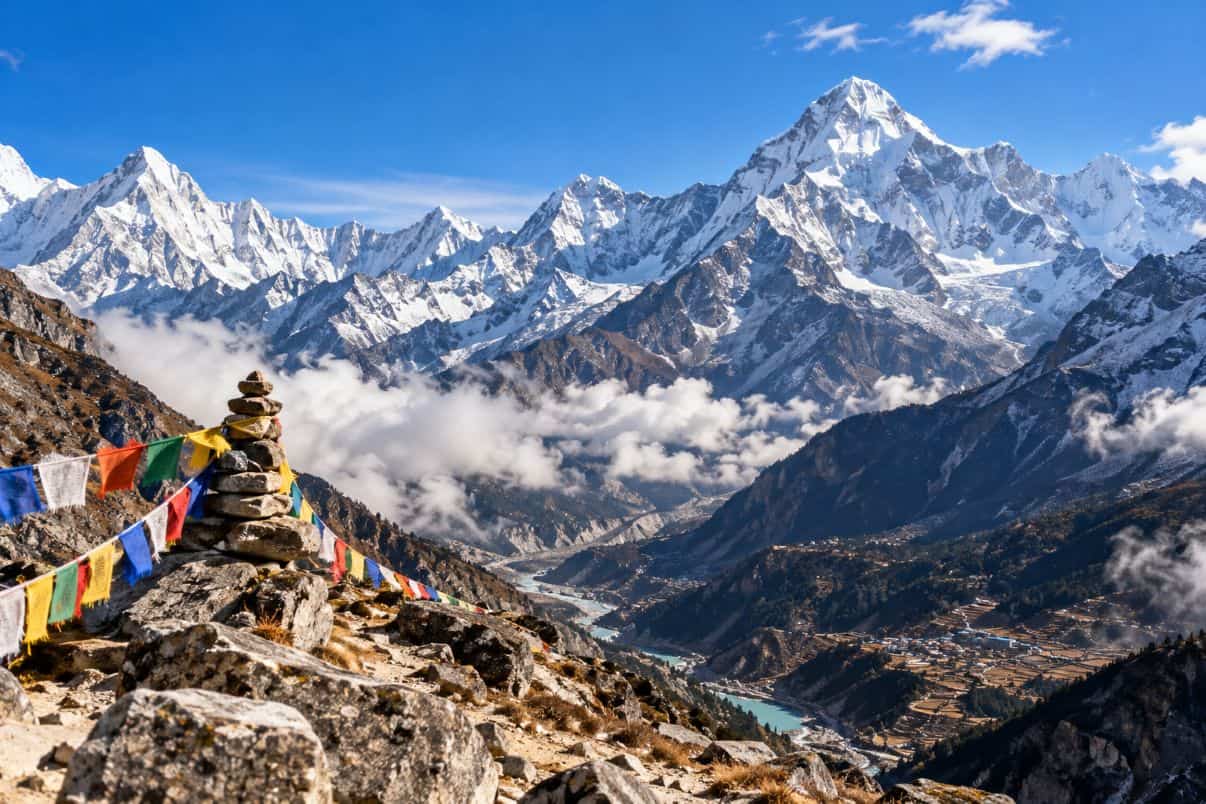
Nepal’s Himalayas, including Himlung Himal, Manang and the Langtang region, are confronting serious tourism safety challenges following deadly mountain disasters and widespread infrastructure damage. An avalanche reported on 27 September 2026 and catastrophic flooding near the Nepal–Tibet border in August have intensified concerns about the future of adventure tourism. Tour operators are responding with daily hazard assessments, route changes and cancellations as climate-related risks become harder to predict. For international trekkers, the developments highlight the importance of reliable weather information, emergency evacuation planning and flexible itineraries. The crisis also threatens communities whose livelihoods depend on trekking, mountaineering and mountain hospitality.
Nepal Himalayan Travel Faces Serious Risks Following Himlung Himal Avalanche
A deadly avalanche at Himlung Himal in Nepal’s Manang district has raised concerns about safety during high-altitude expeditions.
Advertisement
Advertisement
According to reporting published by Skift on 8 October 2026, the avalanche occurred on 27 September, killing at least 15 people.
The incident reportedly affected personnel preparing ropes near an expedition base camp.
Advertisement
Advertisement
The disaster highlights the dangers associated with unstable snow, ice and mountain conditions.
High-altitude climbing already involves significant natural hazards, but changing weather patterns can complicate expedition planning.
Advertisement
Advertisement
For trekking and mountaineering operators, the incident reinforces the importance of continuous risk assessments.
However, the avalanche does not establish that every trekking route in the wider Annapurna region has closed.
Advertisement
Advertisement
Travellers should verify conditions for their specific itinerary before departure.
Nepal–Tibet Border Flooding Creates Major Himalayan Tourism Emergency
Another serious disaster occurred on 26 August 2026 near Nepal’s border with Tibet, downstream of the Langtang National Park region.
The flooding reportedly followed the collapse of glacial rock and ice, sending water, mud and debris through mountain valleys.
Skift cited figures attributed to authorities and Reuters indicating at least 1,455 deaths and 5,285 people missing as of 5 October.
Advertisement
Advertisement
These figures concern the reported wider disaster and should not be interpreted as confirmed tourist casualties.
They also require verification against updated official recovery information before publication.
The flooding damaged infrastructure used by residents, transport operators and visitors.
Roads, bridges, accommodation facilities and essential services were among the reported areas of concern.
For tourism businesses, disrupted access can prevent travellers from reaching destinations even where individual properties remain intact.
Himalayan Tour Operators Introduce Tougher Safety Measures for Travellers
Adventure tourism companies are increasingly adjusting operations in response to unpredictable mountain conditions.
Advertisement
Advertisement
Skift reported that Furtenbach Adventures has adopted daily assessments of avalanche exposure, falling rocks and unstable ice.
The company has reportedly cancelled expeditions or changed climbing routes when conditions were considered unsafe.
Intrepid Travel has also relied on local teams to assess damaged roads and determine whether scheduled departures can proceed.
These measures demonstrate how Himalayan operators are moving beyond conventional seasonal planning towards more frequent safety evaluations.
For travellers, such decisions can mean unexpected itinerary changes, delays or cancellations.
However, cancellation policies differ between operators.
Advertisement
Advertisement
Passengers should examine booking conditions and insurance coverage before committing to expensive expeditions.
Accelerating Glacier Retreat Creates New Threats for Nepal Tourism
Climate change is adding another layer of uncertainty to Himalayan adventure travel.
Research discussed in the Skift report indicates that glacier retreat is increasing the potential for unstable mountain lakes and sudden flooding.
The report cites findings suggesting that Himalayan glacier melting has accelerated substantially compared with previous decades.
As glaciers retreat, meltwater can accumulate behind unstable barriers of rock, sediment and ice.
If these barriers fail, floodwaters can travel rapidly through downstream valleys.
Advertisement
Advertisement
Such events can threaten villages, bridges, roads and trekking infrastructure.
Researchers have therefore emphasised the importance of glacier monitoring, early-warning systems and coordinated emergency planning.
However, individual disasters cannot automatically be attributed to climate change without event-specific scientific assessment.
Nepal Travel Advisories Highlight Dangerous Conditions in Rasuwa
Official government travel guidance identifies significant risks in parts of Nepal affected by flooding.
The US Department of State’s advisory dated 4 September 2026 classified Nepal at Level 2, advising travellers to exercise increased caution.
It also advised against visiting the Rasuwagadhi–Timure–Syafrubesi corridor in Rasuwa district because of damaged infrastructure and continuing natural hazards.
Advertisement
Advertisement
Australia’s Smartraveller guidance, updated on 7 October, identified additional concerns around the Bhote-Koshi and Trishuli river areas.
Damaged roads, bridges, trekking trails and accommodation can restrict access to affected destinations.
Travellers should consult the US Nepal travel advisory and Australian government Nepal travel advice.
Everest, Annapurna and Langtang Trekkers Face Different Regional Risks
Nepal’s major trekking destinations should not be treated as having identical safety conditions.
Everest Base Camp travellers must consider mountain weather, domestic flight availability, trail conditions and emergency evacuation arrangements.
The Annapurna region requires careful attention to local mountain hazards, particularly around high-altitude routes.
Advertisement
Advertisement
Langtang and neighbouring areas of Rasuwa require additional scrutiny because of reported flood-related infrastructure damage.
The cited reporting does not establish that every route in these regions has closed.
For international visitors, the most reliable approach is to confirm access with local authorities and experienced operators.
Trekkers should also avoid assuming that favourable conditions in one Himalayan valley guarantee safety elsewhere.
Autumn Trekking Season Faces Growing Uncertainty Across Nepal
October and November traditionally attract trekkers seeking clearer skies and mountain views following the monsoon.
However, seasonal expectations cannot eliminate the possibility of heavy snowfall, avalanches, landslides or unexpected rainfall.
Advertisement
Advertisement
Nepal’s Department of Tourism issued weather-related guidance during late September following forecasts of hazardous mountain conditions.
Travellers should monitor the Nepal Department of Hydrology and Meteorology for official forecasts and warnings.
Expedition organisers should also review route conditions shortly before departure.
Domestic flights serving remote mountain airports may experience delays or cancellations during adverse weather.
Flexible itineraries and sufficient contingency time are therefore particularly important for travellers with international connecting flights.
Travel Insurance and Emergency Planning Become Essential for Himalayan Holidays
Travellers considering Himalayan expeditions should examine insurance conditions carefully.
Advertisement
Advertisement
Policies may impose altitude limits or exclude particular mountaineering activities.
Emergency helicopter evacuation, medical treatment, trip interruption and natural-disaster coverage should be reviewed before booking.
Travellers should also ask operators about communication equipment, emergency procedures and alternative routes.
In remote mountain regions, evacuation can be complicated by poor weather, damaged infrastructure and limited access.
A reputable operator should be able to explain how it assesses hazards and makes decisions about continuing or cancelling a journey.
The safest itinerary is not necessarily the one that follows the original schedule without changes.
Advertisement
Advertisement
Nepal Tourism Communities Face Economic Pressure From Mountain Disasters
The consequences of Himalayan disasters extend beyond international trekking companies.
Local guides, porters, guesthouses, restaurants and transport businesses depend on visitors travelling through mountain communities.
When roads or trails become inaccessible, tourism income can decline even where individual businesses have escaped physical damage.
The Skift investigation also discusses proposals for regenerative tourism that place greater emphasis on environmental protection and community benefits.
Researchers argue that resilient infrastructure, responsible destination management and better monitoring could reduce future vulnerability.
However, projected economic benefits from these approaches remain modelling estimates rather than confirmed outcomes.
Advertisement
Advertisement
For Nepal, the challenge involves protecting visitors while supporting communities whose livelihoods depend on mountain tourism.
Conclusion: Nepal’s Himalayan Tourism Future Depends on Stronger Safety Planning
Nepal’s Himalayan destinations face a critical period as recent mountain disasters expose the vulnerability of trekking routes, transport infrastructure and local communities. The reported avalanche at Himlung Himal and flooding near the Nepal–Tibet border demonstrate why adventure tourism requires increasingly careful planning. Operators are responding through route assessments, cancellations and closer coordination with local teams. For travellers, checking official warnings, choosing experienced guides and arranging appropriate insurance are essential precautions. Protecting Nepal Himalayan travel will require stronger monitoring, reliable infrastructure and effective emergency systems. These measures could help preserve the region’s extraordinary tourism appeal while placing visitor and community safety first.
Advertisement
Verified by Tuhin Sarkar
