

UAE is Now Building on Arabian Travel Market 2026 to Unlock New Travel Trade Ties and More Ways to Explore

Published
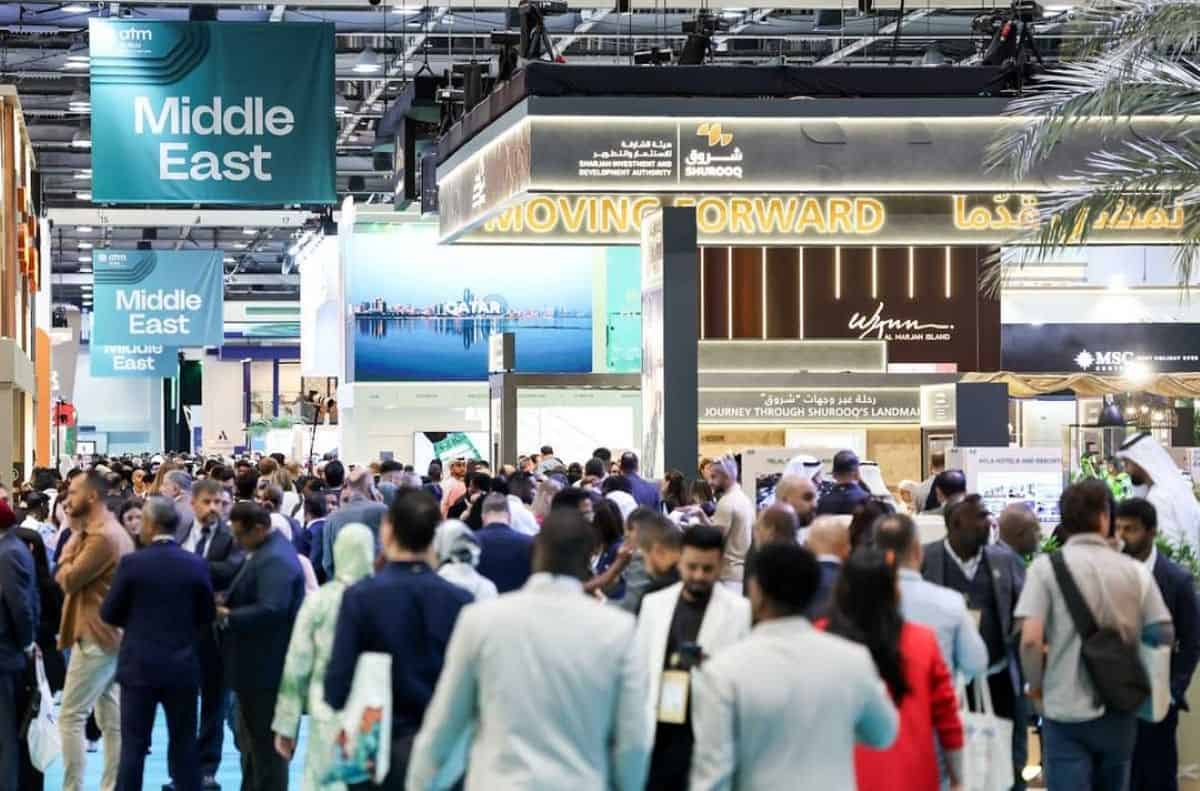
The UAE’s federal tourism ministry launched a national visitor identity and itineraries across seven emirates at Arabian Travel Market 2026, held in Dubai from 14–17 September. The initiatives give holidaymakers a new way to explore and book programmes covering multiple destinations. The Travel Trade gathering also produced cooperation agreements, hotel development announcements and studies for combined air and rail journeys. These developments matter to travellers and tourism businesses, although several proposed services still lack confirmed operating dates. The event did not announce new immigration rules.
What the Official Evidence Confirms
The central story concerns tourism products and commercial cooperation. For Travel Trade readers, the evidence must distinguish a launched platform from a proposed service. The following percentages represent an editorial assessment of each subject’s importance, based on the verified announcements. They total 100% and are not official statistics, market shares or measured economic effects.
Advertisement
Advertisement
| News Component | Share of Story | Officially Verified Finding | Relevance to Travellers | Official Source |
|---|---|---|---|---|
| Destination promotion | 40% | National identity and itineraries covering seven emirates launched | Supports wider holiday planning | Federal tourism announcement, 16 September. |
| Transport integration | 20% | Airport transfers and combined bookings under study | Services require implementation | Official transport agreement, 15 September. |
| Hotel development | 15% | One programme includes 40 hotels and over 8,300 rooms | Planned capacity, not completed openings | Government closing report, 17 September. |
| Tourism partnerships | 15% | One airline’s programme includes 11 cooperation agreements | Supports destination and product development | Government closing report, 17 September. |
| Booking technology | 10% | AI-assisted travel booking demonstrated | Availability depends on rollout | Government closing report, 17 September. |
The evidence establishes specific launches and announced cooperation. It does not establish lower holiday prices, additional visitor spending or completed transport integration. The international reach was substantial: buyers represented more than 115 countries, with over 55 destination stands. These figures describe participation, not total attendance or resulting bookings. Partnerships also covered destinations in Europe, the Indian Ocean and Southeast Asia. Their reach shows international commercial links, without establishing comparable visitor growth across those different markets or proving that each agreement created new services.
How the September Announcements Developed
The seasonal winter tourism campaign began in 2020, encouraging people within the UAE to explore domestic destinations. On 13 April 2026, official reporting presented national hotel results for 2025 alongside tourism recovery planning. Arabian Travel Market 2026 then opened in Dubai on 14 September. An air–rail cooperation agreement followed on 15 September. The federal tourism announcement on 16 September introduced Visit UAE, the shared visitor identity, UAE Grand Tour, the national itinerary platform and plans for international winter promotion.
Advertisement
Advertisement
The exhibition ended on 17 September. Subsequent government reporting on 27 September again described the national platform and its itineraries lasting up to 14 days. As of 11 October, the verified position combines completed product launches with ongoing proposals. For Travel Trade businesses, that distinction determines what can be marketed as available. Later coverage does not change the event’s September dates, and the closing report does not substantiate claims of more than 80,000 attendees.
Travel Trade Developments Reflect Existing Tourism Policy
The strongest verified explanation for the national launches is their stated connection with the tourism strategy. Its goals include AED450 billion in tourism’s contribution to economic output, AED100 billion in additional investment and 40 million annual hotel guests by 2031. The strategy also prioritises a shared identity and more varied products. These are policy objectives, not results achieved by the exhibition. The federal tourism ministry describes longer stays and wider exploration as intended benefits of the new itineraries. Programmes include family holidays, culture, nature and adventure, with participating partners supplying accommodation, attractions and experiences. The platform supports searches and bookings, while tools for agents help them assemble programmes. This confirms a product designed for both holidaymakers and sellers.
Advertisement
Advertisement
Official hotel statistics provide supporting context. Across the UAE, guest numbers reached 32.34 million in 2025, up 5.2% from 30.75 million in 2024. Guest nights exceeded 110.62 million, rising nearly 5.9%, while hotel revenue increased 9.7% to AED49.21 billion. Occupancy reached 79.3%, with 217,000 rooms at year-end. These measures show accommodation activity before the event. They cannot prove that September’s announcements increased demand, and hotel guests should not be treated as international tourist arrivals. Recovery planning also addressed accommodation support, logistical assistance and coordination between national and local authorities. Those measures explain the emphasis on maintaining tourism activity during regional disruption. They do not establish that every market has recovered or that future journeys face identical conditions.
Connected Journeys Remain an Implementation Challenge
The transport plans discussed at Arabian Travel Market 2026 include potential shuttles between Abu Dhabi’s international airport and a passenger railway station in the capital. Combined booking experiences and station services are also under study. Official statements describe easier movement between destinations as the objective. The agreement does not provide fares or a launch date for a combined ticket. Analysis of the proposals therefore points to coordination as the central issue: international arrival, onward transfer and accommodation must work together. A cooperation memorandum sets out intended joint work. Customers still need practical details about transfer times, ticket conditions and service availability. The existence of an agreement cannot answer those operational questions on its own.
Advertisement
Advertisement
For Travel Trade businesses, the hotel programme also requires careful interpretation. Ten of its 40 projects are in Saudi Arabia, representing 25% by property count, not room count. AI demonstrations likewise confirm showcased capabilities rather than universal availability. A separate Saudi domestic airline announcement named 20 September for services linking Dammam with Riyadh, Madinah and Jeddah. The event report verifies the planned launch, not subsequent operations. Across these announcements, published operating details remain essential before customers can rely on proposed services.
What Travellers Should Check Before Booking
The Travel Trade announcements give holidaymakers more planning material, but do not independently require changes to existing bookings. The reviewed releases contain no new passport requirement or visa scheme. Entry conditions remain separate from itinerary length and depend on the traveller’s circumstances. Anyone needing Dubai’s published single-entry tourist visa should check the applicable official service. A holiday lasting up to 14 days does not itself provide permission to enter or remain. The correct immigration category must cover the intended visit.
- Documents: That service requires six months’ passport validity, an onward or departure ticket and UAE-valid medical insurance.
- Fees: Published charges are AED200 for 30 days or AED300 for 60 days, plus 5% VAT; additional charges may apply.
- Applications: Accredited tourism offices issue this particular sponsored visa.
- Reservations: Confirm hotel opening status and available transport before relying on proposed connections.
The next exhibition is scheduled for 3–6 May 2027 in Dubai. International promotion of winter tourism is also officially planned, while the reviewed transport agreement supplies no implementation deadline. Travellers should monitor service announcements rather than assume that every proposal will become available before the next event.
The Next Test Is Turning Announcements Into Usable Journeys
The UAE’s tourism launches at Arabian Travel Market 2026 created a national framework for exploring more destinations. The confirmed developments include a shared visitor identity, itineraries and agreements covering transport, accommodation and technology. Their value to travellers depends on clear availability, prices and conditions. For Travel Trade businesses, implementation now matters more than announcement totals. Hotel projects remain future supply, while integrated transport proposals require operational details. Existing immigration requirements continue to apply. The next exhibition provides a confirmed calendar milestone, but visitor gains remain unmeasured. Travellers should follow official updates as proposed services move towards delivery and practical use.
Advertisement
