
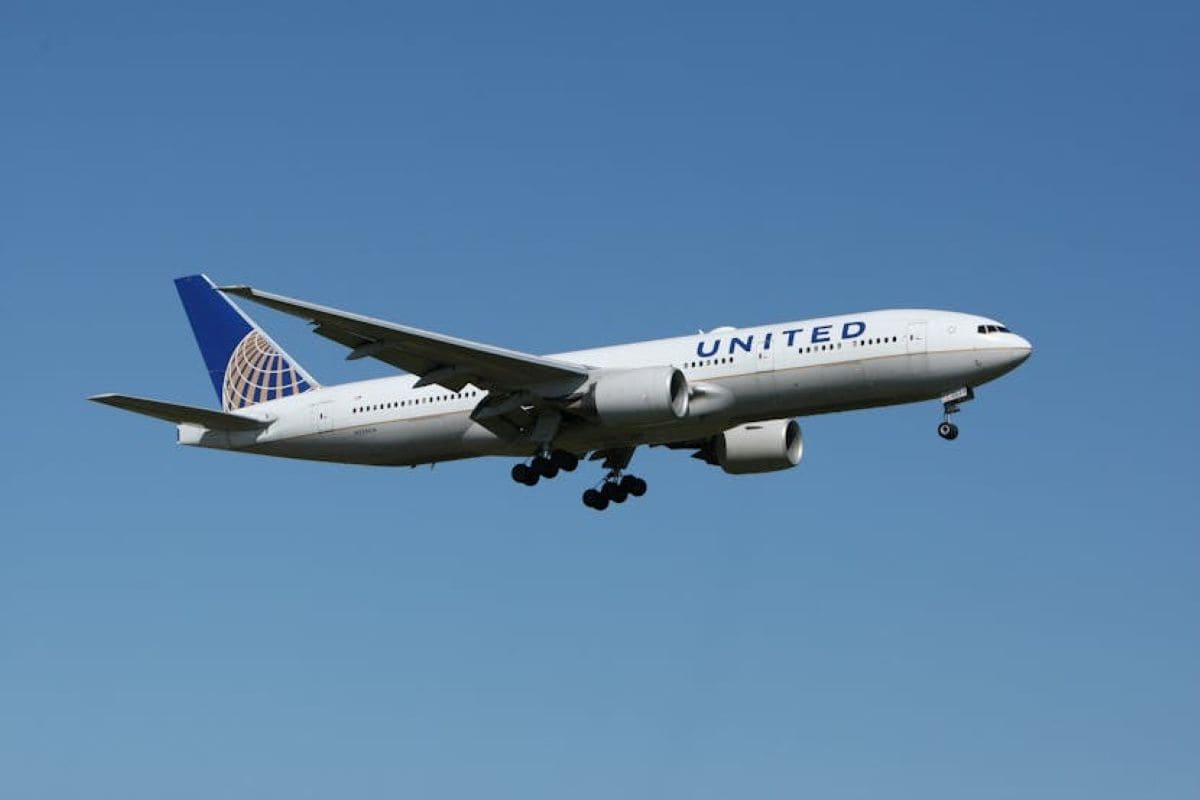
On August 8th, SkyWest, operating United Airlines Flight SKW5911, flew from Helena to Denver. After an unexpected disruption to an operational procedure and affecting the flight’s schedule, it was unable to continue on this flight and had to land at Western Nebraska Regional Airport, NE, USA. This flight was a regionally boarded flight that was to take the customers from Helena Regional Airport (HLN) to Denver International Airport (DEN).
SKW5911 was an Embraer E175LR that was diverted to a different flight circle in accordance to laws, regulations and safety commandments set out by aviation protocols. Although there has not been a public confirmation on the reasons for this operational diversion, the rationale can be tipped to include limited access to takeoff and landing due to operational regulations, diversion due to operational failures at the current airport, flight safety regulations, unpredictable changes to weather of the operational flight circle, and several other airborne situations that may present potential threat to the safety of the customers onboard and crew members.
Advertisement
The SkyWest Airlines flight from Helena to Denver was diverted to Scottsbluff instead of continuing towards its planned destination. The aircraft was scheduled to depart Helena Regional Airport at 2:20 PM and arrive at Denver International Airport at 4:36 PM.
The Embraer E175LR aircraft was redirected to Western Nebraska Regional Airport, commonly identified by the airport code BFF. The specific reason for the diversion has not been officially confirmed.
Advertisement
Advertisement
Airlines make diversion decisions after evaluating multiple operational factors. These may include weather conditions, airport availability, air traffic restrictions, aircraft considerations or passenger-related situations.
A diversion does not always indicate an emergency. In commercial aviation, it is often a precautionary action taken by pilots and airline operations teams when continuing to the original destination may not be the best option.
By selecting Scottsbluff as an alternative airport, the flight crew followed established aviation procedures designed to maintain safe operations.

Denver International Airport is one of the busiest aviation hubs in the United States and regularly handles thousands of flights. However, its location near the Rocky Mountains means weather conditions can change quickly.
Thunderstorms, strong winds, turbulence and reduced visibility can affect aircraft approaches and departures. During periods of unstable weather, airlines may delay, reroute or divert flights to alternative airports.
The Helena to Denver route connects passengers from Montana with one of the country’s largest connecting hubs. Any disruption at Denver can influence regional flight operations.
Scottsbluff provides a practical alternative for aircraft approaching Denver when unexpected challenges occur. Smaller regional aircraft, including the Embraer E175LR operated by SkyWest Airlines, can use airports such as BFF when required.
Pilots work closely with airline dispatch teams and air traffic controllers to assess conditions and choose the safest available option.

When a flight diverts, airline teams immediately begin coordinating the next steps for passengers and crew. After landing at an alternative airport, the airline evaluates whether the aircraft can continue to its original destination.
The decision depends on several factors, including weather updates, aircraft readiness, fuel requirements, airport services and crew working limits.
Passengers may experience delays while airline staff arrange onward travel plans. If conditions improve, the aircraft may continue towards Denver. If the disruption continues, passengers may receive alternative arrangements.
At regional airports such as Scottsbluff, passenger support may require additional coordination because these facilities operate differently from large international airports.
Despite the inconvenience, diversion procedures are designed to ensure passengers reach their destinations safely rather than forcing aircraft to continue under uncertain conditions.
Flight diversions are a critical part of modern aviation safety systems. They allow pilots and airlines to respond quickly when unexpected challenges occur during a journey.
The SkyWest Airlines flight from Helena to Denver demonstrates how aviation professionals use flexibility and careful planning to manage disruptions. Pilots continuously monitor weather conditions, aircraft performance and airport operations throughout every flight.
Regional airlines such as SkyWest connect smaller communities with major aviation hubs, making reliable operational planning essential. Alternative airports provide valuable support when primary destinations experience difficulties.
Although diversions can affect schedules, they represent a safety-first approach within the aviation industry. The ability to redirect aircraft ensures that passenger protection remains the highest priority.
The diversion to Scottsbluff on 8 August 2026 reflects how airlines use established procedures to handle uncertainty while maintaining safe and efficient air travel.
SkyWest Operated United Airlines Flight SKW5911 from Helena to Denver diverts to Western Nebraska Regional Airport on August 8th. This situation demonstrates that aviation safety procedures are priority guidelines that help airlines make informed decisions amid an emergency. The SkyWest flight for United Airlines was able to safely leave its planned path that was scheduled from Helena to Denver and was able to land on Nebraska air space in Western Nebraska Regional Airport.
While the cause of this planned diversion was unable to be verified, it is important to note that the diversion was made with the aim of fast and timely passenger safety and protection and was prioritized over the company’s schedule or the planned path that was made. For Western Nebraska Regional Airport and other alternative airports, this diversion was a planned strategic operational decision. It is evident that there is a cohesive operational relationship between the regional airlines, the major air carriers and the airport systems in supporting the disruption of SKW5911. The procedure and diversion operational systems in the air transport operations of the United States are prioritized to remain flexible and continue to meet the safety requirements of air transport operations.
Advertisement
Advertisement
Advertisement













Saturday, September 5, 2026
Friday, September 4, 2026

Saturday, September 5, 2026

Saturday, September 5, 2026

Thursday, September 3, 2026

Wednesday, September 2, 2026

Saturday, September 5, 2026

Saturday, September 5, 2026


