
Saint Lucia Comes Forward With Dominican Republic And More In Powering Caribbean Tourism With Over 1% Growth In H1 Overnight Stays Through Day-to-Stay Port Strategy

Published
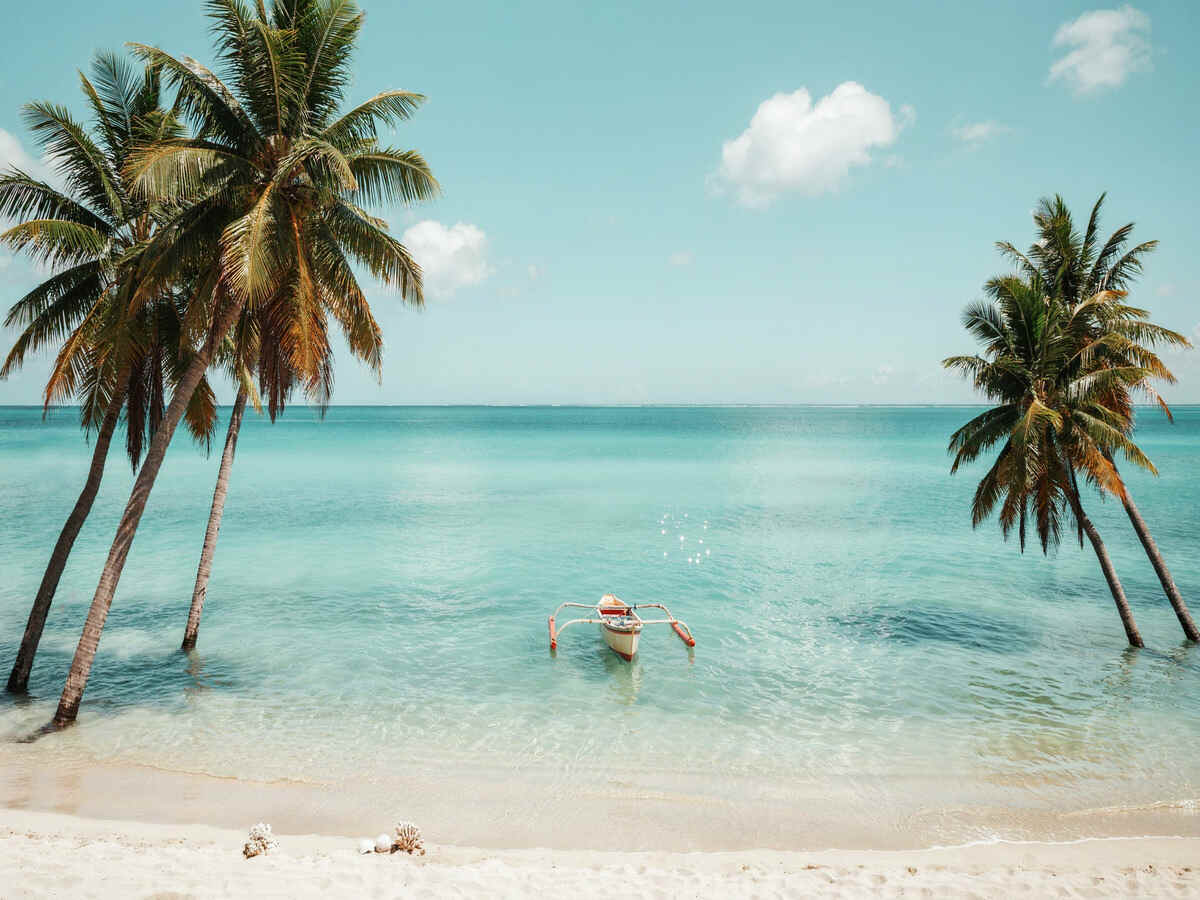
St. Lucia and Dominican Republic channel cruise boom into stayover tourism, propelling Caribbean growth of 1%+. It is time to acknowledge the monumental transformation in the Caribbean hospitality industry. In the first half of 2026, the Caribbean welcomed an unprecedented number of 21.7 million cruise passengers—a 11% growth in the year-on-year basis. At the same time, stayover tourism grew by just 1.9%, with nearly 19 million tourists arriving.
While these dual metrics highlight a multi-speed travel economy, visionary Caribbean destinations are not viewing this dynamic as a setback. Instead, forward-thinking island authorities from Saint Lucia and the Dominican Republic to Sint Maarten and Grenada are deploying a sophisticated “Day-to-Stay Port Strategy.” By converting single-day shore excursionists into future multi-night hotel guests and diversifying source markets beyond a cooling U.S. base, these countries are successfully safeguarding high-yield tourism revenue and powering sustainable regional expansion.
Advertisement
Advertisement
The Economic Equation: Stayover Yield vs. Cruise Mass
To understand why Caribbean tourism boards are so focused on converting sea visits to land stays, one must look at the structural financial differences between the two visitor types.
While record cruise passenger numbers showcase the magnetic pull of Caribbean ports, overnight visitors generate significantly higher daily direct spending. Land-based stayovers sustain average daily room rates (ADR), power local restaurant economies, and generate crucial tax revenue for island infrastructure.
Advertisement
Advertisement
Regional Country Breakdown: How Key Destinations Are Driving Growth
Saint Lucia: The Boutique Luxury & Cultural Funnel
Saint Lucia has emerged as a major driver in the Caribbean’s land-based transformation by seamlessly blending cruise-port exposure with luxury resort conversion.
- Targeted Cruise Conversion: Saint Lucia’s tourism authority has partnered with premier onshore operators to offer exclusive “Day-Pass Escapes” for high-end cruise passengers visiting Port Castries. These curated day tours provide access to iconic piton-view luxury resorts, private beach clubs, and spa amenities, accompanied by direct “bounce-back” booking incentives for return stays.
- Luxury Room Pipeline Expansion: To capture these converting travelers, the island is expanding its existing resort inventory by over 29%, prioritizing eco-luxury villas, boutique wellness retreats, and private residences.
- Diversified European & Canadian Outreach: While U.S. demand has flattened regionally, Saint Lucia has leveraged strong airlift out of London and Toronto to capture high-spending overnight visitors seeking long-stay escapes.
Dominican Republic: The High-Volume Infrastructure Titan
As the region’s largest destination by sheer visitor numbers, the Dominican Republic continues to set the benchmark for high-capacity tourism infrastructure, aiming for 11.4 million total visitors.
Advertisement
Advertisement
- Expanding Emerging Horizons: Rather than relying solely on established enclaves like Punta Cana, the Dominican Republic has opened up pristine regions such as Miches and Pedernales, backing them with eco-friendly mega-resorts and integrated cruise hubs.
- Port-to-Resort Integration: The country has upgraded its cruise facilities at Taino Bay and Amber Cove to operate as showcase gateways. Cruise passengers stepping ashore are introduced to regional culture, gastronomy, and eco-tours, effectively positioning the north coast as a prime candidate for subsequent week-long vacations.
- South American Route Mastery: Taking full advantage of a 19.5% regional surge in South American arrivals, the nation expanded direct flight frequencies via carriers like Avianca and LATAM from South American hubs.
Sint Maarten: The Direct Airlift Mastermind
Sint Maarten recorded a spectacular 21.4% surge in air stayover arrivals (reaching 566,722 visitors), far outstripping the regional average and demonstrating the power of route optimization.
- Secondary Gateway Capture: Recognizing that primary U.S. gateways were leveling off, Sint Maarten aggressively expanded direct non-stop flights from secondary American cities, including Chicago, Orlando, Baltimore, and Fort Lauderdale.
- Dual-Destination Appeal: Capitalizing on its unique status as a two-nation island (Dutch Sint Maarten and French Saint-Martin), port authorities leverage dual-culture day tours to entice cruise guests back for extended stays focused on gastronomy and nightlife.
- Robust Cruise Recovery: Alongside its air arrival boom, Sint Maarten welcomed 993,649 cruise passenger visits (+13.9%), demonstrating that port volume and stayover growth can scale simultaneously when backed by strong infrastructure.
Grenada: The Spice Isle’s High-Yield Revolution
Grenada achieved an impressive 14.2% increase in stayover arrivals through the first five months of the year, driven by a hyper-focused luxury strategy.
- Experiential Day-to-Stay Funnels: Grenada’s port authority has transformed its cruise terminal experience in St. George’s. Instead of standard retail exits, departing cruise guests are guided through authentic rum-tasting, cocoa-farm, and marine-park activations that highlight the island’s unique heritage.
- Upscale Accommodation Growth: By introducing high-end resort brands and expanding private villa rentals, Grenada has successfully increased its yield per guest, keeping room occupancy high even during broader market slowdowns.
- Targeted UK & North American Campaigns: Focused marketing pushes showcasing Grenada’s natural beauty and culinary distinction have sustained strong booking momentum across both the U.S. and European source markets.
Curaçao & Saint Vincent: The Southern Caribbean Vanguard
The Dutch Caribbean island of Curaçao and the Grenadines archipelago of Saint Vincent have become vital growth engines in the southern sector.
- Curaçao’s South American Focus: By establishing deep airlift connections with South American nations, Curaçao recorded strong double-digit growth, proving that regional diversification reduces reliance on single-market trends.
- Saint Vincent’s International Gateway: With the expansion of Argyle International Airport and the opening of new international brand resorts, Saint Vincent and the Grenadines transitioned from a yachting-only enclave into a premier destination for long-stay luxury travelers.
Inside the “Day-to-Stay Port Strategy”: How the Conversion Engine Works
The core engine powering this growth across the Caribbean is a structured four-pillar operational playbook designed to turn day trips into long vacations.
- Pillar I: Onshore Cultural Showcase
Tourism boards are re-engineering port zones. Instead of generic, duty-free shopping plazas, ports now feature live artisan demonstrations, local culinary tasting stations, and interactive eco-exhibits. - Pillar II: Strategic Resort Day-Pass Programs
Hotels partner with cruise lines to offer premium “Day Pass” packages. A cruise guest spends six hours enjoying a resort’s pools, restaurants, and private beaches, experiencing the exact lifestyle they can unlock on a full-week reservation. - Pillar III: Digital Retargeting Infrastructure
Through destination Wi-Fi portals at cruise terminals and popular tour sites, island tourism boards collect opt-in visitor data. Once passengers return home, they receive personalized email offers featuring direct flight availability and resort promotions. - Pillar IV: Incentive-Backed Return Packages
In collaboration with resort associations, destinations issue “Return to Paradise” vouchers offering cruise visitors exclusive credits on food, beverage, and spa services if they book a minimum 5-night stayover within 12 months.
Strategic Levers: Boosting Regional Performance Beyond 2026
To sustain this positive momentum, Caribbean nations are implementing a broader set of structural strategies designed to lift overall travel volume.
Expanding Secondary Airlift Connectivity
With core hub routes from New York and Miami reaching saturation, island aviation authorities are working directly with regional and low-cost carriers to establish non-stop routes from secondary cities across North America. Airlines like BermudAir, WestJet, and regional Caribbean operators have expanded winter seat capacity by 12%, ensuring steady passenger flows directly to smaller island gateways.
Advertisement
Advertisement
Tapping High-Growth Global Source Markets
While American stayovers saw a moderate 1.6% increase (reaching 9.18 million visitors), other global markets showed exceptional strength:
- South America: Soared by 19.5% (1.19 million visitors), driven by expanded flight connections.
- Canada: Delivered solid 5.9% growth (1.77 million visitors), supported by targeted winter promotions in key metro areas like Toronto and Montreal.
- Europe: Maintained a stable foundation at 2.56 million visitors, with strong performance in French and British territories.
Diversifying Accommodation Stock
To cater to evolving post-pandemic travel preferences, islands are looking beyond traditional hotel inventory. The rapid growth of luxury private villas, boutique eco-lodges, and short-term condo rentals has allowed destinations to host remote workers and multigenerational families who prefer longer, immersive stays.
A Resilient Trajectory for Caribbean Hospitality
The first half of 2026 has proven that the Caribbean tourism economy is adaptable. While a 1.9% increase in stayovers reflects a normalizing land market, the simultaneous influx of 21.7 million cruise visitors provides an unprecedented opportunity.
Saint Lucia and the Dominican Republic manage large cruise traffic surges to become stays, thus generating growth rates of more than 1%.
Countries such as Saint Lucia, Dominican Republic, Sint Maarten, and Grenada are showing how this can be done through the implementation of the Day-to-Stay Port Strategy where proactive airlift development, source market development, and creation of novel onshore offerings have resulted in the confident path to Caribbean growth.
Advertisement
