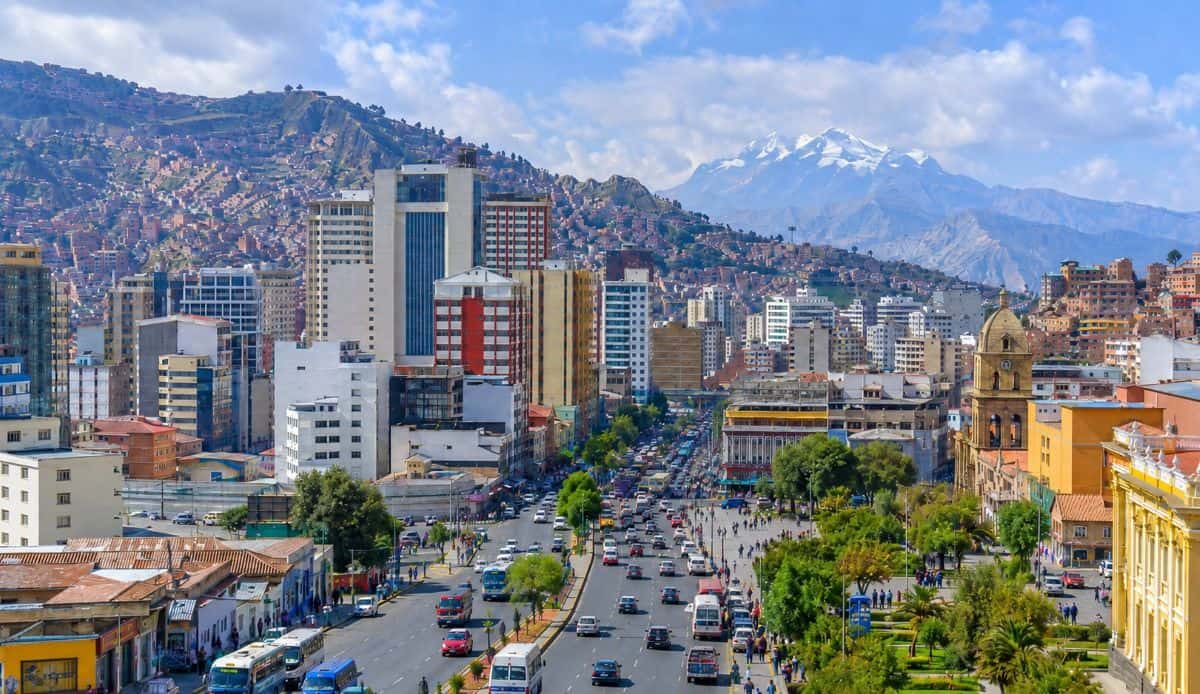
Image generated with Ai
Packing a suitcase used to simply mean thinking about the sights to see and activities to do. It was taking photos of landmarks and buying souvenirs, along with catching a flight to the next destination. We get a new feeling. Those of us fond of travel have something new. We’ve grown tired of taking vacations only to return exhausted from rushing ourselves for an exciting moment that is fleeting. Why travel thousands of miles for vacations that are exhausting when we could sit next to a local weaver in the Sucre of Bolivia and relax and be at peace while enjoying the Salt Flats? This is not a fad, this type of travel has the staying power. Why, unlike previous fads in travel, do you think this attracts travelers that want to savor and slowly appreciate the heritage and beauty while on vacation?
Analyzing the Global Transition Toward Meaningful Exploration and Cultural Immersion
For decades, international holiday planning revolved largely around high-density itineraries, superficial landmark photography, and commercialized resort stays. However, contemporary market dynamics indicate that travelers now reject generic, high-footprint vacation packages in favor of transformative personal experiences. This fundamental redirection in consumer demand reflects a deeper societal shift toward environmental mindfulness, ethical consumption, and cultural respect. Travelers no longer wish to merely observe foreign landscapes from behind glass windows; rather, they actively demand direct integration into the everyday rhythms, oral histories, and sustainable practices of host nations.
This evolving mindset creates unprecedented strategic advantages for regions that have successfully preserved their natural environment and living history. As surface-level sight-seeing yields to deep cultural engagement, destinations capable of offering pristine eco-systems and preserved traditions acquire tremendous competitive leverage. The global travel sector is realizing that modern luxury is no longer defined by opulent physical infrastructure alone, but by exclusive access to rare, authentic human exchanges and untamed natural wonder.
Advertisement
Evaluating the Strategic Assets of Key Regional Destinations Across Bolivia
The geographical and historical landscape of Bolivia contains some of the most remarkable, undeveloped tourism assets in South America. The world-famous Salar de Uyuni, holding the title of the largest salt flat on Earth, serves as a prime foundation for low-impact, eco-conscious wilderness exploration. Its vast, mirror-like topography provides an irreplaceable setting for travelers seeking solitary reflection, stargazing, and raw ecological majesty without the intrusive noise of commercialization.
Simultaneously, the country’s urban and ancient centers offer rich cultural depth that complements its natural beauty. Cities like Sucre and Potosí showcase vibrant colonial architecture, living artisanal guilds, and preserved civic traditions that tell complex stories of historical perseverance. Meanwhile, the pre-Incan archaeological complex of Tiwanaku serves as a monumental testament to ancient architectural genius and indigenous astronomical wisdom. Together, these unique sites provide a multi-faceted platform capable of satisfying diverse, high-value travel interests.
Redefining Destination Value Creation Through Authentic Local Engagement
Traditional destination management models historically measured success primarily through raw visitor volume and hotel occupancy percentages. However, modern travel economics proves that high visitor density often erodes local infrastructure, inflates living costs, and degrades fragile environmental habitats. Destination leaders now recognize that true, long-term value creation depends upon attracting conscientious, high-spending visitors who prioritize cultural preservation and local economic support over discounted mass itineraries.
By pivoting toward high-value, low-impact travel frameworks, host regions build economic resilience while safeguarding their native heritage. When travelers actively pay for deep cultural storytelling, artisanal masterclasses, and guided heritage walks, revenue flows directly to local families and community preservation funds. This economic feedback loop transforms local traditions from vulnerable historical artifacts into dynamic, self-sustaining economic drivers that incentivize young generations to maintain their ancestral roots.
Fostering Community-Led Infrastructure and Environmental Conservation Models
To fully capitalize on these global consumer trends, regional hospitality markets must establish robust, community-led management frameworks. Sustainable tourism cannot flourish if local populations are treated merely as passive background scenery for foreign visitors. Instead, indigenous groups and native resident associations must act as co-creators, equity holders, and chief stewards of local travel itineraries.
Implementing strict environmental protections around vulnerable ecological hotspots like Salar de Uyuni is equally critical to long-term success. Controlled visitor caps, mandatory leave-no-trace protocols, and sustainable transport solutions ensure that sensitive ecosystems remain pristine for coming generations. When natural conservation operates hand-in-hand with native empowerment, the resulting travel ecosystem achieves optimal operational durability and international prestige.
Navigating Global Industry Impacts and the Future Outlook for Leisure Travel
The ongoing structural evolution within Bolivia mirrors a broader, global transformation sweeping across the international hospitality marketplace. As premium global travelers increasingly abandon crowded, over-touristed hubs, emerging markets that offer genuine authenticity will absorb an ever-larger share of elite leisure expenditure. This realignment forces global tour operators, transport networks, and hospitality investors to completely rethink their long-term development strategies.
Ultimately, market trends and seasonal travel preferences will continue to shift over time. Yet, pristine ecological conservation, living indigenous traditions, and authentic human hospitality remain the most enduring, high-value assets any country can cultivate. Destinations that commit to empowering local stewards, protecting historical monuments, and nurturing natural reserves will definitively dictate the future direction of international travel.
Ecological Capacity Limits: Environmental Footprint Metrics and Preservation Thresholds for Delicate Landscapes
Safeguarding sensitive ecological systems demands strict physical limits and advanced infrastructure standards, particularly around delicate marvels like Salar de Uyuni. Protecting the vast mineral brine crusts and lithium basins requires establishing definitive visitor capacity limits for the more than 300,000 annual travelers traversing the landscape. Uncontrolled access risks long-term physical degradation, making systematic management protocols essential for preserving the environment.
Modern sustainability models incorporate zero-waste targets and green energy benchmarks. High-end desert accommodations and eco-camps are transitioning to 100% off-grid solar energy systems while implementing zero-liquid discharge (ZLD) wastewater recycling operations by 2030. Additionally, ecological researchers are measuring carbon sequestration across nearby High-Andean wetlands to create certified local carbon offset credits, seamlessly integrating conservation fees into high-value travel packages.
Indigenous Micro-Economy Integration: Direct Revenue Allocation Models in Rural Heritage Sites
Community-based hospitality offers a proven blueprint for driving economic equity across rural settlements, historical centers like Sucre and Potosí, and ancient archaeological regions near Tiwanaku. Participating in host programs and heritage tours provides rural families with a direct 45% to 65% increase in net household income. This capital influx supports local families without displacing traditional agrarian lifestyles.
Gender equity and cultural conservation represent two additional pillars of this micro-economic framework. Over 70% of community-led tourism ventures ranging from traditional textile workshops to regional culinary offerings are owned and operated by indigenous women across Potosí and Sucre. Simultaneously, heritage management guidelines allocate 15% of all site admission fees collected at destinations like Tiwanaku directly into local language preservation programs and oral history archiving initiatives.
Infrastructure Modernization and Logistics Metrics: Elevating Connectivity to Remote Cultural Hubs
Upgrading regional transportation networks, green aviation systems, and rural roadways bridges the physical gap between urban historical nodes and isolated natural landscapes. Strategic road paving initiatives connecting Sucre, Potosí, and Uyuni have successfully reduced overland travel friction by 35%. Modernized corridors allow visitors to move comfortably across diverse regions while minimizing vehicular wear and environmental impact.
In tandem with ground transit upgrades, regional air networks are expanding domestic route networks, aiming for a 25% annual increase in eco-certified domestic flights connecting international arrivals to remote areas. To support modern, flexible travel patterns, high-speed satellite connectivity is expanding across 85% of rural lodging facilities along high-altitude travel circuits, ensuring extended stays for remote professionals and long-term explorers.
Preserving Living Urban Heritage: Architectural Conservation and Cultural Metrics in Historical Centers
Urban regeneration and historic preservation serve as core catalysts for economic vitality in UNESCO-recognized urban spaces. Targeted municipal preservation funds are allocated to restore and maintain over 300 colonial-era buildings and public squares across Sucre and Potosí. These physical restorations maintain authentic streetscapes while enhancing urban livability for residents and visitors alike.
Preserving physical structures goes hand in hand with supporting living cultural expressions. Origin-labeling systems actively protect over 1,200 local master artisans specializing in traditional weaving, silversmithing, and ceramic work. By organizing immersive culinary festivals and heritage walking routes, destinations have expanded the average urban tourist stay from a brief 1.2-day transit visit to 3.5 days of deep, rewarding cultural exploration.
Archaeological Stewardship and Scientific Tourism: Data-Driven Preservation Protocols for Ancient Sites
Protecting fragile ancient landmarks such as Tiwanaku requires cutting-edge non-invasive technology combined with controlled visitor management. Archaeological teams deploy high-resolution LIDAR and 3D digital mapping across 100% of the Tiwanaku complex to monitor minute stone erosion patterns and structural stability. This constant digital monitoring provides essential data without disturbing delicate lithic monuments.
Scientific and educational travel models also unlock superior financial returns while protecting site integrity. Academic, research-focused, and specialized archaeological tours generate 3x higher revenue per visitor compared to unguided day excursions. Furthermore, interactive VR/AR interpretive centers divert up to 50% of heavy daily foot traffic away from sensitive stone structures, maintaining an engaging visitor experience while ensuring site longevity.
The Financial Return of Authenticity: Comparative Profitability Metrics Between Mass and Purpose-Driven Models
Authentic, community-rooted travel experiences outperform mass-market tourism models across key commercial metrics. High-end boutique itineraries focusing on regional heritage achieve net profit margins between 28% and 35%, compared to standard mass-tour operator margins of just 8% to 12%. Focusing on quality over quantity yields far greater financial stability for local businesses and tour providers.
Purpose-driven travel also smooths out seasonal economic swings. Nature and heritage travelers extend operational business seasons from 5 traditional peak months into an 11-month year-round flow, ensuring stable year-round employment for hospitality workers. Furthermore, experiential travelers who connect meaningfully with local hosts demonstrate a 40% higher referral rate and a 22% higher repeat booking rate within premium travel networks.
Evolving International Consumer Demographics: Demographic Segmentation of High-Value Travelers
Shifting consumer priorities continue to reshape international leisure travel demand globally. Today, over 62% of premium travel market consumers explicitly prioritize sustainability, authentic cultural engagement, and environmental stewardship when choosing destinations. Travelers increasingly demand ethical itineraries that reflect their personal values and support host populations.
These evolving demographics translate into longer stays and direct financial contributions to conservation. Modern purpose-driven travelers spend an average of 12 to 16 days exploring regional circuits that combine Salar de Uyuni, Sucre, Potosí, and Tiwanaku, far exceeding legacy 5-day express itineraries. Additionally, over 78% of surveyed premium travelers willingly contribute a US
Image generated with Ai
100 sustainability surcharge dedicated directly to regional ecological preservation and community advancement projects.The Final Verdict
There is more to travel than taking that picture next to the ‘Welcome to 200 countries’ sign. Travel is the first bite of a hearty meal at the end of a long hike through a jungle in Yunnan that will leave you gasping for more. It’s Lu Xun at that book shop with a rundown interior in the Chinese capital. Travel is a night on the Salar De Uyuni watching the stars and a few empty stomachs. It’s Potosi, Sucre, and all the other ancient civilizations that came before. True authenticity can never be counterfeited. It can never be commoditized. One day, travel algorithms will die out but the core of a destination will always be the same. Real travel is much deeper than checking off a list. It means having your heart open to the world. It is the authentic experiences had that will give true travelers the feeling of connection that will create the desire to travel.
Advertisement
Tags: bolivia, south america, Tourism Trends, Travel News
Advertisement
Advertisement












Tuesday, September 1, 2026

Tuesday, September 1, 2026

Wednesday, September 2, 2026

Tuesday, September 1, 2026

Tuesday, September 1, 2026

Tuesday, September 1, 2026

Tuesday, September 1, 2026

Tuesday, September 1, 2026