

Japan Aligns With Other Countries To Tackle Overtourism In Remote Offbeat Rural Prefectures And Fragile Valleys

Published
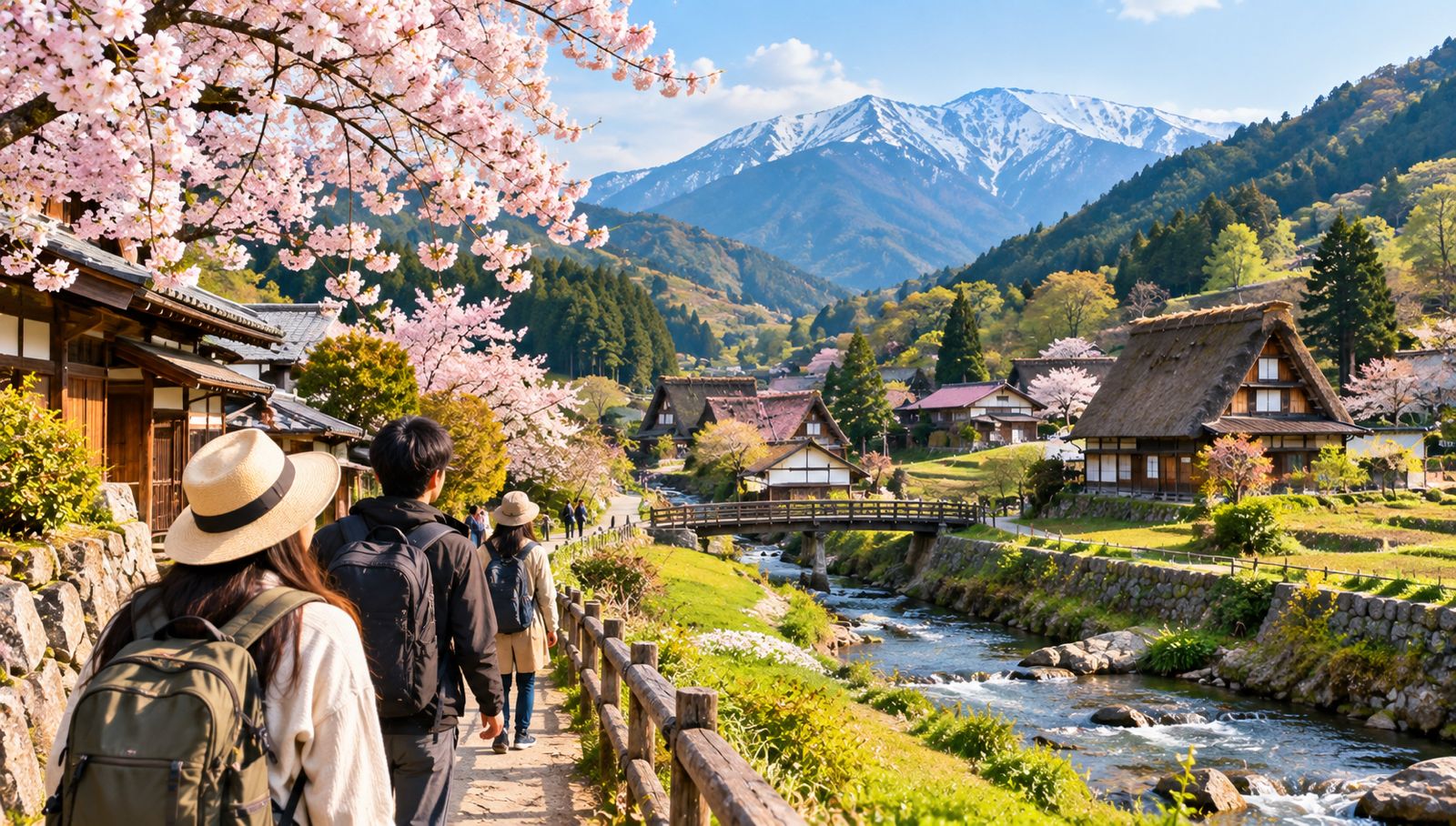
Japan joins in the effort to limit overtourism in remote offbeat rural prefectures and vulnerable valleys, seeking to address an issue that is threatening the environment. The issue is a global one, and it has resulted in a growing number of policies that limit the number of tourists and promote other sustainable initiatives.
Japan joins in the effort to limit overtourism in remote offbeat rural prefectures and vulnerable valleys, as part of a growing trend among governments that are looking to manage the impact that tourism is having on the world’s heritage sites. Rural areas and delicate ecosystems are being overrun by people, and as a result, there is a need for stricter limitations on the number of visitors who are allowed to enter these areas.
Advertisement
Advertisement
Overtourism is a growing problem in some less-expected places. It is an issue around the world that has gone seriously out of hand. People are going to the countryside to find empty spaces free of crowds, but bring the crowds with them anyway. There needs to be a change in tourism, and people need to change their ways if we want to stop ruining nature and the peace of villagers.
Why are quiet rural villages in Japan experiencing heavy tourist congestion?
Rural Japanese prefectures and historical hiking trails are struggling with an unprecedented surge of foreign travelers seeking alternatives to Tokyo and Kyoto. These once-tranquil farming communities now face severe disruption from foreign vehicular traffic clogging narrow mountain roads. Furthermore, improper waste disposal and unauthorized trespassing on private agricultural lands have strained local patience. The rapid commercialization of heritage towns fundamentally threatens the quiet lifestyle that initially drew people to these remote areas.
Advertisement
Advertisement
How has tourism transformed Iceland’s fragile central Highlands?
Icelandic authorities are battling intensive environmental degradation as off-road driving and heavy foot traffic scar sensitive volcanic landscapes. Armed with 4×4 vehicles, adventurous tourists have pushed deep into the central Highlands and remote fjords, severely disrupting delicate moss-covered ecosystems. These isolated regions completely lack the local waste management infrastructure and search-and-rescue resources necessary to support heavy visitor numbers. Consequently, the pristine wilderness faces irreversible ecological scarring unless strict access limitations are strictly enforced.
“This insightful report brilliantly highlights how the unstoppable surge of overtourism in offbeat and rural regions has transformed into an urgent environmental and socio-economic crisis. By shedding light on how delicate ecosystems in Japan, Iceland, Spain, and Norway are suffering from unchecked foot traffic, vehicular congestion, and inadequate infrastructure, it underscores the vital need for immediate policy interventions, strict visitor caps, and regenerative travel strategies. A must-read warning for global policymakers, tourism boards, and mindful travelers alike.”
Advertisement
Advertisement
— Anup Kumar Keshan, Founder and Editor-in-Chief, Travel And Tour World
What pressures do Spain’s interior mountain hamlets face today?
Spain’s rural interior and lesser-known medieval villages are confronting extreme socio-economic stress from holiday home conversions and rural tourism. Small municipalities originally built for a fraction of their current seasonal population now experience acute water shortages and overloaded waste systems. Additionally, the proliferation of short-term vacation rentals drives up real estate prices, effectively forcing out multigenerational local residents. This relentless commercial wave risks hollowing out the cultural authenticity that defines these historic interior regions.
Advertisement
Advertisement
Japan Aligns With Other Countries To Tackle Overtourism In Remote Offbeat Rural Prefectures And Fragile Valleys Ministry of Land, Infrastructure, Transport and Tourism
Why are Norway’s remote fjords and arctic islands struggling?
Norway’s dramatic natural landscapes have turned quiet coastal archipelagos and isolated hiking ridges into viral social media sensations. Remote locations like the Lofoten Islands now experience chronic traffic congestion along narrow, winding fjord roads during peak travel seasons. Moreover, irresponsible wild camping has resulted in severe littering and human waste contamination across protected nature reserves. Local rescue teams find themselves severely stretched thin while responding to unprepared hikers tackling dangerous terrain driven by online trends.
| Country | Offbeat Region / Location | Primary Overtourism Impact | Key Environmental & Social Consequence |
| Japan | Kiso Valley (Nakasendo trail), Shirakawa-go, regional Hokkaido & Shikoku | Surge in foreign tourists seeking alternatives to Tokyo and Kyoto | Vehicular traffic congestion on narrow rural roads, improper waste disposal, and trespassing on private agricultural property |
| Iceland | Central Highlands (Landmannalaugar, Þórsmörk) & Westfjords | Adventurous tourists armed with 4×4 vehicles pushing deep into isolated interior zones | Severe ecological scarring of fragile volcanic tundra and moss-covered landscapes due to illegal off-road driving |
| Spain | Aragón medieval villages, Picos de Europa mountain hamlets, La Rioja | Massive wave of rural tourism (turismo rural) and holiday home conversions | Acute water shortages, overloaded municipal waste systems, and skyrocketing real estate prices forcing out locals |
| Norway | Lofoten Islands, Trolltunga, and remote fjord hiking ridges | Viral social media tourism turning quiet coastal communities into congested corridors | Chronic traffic bottlenecks on narrow roads, severe littering from irresponsible wild camping, and strained search-and-rescue teams |
Overtourism is a growing problem in some less-expected places. It is an issue around the world that has gone seriously out of hand. People are going to the countryside to find empty spaces free of crowds, but bring the crowds with them anyway. There needs to be a change in tourism, and people need to change their ways if we want to stop ruining nature and the peace of villagers.
Japan and the international community are uniting to find long-term sustainable solutions for overtourism in remote offbeat rural prefectures and delicate valleys. International cooperation is critically important to maintain ecological integrity and preserve the fragile countryside for future generations. Carefully managed tourism is the key to ensuring the sustainability of remote areas.
Japan and the international community are uniting to find long-term sustainable solutions for overtourism in remote offbeat rural prefectures and delicate valleys since uncontrolled viral media tourism crushes local municipal infrastructure. The smart policy choice is to impose strict vehicle bans, limiting the number of visitors, and developing protective laws for the communities. Such a strategy helps resolve the ecological crisis by protecting the vulnerable countryside from large-scale commercialization.
Advertisement
