
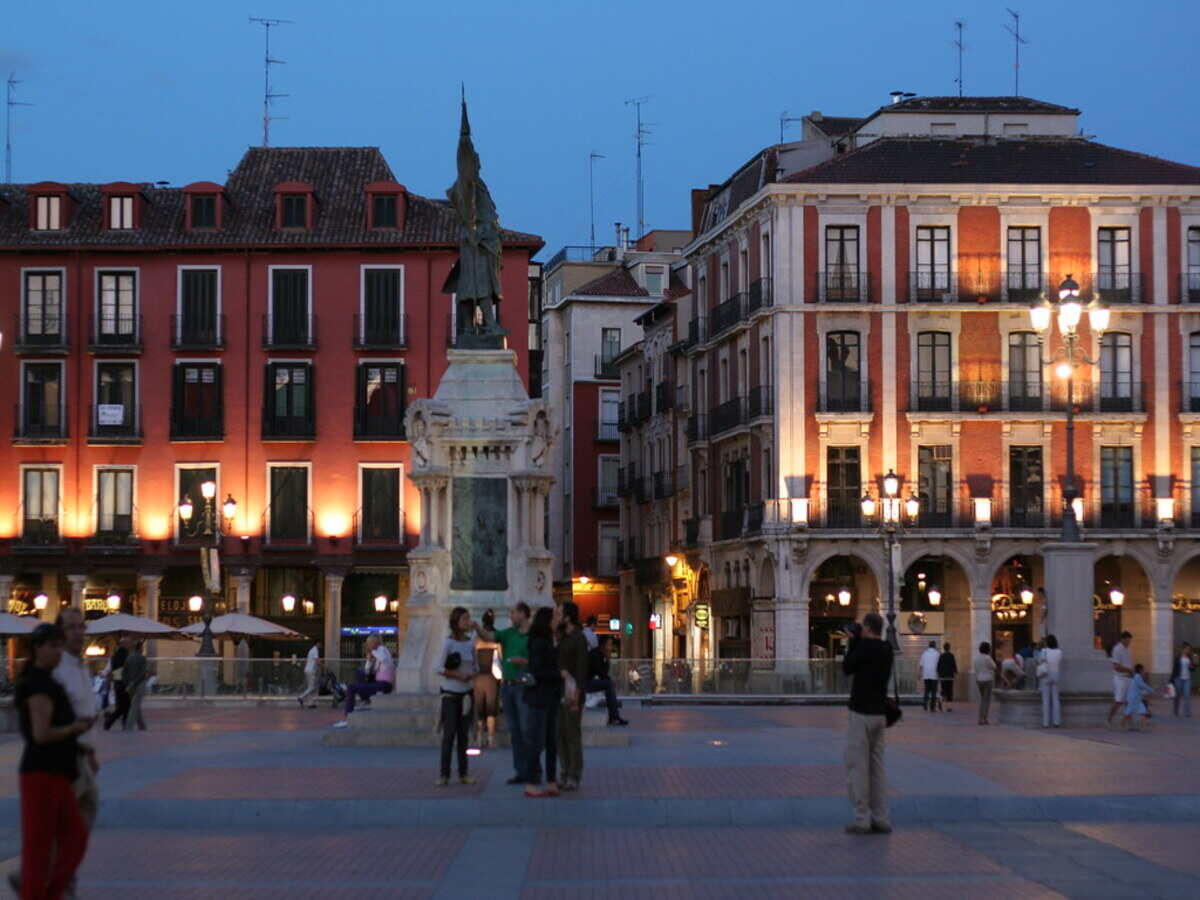
Image generated with Ai
Tourism revenues in Spain have been driven by emerging countries and Italy, considering the country has experienced an impressive 58 million tourist arrivals in July 2026. Tourism in Spain has now entered into a highly successful growth phase in 2026 after recording 58 million tourists who made substantial revenues in the first seven months of the year. While conventional countries such as the UK, France and Germany remain major sources of tourists in the country, emerging European countries like Italy have brought in fresh energy to Spain’s tourism industry.
The country welcomed 58.1 million international tourists between January and July 2026, marking a 4.6% increase compared with the previous year. Tourism spending climbed even faster, reaching €82.05 billion, up 7.8% year-on-year, highlighting Spain’s successful shift towards attracting higher-value travellers rather than relying only on visitor volume.
Advertisement
July delivered another historic milestone, with Spain recording 11.5 million international visitors in a single month, the highest monthly figure ever achieved. Tourist expenditure reached €18.22 billion during July, rising by 10.9% compared with the same period last year.
Behind this record performance is a changing tourism landscape where established markets remain strong while new countries are increasingly contributing to Spain’s revenue growth.
Advertisement
The United Kingdom remains Spain’s most powerful international tourism market in 2026. British travellers continue to represent the largest share of overseas visitors, supporting Spain’s coastal destinations, islands, luxury resorts and city tourism.
Between January and July 2026, the UK generated around 11.5 million visitors, maintaining its position as Spain’s leading source market. British arrivals increased by 4.6% compared with the previous year.
During July alone, the UK delivered approximately 2.2 million visitors, accounting for nearly one-fifth of Spain’s international arrivals for the month. British tourists also contributed significantly to tourism spending, strengthening demand for hotels, restaurants, entertainment and premium travel experiences.
Spain continues to benefit from strong air connectivity between British cities and Spanish destinations. Popular areas including the Balearic Islands, Canary Islands, Costa del Sol and Barcelona remain highly attractive for UK travellers.
Advertisement
Advertisement
France remains another major force supporting Spain’s tourism success.
French travellers continue to benefit from Spain’s geographical proximity, extensive rail and road connections, cultural links and year-round travel opportunities.
During the first seven months of 2026, France ranked among Spain’s three largest international markets, contributing approximately 7.2 million visitors.
In July, France delivered around 1.58 million visitors, representing approximately 13.7% of Spain’s international arrivals during the month.
French demand has supported not only traditional beach destinations but also cultural tourism in Madrid, Barcelona, Valencia and historic Spanish cities.
Germany continues to play a major role in Spain’s tourism economy, especially for island destinations and Mediterranean resorts.
German visitors remain highly important for:
However, Germany’s growth has been slower compared with other markets in 2026. The country recorded around 6.9 million visitors between January and July, remaining among Spain’s largest tourism suppliers.
The German market remains strategically important because of its strong spending power and long-standing relationship with Spanish destinations.
Italy has emerged as one of the biggest success stories of Spain tourism in 2026.
Italian travellers recorded one of the strongest growth performances among Spain’s major source markets. Between January and July, Spain welcomed around 3.5 million Italian visitors, representing a 10.3% increase compared with the previous year.
This growth has positioned Italy as an increasingly influential market in Spain’s tourism revenue expansion.
Italian travellers are supporting:
The rise of Italy highlights Spain’s ability to attract stronger demand from nearby European markets beyond its traditional visitor base.
The Netherlands remains another important contributor to Spain’s tourism expansion.
Dutch travellers continue to support Spain through demand for:
Although Italy has shown stronger percentage growth in 2026, the Netherlands continues contributing valuable visitor spending to Spain’s tourism economy.
The Dutch market is also important for Spain’s strategy of encouraging longer stays and attracting travellers interested in nature, cycling, rural tourism and authentic experiences.
Spain’s 2026 tourism growth is increasingly supported by a wider group of European markets.
Countries beyond the traditional top three markets are helping Spain diversify its international visitor base.
Growing contributors include:
Belgium continues strengthening Spain’s tourism demand through leisure travel, cultural holidays and Mediterranean breaks.
Belgian visitors are attracted by Spain’s accessibility, climate, gastronomy and diverse destinations.
Portugal remains an important regional tourism partner due to geographical proximity and strong cross-border travel.
Portuguese visitors contribute to city tourism, weekend travel and cultural experiences.
Northern European countries continue supporting Spain’s year-round tourism model.
These travellers are particularly important for:
Spain’s ability to attract visitors outside the traditional summer season has become a major part of its tourism strategy.
Spain’s record tourism performance is not only driven by international demand. The country has introduced several strategies designed to increase competitiveness, improve visitor experiences and create sustainable long-term growth.
Spain is actively moving away from a traditional “sun and beach” model.
The country is promoting:
The objective is to encourage travellers to discover less crowded regions while increasing tourism revenue across more communities.
Regions such as Galicia, Castilla-La Mancha and northern Spain are receiving greater attention through campaigns highlighting authentic experiences.
Spain’s tourism strategy is increasingly centred on value rather than only volume.
The stronger increase in spending compared with visitor numbers shows that travellers are spending more on:
Tourism spending growth of 7.8% compared with visitor growth of 4.6% demonstrates this shift.
Spain is investing in technology to improve tourism management.
Digital strategies are helping destinations:
Smart destination programmes are designed to make Spain more competitive in the global tourism market.
Spain is also focusing on managing the challenges created by record visitor numbers.
The country is working to:
This approach aims to ensure tourism growth benefits local communities while protecting Spain’s attractions.
Air connectivity remains one of Spain’s strongest tourism advantages.
Major airports, including Madrid and Barcelona, continue supporting international arrivals by connecting Spain with major global markets.
Growing airline capacity and strong European connectivity are helping Spain attract visitors from both established and emerging markets.
The combination of strong source markets, rising spending and strategic tourism development has placed Spain on track for another record year.
With 58.1 million visitors already recorded by July 2026, Spain is moving closer towards achieving the milestone of welcoming more than 100 million international tourists in a single year.
The country’s success is being powered by a combination of traditional tourism leaders such as the UK, France and Germany, alongside faster-growing markets including Italy, the Netherlands and other European countries.
Tourism revenues in Spain continue to grow as tourists from Italy, Netherlands and emerging markets drive record tourism revenues in Spain, following 58 million arrivals in July 2026.
Hence, the Spanish tourism story for 2026 will not be merely one of increased numbers but of a shift to a different model where more nations in Europe contribute to record tourism revenue growth.
Image Source : https://socialnewsroom.spain.info/media-gallery/
Advertisement
Advertisement
Advertisement













Saturday, September 5, 2026

Friday, September 4, 2026

Saturday, September 5, 2026

Saturday, September 5, 2026

Thursday, September 3, 2026

Wednesday, September 2, 2026

Saturday, September 5, 2026

Saturday, September 5, 2026


