
Liverpool Outshines Birmingham for American Holiday Travelers as 2026 Christmas Markets Add Waterfront Thrills and Ice Rinks

Published
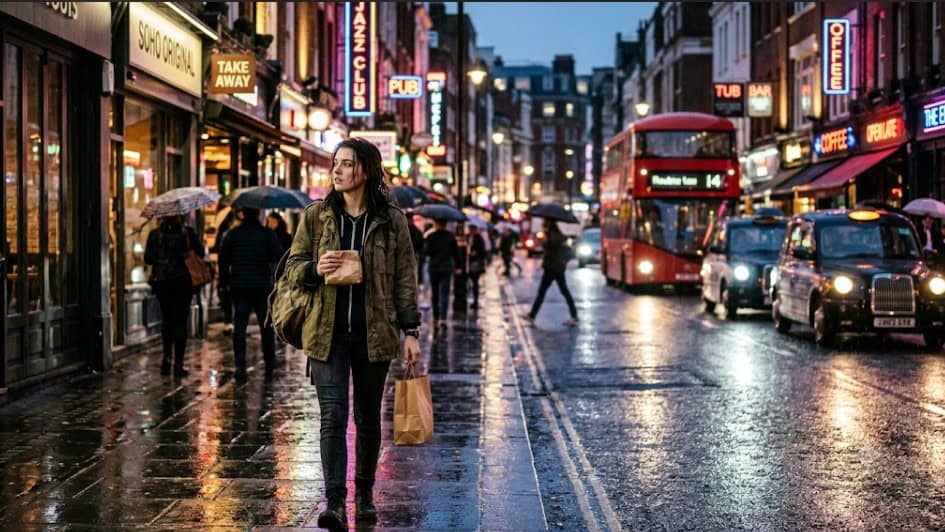
Liverpool Beats Birmingham for US Holiday Tourists as 2026 Christmas Markets Add Rinks & Waterfront Thrills across the UK’s festive tourism landscape. Transatlantic travel patterns show American holidaymakers increasingly favoring maritime charm and UNESCO City of Music heritage. Liverpool’s festive expansion combines heritage architecture, waterfront entertainment, and festive markets. St George’s Plateau and Pier Head draw international visitors seeking authentic seasonal experiences. Strategic tourism investments and cultural attractions reposition Liverpool as a premier winter destination, outperforming regional competitors through distinct visitor offerings.
Background: The Evolving Landscape of UK Winter Tourism
The British seasonal tourism sector has undergone a significant transformation in recent years, driven by changing international visitor preferences, post-pandemic travel rebounds, and strategic infrastructure investments by local government bodies. Historically, London and Edinburgh dominated international winter tourism, while regional hubs competed for domestic market share. However, official data from national tourism boards, including VisitBritain and the Office for National Statistics (ONS), highlights a shifting dynamic among inbound long-haul travellers, particularly visitors from the United States.
American tourists heading to the United Kingdom during the fourth quarter are increasingly looking beyond traditional capital city itineraries. Mid-sized urban destinations featuring strong cultural identities, compact city footprints, and distinct festive offerings have seen record-high growth in international room-night bookings. Within this competitive regional landscape, the West Midlands and the North West of England have emerged as the primary regions vying for transatlantic holiday spenders.
For over a decade, Birmingham’s Frankfurt Christmas Market served as the undisputed cornerstone of regional winter tourism, drawing millions of regional and international visitors annually. However, recent visitor flow analyses and official municipal data reveal that Liverpool Beats Birmingham for US Holiday Tourists as 2026 Christmas Markets Add Rinks & Waterfront Thrills across its central footprint. By combining maritime history, global pop-culture heritage, and an expanding multi-site festive installation, Liverpool has created a compelling alternative that resonates strongly with the US travel market.
Advertisement
Advertisement
+-----------------------------------------------------------------------------------+
|               UK REGIONAL INBOUND TOURISM & FESTIVE PERFORMANCE PROFILE           |
+------------------------------------+-------------------------+--------------------+
| Tourism Metric                     | Liverpool               | Birmingham         |
+------------------------------------+-------------------------+--------------------+
| Inbound Overseas Visits (Annual)   | ~918,000                | ~927,000           |
| Primary Festive Anchor             | St George's & Pier Head | Victoria Square    |
| Ice Skating Infrastructure         | Dual Open-Air Rinks     | Centenary Square   |
| Cultural UNESCO Designation        | City of Music           | None               |
| Average Holiday Stay Length        | 4 Days                  | 2-3 Days           |
+------------------------------------+-------------------------+--------------------+
Latest Official Developments: Liverpool’s 2026 Winter Programme Expansion
Liverpool City Council, in partnership with Culture Liverpool and regional transport authority Merseytravel, officially confirmed the expanded operational framework for the 2026 winter season. Running from 21 November 2026 to 3 January 2027, the city’s festive footprint spans multiple iconic zones across the city centre, integrating historic landmarks with modern waterfront leisure complexes.
The focal point of the 2026 festivities is centered on St George’s Plateau. Situated directly opposite Liverpool Lime Street station, the neoclassical precinct hosts the city’s primary market installation. The marquee addition for the 2026 calendar is Skate St George’s, a purpose-built 675-square-foot open-air ice skating rink set against the backdrop of the Grade I listed hall. The attraction operates daily from 10:00 AM to 10:00 PM, catering to both local families and international holidaymakers.
Advertisement
Advertisement
Simultaneously, the Liverpool Waterfront has expanded its winter setup through the Liverpool Christmas Wonderland at Pier Head. Set beneath the famous ‘Three Graces’—the Royal Liver Building, the Cunard Building, and the Port of Liverpool Building—this maritime extension introduces a second, fully covered ice skating facility alongside high-capacity fairground rides, festive food chalets, and observational wheels overlooking the River Mersey.
+-----------------------------------------------------------------------------------+
|                     LIVERPOOL 2026 FESTIVE FOOTPRINT OVERVIEW                     |
+-----------------------+-------------------------------+---------------------------+
| Zone                  | Key Attractions               | Target Audience           |
+-----------------------+-------------------------------+---------------------------+
| St George's Plateau   | Skate St George's, Craft      | Families, Culture Seekers |
|                       | Chalets, Ski Bar              |                           |
| Pier Head Waterfront  | Covered Ice Rink, Thrill      | International Tourists,   |
|                       | Rides, Big Wheel              | Evening Visitors          |
| Royal Albert Dock     | Light Trail, Maritime Dining, | Heritage Travelers,       |
|                       | Independent Boutiques         | Shoppers                  |
+-----------------------+-------------------------------+---------------------------+
Government & Municipal Announcements
Official briefings from the Liverpool City Region Combined Authority (LCRCA) emphasize the strategic importance of seasonal tourism within the wider economic development strategy. The Metro Mayor and local cabinet members highlighted that international tourism spend during the fourth quarter provides critical liquidity for the region’s retail, hospitality, and transport sectors.
Advertisement
Advertisement
The 2026 seasonal campaign has benefited from directed municipal investment aimed at visitor management, sustainability, and physical accessibility. Liverpool City Halls and event operators Underbelly implemented comprehensive accessibility frameworks at St George’s Hall. Facilities include ramped access routes across cobblestone areas, dedicated Blue Badge parking along William Brown Street, and ground-floor Changing Places facilities inside the historic venue.
Furthermore, to manage the increased footfall expected across the city’s festive footprint, Merseytravel announced enhanced public transport schedules connecting Liverpool John Lennon Airport, Manchester Airport, and Liverpool Lime Street with major hotel districts. Official policy directives mandate a cashless-preferred payment infrastructure across official market chalets to streamline transactions, reduce queuing times, and enhance security for international travelers using foreign-issued credit cards.
Comparative Data & Tourism Statistics: Liverpool vs. Birmingham
National statistics published by VisitBritain highlight the competitive dynamics between the UK’s major urban centers. While London remains the top inbound destination overall, regional rankings demonstrate close competition between West Midlands and North West destinations for inbound holiday traffic.
In official inbound visit counts, Birmingham recorded approximately 927,000 overnight overseas stays annually, closely followed by Liverpool at 918,000. However, disaggregated survey data focused specifically on transatlantic travelers from the United States reveals a clear preference for Liverpool during the holiday period.
Advertisement
Advertisement
+-----------------------------------------------------------------------------------+
|              VISITBRITAIN INBOUND OVERNIGHT VISITS DATA (KEY CITIES)              |
+-----------------------+-----------------------+-----------------------------------+
| Rank                  | City                  | Inbound Overseas Visits (000s)    |
+-----------------------+-----------------------+-----------------------------------+
| 1                     | London                | 20,949                            |
| 2                     | Edinburgh             | 2,559                             |
| 3                     | Manchester            | 1,521                             |
| 4                     | Birmingham            | 927                               |
| 5                     | Liverpool             | 918                               |
+-----------------------+-----------------------+-----------------------------------+
Key factors contributing to this trend include:
- Length of Stay: Transatlantic tourists visiting Liverpool stay an average of 4 days, compared to 2–3 days for visitors to Birmingham.
- Cultural Clustering: Liverpool offers high density of world-class attractions within walking distance, including the Royal Albert Dock, the Tate Liverpool, the Beatles Story, and the waterfront precinct.
- Perceived Safety and Walkability: On standard safety indices, Liverpool scores 6.7 and Birmingham 6.8. However, Liverpool’s pedestrianised historic core and unified waterfront provide an easily navigable visitor experience for international tourists unfamiliar with UK urban layouts.
+-----------------------------------------------------------------------------------+
|                 TRAVEL METRICS: LIVERPOOL VS BIRMINGHAM COMPARISON               |
+------------------------------------+--------------------+-------------------------+
| Indicator                          | Liverpool          | Birmingham              |
+------------------------------------+--------------------+-------------------------+
| Recommended Itinerary Duration     | 4 Days             | 2-3 Days                |
| Midrange Daily Travel Cost (USD)   | $150               | $140                    |
| Peak vs Off-Peak Price Variance   | 1.8x               | 1.2x                    |
| Nightlife Rating (out of 10)       | 8.0                | 7.0                     |
| Cultural Immersion Differential   | +1 Point Higher    | Baseline Comparison     |
+------------------------------------+--------------------+-------------------------+
Policy Implications and Municipal Tourism Strategies
The ongoing rivalry between regional UK cities for international market share has led to important policy adjustments at the municipal level. In Liverpool, the local authority has integrated seasonal events into its broader 10-year Visitor Economy Strategy. Rather than treating Christmas markets as isolated commercial pop-ups, policy guidelines require event organizers to integrate local businesses, regional food producers, and cultural institutions into the festive program.
For instance, the 2026 framework mandates that market vendors at St George’s Plateau prioritize sustainable local sourcing, offering regional specialties alongside traditional European market fare like glühwein and bratwurst. Craft markets on Lark Lane and Woolton Village are formally linked to central municipal promotions, encouraging international visitors to explore suburban heritage neighborhoods during their stays.
In contrast, Birmingham’s policy framework has historically focused on high-density commercial markets centered around Victoria Square and New Street. While highly successful in generating local footfall, urban planning studies indicate that Birmingham’s commercial market layout faces spatial constraints, limiting the introduction of large-scale infrastructure like open-air ice rinks or waterfront thrill rides without causing major pedestrian bottlenecks in the retail core.
Industry Impact: Hospitality, Retail, and Transport Sectors
The surge in American holiday travelers visiting Liverpool during the winter season has had a measurable impact across the regional economy. According to regional tourism summaries, overall economic output generated by visitors to the Liverpool City Region exceeds £4.8 billion annually, with fourth-quarter activity contributing a significant portion of total retail and accommodation revenues.
Hotel and Accommodation Sector
Hotels across the Liverpool city centre report high occupancy rates throughout November and December, with luxury and boutique establishments benefiting from US tourist spend. Properties situated near key festive hubs—such as School Lane, Castle Street, and the Royal Albert Dock—record peak-season rate increases of up to 1.8 times off-peak baselines. American tourists exhibit a strong preference for heritage properties and full-service accommodation packages that include festive dining and walking tours.
Advertisement
Advertisement
Retail and Local Artisans
The high concentration of footfall around St George’s Plateau, Liverpool ONE, and Church Street creates strong commercial synergies between temporary festive chalets and permanent retail establishments. Independent retailers in the Baltic Triangle and Cavern Quarter report positive spillover effects, as international tourists follow citywide light trails and cultural routes connecting the main Christmas market hubs.
+-----------------------------------------------------------------------------------+
|               ESTIMATED ECONOMIC SECTOR SPLIT: Q4 FESTIVE TOURISM                 |
+----------------------------------+------------------------------------------------+
| Sector                           | Revenue Impact / Operational Focus             |
+----------------------------------+------------------------------------------------+
| Accommodation & Hotels           | High seasonal demand; peak rate premium 1.8x   |
| Food, Beverage & Dining          | Traditional pub trade, chalets, fine dining    |
| Transport & Public Transit       | Rail arrivals at Lime Street, Mersey Ferries   |
| Retail & Independent Crafts      | Liverpool ONE, Baltic Quarter, market stalls   |
+----------------------------------+------------------------------------------------+
Economic Implications: Transatlantic Spend & Regional Growth
The growing preference of American tourists for Liverpool over competing UK destinations highlights broader economic trends within international leisure travel. Transatlantic travelers represent one of the highest-spending inbound demographics for the UK tourism economy. On average, US tourists spend more per day and record longer stay durations than short-haul European visitors, generating substantial local tax revenues and supporting year-round employment in the service sector.
By expanding its festive offerings—such as dual ice-skating experiences (Skate St George’s and Pier Head Waterfront), high-capacity observational wheels, and curated cultural entertainment—Liverpool successfully captures a higher proportion of non-accommodation holiday expenditure. Data from regional economic assessments shows that international visitors contribute directly to sustaining jobs across food service, cultural heritage management, private transport, and local artisan manufacturing.
Furthermore, the stability of Liverpool’s visitor economy during the shoulder and winter months helps mitigate seasonal employment fluctuations commonly seen in coastal and regional tourism destinations. Municipal investment in winter infrastructure delivers long-term capital assets and reinforces the city’s global brand identity as a year-round destination.
Tourism, Business, and Public Impact
The expansion of Liverpool’s festive offerings impacts international leisure travelers, local residents, and regional businesses alike.
International Tourist Experience
For American holidaymakers, Liverpool offers an attractive combination of world-famous cultural heritage and immersive seasonal festivities. Visitors can explore iconic music sites, visit world-class art galleries, and experience festive ice skating against historic architectural backdrops—all within a walkable, safe, and welcoming city footprint.
Advertisement
Advertisement
Local Public and Community Access
While the festive installations cater heavily to inbound tourists, local authorities have ensured that community benefits remain central to planning. St George’s Plateau and Pier Head offer open public access to market spaces, with ticketed attractions like Skate St George’s providing off-peak discounts for local school groups and community organizations. Public transport enhancements reduce inner-city traffic congestion, encouraging residents to utilize rail and bus networks when visiting central festive zones.
Business and Commercial Enterprise
Local business improvement districts (BIDs) report that integrated festive campaigns drive sustained footfall across retail corridors, preventing holiday spending leakage to online platforms or out-of-town shopping centers. The inclusion of local food vendors and independent artisans within official market chalets provides small businesses with exposure to international consumers.
Official Statements and Authoritative Perspectives
Official representatives from national and regional bodies have underscored the importance of Liverpool’s winter tourism performance within the UK’s broader economic recovery strategy.
According to official research briefings published by VisitBritain:
“Inbound holiday tourism during the winter months represents a key growth vector for the UK regional economy. Cities that successfully combine cultural identity, high-quality public infrastructure, and authentic seasonal experiences continue to capture a growing share of high-value transatlantic travel.”
Statements issued by Liverpool City Halls regarding the 2026 festive program emphasize citywide collaboration and accessible design:
Advertisement
Advertisement
“The 2026 festive program at St George’s Plateau and Pier Head showcases Liverpool’s ability to deliver world-class public events within historic urban spaces. By expanding our ice skating infrastructure and festive attractions, we offer an unmissable seasonal experience for international visitors while ensuring full accessibility and community benefit for our local residents.”
Future Outlook: Long-Term Tourism Positioning
As Liverpool continues to strengthen its winter tourism infrastructure, industry analysts project sustained growth in transatlantic holiday bookings through late 2026 and into 2027. The successful implementation of dual festive hubs—anchored by St George’s Hall in the civic quarter and Pier Head along the maritime waterfront—establishes a scalable model for urban seasonal events.
Key priorities for future development include:
- Enhanced Direct Connectivity: Strengthening transport links between regional airports, high-speed rail networks, and maritime terminals to facilitate seamless travel for long-haul visitors.
- Expanded Cultural Partnerships: Deepening collaborations between market operators, municipal museums, and iconic heritage sites like the Royal Albert Dock to extend average stay durations beyond 4 days.
- Sustainable Event Management: Accelerating green energy initiatives across market installations, including zero-emission ice-rink refrigeration systems and mandatory waste-reduction protocols for vendors.
Through strategic municipal planning, investment in public infrastructure, and natural cultural appeal, Liverpool is well-positioned to maintain its competitive edge over regional rivals like Birmingham, securing its place as a top-tier European winter holiday destination for American and global travelers.
Advertisement
