
Australia Strengthens MICE Tourism With Local Dining and Smarter Border Travel

Published
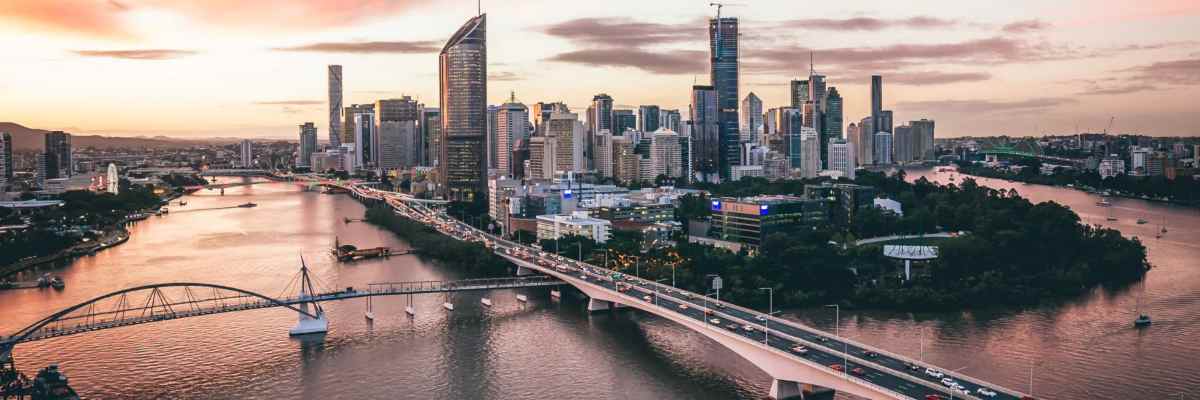
With Melbourne and Sydney becoming key conference and exhibition destination cities in the world, Australia is integrating sustainable events and digital border processes with the changing face of business travel in the Asia-Pacific region. The two cities have convention centres, international airports, many hotels and access to entertainment facilities, which enables the conference delegates to extend their itinerary into broader Australia.
Melbourne Puts Local Produce at the Centre
The Melbourne Convention and Exhibition Centre (MCEC) has continued to place local sourcing and sustainable catering at the centre of its event strategy.
The venue says 95% of its suppliers are Victorian and 100% are Australian, while its sustainable events guidance encourages organisers to choose locally sourced food and lower-impact menus. MCEC also reports that it donated 3,200 kilograms of unused food to its community partner OzHarvest in 2024.
The user-provided information refers to a new joint policy with ICC Sydney requiring at least 85% of event catering ingredients to come from within 150 kilometres of each venue.
Advertisement
Advertisement
That specific joint policy and the 85% threshold could not be independently verified through the current public information published by either convention centre. The development should therefore be treated as a reported initiative rather than an independently confirmed requirement.
MCEC Builds a Sustainable Events Platform
MCEC’s wider sustainability programme includes renewable electricity, waste reduction, local procurement and food-rescue initiatives.
Advertisement
Advertisement
The venue says it achieved 100% renewable electricity across its operations in 2025 and reduced carbon emissions at the centre by almost 50% against its baseline. Its longer-term roadmap targets net zero emissions by 2050.
Food is particularly relevant to event sustainability because MCEC identifies catering among its significant sources of emissions. Its sustainability guidance encourages event organisers to use more plant-based choices, locally sourced ingredients, reusable service items and accurate catering quantities.
For international delegates, this creates an event experience that connects conference catering with produce and suppliers from Victoria.
Sydney Develops Low-Carbon Event Dining
Sydney’s International Convention Centre Sydney (ICC Sydney) is also expanding its focus on local and seasonal food.
Its 2026 Planet First menu is built around local and seasonal sourcing, Indigenous ingredients and carbon-footprint analysis of individual dishes. The venue says it works with regional producers and First Nations communities while prioritising responsibly sourced seafood and free-range poultry.
ICC Sydney has previously reported significant purchasing from New South Wales suppliers, including food and beverage products, while its sustainability policy places local procurement and environmental performance among its purchasing considerations.
Advertisement
Advertisement
For conference organisers, this provides another way to incorporate Australian food production into international events.
Sydney Offers a Strong Business Travel Base
ICC Sydney is located in Darling Harbour, placing delegates close to hotels, restaurants, public transport and attractions.
Visitors attending conferences can explore the harbour, Sydney Opera House, Royal Botanic Garden and nearby cultural districts between meetings. The city also provides domestic connections to destinations across Australia, allowing business travellers to extend their trips beyond Sydney.
Melbourne offers a similar combination of conference infrastructure and leisure opportunities, with MCEC located close to the Yarra River, South Wharf, central Melbourne and the city’s extensive public transport network.
Trans-Tasman Travel Moves Towards Digital Processing
Australia and New Zealand have been working towards a more seamless trans-Tasman travel experience through digital passenger information and biometric technology.
The Trans-Tasman Seamless Travel Group was established to explore ways of moving towards contactless travel using digital credentials and facial recognition.
Advertisement
Advertisement
Australia has already expanded its Australia Travel Declaration, a digital alternative to the paper incoming passenger card. In July 2026, the Australian Government said more than 450,000 passengers on eligible Qantas services arriving in Brisbane, Sydney and Melbourne had participated in the trial since October 2024.
Sydney Already Has a Trans-Tasman Digital Trial
In August 2025, selected Qantas passengers arriving at Sydney Airport from New Zealand were able to use the digital declaration through the airline’s app.
The system provides travellers with a digital pass containing a QR code, which can be presented to Australian Border Force and Department of Agriculture, Fisheries and Forestry officers for processing.
The user-provided information describes a further expansion to registered corporate delegate groups travelling between Sydney, Melbourne and Auckland. I could not independently verify that specific extension through current Australian government material.
Corporate Travel Between Australia and New Zealand
Sydney and Melbourne are important gateways for international association meetings, corporate conferences and incentive programmes, while Auckland provides a major business-events destination across the Tasman Sea.
More digital processing could eventually make multi-city business itineraries easier to manage, although travellers remain subject to immigration, customs and biosecurity requirements.
Advertisement
Advertisement
For corporate groups, advance registration and clear passenger information will remain important where digital systems or event-specific arrangements are introduced.
Business Events Can Become Longer Holidays
Australia’s major convention cities also provide opportunities for delegates to extend professional journeys into leisure trips.
Melbourne offers food, arts, sporting and cultural experiences, while Sydney combines beaches, harbour attractions, museums and outdoor activities. Travellers moving between Australia and New Zealand can also build longer regional itineraries around conference schedules.
The combination of local event catering and digital travel infrastructure adds another layer to the business visitor experience.
Australia Connects Sustainability With Mobility
The development of the MICE industry in Australia is taking place in two different directions: first, by focusing on local event logistics and, second, by digitalising the travel experience for visitors. Both MCEC and ICC Sydney are working on their sustainability food and procurement policies; however, the shared policy of using locally sourced food of up to 85% still requires further confirmation. Australia’s programme for digital travel trans-Tasman includes passenger card and contactless travel schemes. Thus, delegates coming from abroad have access to convention facilities in Melbourne and Sydney, as well as to the local cuisine and business travel network.
Advertisement
