
Jordan Puts Petra And Wadi Rum Center Stage In The Most Unforgettable Travel Revival Of The Year, Here’s The Update

Published
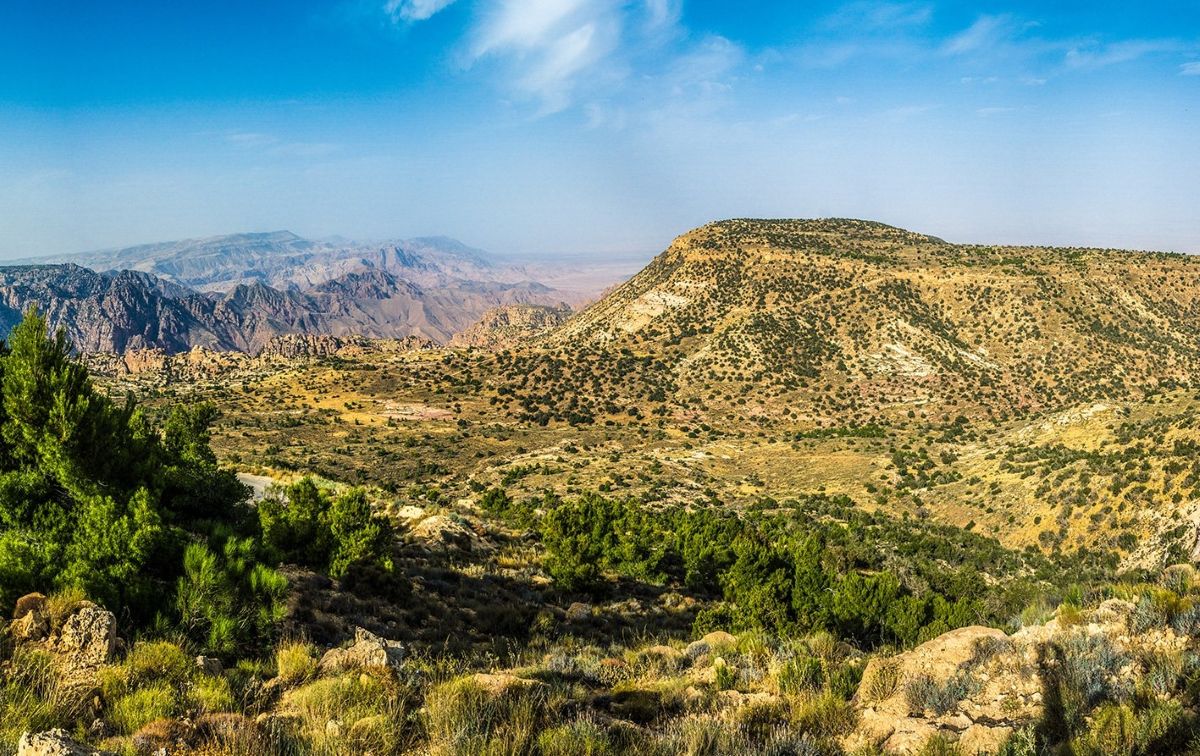
Image Credit jordantrail.org
Part of what makes travel alluring is wondering what previous eras of the world may have been like in the places that exist beyond the limits of time. I’m drawn to tales of the world and love to read and hear as many as I can. Recently, the stories from Jordan have been remarkable. A 17.2% increase in tourism figures may captivate some in the field of economics or journalism but it’s clear that there’s a much deeper story waiting to be told there. People there long to share their culture and art. For those who love to travel and see the world, it’s time you plan your visit to the Hashemite Kingdom of Jordan. This helps support and encourages their economy as well. You’ll want to see the world famous sites in Petra for yourself. Marvel at Jordan’s other worldly beautiful landscapes in Wadi Rum. If you long to travel and support art and culture around the world, Jordan is calling.
Understanding the Worldwide Repercussions on Global Travelers and Future International Itinerary Planning
Ultimately, the notable financial developments observed in Jordan carry significant lessons for global travelers planning cross-continental adventures. As regional tourism models shift, international vacationers must remain flexible regarding destination pricing, seasonal availability, and currency exchange fluctuations. Furthermore, observing how certain nationalities increase travel spending while others pull back helps independent explorers identify emerging, cost-effective travel hotspots around the globe.
Advertisement
Advertisement
In conclusion, the remarkable economic resilience demonstrated in Amman, Petra, and Wadi Rum proves that adaptability remains essential for both destination managers and global travelers. By keeping a close eye on these international financial trends, voyagers can craft smarter itineraries, secure better travel deals, and support sustainable tourism practices across the globe.
Evaluating Western Market Contractions and Global Macroeconomic Pressures Impacting International Travelers
Advertisement
Advertisement
Despite strong regional growth, official figures highlight notable contractions across several traditional Western and expatriate visitor segments. Specifically, revenue generated by Jordanian expatriates decreased by 5.9%, while spending from American travelers dropped by 17.2%. Furthermore, financial contributions from European visitors fell sharply by 23.7%, and other international nationalities experienced a steep reduction of 39.9%.
Travel economists attribute these downward trends to complex macroeconomic pressures, fluctuating long-haul flight costs, and shifting consumer confidence levels across Western economies. Consequently, destination marketing organizations must reassess their international outreach strategies to re-engage these vital long-haul markets. By addressing these economic hurdles, tourism leaders can foster a more balanced and resilient global traveler ecosystem.
Advertisement
Advertisement
Analyzing Demographic Shifts: Regional Catalysts and Market Drivers Shaping International Visitor Participation
A deeper inspection of recent statistical disclosures reveals a fascinating transformation in the demographic makeup of individuals visiting Jordan. Specifically, financial contributions originating from various Arab countries surged by an impressive 16.3%, while spending by Asian citizens expanded by 9.5%. Industry analysts suggest that geographical proximity, shared cultural ties, and tailored regional promotions served as primary catalysts behind this robust demographic expansion.
Moreover, these specific visitor cohorts successfully offset contractions observed in other international markets, stabilizing the national hospitality economy. Travel forecasters emphasize that understanding these shifting visitor demographics allows destination planners to customize future travel packages, ensuring long-term economic stability for the local tourism sector.
Investigating Strategic Infrastructure Enhancements and Modernization Efforts Across Historic Heritage Landmarks
Advertisement
Advertisement
Beyond immediate monetary gains, these remarkable financial milestones generate profound long-term benefits for regional development and infrastructure planning across Jordan. Stakeholders analyzing these growth indicators emphasize that sustained capital inflows allow government authorities to significantly enhance historical preservation efforts at iconic destinations like Petra and Wadi Rum. Consequently, visitors can expect better visitor safety protocols, upgraded transportation networks, and more streamlined ticketing procedures when exploring these ancient wonders.
Furthermore, tourism officials actively channel these incoming funds into sustainable hospitality frameworks designed to protect fragile desert ecosystems while simultaneously elevating guest satisfaction. By modernizing visitor centers and training local hospitality personnel, the region solidifies its competitive position within the broader Middle Eastern travel market. Ultimately, these structural upgrades ensure that global tourists enjoy richer, safer, and more organized cultural journeys for decades to come.
Unpacking the Financial Milestone: Evaluating August Monetary Earnings and Cumulative Eight Month Growth Dynamics
According to official financial statements published in Amman, the central banking authorities reported that national earnings reached US$1.139 billion during the month of August. Furthermore, this single-month performance represents an extraordinary 17.2% increase when compared directly against the corresponding period from the previous year. Consequently, economic researchers note that this dramatic monthly influx successfully boosted overall national commerce, proving that targeted regional initiatives yielded positive financial outcomes during peak vacation periods.
In addition to this monthly triumph, cumulative financial metrics indicate that total earnings for the first eight months climbed to US$5.5 billion, marking a steady 2.9% year-to-date growth relative to preceding timelines. Moreover, financial experts explain that these statistics reflect a resilient recovery process across the entire hospitality sector within the Hashemite Kingdom of Jordan. Therefore, destination leaders continue to invest heavily in modern infrastructure to accommodate the rising influx of international vacationers.
Assessing Archaeological Site Footfall Dynamics and Historic Landmark Visitor Distributions Across Petra
Advertisement
Advertisement
Recent statistical updates published by official administrative bodies located in Amman reveal detailed patterns concerning traveler footfall at the world-famous rock-cut monuments. Specifically, the ancient rose-red city of Petra welcomed exactly 318,311 visitors during the initial eight months of the year, representing a minor contraction of 2.1% when evaluated against the 325,121 arrivals recorded during the corresponding period previously. Furthermore, a closer examination of visitor demographics demonstrates that international travelers accounted for roughly 59% of total site admissions. Meanwhile, domestic excursionists and resident participants constituted the remaining 41%, highlighting the enduring cultural magnetism of these historic stone structures despite shifting global tourism trends.
Analyzing Regional Hospitality Market Rebounds and Mid-Year Economic Adjustments Within Amman
Economic evaluations compiled by central banking institutions situated in Amman indicate that national monetary performance experienced dynamic fluctuations throughout the calendar year. During the opening quarter, the sector encountered minor contractionary pressures, including a 3.8% dip in overall tourism income that amounted to $1.65 billion. However, a robust summer recovery successfully absorbed these early-year losses, driving cumulative earnings for the first eight months to an impressive $5.5 billion. This rapid financial stabilization clearly demonstrates that seasonal surges in hospitality expenditure effectively counterbalance interim macroeconomic softness across the broader economy.
Understanding Domestic Visitor Contributions and Resident Tourism Engagement Within the Hashemite Kingdom of Jordan
Comprehensive sector evaluations illustrate that domestic travel engagement and repeat leisure excursions across national heritage landmarks surpassed 1.3 million site visits during the first half of the year alone. By proactively encouraging local citizens and resident expatriates to explore regional attractions situated in Aqaba, Wadi Rum, and Jerash, destination planners maintained high baseline occupancy levels. Consequently, local hotels and hospitality enterprises successfully sustained stable operational revenues during periods when long-haul international arrivals experienced temporary fluctuations, proving the vital importance of domestic tourism resilience.
Investigating Comparative Growth Rates Among Neighboring Arab Nations and Regional Source Markets
Advertisement
Advertisement
Detailed financial reports indicate that tourism expenditure originating directly from neighboring Arab countries expanded by an impressive 16.3% year-to-date. This robust regional influx served as the primary financial cushion for the national hospitality sector, successfully offsetting broader international declines. Furthermore, these favorable metrics validate targeted cross-border marketing campaigns specifically designed to attract short-haul travelers seeking immersive cultural experiences throughout the Middle East.
Reviewing Long-High Visitor Metrics and Western Market Expenditure Adjustments Across Global Portals
Statistical reviews highlight noticeable contractions across traditional long-haul travel corridors, featuring a 17.1% decline in total spending from American visitors and a sharp 23.7% reduction from European tourists. Industry analysts attribute these downward shifts to rising transatlantic airfare costs, fluctuating consumer confidence indices within Western economies, and altered long-haul vacation budgeting priorities. Consequently, destination management organizations are actively reassessing their international outreach tactics to re-engage these vital overseas source markets.
Assessing Asian Visitor Influx Patterns and Emerging Aviation Connectivity Trends in Jordan
Official financial disclosures reveal that tourist spending generated by Asian citizens experienced a steady expansion of 9.5% throughout the monitored eight-month period. Industry specialists point out that enhanced flight connectivity, expanding airline route partnerships, and targeted promotional initiatives launched across East and South Asia acted as vital catalysts for this upward trend. As a result, diversifying international source markets continues to protect the national tourism economy against regional vulnerabilities.
Exploring Capital Infrastructure Investments and Historical Preservation Funding in Wadi Rum
Advertisement
Advertisement
Following national tourism revenues reaching $1.139 billion during the single month of August, destination management authorities channeled substantial capital into desert conservation and visitor safety infrastructure in Wadi Rum. These targeted investments are specifically designed to protect fragile desert ecosystems while simultaneously upgrading visitor center facilities, digital ticketing platforms, and eco-lodge sustainability standards. Ultimately, these improvements ensure that protected natural reserves maintain high ecological standards while delivering superior visitor experiences.
Projecting Long-Term Economic Resilience and National Hospitality Sector Growth Targets for the Coming Year
Building upon a strong annual baseline where previous full-year visitor arrivals exceeded 7.04 million and total tourism revenue climbed 7.6% to reach JOD 5.523 billion, financial planners project continued upward momentum. Economists anticipate that ongoing source market diversification and comprehensive infrastructure modernization will cement the nation’s reputation as a premier global heritage destination. Through careful strategic management, regional stakeholders remain well-positioned to sustain long-term economic prosperity across the entire hospitality ecosystem.
Assessing Hotel Room Occupancy Rates and Hospitality Infrastructure Capacities Across Amman and Regional Hubs
Industry surveys focused on the national accommodation sector reveal that the Hashemite Kingdom of Jordan encompasses approximately 38,186 hotel rooms distributed across 913 registered establishments. Within this broader hospitality network, Amman alone accounts for roughly 52% of the country’s total room stock.
Annual accommodation utilization metrics indicate an average classified hotel room occupancy baseline of around 31.8%. This figure illustrates how peak summer inflows—such as the robust economic activity recorded in August—provide vital operational revenues that help local properties successfully counterbalance quieter winter operating months.
Advertisement
Advertisement
Analyzing Outbound Travel Patterns and Resident Expatriate Tourism Trends Within Jordan
Official statistical reports published by administrative authorities in Amman highlight that while incoming tourism receipts climbed significantly, outbound travel by local residents experienced a distinct parallel shift. During the initial five months of the year, exactly 563,001 Jordanian citizens traveled abroad for leisure and tourism purposes.
This total marked a 13.1% decrease compared to the 647,516 outbound travelers documented during the corresponding period previously. Industry observers point out that this contraction reflects tighter domestic leisure budgeting practices adopted by households amid shifting regional economic adjustments.
Reviewing Remittance Inflows and Their Economic Interplay With National Hospitality Services
Financial disclosures released by central banking authorities situated in Amman note that, alongside rising tourism earnings, national economic stability received substantial support from an increase in incoming remittances. These financial transfers expanded by 11.9% during the early-year monitoring periods.
This steady influx of external capital reinforces household purchasing power across the country, which indirectly bolsters domestic tourism consumption. Consequently, local hospitality ventures operating in key regional destinations like Aqaba and Jerash maintain healthier year-round customer footfall.
Advertisement
Advertisement
Investigating Seasonal Tourism Peaks and Monthly Expenditure Records Throughout the Calendar Year
Historical tourism data demonstrates notable seasonality in visitor spending habits, with August consistently maintaining its position as one of the strongest revenue-generating months on record. During this single month, visitor expenditures generated US$1.139 billion, equivalent to approximately JD 660.9 million.
This prominent summer surge dramatically outperforms baseline monthly averages. It proves that targeted warm-weather promotional campaigns successfully maximize tourist spending and occupancy levels during the primary global holiday season.
Assessing Historical Site Admission Variances and Cultural Heritage Preservation Initiatives in Jerash and Aqaba
Beyond internationally renowned focal points such as Petra and Wadi Rum, secondary heritage attractions and coastal hubs like Jerash and Aqaba recorded diversified footfall trends. Regional municipal reports indicate that ongoing cultural tourism marketing successfully distributed visitor traffic across multiple governorates.
This decentralization ensures that historical preservation funding, derived directly from robust tourism revenues, is efficiently allocated toward safeguarding ancient architectural monuments and archaeological treasures nationwide.
Advertisement
Advertisement
The Final Verdict
The things you experience in the world impact your soul. The peace I’ve felt looking out over a large body of water or a never ending desert, is humbling and gives you a small amount of perspective regarding how huge this world is. And though I’ve yet to make the journey, many tell me that Jordan is filled with this sense. With wonderful people and a beautiful, and culturally rich country, it’s easy to understand their awe. I’m sure many places help heal your soul the way Jordan does. Statistics illustrate many of the same things happening in other places throughout the world, and they help paint Jordan’s more recent history. Along your journeys, you may not impact people the way you hope to, but perhaps you carry a message for someone that helps them heal. Jordan is but one of these places. Other places help people in your life in the same way. You should take the time to experience the healing offered to you and others.
Advertisement
