
Dubai Expands Oud Metha Road With New Bridges And Tunnels To Improve Tourist And Local Travel

Published
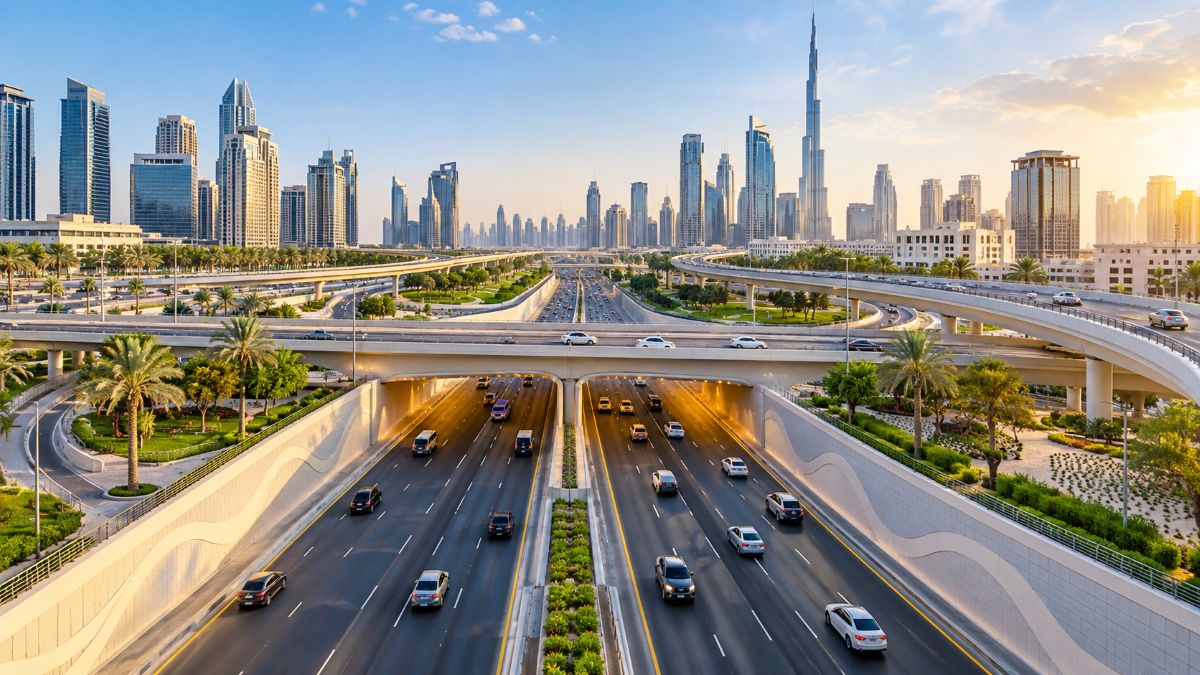
Image generated with Ai
Dubai has completed a major road infrastructure project covering Oud Metha Road and Al Asayel Street, introducing new bridges, tunnels and expanded road capacity to improve traffic movement across important parts of the emirate. The development is expected to support daily commuting, strengthen connections between residential and service areas, and improve accessibility for residents, visitors and motorists travelling through Dubai’s historic urban districts. The project forms part of the wider Sheikh Rashid Corridor Development Project, which is designed to accommodate growing transport requirements and support long-term urban development.
According to Dubai’s Roads and Transport Authority (RTA), the completed project includes four key junctions, four bridges, two tunnels and an additional 14 kilometres of road infrastructure. The authority expects the improvements to increase Oud Metha Road’s capacity from 10,400 to 15,600 vehicles per hour. Average journey times are projected to fall from approximately 20 minutes to five minutes on the relevant routes. The upgrade also supports areas including Zabeel, Al Jaddaf, Oud Metha and Umm Hurair, alongside important facilities such as Latifa Hospital and Al Wasl Club.
Oud Metha Road Project Introduces New Bridges And Tunnels
The Oud Metha Road and Al Asayel Street development is intended to address traffic pressure along key corridors in Dubai. Its combination of bridges, tunnels, junction improvements and road expansion is designed to improve vehicle circulation and reduce delays at busy intersections.
The additional infrastructure provides greater capacity for motorists travelling through neighbourhoods with residential communities, commercial activity and public facilities. Improved road access can also support visitors moving between accommodation, attractions, healthcare facilities and other destinations across the city.
The RTA has identified the project as an important component of Dubai’s broader transport development programme. The authority’s infrastructure investments are being undertaken alongside wider efforts to respond to population growth and increasing demand for mobility.
Key Infrastructure Improvements At A Glance
| Infrastructure Feature | Project Details |
|---|---|
| Project location | Oud Metha Road and Al Asayel Street |
| Key junctions | Four |
| Bridges | Four |
| Tunnels | Two |
| Additional road infrastructure | 14 kilometres |
| Existing road capacity | 10,400 vehicles per hour |
| Projected road capacity | 15,600 vehicles per hour |
| Projected journey time | Reduced from 20 minutes to five minutes |
| Expected population served by 2030 | Approximately 420,000 residents |
The figures reflect the project details provided by Dubai’s Roads and Transport Authority.
Improved Connectivity For Residents And Visitors
The project is expected to benefit communities located around several established districts in Dubai. Zabeel, Al Jaddaf, Oud Metha and Umm Hurair are among the areas identified as beneficiaries of the development.
For residents, improved road capacity could support more efficient daily journeys between homes, workplaces, schools and essential services. Visitors may also benefit from smoother access to destinations situated along the upgraded corridors, although actual travel times will depend on traffic conditions, route selection and peak-hour demand.
The inclusion of Latifa Hospital and Al Wasl Club within the project’s service areas highlights the importance of reliable road connections for both essential journeys and everyday urban movement.
Transport infrastructure plays a significant role in Dubai’s travel environment, where residents and tourists frequently rely on road networks to reach commercial districts, accommodation, attractions and transport hubs. Improvements to major corridors can influence accessibility across different parts of the city.
Dubai Continues Investment In Transport Infrastructure
The Oud Metha Road project forms part of a wider infrastructure programme responding to Dubai’s expanding population and mobility needs. The emirate has continued to develop major road projects aimed at improving connectivity within Dubai and between neighbouring emirates.
A separate 80-kilometre motorway project has also been approved to connect Dubai with Sharjah and Abu Dhabi. The first phase is expected to cost Dh3.5 billion and is projected to reduce travel times by up to 60 per cent.
The planned 12-lane motorway is expected to accommodate up to 24,000 vehicles per hour in both directions and serve more than 3.1 million people. Its proposed infrastructure includes 72 bridges, 17 tunnels and 45 stormwater drainage culverts.
The two developments demonstrate the scale of road infrastructure planning across the UAE, although the projects have different locations, timelines and intended service areas.
What The Road Upgrade Means For Dubai Travel
The completion of the Oud Metha Road and Al Asayel Street project adds upgraded infrastructure to a strategically important part of Dubai. Improved road capacity is intended to facilitate vehicle movement, while the new bridges and tunnels support connections across major junctions.
For travellers, road improvements may contribute to more predictable journeys between selected districts. However, the stated reduction in journey times represents a project objective rather than a guarantee for every trip. Congestion, road conditions and time of travel will continue to influence actual journey durations.
As Dubai’s population and visitor economy develop, transport infrastructure remains an important factor in supporting access to urban destinations and services. The latest project provides additional capacity within an established part of the city while contributing to the emirate’s longer-term mobility planning.
Frequently Asked Questions
1. What road project has Dubai completed?
Dubai has completed the Oud Metha Road and Al Asayel Street infrastructure project, featuring bridges, tunnels, junction improvements and additional road capacity.
2. How many bridges are included in the project?
The development includes four bridges.
3. How many tunnels have been constructed?
The project includes two tunnels.
4. How much additional road infrastructure was added?
The project includes an additional 14 kilometres of road infrastructure.
5. How much will road capacity increase?
Oud Metha Road’s capacity is expected to increase from 10,400 to 15,600 vehicles per hour.
6. How much could journey times decrease?
The RTA expects average journey times on the relevant routes to decrease from approximately 20 minutes to five minutes.
7. Which Dubai areas will benefit from the project?
The project supports Zabeel, Al Jaddaf, Oud Metha and Umm Hurair, among other nearby areas.
8. Is the project relevant to tourists?
Yes. Improved road connections may support visitors travelling between accommodation, attractions and services in the surrounding districts.
9. Is the Oud Metha project part of a wider infrastructure programme?
Yes. It forms part of the Sheikh Rashid Corridor Development Project.
10. Is Dubai planning further road improvements?
Yes. The emirate has approved additional major road infrastructure projects, including an 80-kilometre motorway connecting Dubai with Sharjah and Abu Dhabi.
