
Singapore Beats China, Thailand, India, And Brunei To Become Premier Destination For Malaysia Tourism, Driven By Seamless Visa-Free Travel And Asia’s Rapid Connectivity Expansion

Published
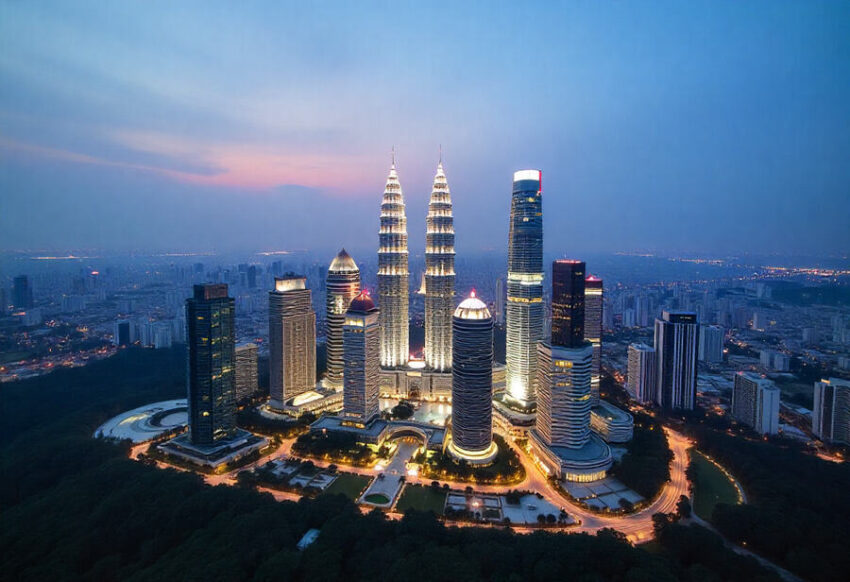 Image generated with Ai
Singapore has emerged as the leading source of international tourists to Malaysia, surpassing China, Thailand, India, and Brunei, thanks to the country’s visa-free travel policy and the increasing connectivity between Asia’s key destinations. This surge in visitors is not only driven by geographical proximity but also by improved access via direct flights to various Malaysian cities, including Penang, Sabah, and Kuala Lumpur. As Malaysia prepares for its Visit Malaysia 2026 campaign, this enhanced accessibility and Malaysia’s multicultural appeal are ensuring that the country remains one of the most attractive travel destinations in the region.
As Malaysia gears up for its Visit Malaysia 2026 (VM2026) campaign, the country is witnessing a remarkable surge in international tourists. While Kuala Lumpur remains a prime destination, the growth is not confined to the capital alone. Penang, Selangor, Johor, Sabah, and Perak are also experiencing a significant uptick in international visitors, largely driven by strategic travel policies and better air connectivity. Interestingly, the leading force behind this tourism boom is Singapore, which has surpassed countries like China, India, Thailand, and Brunei, thanks to its visa-free access and Malaysia’s expanding flight routes.
Visa-Free Travel and Asia’s Connectivity Boost Tourism in Malaysia
Visa-free entry has played a pivotal role in enhancing Malaysia’s attractiveness, particularly for tourists from key Asian markets. For Singaporeans, the Visa-Free Travel policy has facilitated easy access to Malaysia, resulting in Singapore emerging as the largest single market for Malaysian tourism. Despite its proximity to Malaysia, the policy has made it even easier for Singaporeans to visit, fueling a rise in arrivals, which continue to grow year after year.
The same policy applies to China and India, two of the most prominent contributors to Malaysia’s tourism growth. Chinese nationals have been traveling in large numbers, and in 2023 alone, over 4.1 million Chinese tourists visited Malaysia. Similarly, India has experienced a surge, with Indian tourist arrivals increasing by 138% in just the first nine months of 2025, spurred on by direct flight connectivity from cities like Chennai to Penang.
Advertisement
Advertisement
This easy accessibility is being further bolstered by direct international flights, linking Malaysia to key cities in the region, including Penang, Sabah, and Sarawak. The enhanced connectivity makes Malaysia an even more attractive option for tourists from across Asia, whether planning long vacations or spontaneous getaways.
Singapore: The Leading Force Behind Malaysia’s Tourism Growth
It’s no surprise that Singapore is leading the charge in tourism to Malaysia, given the ease of travel between the two countries. The consistent rise in the number of Singaporean visitors, fuelled by Malaysia’s visa-free policy and direct flight routes, highlights how strong regional connectivity can bolster tourism. Singapore is followed closely by China, India, Thailand, and Brunei, all of which have also contributed significantly to the growing influx of tourists.
Advertisement
Advertisement
In the first quarter of 2025 alone, Singapore accounted for a substantial portion of the 20.1 million international visitors to Malaysia, a reflection of both the strong economic ties and geographical proximity that Malaysia shares with Singapore. Penang, which is now easily accessible from Singapore, has become one of the most popular destinations for Singaporean tourists, adding to the allure of Kuala Lumpur and other cities like Langkawi.
Interestingly, Chinese tourism to Malaysia is also reaching new heights, as visa-free access continues to attract more visitors from mainland China. Malaysia’s ability to host visitors from both the Chinese mainland and Hong Kong has made it a favourite among Asian tourists, enhancing the appeal of cities like Melaka and George Town, which showcase the country’s rich historical and cultural heritage.
Advertisement
Advertisement
Thailand, India, and Brunei: Essential Contributors to Malaysia’s Tourism Landscape
While Singapore continues to lead, Malaysia’s tourism growth has also benefited from its close ties with other Asian nations such as Thailand, India, and Brunei. The seamless travel between Thailand and Malaysia has seen a steady influx of Thai tourists seeking to explore Malaysia’s vibrant cities, world-class shopping malls, and tropical beaches. In 2024, 1.64 million Thai nationals visited Malaysia, contributing significantly to the overall tourism numbers.
Indian tourism is another significant driver of Malaysia’s tourism surge. The visa-free policy has led to an impressive 138% increase in arrivals from India, with Chennai to Penang flights playing a crucial role. The enhanced connectivity between Malaysia and India makes Malaysia not only an attractive leisure destination but also a popular stopover for business travellers and family vacationers from India.
Brunei has also remained an important market for Malaysian tourism, with visitors from the tiny nation enjoying direct access to major cities like Kuala Lumpur and Johor Bahru. Though the numbers are smaller than those from other nations, Brunei’s contributions cannot be overlooked as it forms part of the ASEAN demographic and shares cultural and historical ties with Malaysia.
Malaysia’s Growing Appeal: Cultural Diversity and Sustainable Tourism
While improved connectivity and visa-free travel policies are essential, Malaysia’s inherent appeal lies in its cultural diversity and multicultural environment, which have made it an increasingly popular destination for international tourists. Malaysia’s ability to cater to a diverse range of interests—from heritage tourism and eco-tourism to adventure tourism and culinary tourism—has set it apart from other destinations in the region.
Advertisement
Advertisement
The country’s rich and varied cultural heritage is also a major draw for visitors. From the bustling streets of Kuala Lumpur, with its towering skyscrapers and modern shopping malls, to the historic sites of Malacca and George Town in Penang, Malaysia offers a truly unique blend of experiences. Traditional festivals, local customs, and culinary experiences provide international tourists with a deep connection to the nation’s heritage, elevating the overall tourism experience.
As part of the VM2026 campaign, Malaysia is emphasizing sustainability and local culture, ensuring that future visitors experience the true spirit of the country. In addition to the major urban destinations, efforts are underway to promote lesser-known states like Perak, Kedah, and Perlis, which offer rich natural landscapes, heritage sites, and unique local cultural experiences.
The Economic Impact of Tourism: A Booming Industry
Malaysia’s tourism sector is not just growing in terms of visitor numbers; it is also contributing significantly to the national economy. In 2023, Malaysia generated RM71.3 billion from 20.1 million international visitors, with the top markets being China, India, and Singapore. Early 2025 data shows that the number of international arrivals has already hit 16.9 million, marking a 20% increase compared to the same period in 2024.
The tourism revenue generated through VM2026 will help stimulate economic growth across various sectors, from hospitality to transportation and local services. With tourism being a key driver of economic development, Malaysia is positioning itself as a global hub for international tourists, providing ample opportunities for local communities and businesses.
Looking Ahead: VM2026 and the Future of Malaysian Tourism
As VM2026 approaches, Malaysia is preparing to showcase its tourism offerings in a way that highlights both its bustling cities and tranquil natural wonders. The country aims to continue building on the momentum created by visa-free access and enhanced connectivity, ensuring that Malaysia remains a top choice for international travellers. By focusing on sustainable tourism, local experiences, and cultural diversity, Malaysia hopes to further enhance its appeal and provide an unforgettable experience for tourists from across the globe.
Singapore has overtaken China, Thailand, India, and Brunei to become the top source of international visitors to Malaysia, driven by visa-free travel and enhanced regional connectivity that make it easier for travelers to explore the country.
Malaysia’s tourism sector has experienced significant growth in recent years, driven by strategic policies, enhanced air connectivity, and a welcoming environment. With Singapore leading the charge, followed by China, India, and Thailand, Malaysia is positioning itself as one of the top destinations in Asia. VM2026 will no doubt further solidify Malaysia’s place in the global tourism landscape, ensuring that the country continues to attract millions of visitors each year.
Advertisement
