
Bulgaria Maintains Competitive Tourist Tax Policies Across Sofia and Major Travel Cities

Published
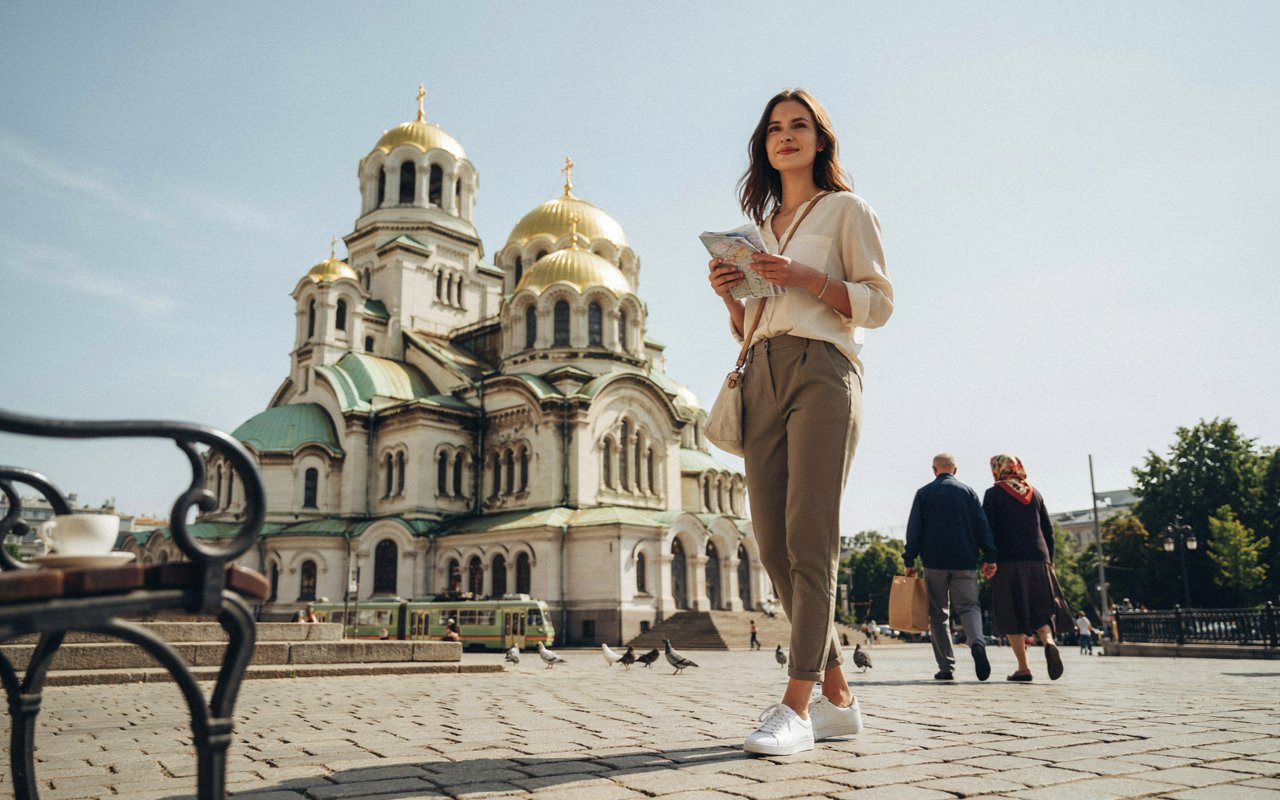
Image generated with Ai
Bulgaria is using a balanced approach to tourism taxation as cities compete for more international visitors, longer stays, and stronger year-round travel demand. While large-scale reductions in tourist tax have not been widely introduced across major Bulgarian destinations, several municipalities are keeping visitor charges competitive while investing tourism revenues into infrastructure, cultural preservation, events, and destination promotion.
Cities including Sofia, Varna, Burgas, Plovdiv, Bansko, and Veliko Tarnovo are shaping tourism policies around affordability and visitor experience. Local authorities are increasingly aware that accommodation costs influence traveller decisions, especially as Bulgaria competes with neighbouring destinations across Southeast Europe.
Rather than relying only on lower tourist taxes, Bulgarian cities are combining reasonable local charges with improved attractions, better facilities, and stronger tourism campaigns to increase their global appeal. Local authorities are focusing on infrastructure, cultural experiences, and long-term development. The approach reflects growing competition across Europe’s tourism market. Instead of relying on lower fees alone, destinations are creating stronger value for visitors. This strategy aims to balance revenue needs with affordability, ensuring travellers continue exploring Bulgaria’s diverse landscapes, heritage sites, and seasonal attractions while supporting local businesses and communities nationwide.
Bulgarian Cities Reducing Tourist Tax to Encourage Tourism Growth
| City / Destination | Region | Tourist Tax Situation | Reduction / Adjustment Details | Tourism Growth Reason | Key Tourism Attractions |
|---|---|---|---|---|---|
| Sofia | Sofia City Province | Municipal tourist tax system applies to accommodation providers | No major recent reduction publicly confirmed; municipality continues managing tourist tax as a local revenue source | Maintain competitiveness as Bulgaria’s main business, cultural and international gateway | Alexander Nevsky Cathedral, Vitosha Mountain, museums, business tourism |
| Varna | Black Sea Coast | Tourist tax applied to accommodation stays | No confirmed broad reduction; policies focus on supporting coastal tourism competitiveness | Strengthen year-round tourism beyond the summer season | Sea Garden, beaches, Roman heritage, cultural tourism |
| Burgas | Black Sea Coast | Tourist tax collected through municipal regulations | No verified citywide reduction found; tourism strategy focuses on destination development | Encourage coastal tourism, events and longer visitor stays | Black Sea coastline, Sea Garden, lakes, festivals |
| Nessebar | Burgas Province | Tourist tax important due to high visitor numbers | No confirmed reduction; municipality manages tourism charges while protecting heritage tourism | Balance mass tourism with UNESCO heritage protection | Ancient Nessebar, beaches, historic churches |
| Plovdiv | Central Bulgaria | Tourist tax applied to accommodation sector | No confirmed reduction specifically aimed at tourism growth | Support cultural tourism and city-break travel | Roman Theatre, Old Town, Kapana district |
| Veliko Tarnovo | Northern Bulgaria | Tourist tax applies to accommodation stays | No major reduction publicly documented | Promote heritage tourism and overnight stays | Tsarevets Fortress, medieval history |
| Bansko | Pirin Mountains | Tourist tax applies to hotels and guesthouses | No verified reduction; competitive pricing remains important for mountain tourism | Attract ski tourists and extend summer tourism | Ski resorts, hiking, Pirin National Park |
| Gabrovo | Central Bulgaria | Municipal tourism taxation applies | No confirmed reduction; municipality promotes tourism development initiatives | Increase cultural and nature tourism demand | Etar Open-Air Museum, nearby mountain attractions |
Why Are Bulgarian Cities Reviewing Tourist Tax Policies to Support Tourism Growth?
Bulgaria’s municipalities are paying closer attention to tourist tax policies because accommodation prices play an important role in travellers’ destination choices. The country attracts visitors through its Black Sea coastline, historic cities, mountain resorts, and cultural experiences. However, competition from nearby countries has encouraged local governments to maintain a visitor-friendly approach.
Advertisement
Advertisement
Tourist tax in Bulgaria is a municipal charge collected from overnight stays in registered accommodation facilities. Each municipality determines its own rates within national regulations. The revenue generated is generally used to support tourism-related activities, including marketing, infrastructure improvements, cultural projects, and destination management.
Although some tourism markets globally have reduced visitor taxes to stimulate demand, Bulgarian cities have generally followed a different path. Most destinations have focused on maintaining competitive rates rather than announcing major reductions.
Advertisement
Advertisement
This approach reflects the challenges faced by tourism-dependent regions. Coastal destinations must balance affordable holidays with the need to fund public services and tourism facilities. Historic cities must protect cultural assets while encouraging more overnight visitors. Mountain resorts need investment to extend tourism beyond the winter ski season.
For Bulgaria, the discussion around tourist tax is connected with a wider goal: creating a tourism environment where visitors receive value while destinations gain resources for sustainable growth.
Advertisement
Advertisement
Have Major Bulgarian Cities Reduced Tourist Tax to Attract More Visitors?
Major Bulgarian cities have not introduced widespread tourist tax reductions, but many continue to evaluate their tourism charges to remain competitive. Municipal authorities often prefer targeted tourism improvements rather than reducing local revenue streams that support destination development.
Sofia, Bulgaria’s capital, remains focused on strengthening urban tourism, business travel, and international events. The city attracts visitors through cultural landmarks, museums, restaurants, conferences, and access to Vitosha Mountain. Instead of relying on tax reductions, Sofia continues to develop tourism infrastructure and improve visitor experiences.
Varna and Burgas, two leading Black Sea destinations, face strong seasonal competition. Both cities depend heavily on summer tourism but are working to promote year-round travel through cultural events, coastal experiences, wellness tourism, and nature attractions. Maintaining reasonable visitor costs remains an important part of their tourism strategies.
Plovdiv, known for its Roman heritage and historic districts, focuses on cultural tourism growth. The city has positioned itself as a major European city-break destination by promoting history, arts, festivals, and local experiences.
Advertisement
Advertisement
Meanwhile, mountain destinations such as Bansko continue to compete through affordable accommodation, winter sports, adventure tourism, and summer activities.
The absence of major tourist tax reductions does not mean Bulgaria ignores affordability. Instead, municipalities are attempting to balance competitive pricing with the need to invest in tourism development.
Which Bulgarian Cities Are Using Competitive Tourism Tax Approaches?
| City | Tourism Focus | Tourist Tax Approach | Growth Strategy |
|---|---|---|---|
| Sofia | Business, cultural and city tourism | Maintains municipal tourist tax system | International events, cultural attractions, urban development |
| Varna | Coastal and cultural tourism | Focuses on competitive visitor costs | Extending tourism beyond summer months |
| Burgas | Beach, family and nature tourism | Uses tourism revenue for destination development | Festivals, coastal experiences, infrastructure |
| Plovdiv | Heritage and cultural tourism | Maintains visitor-friendly tourism policies | Historic preservation and city-break promotion |
| Bansko | Ski and mountain tourism | Keeps resort competitiveness important | Winter sports and summer adventure tourism |
| Veliko Tarnovo | Heritage tourism | Supports cultural tourism development | Medieval attractions and historical experiences |
| Nessebar | UNESCO heritage and coastal tourism | Balances tourism demand with preservation needs | Heritage protection and visitor management |
These cities represent different tourism models within Bulgaria. Coastal cities focus on seasonal visitors, while cultural and mountain destinations aim to increase overnight stays throughout the year.
Why Are Coastal Cities Like Varna and Burgas Important for Bulgaria’s Tourism Future?
Bulgaria’s Black Sea destinations remain central to the country’s tourism economy. Varna and Burgas attract millions of visitors with beaches, marine experiences, cultural attractions, and family-friendly holidays.
For these cities, maintaining competitive travel costs is particularly important because tourists can choose between many Mediterranean and Black Sea destinations. Greece, Türkiye, Croatia, and Romania compete strongly for international holidaymakers.
Varna has developed beyond a traditional summer beach destination. The city promotes historical attractions, museums, festivals, wellness experiences, and nearby natural areas. The goal is to encourage visitors to stay longer and explore more than the coastline.
Advertisement
Advertisement
Burgas has also expanded its tourism offering through environmental attractions, cultural events, and improved public spaces. The city’s surrounding lakes and nature areas provide opportunities for birdwatching, eco-tourism, and outdoor experiences.
Tourist tax revenue plays a role in supporting these developments. Instead of lowering charges significantly, municipalities often use collected funds to improve the overall visitor experience.
The strategy is based on the idea that better tourism infrastructure can encourage more arrivals and higher visitor satisfaction, creating long-term economic benefits for local communities.
How Are Heritage Cities Using Tourism Revenue to Increase Visitor Numbers?
Historic Bulgarian cities are using tourism policies to protect heritage while attracting more travellers. Destinations such as Plovdiv and Veliko Tarnovo depend heavily on cultural tourism, where preservation and visitor management are essential.
Plovdiv has become one of Bulgaria’s most recognised cultural destinations. Its ancient Roman theatre, Old Town architecture, and creative districts attract international visitors seeking authentic experiences. Tourism investment helps maintain historic areas while improving facilities for travellers.
Veliko Tarnovo, once the medieval capital of Bulgaria, attracts visitors interested in history and architecture. The Tsarevets Fortress remains one of the country’s most important attractions. Tourism revenue helps support preservation efforts and destination promotion.
Advertisement
Advertisement
Nessebar faces a different challenge because of its UNESCO-listed heritage status. The city welcomes large numbers of visitors but must carefully manage tourism pressure. Maintaining a balance between economic benefits and heritage protection remains a priority.
For these destinations, tourist tax is not only a financial issue. It is connected with maintaining the cultural assets that attract travellers in the first place.
Why Are Mountain Resorts Maintaining Competitive Tourism Costs?
Bulgaria’s mountain destinations are also focusing on affordability and improved experiences to attract visitors throughout the year. Bansko is the country’s most internationally recognised ski resort, welcoming winter sports enthusiasts from various markets.
However, mountain tourism is changing. Resorts are increasingly looking beyond skiing by promoting hiking, cycling, wellness retreats, nature tourism, and adventure activities during warmer months.
Competitive accommodation pricing is important because travellers compare mountain destinations across Europe. Bulgaria competes with Alpine destinations and other Balkan mountain regions where visitors have many choices.
Keeping tourism costs manageable helps resorts attract different traveller groups, including families, younger adventurers, and international visitors looking for affordable alternatives.
Advertisement
Advertisement
Rather than reducing tourist taxes significantly, mountain destinations are focusing on improving facilities, expanding activities, and increasing the length of the tourism season.
This approach supports a broader transformation of Bulgarian tourism from a seasonal model into a more balanced, year-round industry.
What Does Bulgaria’s Tourist Tax Strategy Mean for International Travellers?
For international travellers, Bulgaria’s tourism tax approach means that visitors can continue finding relatively affordable travel experiences while destinations invest in improving services.
The country offers diverse travel options, from Black Sea holidays and mountain adventures to historic city breaks and cultural journeys. Municipal tourism policies aim to maintain this affordability while ensuring destinations have resources for development.
Travellers may notice different tourist tax rates depending on the municipality and accommodation category. These charges are usually added separately by hotels and other registered accommodation providers.
The wider focus remains on improving destination quality. Bulgarian cities are investing in attractions, transportation links, public spaces, cultural programmes, and tourism marketing.
Advertisement
Advertisement
As global tourism becomes increasingly competitive, Bulgaria’s cities are attempting to create value beyond price alone. The objective is to attract visitors who stay longer, explore more regions, and contribute to local economies.
Bulgaria Chooses Balanced Tourism Growth Instead of Large Tax Cuts
Bulgaria’s major tourism cities are not following a widespread tourist tax reduction strategy. Instead, municipalities are maintaining competitive visitor charges while using tourism revenue to improve destinations and strengthen long-term growth.
Cities such as Sofia, Varna, Burgas, Plovdiv, Bansko, and Veliko Tarnovo are adapting their tourism policies based on local needs. Coastal destinations are extending seasonal demand, heritage cities are protecting cultural assets, and mountain resorts are expanding beyond winter tourism.
The country’s approach reflects a broader tourism strategy focused on affordability, quality experiences, and sustainable development. By balancing visitor costs with investment in tourism infrastructure, Bulgaria aims to remain an attractive destination in the increasingly competitive European travel market.
Bulgaria’s tourism taxation strategy is built around balance rather than major reductions. The reason is simple: destinations need funds for improvement while visitors expect reasonable costs. The answer lies in combining competitive charges with better experiences, stronger promotion, and sustainable development. Municipalities are working to attract more travellers without weakening resources needed for tourism growth. From coastal escapes to historic locations and mountain retreats, the approach supports wider economic benefits. As global competition increases, Bulgaria continues adapting its policies to maintain appeal, encourage longer stays, and create a more resilient tourism sector for future generations across the entire Bulgarian travel.
Advertisement
