
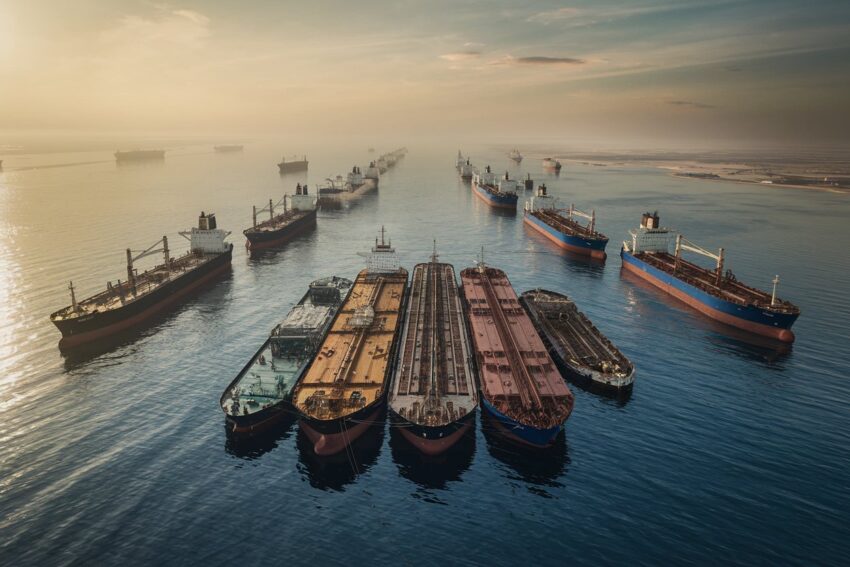
Image generated with Ai
Spain joins UK, Germany, Brazil, Switzerland, Canada, France, Italy, Mexico, Denmark, China, Thailand, India, Japan, and others in facing a massive travel setback and hammering geopolitical impact as US issues a new warning for all European, American and Asian countries that they face sanctions if they pay Iran Hormuz toll, as rising energy risks, disrupted shipping routes and surging fuel costs are driving higher airfares, reducing flight capacity and weakening global tourism demand.
Spain’s tourism-driven economy is highly sensitive to fuel price fluctuations and aviation costs, making it vulnerable to Hormuz disruptions. While direct dependence is moderate, estimated at 10–15%, the indirect impact is significant. If shipping avoids Hormuz, rerouting around Africa can increase transit time by 30–40%, raising costs for airlines and cruise operators. This translates into airfare increases of 20–30%, making long-haul travel less attractive for visitors from the US, UK and Asia. Cruise hubs such as Barcelona are already seeing itinerary adjustments and reduced port calls due to higher bunker fuel prices. If Spanish-linked firms pay Iranian tolls, they risk U.S. sanctions, which could restrict access to global finance and insurance. This creates uncertainty for businesses and investors. As a result, Spain faces a dual challenge of rising operational costs and geopolitical risk, both of which are weakening tourism demand and affecting travel affordability.
The UK’s exposure lies in its global financial and insurance dominance rather than direct energy dependence. London-based insurers cover a significant portion of global tanker traffic, making them central to Hormuz operations. If they refuse to insure ships passing through Hormuz, shipping volumes could decline, driving global fuel prices higher. If they comply with Iranian toll demands, they risk U.S. sanctions that could damage the UK’s financial sector. Airlines operating from Heathrow and Gatwick are already facing higher jet fuel costs, leading to fare increases of 15–25% and reduced long-haul capacity. Cruise operators also face uncertainty due to rising fuel and insurance costs. This creates a ripple effect across the travel industry. Travelers are experiencing higher prices and fewer flight options. The UK must balance compliance with U.S. policy and maintaining its global financial role, while managing the impact on tourism and aviation sectors.
Germany’s reliance on Hormuz-linked imports is moderate, with 15–20% of European oil tied to the route, but the economic impact is significant. Avoiding Hormuz forces Germany to source energy from more expensive alternatives, increasing costs across industries. Airlines at Frankfurt and Munich are facing rising jet fuel prices, leading to higher ticket costs and reduced long-haul capacity. Travelers are already seeing fewer flight options and increased fares. If German firms pay Iranian tolls, they risk U.S. sanctions, which could limit access to global financial markets and trade networks. This creates a complex geopolitical dilemma. Germany’s tourism sector is also affected, as higher travel costs reduce demand for international trips. The broader economic impact includes slower growth and reduced consumer spending. Germany must balance energy security, economic stability and geopolitical alignment while managing the consequences for travel and tourism.
Advertisement
Advertisement
Brazil is not heavily dependent on Hormuz for energy imports, but it is highly sensitive to global oil price fluctuations. When oil prices exceed $100 per barrel, domestic fuel costs rise quickly, affecting airlines and transportation. Brazilian airlines are increasing fares by 15–25%, reducing demand for long-haul travel to Europe and Asia. Shipping costs for imports such as fertilizers also rise when routes are disrupted or extended, impacting the broader economy. If Brazilian firms choose to pay Iranian tolls, they risk U.S. sanctions, which could restrict access to global financial systems. Avoiding Hormuz, however, increases shipping costs and delays. This creates a challenging environment for businesses and travelers. Higher travel costs reduce disposable income and limit tourism growth. Brazil’s exposure highlights how global energy shocks can impact even countries with lower direct dependence, affecting travel affordability and economic stability.
Switzerland’s role as a global financial and commodity trading hub exposes it indirectly to Hormuz disruptions. Swiss-based traders handle significant volumes of Gulf oil and LNG, making them vulnerable to sanctions if toll payments are made. At the same time, rising European energy prices increase jet fuel costs, pushing up airfares for Swiss airlines and travelers. This reduces demand for long-haul travel, particularly to Asia and the Americas. Switzerland’s tourism sector, which relies heavily on international visitors, may see fewer arrivals due to higher travel costs and economic uncertainty. Avoiding Hormuz raises energy costs across Europe, further impacting the economy. Paying tolls would risk reputational damage and financial penalties. This creates a complex situation where Switzerland must balance economic interests with compliance. The indirect effects are significant, demonstrating how global energy disruptions can impact travel and tourism even in countries without direct dependence.
Canada is a major oil producer, but it is still affected by global price movements. When Hormuz disruptions push oil prices above $90–100 per barrel, Canadian fuel costs rise, increasing airline operating expenses. Airlines respond by raising fares and reducing capacity, particularly on long-haul routes. This reduces travel demand and affects tourism growth. Canadian shipping companies also face risks if they engage with Iranian toll payments, as they could be targeted by U.S. sanctions. Avoiding Hormuz increases global shipping costs, which are passed on to consumers. This impacts the broader economy and reduces disposable income for travel. The tourism sector is particularly vulnerable, as higher travel costs discourage both domestic and international trips. Canada’s situation highlights how global energy markets influence travel and tourism, even in countries with strong domestic energy production.
France’s moderate reliance on Gulf energy makes it sensitive to disruptions in Hormuz. Rising oil and LNG prices increase jet fuel costs, leading to higher airfares and reduced flight availability. Airlines operating from Paris and regional hubs are already adjusting capacity to manage costs. Cruise operators are also affected, as higher bunker fuel prices lead to itinerary changes and increased ticket prices. If French firms pay Iranian tolls, they risk U.S. sanctions that could impact financial and trade operations. Avoiding Hormuz, however, increases shipping costs and delays. This creates a difficult balance for France. The tourism sector is feeling the impact, as higher travel costs reduce demand from international visitors. Economic uncertainty further affects spending. France must navigate energy security, geopolitical alignment and tourism recovery while managing rising costs and operational challenges.
Advertisement
Advertisement
Italy relies significantly on LNG imports from Qatar, which transit through Hormuz, making it vulnerable to disruptions. Avoiding the route increases costs and delays, affecting energy supply and airline operations. Italian airlines are facing higher jet fuel costs, leading to increased fares and reduced capacity on long-haul routes. Cruise hubs such as Civitavecchia and Venice are also impacted, as rising bunker fuel costs force itinerary adjustments. If Italian firms pay Iranian tolls, they risk U.S. sanctions that could affect financial and trade relationships. This creates a complex geopolitical situation. The tourism sector is already seeing reduced demand due to higher travel costs. Italy must balance energy security with compliance while managing the impact on travel and tourism. The situation highlights the interconnected nature of energy, geopolitics and global travel.
Mexico’s direct reliance on Hormuz is limited, but global oil price increases affect its economy and travel sector. Rising fuel costs lead to higher airline fares, reducing travel demand for both domestic and international routes. Mexican airlines are adjusting capacity to manage costs, resulting in fewer flight options. Shipping costs also increase when global routes are disrupted, affecting imports and exports. If Mexican firms engage with Iranian toll payments, they risk U.S. sanctions due to strong economic ties with the United States. Avoiding Hormuz increases costs and delays, impacting the economy. The tourism sector is particularly affected, as higher travel costs discourage visitors. Mexico’s experience shows how global energy disruptions can have widespread effects, even in countries with lower direct exposure.
Denmark’s global shipping industry, led by major operators, makes it highly sensitive to Hormuz disruptions. Danish vessels carrying oil, LNG and goods through the region face increased risks and higher insurance costs. If they pay Iranian tolls, they risk U.S. sanctions that could limit access to global finance and ports. Avoiding Hormuz increases shipping time and costs, which are passed on to consumers and businesses. This raises fuel prices and impacts airline operations, leading to higher travel costs. Denmark’s tourism sector is indirectly affected, as economic slowdown and higher travel expenses reduce demand. The country must balance its global shipping interests with compliance and risk management. The situation highlights the interconnected nature of global trade, energy and travel.
China depends heavily on Hormuz for 40–50% of its oil imports, making it one of the most exposed countries. Disruptions in the strait can significantly impact energy supply, leading to higher fuel prices and economic slowdown. Chinese airlines face increased jet fuel costs, forcing them to raise fares or reduce capacity on international routes. This affects global travel demand, as China is a major source of outbound tourism. If Chinese firms pay Iranian tolls, they risk U.S. sanctions, which could escalate geopolitical tensions. Avoiding Hormuz, however, disrupts supply chains and increases costs. This creates a strategic dilemma for China. The impact extends beyond energy, affecting travel, trade and economic stability. China’s vulnerability highlights the global importance of Hormuz and its influence on tourism.
Thailand relies on Hormuz for 30–35% of its oil imports, making it vulnerable to disruptions. Rising fuel costs increase airfares, reducing inbound tourism from key markets. Airlines are adjusting routes and capacity to manage costs, leading to fewer travel options. If Thai firms pay Iranian tolls, they risk U.S. sanctions that could affect financial and trade relationships. Avoiding Hormuz increases shipping costs and delays, impacting the economy. Thailand’s tourism sector, a major contributor to GDP, is particularly sensitive to these changes. Higher travel costs and economic uncertainty reduce demand. The country must balance energy security with geopolitical risks while maintaining tourism growth. The situation highlights the challenges faced by tourism-dependent economies in a volatile energy environment.
India imports 55–65% of its oil via Hormuz, making it highly vulnerable to disruptions. Any instability in the strait can significantly increase fuel costs, affecting airlines and the broader economy. Indian airlines face rising jet fuel prices, leading to higher fares and reduced capacity. This impacts both domestic and international travel demand. If Indian firms pay Iranian tolls, they risk U.S. sanctions that could affect trade and financial relationships. Avoiding Hormuz increases shipping costs and delays, impacting energy supply. This creates a difficult balance for India. The tourism sector is also affected, as higher travel costs reduce demand. India’s situation highlights the critical role of Hormuz in global energy and travel dynamics.
Japan depends on Hormuz for 70–90% of its oil imports, making it extremely vulnerable to disruptions. Any instability in the strait can significantly impact energy supply and economic stability. Japanese airlines face rising jet fuel costs, leading to higher fares and reduced capacity on international routes. This affects tourism demand and economic growth. If Japanese firms pay Iranian tolls, they risk U.S. sanctions, which could impact financial systems and trade relationships. Avoiding Hormuz is not feasible without severe disruption. This creates a strategic dilemma for Japan. The country must balance energy security with geopolitical alignment while managing the impact on travel and tourism.
The latest U.S. warning has turned the Strait of Hormuz into a high-risk global chokepoint for travel, energy and trade. Nearly 20–21% of global oil and about 20% of LNG flows through this narrow corridor, making any disruption immediately felt worldwide. The warning states that paying Iran for “safe passage” could trigger sanctions, including loss of access to U.S. financial systems and insurance markets. This creates a difficult choice for countries and companies. Avoiding Hormuz means longer routes, higher shipping costs and delays, which directly increase jet fuel prices. Paying tolls risks sanctions that could isolate firms globally. Airlines and cruise operators are already feeling the pressure, as fuel costs rise by 20–40%, forcing fare increases and capacity cuts. Travelers face higher prices and fewer options. The situation is now driving a massive travel setback, reshaping global tourism demand and creating long-term uncertainty for aviation and cruise industries.
Spain joins UK, Germany, Brazil, Switzerland, Canada, France, Italy, Mexico, Denmark, China, Thailand, India, Japan and others in facing a massive travel setback and hammering geopolitical impact as US issues a new warning that European, American and Asian countries face sanctions if they pay Iran Hormuz toll, raising costs and cutting flights.
In conclusion, Spain joins UK, Germany, Brazil, Switzerland, Canada, France, Italy, Mexico, Denmark, China, Thailand, India, Japan and others in facing a massive travel setback and hammering geopolitical impact as US issues a new warning for all European, American and Asian countries that they face sanctions if they pay Iran Hormuz toll. This situation is driven by the risk of sanctions disrupting shipping, energy supply and financial access, forcing countries to avoid the route or face penalties. As a result, fuel costs are rising, airlines are cutting capacity and airfares are increasing, directly weakening global tourism demand and confirming why this warning is triggering widespread travel disruption and geopolitical strain.
Advertisement
Advertisement
Advertisement













Saturday, September 5, 2026

Friday, September 4, 2026

Saturday, September 5, 2026

Saturday, September 5, 2026

Thursday, September 3, 2026

Wednesday, September 2, 2026

Saturday, September 5, 2026

Saturday, September 5, 2026


