
Spain’s Canary Islands Caught in New Overtourism Nightmare as Environmental Degradation, Housing Crisis, and Infrastructure Strain Reach Breaking Point, Leaving Locals Desperate for Sustainable Solutions

Updated
Published
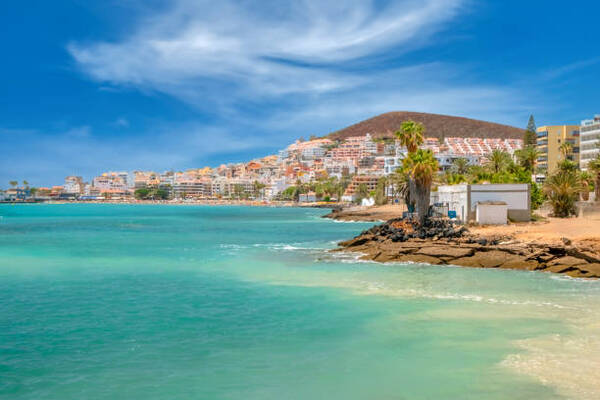 Image generated with Ai
The Canary Islands, a popular destination for tourists, are now grappling with a severe overtourism crisis that is threatening both the environment and the quality of life for locals. With an unprecedented surge in visitor numbers, the islands are facing environmental degradation, including water scarcity and increased pollution, while residents struggle with rising housing costs and overcrowded infrastructure. As tourism continues to boom, these pressing issues have reached a breaking point, prompting urgent calls for sustainable solutions to preserve the islands’ natural beauty and ensure a better future for both locals and visitors.
Overtourism Warnings for Spain’s Canary Islands: Fodor’s No List 2026
Advertisement
Advertisement
As summer approaches, many travelers look forward to escaping the everyday routine for a sun-filled holiday. Spain’s Canary Islands have long been a favorite destination for Irish tourists seeking warm weather and beautiful beaches. However, there’s a growing concern among locals, environmentalists, and travel experts about the sustainability of tourism in this once-idyllic archipelago. Recently, the Canary Islands were included in Fodor’s prestigious No List for 2026, an indication of how overtourism is affecting not just the environment, but the quality of life for residents.
The Surge in Tourism and the Strain on Local Communities
Advertisement
Advertisement
Tourism has been the lifeblood of the Canary Islands’ economy for decades, with millions of visitors flocking to the islands year after year. In 2025, the Canary Islands saw an overwhelming influx of 7.8 million visitors, while its airports handled over 27 million passengers in the first six months alone, reflecting a 5% rise from the previous year. While this influx brings in significant revenue, it also exerts considerable strain on local infrastructure and resources. Residents, especially in Tenerife, are increasingly frustrated by the consequences of this tourism boom.
Locals have voiced concerns through protests, highlighting issues such as traffic congestion, soaring housing prices, and the loss of their island’s unique character. What was once a 40-minute drive between the north and south of Tenerife now often takes over an hour due to constant traffic. The government’s decision to allow vacation rentals on platforms like Airbnb and Booking.com has exacerbated the housing crisis, making it nearly impossible for locals to rent or buy property in their own communities.
Advertisement
Advertisement
The Housing Crisis: A Major Point of Contention
The housing situation has reached a boiling point. Many young people and families are being priced out of the market as property values and rental prices skyrocket, driven in large part by the demand from short-term vacation rentals. Groups like ATAN (Asociación Tinerfeña de Amigos de la Naturaleza), one of Tenerife’s oldest environmental organizations, argue that this trend has pushed many residents out of their homes and worsened the overpopulation problem.
ATAN’s concerns go beyond just housing. The relentless influx of tourists and new residents has put pressure on the islands’ delicate environment, particularly concerning water resources. The Canaries, with their limited space and natural resources, are struggling to support the growing population, with water scarcity becoming an increasingly dire issue.
Regulations and Reforms Struggling to Keep Pace
In response to the growing unrest, regional and national governments have attempted to implement regulatory reforms. In 2025, the Canary Islands implemented a regulation prohibiting newly constructed properties from being rented out for short-term stays. National legislation followed suit, allowing local communities to have the final say on whether apartments can be rented out for tourism. However, environmental groups argue that these measures have done little to address the underlying issues.
ATAN contends that the government’s attempts at regulation have been ineffective, calling them either “window dressing” or even harmful. The number of vacation rental accommodations could potentially double under the current proposals, further exacerbating the problem. Meanwhile, large-scale development projects, including new hotels and urban expansions, continue to be approved, creating even more pressure on the islands’ infrastructure and environment.
Advertisement
Advertisement
Tourism’s Economic Contribution and the Growing Disparity
Tourism is a vital part of the Canary Islands’ economy, contributing roughly a third of the region’s GDP and providing employment for around 40% of the population. However, the economic benefits of this booming tourism sector are not evenly distributed. Most of the major hotels are owned by large international investment groups, meaning that the profits from tourism often leave the islands, leaving local communities with only the downsides of mass tourism.
The surge in tourism has undeniably brought economic growth to the Canary Islands, but it has also contributed to widening inequality. While the tourism sector flourishes, the wealth generated is largely controlled by large international corporations, leaving the local population with minimal economic advantages. Despite the boom, many residents feel disconnected from the prosperity brought by the influx of visitors.
Fodor’s No List: A Wake-Up Call for Sustainable Tourism
Fodor’s No List aims to raise awareness about destinations where tourism is causing unsustainable pressures on local communities and ecosystems. The list is not intended to discourage visitors, but to highlight the need for sustainable tourism practices. The Canary Islands’ inclusion on this list serves as a stark reminder of the challenges faced by popular tourist destinations that struggle to balance the economic benefits of tourism with the well-being of their residents and the preservation of their natural environment.
The Canary Islands are not alone in facing these challenges. Other iconic locations such as Antarctica, Mexico City, and Montmartre in France have also made it onto the 2026 No List, highlighting the global challenges of overtourism. These destinations are all grappling with the effects of overtourism, and there is a growing call for travelers to reconsider how they approach their vacations. By visiting destinations like the Canary Islands responsibly, tourists can help reduce the strain on local communities and contribute to more sustainable tourism practices.
Advertisement
Advertisement
The Future of the Canary Islands: Can Tourism and Sustainability Coexist?
As the summer holiday season approaches, it’s clear that the Canary Islands are at a crossroads. While the region’s natural beauty and rich cultural heritage continue to draw tourists from around the world, the increasing strain on resources and local communities cannot be ignored. For those planning a trip to the Canaries, it’s important to consider the broader impact of tourism on the islands and seek out ways to contribute to more sustainable practices.
This includes supporting eco-friendly businesses, respecting local cultures and traditions, and being mindful of the environmental footprint left behind. Only by working together—locals, businesses, and tourists alike—can the Canary Islands hope to maintain their charm and beauty for future generations while ensuring that the benefits of tourism are more equitably distributed.
The Canary Islands’ inclusion on Fodor’s No List is not just a warning for 2026, but a call to action for all travelers to rethink how they travel and support destinations that are working towards sustainability. The islands are facing an uphill battle, but with responsible tourism and conscious decision-making, they can continue to thrive as a beloved destination for years to come.
Advertisement
