
Sustainable Measures Evaluated By Forest Authorities To Replace Petrol Safari Gypsys With Electric Fleet In India

Published
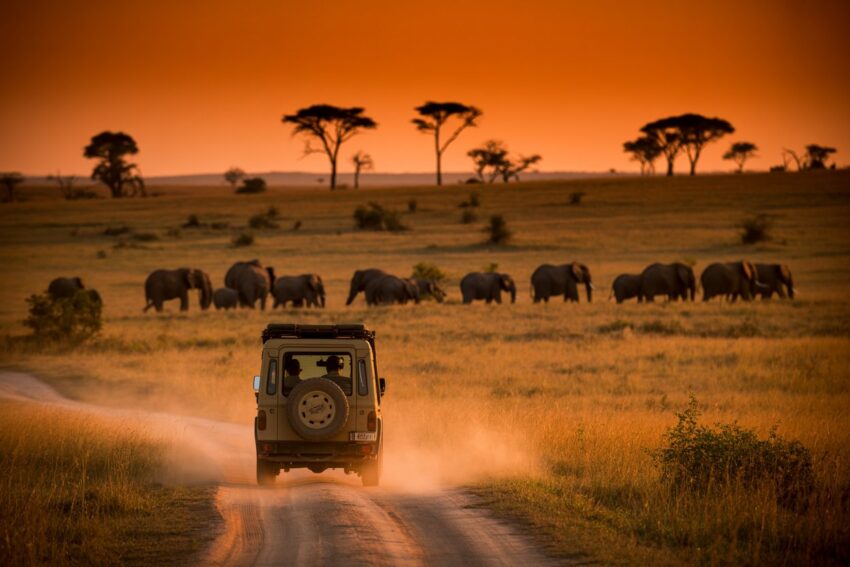 Image generated with Ai
A major transition toward sustainable tourism is currently being considered for the Tadoba landscape by forest authorities. Plans are being formulated to replace the existing petrol-powered safari Gypsys with electric safari vehicles for all tourism activities conducted inside the reserve. This strategic shift is aimed at fostering an eco-friendly tourism model that minimizes the ecological footprint left by visitors. Through this initiative, the fragile ecosystem is expected to be shielded from the adverse effects of traditional combustion engines, thereby aligning local conservation strategies with international green standards. The Tadoba Andhari Tiger Reserve could soon serve as a primary model for sustainable wildlife tourism across the country if these plans are successfully finalized.
The implementation of cleaner transport options within protected zones is viewed as a critical step toward preserving delicate habitats. By focusing on fuel conservation and environmental protection, the quality of the wilderness experience is expected to be significantly elevated. The initiative represents a proactive approach to habitat management, where modern technology is harnessed to protect biodiversity. It is anticipated that the dependency on fossil fuels within the sanctuary will be permanently lowered, steering the region toward a climate-resilient future.
Advertisement
Advertisement
Current Ecological Impacts and Fuel Consumption
At present, nearly 300 safari vehicles are operated within the boundaries of Tadoba. A substantial volume of fossil fuel is consumed on a daily basis, with figures exceeding 1,000 litres of petrol used during routine morning and evening safaris. This high rate of consumption leads to continuous emissions of greenhouse gases within a zone that requires the highest standards of air purity. The introduction of battery-operated alternatives is projected to curtail these emissions entirely, ensuring that the natural air quality is maintained for both the resident fauna and visiting tourists.
Beyond the issue of exhaust emissions, the heavy influx of conventional off-road vehicles contributes to heightened noise pollution. The loud engine sounds generated by ageing petrol-run off-road vehicles frequently cause disruptions to wildlife behavior, sometimes altering natural movement patterns or nesting habits near the safari tracks. By transitioning to virtually silent electric powertrains, the natural soundscape of the forest can be restored, allowing for a more authentic and undisturbed wildlife viewing experience. Furthermore, mechanical maintenance problems commonly linked to older mechanical fleets are expected to be drastically reduced, resulting in fewer instances of vehicle breakdowns deep inside the jungle tracks.
Advertisement
Advertisement
Strategic Objectives of the New Green Proposal
The proposal is being prepared with a comprehensive focus on long-term ecological balance. Detailed frameworks are being designed to address not only environmental conservation but also the enrichment of the overall wildlife tourism experience. A quieter, emissions-free environment is believed to enhance the probability of natural wildlife sightings, as animals will no longer be deterred by the acoustic disturbance of conventional internal combustion engines. This approach ensures that the primary objective of wildlife conservation is achieved in tandem with tourism development.
In addition to ecological benefits, operational efficiencies are also being integrated into the planning process. The management of fuel logistics within remote forest stations is often cumbersome and carries inherent risks of spillage or contamination. By shifting the energy dependency toward an electrical grid or localized solar charging stations, the logistical vulnerabilities associated with transporting and storing liquid fuel can be minimized. This shift allows the administrative machinery to redirect its focus toward core conservation activities and anti-poaching patrolling duties.
Advertisement
Advertisement
Financial Viability and Stakeholder Support
Economic feasibility remains a key area of evaluation within the framework of the proposed transition. The estimated cost of each new electric safari vehicle could exceed ₹15 lakh, presenting a significant financial hurdle for individual operators. Because safari tourism serves as a major source of livelihood for many local families, the administration is highly sensitive to the economic impact on the local community. Consequently, efforts are being made to design a financial model that protects employment while simultaneously encouraging cleaner transport alternatives.
To make the project financially viable, support is being sought from multiple avenues. Forest officials are reportedly looking at financial assistance models involving various state and central government agencies. Potential participation from private stakeholders and corporate social responsibility funds is also being explored to subsidize the acquisition costs of the new electric fleets. By distributing the financial burden through public-private collaborations, the transition can be rendered affordable for local drivers, ensuring that their livelihoods are sustained throughout the modernization process.
Advertisement
Advertisement
Technological Adaptations and Infrastructure Development
The deployment of a large-scale electric fleet necessitates the creation of specialized charging infrastructure around the entry gates of the reserve. Plans are being discussed regarding the installation of robust charging stations capable of supporting multiple vehicles between morning and afternoon safari schedules. The inclusion of renewable energy sources, such as solar power grids, is also being considered to ensure that the electricity utilized to charge the vehicles is sourced sustainably, thereby creating a truly zero-emission loop.
The durability of electric vehicles under rugged terrain conditions is another factor being systematically evaluated. Off-road tracks within the reserve require high ground clearance, sturdy suspension systems, and reliable battery performance under extreme weather conditions. Prototype testing and consultations with specialized automotive manufacturers are anticipated to be part of the selection process to ensure that the vehicles meet the rigorous safety and operational standards demanded by the geographical terrain of the forest.
Setting a National Benchmark for Conservation
If the proposal receives official approval, Tadoba could emerge as one of the country’s prominent tiger reserves to adopt large-scale electric safari operations. Such a milestone would position the reserve as a pioneering entity within the domestic wildlife tourism sector. The success of this initiative could serve as a valuable blueprint for other national parks and sanctuaries across India that face similar challenges regarding vehicular pollution and high tourism density.
The long-term vision of this project extends beyond local boundaries, aiming to establish a benchmark for eco-conscious wildlife tourism on a national scale. By demonstrating that large-scale green transitions are both ecologically beneficial and socio-economically sustainable, a new standard for responsible travel can be realized. The harmony achieved between community livelihood protection and environmental preservation is expected to inspire similar policy shifts across various ecologically sensitive zones throughout the nation.
Advertisement
