
Qatar Joins United Arab Emirates, Oman, Bahrain, Kuwait, Saudi Arabia, India, Singapore, Egypt And Jordan As New Strait Of Hormuz Concerns Emerge Near Dubai, Abu Dhabi, Doha And Muscat Following US-Iran Memorandum Discussions; Could Gulf Tourism And Cruise Travel Face Renewed Uncertainty?

Published
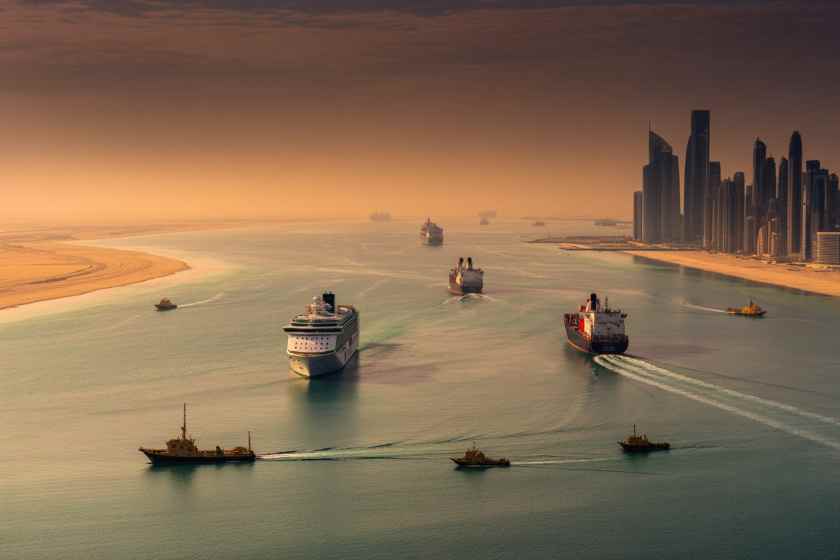
Qatar Joins United Arab Emirates, Oman, Bahrain, Kuwait, Saudi Arabia, India, Singapore, Egypt And Jordan As New Strait Of Hormuz Concerns Emerge Near Dubai, Abu Dhabi, Doha And Muscat Following US-Iran Memorandum Discussions. The United Arab Emirates, Qatar, Oman and other Gulf destinations are once again at the centre of global travel discussions as renewed attention focuses on the Strait of Hormuz, the strategic maritime corridor that supports regional transportation, cruise operations and tourism connectivity. Destinations including Dubai, Abu Dhabi, Doha and Muscat are closely monitoring developments following reports that United States intelligence agencies believe Iran would retain the capability to disrupt traffic through the strait despite ongoing discussions surrounding a proposed memorandum of understanding between Washington and Tehran.
For travellers planning holidays, cruises or business trips across the Gulf, the Strait of Hormuz remains one of the most important transportation corridors in the region. While tourism operations continue normally across major destinations, maritime developments are attracting significant attention because of their wider implications for regional connectivity.
Advertisement
Advertisement
According to reports citing sources familiar with US intelligence assessments, American agencies believe the proposed memorandum would not remove Iran’s ability to affect traffic through the strategic waterway. A senior US official reportedly indicated that benefits associated with the agreement would remain linked to keeping the strait open to international shipping.
Strait Of Hormuz Plays A Key Role In Regional Travel
The Strait of Hormuz is often associated with global energy transportation, but its importance extends far beyond oil shipments.
Advertisement
Advertisement
The waterway serves as a critical maritime gateway connecting Gulf nations with international shipping routes. It supports commercial logistics, cruise operations and transportation networks that contribute to tourism activity throughout the region.
Destinations including Dubai, Abu Dhabi, Doha, Muscat, Manama and Kuwait City rely on stable transportation infrastructure to support hotels, attractions, airports, cruise terminals and visitor services.
Advertisement
Advertisement
As a result, developments involving the strait are closely monitored by tourism authorities, airlines and hospitality operators across the Middle East.
Dubai And Abu Dhabi Remain Leading Tourism Hubs
Dubai and Abu Dhabi continue welcoming international visitors through some of the world’s busiest aviation networks.
Dubai remains one of the most visited destinations in the Middle East, attracting travellers through its luxury resorts, shopping districts, beaches and entertainment attractions.
Abu Dhabi continues expanding its tourism portfolio through cultural institutions, waterfront developments and major international events.
The United Arab Emirates also serves as a major transit point for travellers connecting between Europe, Asia, Africa and Oceania.
Stable regional transportation systems remain important for maintaining the flow of visitors through these globally connected destinations.
Advertisement
Advertisement
Doha And Muscat Continue Strengthening Visitor Appeal
Doha and Muscat have also emerged as increasingly important tourism destinations within the Gulf.
Doha benefits from extensive international air connectivity and a growing tourism sector that includes museums, cultural districts and waterfront developments.
Muscat continues attracting visitors seeking coastal experiences, heritage attractions and nature-based tourism.
Both cities depend on broader regional transportation confidence, making developments involving key maritime routes relevant for tourism stakeholders and travel operators.
The Gulf’s interconnected travel ecosystem means transportation developments are often monitored beyond their immediate commercial impact.
Cruise Tourism Watches Maritime Developments Closely
The cruise sector remains one of the tourism industry’s most closely linked to maritime conditions.
Advertisement
Advertisement
Cruise itineraries connecting Dubai, Abu Dhabi, Doha and Muscat have become increasingly popular among international travellers seeking multi-destination Gulf experiences.
Modern cruise terminals and expanding visitor infrastructure have helped strengthen the region’s position within the global cruise market.
While current reports relate to strategic maritime considerations rather than cruise operations, transportation conditions remain an important factor for route planning and long-term deployment decisions.
Cruise operators routinely monitor navigational developments across key waterways throughout the world.
Airlines Continue Supporting Regional Connectivity
Air travel remains the primary gateway for most international visitors arriving in Gulf destinations.
Major carriers operating from Dubai, Abu Dhabi, Doha and Muscat continue transporting millions of passengers annually across extensive global networks.
Advertisement
Advertisement
The aviation sector remains central to the region’s tourism success, connecting visitors from Europe, Asia, North America and Africa with Gulf destinations.
Tourism authorities continue working alongside airlines, airports and hospitality providers to support visitor growth and maintain destination competitiveness.
Regional transportation developments are therefore monitored within the wider context of international travel demand and connectivity.
Tourism Stakeholders Track Regional Developments
Hotels, tour operators, destination management companies and travel agencies throughout the Gulf regularly monitor developments that may influence traveller confidence.
The Middle East has invested heavily in tourism diversification over the past decade, expanding cultural attractions, entertainment offerings, luxury hospitality experiences and business travel infrastructure.
Dubai’s tourism growth, Abu Dhabi’s cultural expansion, Qatar’s tourism development strategy and Oman’s visitor economy all depend on sustained international accessibility.
Advertisement
Advertisement
Travel industry stakeholders continue assessing transportation trends as part of broader tourism planning efforts.
International Travel Continues Across The Gulf
Despite ongoing discussions surrounding regional transportation routes, tourism activity continues across the Gulf’s major destinations.
Travellers continue arriving for leisure holidays, business events, conferences and cultural experiences.
The region’s airports, hotels, resorts and attractions remain operational, welcoming visitors from around the world.
For tourism businesses, transportation stability remains a key component supporting future growth and visitor confidence across one of the world’s most connected travel regions.
Key Statistics And Timeline
- US intelligence assessments reportedly indicate Iran would retain the capability to affect traffic through the Strait of Hormuz.
- The proposed US-Iran memorandum of understanding is expected to be signed on Friday.
- A senior US official reportedly stated that benefits under the agreement would remain linked to maintaining open maritime access.
- The Strait of Hormuz remains one of the world’s most important transportation corridors.
Important Dates And Events
Tuesday – Reports emerged regarding US intelligence assessments related to the Strait of Hormuz.
Advertisement
Advertisement
Friday – Proposed signing date for the US-Iran memorandum of understanding.
Ongoing – Gulf tourism destinations continue monitoring transportation and connectivity developments across the region.
Conclusion
Qatar Joins United Arab Emirates, Oman, Bahrain, Kuwait, Saudi Arabia, India, Singapore, Egypt And Jordan As New Strait Of Hormuz Concerns Emerge Near Dubai, Abu Dhabi, Doha And Muscat Following US-Iran Memorandum Discussions.
As Dubai, Abu Dhabi, Doha and Muscat continue attracting international visitors, attention remains focused on the Strait of Hormuz and its role in supporting regional transportation networks. While tourism activity continues throughout the Gulf, developments surrounding the strategic waterway remain closely watched by airlines, cruise operators, hospitality providers and travel stakeholders evaluating future connectivity across one of the world’s most important tourism and transportation regions.
Advertisement
