
Seoul Hits Different Iconic Screen Locations And Historic Streets Turn South Korea Into A Global Travel Hotspot

Published
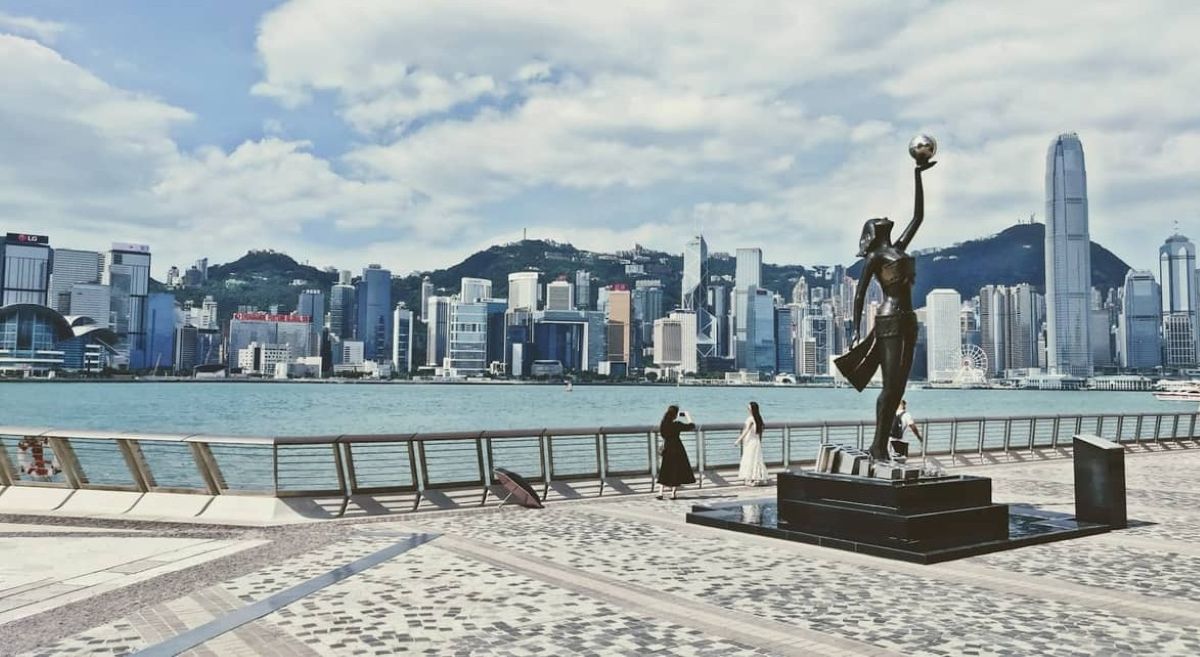
When you leave your house and walk into the air in Seoul something amazing happens the city suddenly feels like a place you have always known and always loved. Seeing your favorite characters eat late-night food or walk under lights created a gentle connection before you even arrived. It’s not, about checking off famous places on a list anymore. It’s the warm feeling of stepping right into a story that helped you feel better wiped away your sadness and made your heart beat faster from very far away.
Experiencing Immediate Familiarity and Comfort Throughout the Streets of Seoul
When international vacationers set foot in Seoul, they regularly encounter atmospheric settings that match televised scenes down to the smallest detail. Entering neighborhood eateries in Myeongdong provides instant comfort, as sizzling tabletop grills, green soju bottles, and colorful side dishes feel remarkably familiar. This cozy environment allows visitors to navigate foreign language environments with remarkable self-assurance and genuine ease. Thus, pre-existing cultural awareness turns initial international journeys into deeply reassuring, stress-free adventures.
This widespread familiarity fundamentally transforms how regional service providers host international travelers across various business sectors. Dining venues, boutique accommodations, and retail storefronts throughout Myeongdong benefit immensely from guests who already respect local dining etiquette and social customs. Because tourists arrive eager for authentic interactions, neighborhood merchants can deliver traditional offerings without altering them for overseas preferences. Consequently, the commercial hospitality sector achieves exceptionally high satisfaction ratings while safeguarding regional heritage.
Advertisement
Advertisement
Transforming Historic Landmarks and Urban Alleys into Living Story Sets
Architectural monuments and historic neighborhoods across South Korea have organically evolved into interactive physical sets for visiting sightseers. Prominent landmarks such as Gyeongbokgung Palace, majestic riverfront bridges along the Han River, and picturesque hanok pathways within Ikseon-dong consistently draw enthusiastic crowds. Global travelers gather at these locations to stand precisely where televised moments were produced, absorbing the exact atmosphere that once captivated them on screen. Therefore, historic grounds and modern thoroughfares are continuously reinterpreted through the creative perspective of contemporary storytelling.
Advertisement
Advertisement
For municipal urban planners and regional tour directors, this cultural shift effectively redistributes visitor movement throughout expanded metro area transit networks. Instead of gathering exclusively at traditional monuments, tourists disperse across residential cafes, municipal transit hubs, and quiet historical enclaves. This widespread distribution of walking traffic lightens overcrowding at historic landmarks while distributing fiscal benefits straight to local shop owners. As a result, municipal tourism becomes considerably more sustainable and financially balanced across the metropolis.
The Phenomenal Growth of Tailored Culturally Immersive Travel Itineraries
Travel coordinators and independent excursion specialists report an overwhelming increase in demand for customized vacation packages centered on media locations. Enthusiastic travelers from diverse countries, including a rapidly expanding demographic from India, actively request curated walking paths and customized guided excursions. These specialized trips enable enthusiasts to visit specific street corners, elevated rooftop venues, and scenic parks featured in famous storylines. Consequently, media-themed itineraries have emerged as one of the fastest-growing niche markets across the global travel industry.
The rapid expansion of media-themed vacation itineraries offers tremendous revenue potential for independent travel planners and tour operators globally. By developing specialized packages that combine filming site visits with hands-on cultural workshops, service providers command premium pricing while delivering unforgettable experiences. Furthermore, this commercial trend fosters long-term consumer devotion, as thrilled travelers routinely seek similar pop-culture excursion packages in other countries. Thus, international trip planners are permanently embedding media-inspired travel concepts into their core commercial offerings.
Indulging in Authentic Culinary Traditions Featured Beyond the Subtitles
Regional gastronomy serves as an indispensable anchor for travelers seeking complete immersion in daily life across South Korea. Street food stalls in Seoul welcome continuous crowds eager to sample iconic delicacies like warm ramyeon, spicy tteokbokki, and crispy pajeon. Consuming these classic recipes at lively outdoor night markets allows travelers to enjoy the rich aromas and authentic flavors they previously observed through translation text. Consequently, culinary discovery becomes a deeply emotional highlight of the entire international journey.
Advertisement
Advertisement
The global fascination with authentic regional recipes provides a massive economic boost to food service operators, local agricultural producers, and culinary exporters. As returning tourists broadcast their food experiences across global digital platforms, international demand for specialized cooking ingredients, traditional cookware, and regional beverages surges worldwide. Tourism boards and trade organizations capitalize on this international enthusiasm by hosting food festivals, cooking masterclasses, and guided market walks. Ultimately, culinary exploration generates a self-sustaining cycle that continually stimulates international airline travel:
Expanding Media Influence Across International Borders and Everyday Merchandise
The wide-ranging impact of televised entertainment extends far beyond international flights to shape everyday consumer purchases around the world. Creative entrepreneurs globally, including digital content developers based in Dubai, produce and export themed goods like custom apparel and stylized tableware to international enthusiasts. These physical products allow international fans to preserve a personal connection with distant places long before booking an itinerary. Consequently, entertainment culture successfully weaves itself into the everyday routines of global households.
This international merchandise marketplace operates as an expansive promotional network that constantly encourages international vacation planning. Every branded item, personal photo post, and online fan discussion serves as an authentic recommendation to visit South Korea. Transportation companies and global hotel brands can strategically collaborate with independent content creators and lifestyle platforms to engage prospective tourists during early planning stages. Therefore, the dynamic synergy between media output, lifestyle merchandise, and physical travel creates unprecedented long-term economic growth across the global travel sector.
Reimagining Metropolitan Exploration as an Interactive Open-Air Experience
Ultimately, screen-driven travel completely redefines how people perceive and explore major global metropolises like Seoul. Rather than viewing the city as a static collection of concrete structures and historic monuments, travelers experience the urban landscape as an interactive, open-air stage filled with narrative significance. Travelers walk through city streets with profound emotional investment, seeking out locations that spark cherished memories and shared human feelings. Therefore, metropolitan travel shifts permanently from passive observation to active, meaningful involvement.
Advertisement
Advertisement
This revolutionary perspective on metropolitan travel inspires tourism boards worldwide to rethink their core marketing strategies. Destination managers increasingly highlight cultural storytelling, artistic achievements, and creative exports alongside physical infrastructure and transport convenience. By fostering genuine emotional resonance through media narratives, major cities can build powerful international brands that draw consistent, highly engaged visitors. Ultimately, this seamless integration of entertainment media and real-world exploration marks an inspiring new era for international travel and cross-cultural understanding.
Quantifying the Multi-Billion Dollar Financial Windfall Generated by Pop-Culture Inbound Travel in South Korea
The rapid influx of pop-culture enthusiasts acts as a powerful economic engine across South Korea. The nation’s overall tourism sector—historically evaluated at a baseline market valuation of approximately $40.4 million—is projected to expand at a steady Compound Annual Growth Rate (CAGR) of 8.49%, surging past $99 million over the coming decade. International traveler volume reached over 10.7 million arrivals during the first half of the year alone, making substantial progress toward the national target of welcoming 22 million foreign visitors annually. This sharp surge demonstrates that televised entertainment and screen media directly stimulate significant inflows of foreign currency, national tax revenues, and capital investments across the hospitality economy.
International visitors motivated by television shows and pop culture spend considerably more per trip than standard vacationers. Individual expenditures on boutique lodging, regional dining, and specialized retail generate strong economic ripple effects, particularly within commercial districts across Seoul. Furthermore, international travel spending contributes over $26 billion directly to national economic output, proving that media exports provide measurable macroeconomic stability and long-term financial resilience for urban infrastructure.
Capitalizing on Soaring Hotel Occupancy Rates and the Rising Demand for Character-Driven Accommodations in Seoul
The sustained influx of screen-inspired travelers has pushed hotel occupancy rates in core metropolitan districts like Myeongdong, Hongdae, and Gangnam to historic highs. High-density commercial areas frequently record room occupancy rates exceeding 82% during peak travel seasons. Consequently, international hotel chains and local boutique operators are restructuring room inventories to accommodate longer foreign stays, with the average length of stay per international tourist extending to between 6 and 8 days.
Advertisement
Advertisement
Modern travelers increasingly reject generic corporate hotels in favor of culturally immersive lodging options. Boutique properties situated within historic hanok villages in Ikseon-dong or traditional guest houses near Gyeongbokgung Palace command premium room rates due to their proximity to famous filming locations. To safeguard this expansion, regulatory authorities have instituted strict consumer protection policies to prevent peak-season price gouging, ensuring that lodging providers maintain consistent pricing transparency for foreign guests.
Transforming Retail Spaces into Experiential Shopping Hubs via High-Margin Cosmetics and Fashion Sales
Retail shopping represents a dominant spending category for foreign visitors in Seoul, accounting for nearly 45% of total foreign visitor expenditure. The global obsession with flawless screen aesthetics directly fuels consumer demand within the skincare and cosmetics sector. Major retail hubs like Myeongdong feature multi-story flagship outlets where foreign shoppers spend an average of $350 to $600 per transaction on skincare regimens, thematic cosmetics, and fashion apparel featured in popular television series.
The convergence of media exposure and retail commerce has successfully transformed standard shopping trips into interactive brand experiences. Retail storefronts now incorporate personal color analysis stations, customized beauty workshops, and digital photo booths that replicate famous television sets. This integration of experiential retail maximizes spend-per-visitor metrics while accelerating export demand for consumer products across international markets in Asia, North America, and Europe.
Harnessing Institutional Government Directives and Visa Policy Reforms to Accelerate International Tourist Inflow
Recognizing the extraordinary commercial impact of screen-induced travel, municipal and national government bodies have deployed aggressive policy incentives to simplify entry for foreign nationals. Strategic initiatives include extending visa application fee waivers for group tourists from major source markets, including India, China, and key Southeast Asian nations. Additionally, targeted promotions under official destination campaigns have streamlined immigration procedures to reach the ambitious target of hosting over 20 million foreign visitors annually.
Advertisement
Advertisement
Government authorities have also introduced specialized long-stay entry categories, such as the dedicated K-Culture Training Visa and digital nomad visas. These progressive entry policies encourage global youth and long-term remote workers to reside in South Korea for extended periods. By pairing policy liberalization with multi-billion-won investments in local cultural festivals and regional transit infrastructure, regulatory bodies ensure long-term, sustainable tourism expansion.
Revolutionizing Modern Urban Mobility Through Specialized Smart-Tourism Tech and Digital Navigation Solutions
Navigating a foreign metropolis can present significant technological hurdles, but Seoul has engineered advanced digital infrastructure to streamline visitor transit. Supported by high-speed urban transit systems and localized navigation platforms, foreign travelers seamlessly move between filming locations scattered across the city. Automated multilingual ticketing, contact-free transit cards, and localized mobility applications have reduced transit friction, allowing foreign tourists to complete multi-stop itineraries with ease.
Digital travel booking platforms report a 150% year-over-year surge in mobile transactions for local transit passes, regional rail tickets, and attraction entry passes. Modern smart-tourism tools offer real-time translation features, interactive maps of filming locations, and integrated mobile payment solutions. This sophisticated tech ecosystem empowers independent, self-guided foreign travelers to explore off-the-beaten-path neighborhoods with total independence.
Expanding Economic Prosperity Across Regional Provinces Through Filming Sites Beyond the Capital City
While Seoul remains the primary gateway for international arrivals, media-driven tourism actively redistributes economic benefits into surrounding regional provinces. Coastal cities like Busan, mountain destinations in Gangwon Province, and subtropical landscapes across Jeju Island experience significant surges in foreign visitor traffic. Filming locations situated in provincial towns attract dedicated fans, effectively spreading tourist spending outside capital boundaries and invigorating rural economies.
Advertisement
Advertisement
Regional municipalities actively collaborate with production studios to preserve outdoor sets and turn them into permanent tourist attractions. Consequently, domestic transport networks, including high-speed rail lines, record increased passenger volumes as international tourists embark on multi-city journeys. This geographical diversification relieves urban congestion in central Seoul while stimulating regional hospitality, local dining, and transport services across the entire Korean peninsula.
Elevating Authentic Culinary Heritage through Branded Food Initiatives and Night Market Commerce
Culinary exploration forms a central pillar of the media-induced travel experience, driving substantial growth across the food service sector. National food tourism initiatives, such as official regional branding campaigns featuring iconic local dishes, have successfully positioned regional cuisine as a primary travel motivator. Traditional dining venues and lively night markets across Seoul report that foreign tourists account for up to 40% of their daily patron count, spending heavily on street food items like tteokbokki, pajeon, and ramyeon.
The global commercialization of Korean cuisine generates secondary economic benefits for domestic agricultural producers and beverage manufacturers. Foreign travelers who experience regional dining traditions at traditional food stalls become long-term consumers of exported food products upon returning home. This self-sustaining commercial loop fuels global export demand for specialty sauces, packaged foods, and traditional beverages, cementing culinary tourism as a vital driver of international commerce.
Implementing Sustainable Tourism Management Policies to Protect Historical Enclaves and Local Neighborhoods
The rapid growth of pop-culture tourism brings operational challenges, particularly regarding crowd management and neighborhood preservation in historical areas like Ikseon-dong and historic hanok districts. Municipal authorities in Seoul have proactively instituted sustainable tourism regulations, including daily visitor capacity thresholds, restricted visiting hours, and designated quiet zones. These balanced management strategies protect the structural integrity of heritage architecture while ensuring residential neighborhoods remain peaceful.
Advertisement
Advertisement
Destination management organizations focus heavily on balancing economic expansion with environmental and social sustainability. By encouraging travelers to visit lesser-known filming spots and off-peak attractions, urban planners effectively manage foot traffic distribution. This proactive management approach safeguards historic landmarks like Gyeongbokgung Palace for future generations while delivering a high-quality, authentic cultural experience for international visitors.
The Final Horizon
Leaving Seoul never really feels like a goodbye. It feels like leaving a piece of your heart in a city that welcomed you like a friend. Long after the suitcase is unpacked and the flight fades into memory those quiet moments stay with you. Sharing piping tteokbokki under neon lights or watching the twilight settle over the Han River are the moments that stay with you. You came seeking the scenes from your screen.
Advertisement
