
London Tourism Faces New British Museum Rules as Bayeux Tapestry Photography Ban Introduced After Visitor Crowds Surge

Published
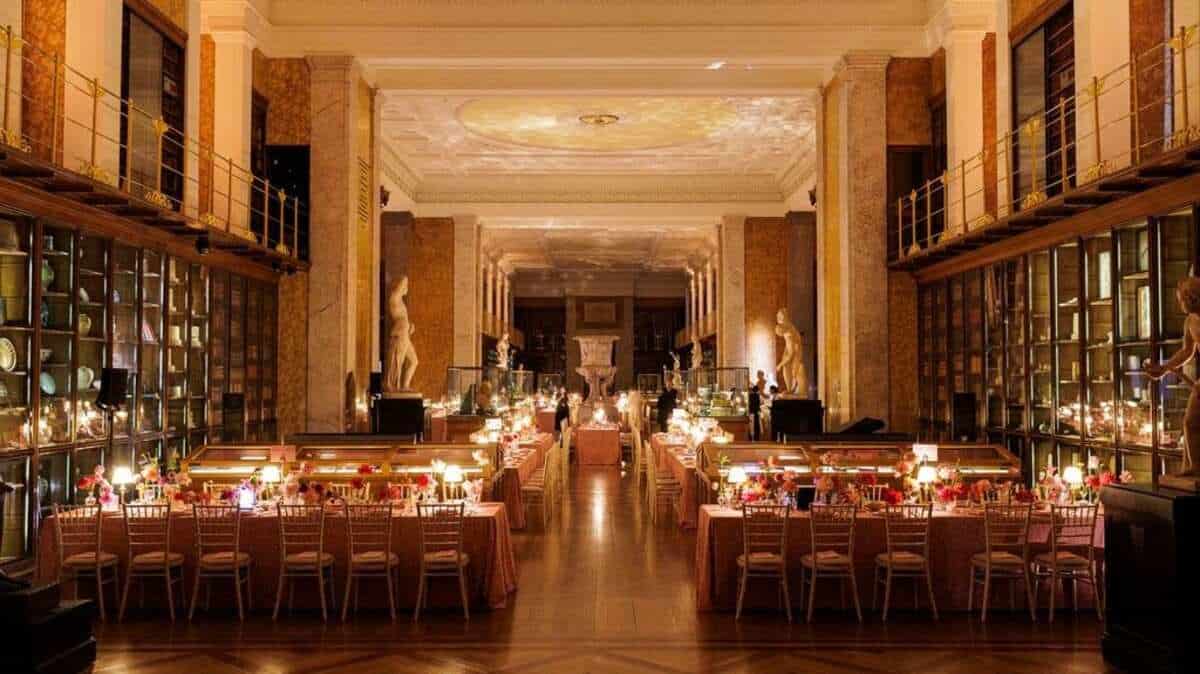
The British Museum has banned photography for its Bayeux Tapestry exhibition because visitors snapping photos created long lines and blocked passages. Museum staff has reported that the 11th century embroidery, on loan from France, is one of the most popular exhibits, and to add to its challenges, the artwork has attracted such a large audience that the exhibition has exacerbated issues with crowd control.
Many large, influential museums are trying to figure out how to best display large, notable collections while trying to minimize the negative effects large crowds have on artifacts. The Bayeux Tapestry has depicted a famous period in history that many tourists are keen to view, and although the tapestry has not been in Britain for almost 1,000 years, history fans have been eager to see it.
Advertisement
Advertisement
British Museum London Changes Photography Policy After Visitor Flow Problems
The British Museum originally allowed visitors to photograph the Bayeux Tapestry as long as flash photography was avoided. However, the policy changed after staff observed that visitors were frequently stopping along the display route to photograph individual scenes, slowing the movement of other guests.
The exhibition has been carefully designed around a one-way viewing experience. Visitors enter in scheduled groups and move along the full length of the artwork, which stretches approximately 68 metres. When people stopped to take photographs, even for short periods, crowds began building behind them, creating bottlenecks and longer waiting times. The museum’s decision is focused mainly on visitor management and crowd control, allowing more people to experience the exhibition within their allocated time slots. The photography restriction is part of wider measures to maintain a steady flow through the gallery.
Advertisement
Advertisement
Key Reasons Behind the Photography Ban
- Visitors stopping for photographs slowed movement through the exhibition.
- Queues increased as groups struggled to maintain the planned viewing pace.
- The artwork is displayed through a continuous route requiring steady visitor circulation.
- The museum wants to improve access for all ticket holders.
- The exhibition has attracted exceptionally high demand since opening.
Bayeux Tapestry Becomes One of London’s Biggest Cultural Tourism Attractions
The Bayeux Tapestry is among the world’s most recognised medieval artworks. Despite its name, it is not technically a woven tapestry but an embroidered linen textile decorated with coloured wool threads. The artwork tells the story of events surrounding the Norman Conquest of England in 1066, ending with the famous Battle of Hastings between William of Normandy and King Harold.
Advertisement
Advertisement
The historic embroidery provides a detailed visual record of medieval life. Its scenes show:
| Feature | Details |
|---|---|
| Artwork | Bayeux Tapestry |
| Period | 11th century |
| Length | Around 68 metres |
| Main historical event | Norman Conquest of England, 1066 |
| Medium | Embroidered linen textile |
| Exhibition location | British Museum, London |
| Display period | September 2026 to July 2027 |
The artwork includes images of medieval ships, warriors, horses, weapons, buildings and daily activities, making it an important source for understanding European history. Beyond its artistic value, the Bayeux Tapestry is considered a unique historical document showing political events and social life from nearly a millennium ago.
Historic Artwork Returns to Britain After Nearly Nine Centuries
The exhibition represents a major cultural moment because the original Bayeux Tapestry has returned to Britain for the first time in around 900 years. The artwork is normally displayed at the Musée de la Tapisserie de Bayeux in Normandy, France, but it has been loaned to the British Museum while restoration work takes place at its usual home.
The rare loan has generated enormous interest among international travellers, museum visitors and cultural tourists. The exhibition became one of the most anticipated heritage events in London, attracting visitors who wanted to experience a globally recognised medieval masterpiece in person. The strong demand also created operational pressure for the museum. High visitor numbers required careful planning around ticketing, entry schedules and gallery movement to ensure the fragile artwork could be displayed safely.
Visitor Management Becomes Major Challenge for Global Museums
The Bayeux Tapestry photography ban reflects a wider issue facing museums and heritage attractions around the world. Famous exhibitions often attract large crowds, and visitor behaviour can directly affect how effectively museums operate.
Advertisement
Advertisement
Modern cultural attractions increasingly use measures such as:
- Timed entry tickets
- One-way viewing routes
- Photography restrictions
- Controlled visitor numbers
- Special conservation conditions
These systems help museums balance accessibility with protection of important collections. The British Museum has stated that the restriction was introduced because of the “enormous interest” in the exhibition and the need to provide a better experience for visitors moving through the display.
Protecting a Fragile Medieval Treasure During Global Attention
The Bayeux Tapestry is an extremely delicate historical textile requiring careful conservation. Historic fabrics can be affected by environmental conditions, including light exposure, temperature changes and humidity. Museums displaying ancient textiles typically use controlled lighting and strict conservation measures to reduce damage risks. The photography restriction also supports better crowd control by reducing the time visitors spend standing in one location.
The exhibition has been organised around limited lighting periods because the material requires protection from prolonged exposure. Visitors are guided to continue moving along the display rather than remaining in one area for extended periods.
Impact on Travellers Visiting London’s British Museum
For tourists planning a visit to the British Museum, the new rule means personal photography is no longer permitted while moving along the main Bayeux Tapestry display. Visitors can still view the entire artwork and explore its historical significance through the exhibition experience.
Advertisement
Advertisement
The change may also influence how travellers interact with the exhibition. Instead of focusing on capturing images, visitors will need to experience the artwork directly while following the museum’s viewing route. For London tourism, the exhibition remains a major attraction, strengthening the city’s reputation as a global destination for museums, heritage and cultural experiences.
London Heritage Tourism Adapts to Rising Global Demand
The Bayeux Tapestry exhibition is an example of cultural tourism becoming more and more popular. Historical artefacts are becoming valuable sources of tourism. This means that museums must find ways of managing the different, often contradicting, habits of their visitors. The British Museum found a good balance. The majority of the visitors can still enjoy the exhibits, and the collection itself isn’t damaged.
London is the 5th most visited city in the world, and The Bayeux Tapestry exhibition, along with other exhibitions, shows one reason why. The photography ban shows how even the oldest tourism attractions must make concessions for modern tourism. Because the tapestry is over 1000 years old, people must understand that changes and compromises must be made for the continued presence of art for the enjoyment of future generations.
Advertisement
