
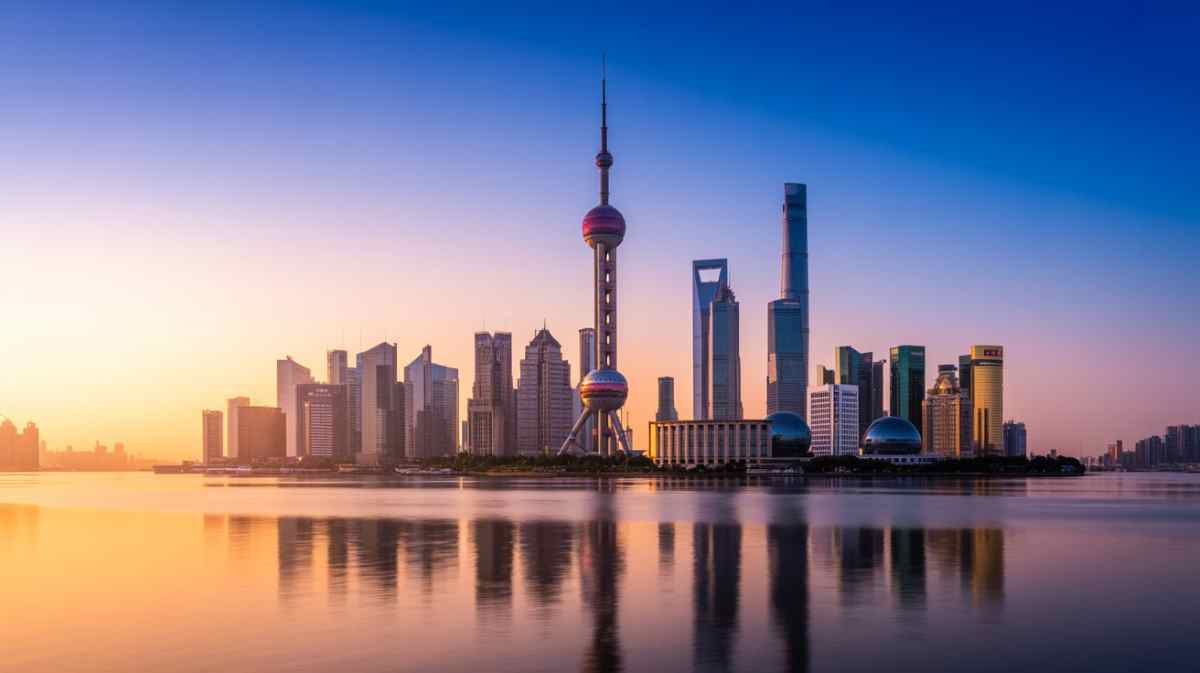
Image generated with Ai
International tourism may enter a new phase across the Asia-Pacific region as government leaders and tourism officials gather in Macau to discuss the future of travel cooperation. The meeting has attracted attention from the global tourism industry because of growing calls for simpler travel procedures, improved connectivity, and stronger cooperation among economies.
For travelers planning future trips to Asia, these discussions could eventually result in easier journeys, improved access, and more convenient cross-border experiences.
Advertisement
Macau hosted tourism ministers and government representatives from APEC economies to discuss the future of tourism development. The gathering focused on cooperation, sustainable tourism growth, and improving the movement of travelers throughout the region.
As international tourism continues to recover and evolve, many destinations are seeking ways to reduce travel complications. Officials discussed the importance of stronger partnerships and more coordinated tourism policies.
Advertisement
Macau’s position as an international tourism and business destination made it a suitable location for these discussions. The city continues to serve as a bridge between mainland China and international markets.
Chinese officials emphasized the importance of improving travel accessibility and reducing obstacles that may discourage international movement. Tourism was presented as a key driver of economic activity, cultural exchange, and regional cooperation.
Authorities indicated that tourism can help strengthen connections among countries and create new opportunities for businesses, destinations, and travelers.
The discussions highlighted the need for more efficient travel systems, improved visitor experiences, and stronger cooperation between governments.
For international visitors, these developments may eventually contribute to smoother travel experiences across multiple destinations.
Travelers increasingly look for destinations that offer simple entry procedures, convenient transportation, and reliable tourism services. Complicated visa systems and lengthy border procedures often influence travel decisions.
Efforts to improve travel facilitation could benefit tourists in several ways:
As governments work together, travelers may gain access to more seamless journeys across Asia-Pacific destinations.
Many visitors no longer travel to a single destination. Instead, they combine several cities or countries within one trip.
Macau, Hong Kong, Guangdong, Shanghai, Beijing, and other major destinations often attract international visitors seeking diverse experiences.
Improved travel cooperation may encourage regional itineraries that allow travelers to move more efficiently between destinations.
Tour operators and airlines could also benefit from stronger regional connectivity, creating additional travel options for visitors.
China remains one of the world’s largest tourism markets. The country offers cultural heritage sites, modern cities, natural landscapes, and growing tourism infrastructure.
Recent efforts to improve visitor services, transportation systems, and international accessibility have attracted attention from the travel industry.
High-speed rail networks, modern airports, digital payment systems, and expanding tourism facilities continue to improve the visitor experience.
International travelers increasingly seek experiences that combine culture, food, history, shopping, and nature. China offers all these elements across its diverse regions.
Macau has gradually expanded its tourism offerings beyond gaming and entertainment. The destination now promotes cultural heritage, gastronomy, meetings and events, and family tourism.
The city’s strategic location within the Greater Bay Area gives it an important role in regional tourism cooperation.
Visitors can easily explore Macau’s historic districts, modern resorts, culinary experiences, and entertainment attractions.
At the same time, Macau provides convenient access to neighboring destinations, making it an attractive starting point for wider regional travel.
The discussions in Macau may also create opportunities for airlines, hotels, travel agencies, cruise companies, and tour operators.
If travel procedures become simpler, tourism businesses may introduce:
Such developments could encourage longer holidays and higher visitor spending.
Although policy discussions do not immediately change travel rules, they often indicate future directions.
Travelers planning future trips to Asia should monitor:
Government announcements and official tourism authorities remain the most reliable sources for updated travel information.
Being informed allows travelers to take advantage of new opportunities as they become available.
The discussions in Macau demonstrate that tourism cooperation remains an important priority across the Asia-Pacific region.
Governments increasingly recognize tourism as a tool for economic growth, cultural exchange, and regional development.
For global travelers, the long-term result could be easier journeys, stronger connectivity, and more flexible travel experiences throughout Asia.
As destinations work together to improve accessibility and visitor experiences, travelers may eventually enjoy a more connected and convenient tourism landscape.
The conversations taking place in Macau may therefore represent an important step toward a future where international travel becomes simpler, more efficient, and more rewarding for visitors around the world.
Advertisement
Tags: APEC tourism meeting Macau, Asia travel news, China tourism policy, China travel barrier easing, China visa-free travel
Advertisement
Advertisement













Saturday, September 5, 2026

Friday, September 4, 2026

Saturday, September 5, 2026

Friday, September 4, 2026

Thursday, September 3, 2026

Wednesday, September 2, 2026

Friday, September 4, 2026