

Kenya’s Maasai Mara Brings Great Migration, Luxury Camps and Conservation Into Focus

Published
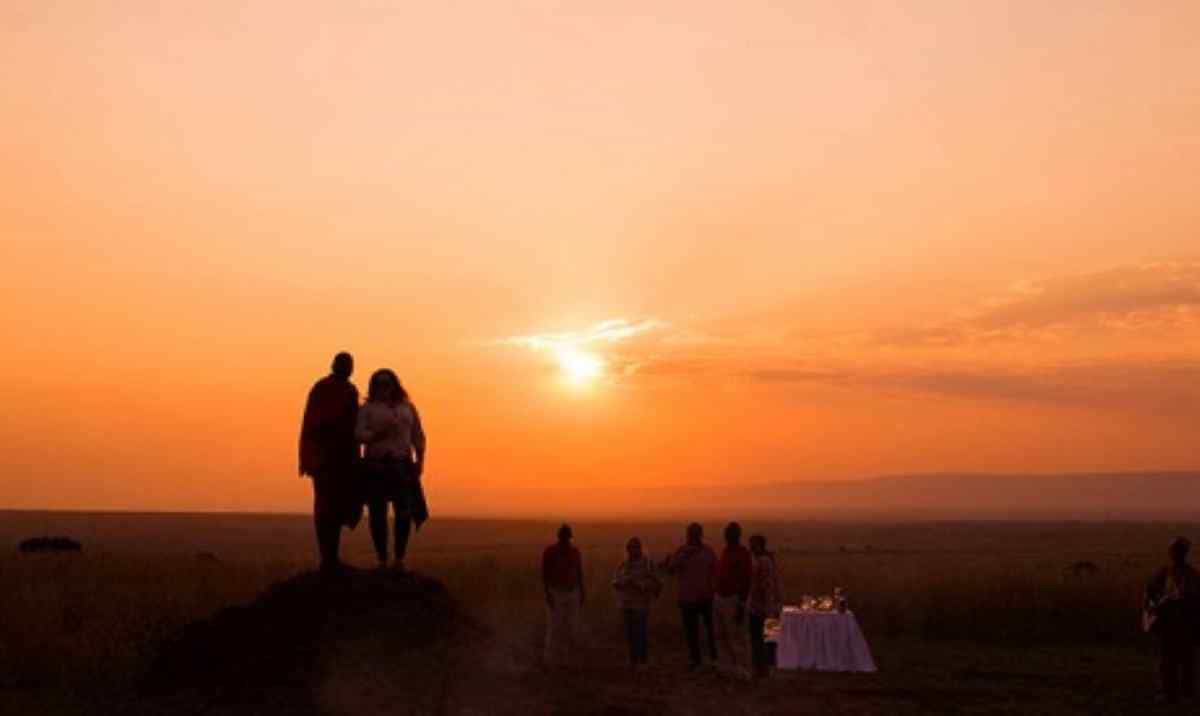
Maasai Mara National Reserve of Kenya has gained recognition from all around the world due to the presence of the Great Migration of wildebeest and zebras to the larger Mara ecosystem. Around the Mara River, animal migrations make one of the best-watched wildlife events in Africa, while grasslands provide habitat to lions, elephants, cheetahs and other species. The planned Great Migration River Crossing Climax event, scheduled to take place between September 28 and October 2 in 2026, puts the seasonal wildlife adventure at the heart of the premium safari package. However, it should be noted that river crossings cannot be guaranteed on a particular date, as they depend on the availability of rainfall, grazing and animal location in the Serengeti-Mara ecosystem. Luxury travellers find the broader appeal of the area more attractive than just river crossings.
The Great Migration Defines the Maasai Mara’s Seasonal Appeal
The Great Migration involves the movement of wildebeest, zebras and other grazing animals through the Serengeti-Mara ecosystem between Tanzania and Kenya. The Mara forms the northern part of this wider landscape, with seasonal grazing and water availability influencing herd movements.
The Mara River is among the most recognisable features of the migration. When herds approach its banks, animals may gather before attempting to cross, sometimes turning back or moving to another location.
September is commonly associated with migration activity in the Maasai Mara, although the exact timing and scale of crossings vary each year. Visitors travelling during late September and early October may encounter large herds, but sightings depend on conditions at the time.
Advertisement
Advertisement
The experience is not limited to the river. Open savannah, acacia woodland and riverine habitats support a broad range of wildlife, making guided game drives an important part of the safari itinerary.
River Crossings Bring Wildlife Drama and Conservation Challenges
A Mara River crossing can involve thousands of animals moving through a narrow section of riverbank. Dust rises across the grassland as wildebeest and zebras gather, while crocodiles inhabit the water and predators remain active in surrounding habitats.
Advertisement
Advertisement
The spectacle is also a reminder of the natural risks involved in migration. Animals may face steep banks, strong currents, exhaustion and predation. Their movements should not be treated as a performance arranged for visitors.
Tourism pressure around popular crossing points has raised concerns about vehicle congestion and disturbance. The Maasai Mara management framework identifies visitor management, wildlife corridors and riverine habitats as important conservation priorities.
Advertisement
Advertisement
Responsible safari operators can help reduce pressure by following reserve rules, maintaining appropriate viewing distances and avoiding attempts to force closer encounters.
Private Conservancies Offer a Different Safari Setting
The Greater Maasai Mara ecosystem includes the National Reserve and community conservancies across surrounding lands. These conservancies operate through arrangements involving local landowners, conservation organisations and tourism partners.
Some private concessions use limits on accommodation density, vehicle numbers or visitor access to manage the safari experience. Such measures can provide a quieter setting than heavily visited areas, although rules differ between conservancies.
For travellers seeking privacy, smaller camps and guided drives can offer greater flexibility. Guests may spend longer observing wildlife without the same concentration of vehicles found at popular sightings.
Advertisement
Advertisement
The model also has a community dimension. Conservancy arrangements can generate income for landowners and support wildlife habitat, although outcomes depend on transparent agreements, effective management and continued local participation.
Luxury Tented Camps Connect Comfort With Wilderness
Back at camp, the safari experience shifts from open grassland to canvas tents, private decks and communal dining spaces. Many luxury properties combine traditional safari design with contemporary accommodation, offering views across the surrounding landscape.
Sundowners, open-air meals and evenings around a fire form part of the established safari tradition. The setting allows visitors to experience the sounds and atmosphere of the wilderness after daytime game drives.
For premium itineraries, private vehicles, specialist guides and tailored schedules can add flexibility. The value of these services depends on the quality of guiding and the camp’s location, rather than accommodation rates alone.
The Maasai Mara’s high-end hospitality sector increasingly connects the stay with conservation narratives, local cultural experiences and low-density tourism models.
Conservation Shapes the Future of Premium Safari Travel
The appeal of the Maasai Mara depends on the continued movement of wildlife across a connected landscape. Habitat fragmentation, land-use changes, tourism congestion and pressure on migration corridors can affect the ecosystem beyond the boundaries of the National Reserve.
Advertisement
Advertisement
Community conservancies have become an important part of the wider conservation framework. By linking land management with tourism income, they can create financial reasons to maintain wildlife habitat alongside other local land uses.
For international visitors, conservation-led itineraries offer an opportunity to understand how safari tourism interacts with local communities and wildlife protection. Operators can strengthen that connection through responsible driving, local employment and clear explanations of conservation contributions.
Planning a Maasai Mara Migration Safari
Access to Maasai Mara can be via road transfers from Nairobi or flights from the airstrips servicing various areas within the conservation area. The flights and transfers depend on which camp has been selected. It is advisable that travellers get acquainted with the park and conservancy fees, transportation arrangements, baggage restrictions and entry times. A flexible itinerary is crucial during migration time since locations of wildlife can shift fast. At this late September time frame, the allure of Maasai Mara extends beyond the exciting prospect of the river crossing. The presence of wildlife, community conservancies and luxury wilderness camping has helped create Kenya’s reputation for safari holidays abroad.
Advertisement
