
Tourism Australia Launches Ad Campaign To Attract Visitors From UK, US, China, India And Japan

Published
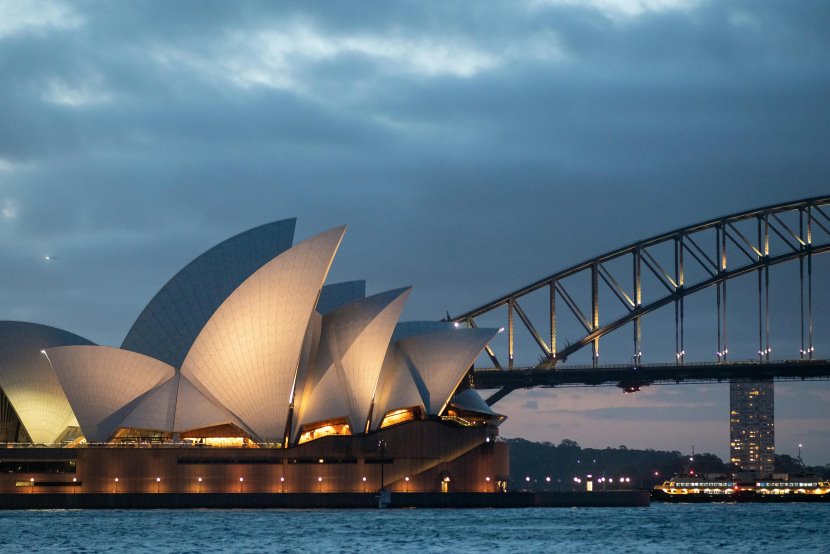 Image generated with Ai
Tourism Australia has launched an ambitious new advertising campaign with a $130 million budget aimed at attracting international visitors. This latest campaign, building on the “Come and Say G’day” platform first introduced in 2022, will run across five key markets: the United States, the United Kingdom, China, India, and Japan. The goal is to Australia as a must-visit travel destination by showcasing the country’s famous landmarks, relaxed culture, and Australia’s icons Robert Irwin and Nigella Lawson.
New Spin on Iconic Australian Clichés
Tourism Australia’s new campaign brings a fresh perspective to well-known Australian symbols and catchphrases. The ads are packed with Aussie slang like “mates” and “G’day,” alongside the famous “throw a shrimp on the barbie” phrase. However, the campaign gives these cultural references a modern twist, creating an engaging and fun narrative to appeal to today’s international audience. Ruby the Roo, the animated mascot, returns as a central figure, helping to showcase Australia’s unique wildlife and iconic tourist attractions.
Advertisement
Advertisement
What makes this campaign different is its localized approach to marketing. Unlike previous efforts that used one celebrity across all markets, this time, the ads feature well-known personalities from each of the five target countries. The goal is to appeal to each audience in a personalized way, connecting with them through familiar faces and relatable scenarios.
Celebrity Faces to Front the Campaign
The global reach of the campaign is amplified by a diverse set of celebrity endorsers. In the United States, conservationist Robert Irwin takes the lead, participating in a thrilling adventure across the South Australian sand dunes. Meanwhile, in the United Kingdom, renowned television cook Nigella Lawson showcases Australia’s vibrant culinary culture with a humorous twist involving the infamous “shrimp on the barbie” phrase.
Advertisement
Advertisement
The campaign also features local stars from other key markets, including Indian influencer Sara Tendulkar, Chinese actor Yosh Yu, and Japanese comedian Abareru-kun. Australian actor Thomas Weatherall will also play a central role in the advertisements, adding to the global appeal of the campaign.
Economic Impact and Tourism Growth
Tourism Australia’s efforts come at a time when international travel to the country is recovering from the disruptions caused by the COVID-19 pandemic. According to recent data from Tourism Research Australia, there were 7.7 million international visits to the country in the year ending March 2025—an 11% increase compared to the previous year. The new ad campaign aims to capitalize on this upward trend, targeting a record 10 million international arrivals by 2026 and 11.8 million by 2029.
Advertisement
Advertisement
This anticipated surge in visitor numbers is expected to significantly impact Australia’s economy, driving revenue across multiple sectors, including hospitality, retail, and transportation. The tourism industry is a crucial pillar of many local economies, particularly in rural and regional areas, where international visitors contribute substantially to job creation and business sustainability.
A Nod to Iconic Australian Ads of the Past
Tourism Australia has a long history of memorable advertising campaigns, many of which have become ingrained in popular culture. The 1984 “Shrimp on the Barbie” campaign, featuring actor Paul Hogan, helped put Australia on the map as a desirable holiday destination, particularly in North America. Although the phrase has since become a stereotype, it remains an important part of the national tourism brand. The new campaign embraces these familiar elements, using them to create a sense of nostalgia while also injecting humor and relevance to appeal to modern tourists.
Similarly, the 2006 campaign featuring Lara Bingle’s “Where the bloody hell are you?”—although briefly banned in the UK for its bold language—helped cement Australia’s reputation as an adventurous and laid-back destination. Tourism Australia continues to draw from the success of these past campaigns, with the latest effort striking a balance between honoring these classic tropes and updating them for today’s audience.
Tailored Strategy for Five Key Markets
The success of the new campaign lies in its tailored approach to each of the five target markets. China, India, the United States, the United Kingdom, and Japan will see different advertisements designed specifically for their cultural contexts and consumer behaviors. For example, in China, the campaign will focus on Australia’s natural beauty and adventure tourism, while in the UK, the emphasis will be on culinary experiences and the country’s iconic vineyards.
The campaign will also launch in a staggered fashion, beginning in China this week, followed by India in August. The advertisements will then roll out across the United States, United Kingdom, Japan, and Germany in the coming months, with South Korea set to follow in November. The diverse range of media platforms, including television, YouTube, streaming services, cinema, and outdoor billboards, ensures that the ads will reach a wide audience, both online and offline.
Conclusion: A Game-Changer for Australian Tourism
Tourism Australia’s latest $130 million ad campaign is poised to have a significant impact on the country’s tourism sector, driving a record number of international arrivals and contributing to the overall economy. By blending iconic Australian symbols with global celebrity endorsements and localized messaging, the campaign has the potential to resonate deeply with international tourists across key markets, including the United States, United Kingdom, China, India, and Japan.
The increased visitor numbers expected by 2026 and beyond will create numerous economic benefits, from job creation in the tourism sector to increased revenue for local businesses. With Australia’s tourism industry on the rise and these exciting new advertisements hitting the global stage, it’s clear that the future of tourism in Australia looks brighter than ever.
Advertisement
