
Travel Turmoil at Keflavik International Airport as Icelandair, Finnair, Wizz Air Flights to Reykjavik, Helsinki, Amsterdam Hit by 16 Delays and 4 Cancellations

Published
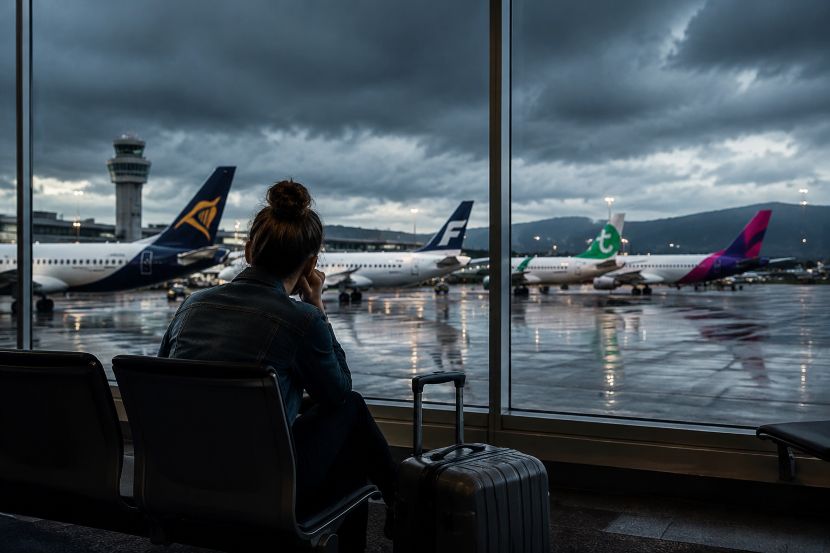
Keflavik International Airport (KEF) made 16 flights delayed and 4 flights canceled on the latest reporting period. Disruptions were found for Icelandair, Finnair, Transavia, and Wizz Air. Concentrating delays and cancellations at Iceland’s primary international gateway underscores persistent volatility in Northern Europe flight schedules, impacting the passenger trade as well as the travel industry.
From the data available at the airport and airlines, Icelandair was the most affected, having 11 delayed flights, which comprised 10% of the flight schedule at the airport, and 4 canceled departures or arrivals. This accounted for 3% of the total flight schedule. Smaller disruptions in the schedule were reported for the branch industry. Finnair canceled none of the services but experienced 3 delays. Transavia had one delayed flight. Wizz Air had one delayed flight as well. This shows that disruptions were found for both legacy and low-cost carriers.
Advertisement
Advertisement
The operational irregularities of the KEF airport show a larger disruption pattern in other northern and western European airports over the last couple of months. This has primarily been caused by various weather systems, disrupted flow levels of air traffic, and scheduling pressure. From public flight tracking data available, it can be concluded that KEF has been used repeatedly since it is a transatlantic bridge airport between Europe and North America, where small disruptions can build throughout the day for all inbound and outbound flights.
Airport operators, including Isavia (the state‑owned company managing Keflavik), publish live flight status information. This shows that even on relatively less chaotic days, the late arrival or departure of even a single flight has a cascading effect on the departure lounge, the ground handling team, and the passengers with connecting flights. Based on the information available, these patterns most likely extend beyond Iceland’s borders. The reliability of flights departing from Iceland is affected by the unpredictable weather in the North Atlantic and the high volume of seasonal travelers.
Advertisement
Advertisement
Passengers Affected and Immediate Impacts
For the travellers involved, the impact of today’s delays and cancellations ranged from extended layovers and missed connections to rebooking challenges. On a hub like Keflavik, where many itineraries link European cities with North America via a single connection, a delayed inbound flight can preclude same‑day onward departures, forcing passengers into unplanned overnight stays or alternative routing arrangements.
Advertisement
Advertisement
Industry commentary and anecdotal reports from recent disruption episodes at Keflavik further illustrate this dynamic. For example, even relatively modest figures of delayed or cancelled services at the airport have been associated with longer waiting periods in terminals and increased demand for ground transport and accommodation, as air travellers seek to recover their itineraries.
While the latest statistics are limited to 20 flights impacted, each delayed or cancelled operation represents a network effect. Passengers bound for European business hubs such as Helsinki, Amsterdam or Berlin experienced schedule pressure, and long‑haul travellers en route to U.S. gateways may have seen connection windows narrow due to late departures out of Iceland.
Advertisement
Advertisement
Operational Context and Broader Travel Sector Effects
Weather remains a recurring factor behind flight irregularities in Iceland. Seasonal North Atlantic storms and strong winds have, in past weeks, led to significant delays and cancellations throughout the Icelandic network, with wind and visibility often cited as constraints on ground operations and air traffic flow. These conditions not only affect aircraft performance but also influence airport infrastructure capabilities, such as the use of passenger boarding bridges and turn‑around efficiency at gates.
Reactionary delays – where one late flight triggers subsequent late departures – are also a documented contributor to schedule shake‑ups at Keflavik. Airports with a single runway and compact gate facilities have little buffer to absorb late aircraft, magnifying the effects of minor schedule slips.
For Iceland’s tourism economy, where air connectivity is a vital enabler of visitor arrivals from North America and continental Europe, even isolated days of flight disruption have implications. Tourism data from Iceland’s government and industry sources highlight the country’s reliance on smooth air links to sustain inbound travel flows, particularly in peak seasons. Interruptions to flight schedules can deter time‑sensitive tourists, erode confidence in travel reliability and strain local service providers tasked with accommodating displaced visitors.
Advertisement
Advertisement
Conclusion
There were 16 flight delays and 4 cancellations reported at Keflavik International Airport during a time when many regional disruptions in the European flight market were impacting travelers. Cancellations and delays are not a large scale systemic failure but show the delicate nature of air travel networks between island countries and international markets. Iceland’s tourism stakeholders and travelers need to monitor flight status, be flexible with ticketing, and coordinate responses to the delays to help eliminate the added pressure on passengers.
Authors Observation: All information is manually obtained from FlightAware’s official website, and all operations are subject to change based on real-time updates. In order to maintain safety, airlines actively modify schedules and itineraries. In order to get to their destinations safely, passengers are asked not to panic in such situations and to look for alternate travel choices. Relying on real-time updates, reviewing airline rebooking restrictions, and maintaining flexibility with travel plans are all highly recommended.
Source: Flightaware
Advertisement
