
Travel Turmoil Hits Denver International Airport as SkyWest and United Airlines Face 2 Flight Cancellations with Numerous Delays, Disrupting Major Cities Including San Diego, Aspen, Denver, Vancouver, Toronto and Beyond

Published
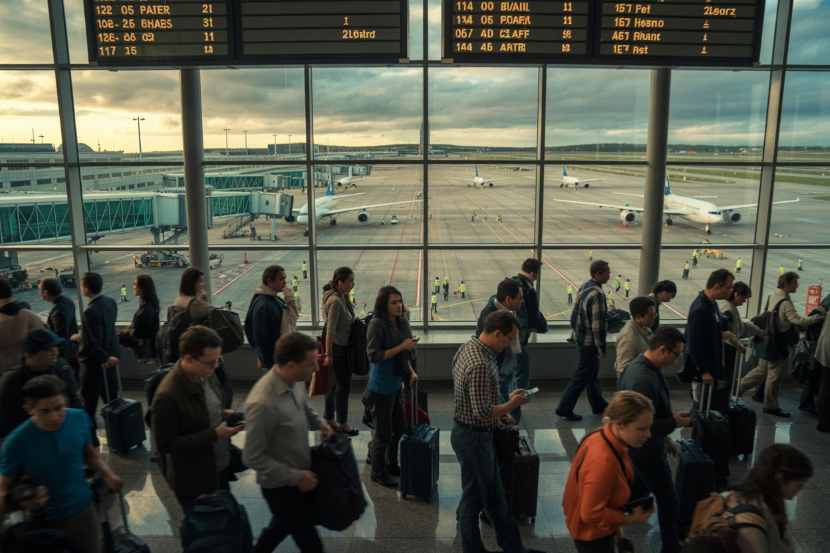
Travel turmoil hits Denver International Airport as SkyWest and United Airlines face 2 flight cancellations with numerous delays, disrupting major cities including San Diego, Aspen, Denver, Vancouver, Toronto and beyond. As a result, passengers are facing sudden uncertainty. Meanwhile, operations at Denver International Airport are under visible strain. SkyWest and United Airlines are actively managing the situation. However, 2 flight cancellations have already triggered wider disruption. In addition, numerous delays continue to ripple across the network. Consequently, major cities such as San Diego, Aspen, Denver, Vancouver, Toronto and beyond are experiencing connectivity issues. Furthermore, travellers are adjusting plans in real time. Therefore, airport congestion is increasing steadily. Overall, this travel turmoil highlights ongoing operational challenges.
Affected Cities
The affected cities include San Diego, Aspen, Denver, Vancouver, Toronto, Albuquerque, Alamosa (San Luis Valley), Buffalo, Burbank, Baltimore, Chadron, Charleston, Moab (Canyonlands), Dallas-Fort Worth, Durango, Devils Lake, Newark, Fargo, Houston, Idaho Falls, Indianapolis, Las Vegas, Los Angeles, Lubbock, New York (LaGuardia), Lincoln, Midland, Orlando, Miami, Minot, Minneapolis-Saint Paul, Ontario, Chicago, Portland, Philadelphia, Phoenix, Pasco (Tri-Cities), Palm Springs, Redding, Redmond, Raleigh-Durham, Santa Fe, San Francisco, Springfield, Salt Lake City, Sacramento, Sarasota-Bradenton, Vernal, Williston, Rome (Fiumicino), Istanbul, Cozumel, Cancun, Liberia (Guanacaste), George Town (Grand Cayman), Montreal, Alliance, Hartford (Bradley), Scottsbluff (Western Nebraska), Boston, Cortez, Casper, Dallas (Love Field), Des Moines, Detroit, Panama City (Northwest Florida Beaches), El Paso, Grand Junction, Grand Rapids, Hayden (Yampa Valley), Washington Dulles, Wichita, Little Rock, Memphis, Milwaukee, Montrose, Oklahoma City, Reno, Fort Myers (Southwest Florida), San Antonio, Seattle, San Jose, Orange County (John Wayne), St. Louis, Santa Rosa (Sonoma County), Tampa, Tucson, Knoxville (McGhee Tyson), Puerto Vallarta, Los Cabos, San Jose (Costa Rica), Belize City, Honolulu.
Advertisement
Advertisement
Flight Cancellations
| Airport | Airline | Cancelled Flights | Delayed Flights |
|---|---|---|---|
| Denver Intl | SkyWest | 1 | 32 |
| Denver Intl | United | 1 | 36 |
Overview of Flight Cancellations
As of April 12, 2026, the flight cancellation data indicates a limited but strategically important disruption pattern across the network. At Denver International Airport, a total of two flight cancellations have been recorded, one each attributed to SkyWest and United Airlines, with both reflecting a 0% cancellation rate, suggesting that while cancellations did occur, they represent a very small fraction of overall scheduled operations at this major hub. Beyond Denver, San Diego International Airport reported one cancellation with a 5% rate, while Aspen-Pitkin County Airport also recorded one cancellation but with a higher 9% rate, indicating a more concentrated operational impact at smaller regional airports. Notably, the majority of other airports across the dataset reported zero cancellations, even though they experienced delays, highlighting that airlines are largely maintaining flight continuity despite operational pressures. This trend suggests that carriers are prioritising schedule retention while managing disruptions primarily through delays rather than widespread cancellations.
What to Do if Your Flight Gets Cancelled: A Quick Guide
Flight cancellations can be frustrating, but knowing the right steps to take can help minimize stress. Here’s what you can do if you find yourself in this situation:
Advertisement
Advertisement
Stay Updated
Monitor your email, phone, and the airline‘s app for rebooking confirmation or further announcements.
Stay Calm and Check for Updates
As soon as you learn your flight is canceled, stay calm and check for updates. Many airlines will notify you via text, email, or their app. Visit the airline’s website for real-time updates on the situation.
Advertisement
Advertisement
Contact the Airline
Reach out to the airline’s customer service either in person at the airport or over the phone. If you’re at the airport, head to the service desk. If you’re not, try calling or using the airline’s online chat system to avoid waiting in long queues.
Know Your Rights
Familiarize yourself with the airline’s policies regarding cancellations. Many airlines offer rebooking options or compensation, especially if the cancellation is within their control. In the EU, for example, passengers are entitled to compensation under certain conditions.
Advertisement
Advertisement
Consider Alternative Flights
Ask the airline about the next available flight. If you can’t find a suitable option, consider booking a new flight through another airline, or check for other forms of transport like trains or buses.
The overall disruption remains controlled but impactful, with only a small number of cancellations recorded across the network. While major hubs like Denver show minimal cancellation rates, regional airports such as Aspen and San Diego reflect a more concentrated effect. However, the dominance of delays over cancellations suggests that airlines are actively working to maintain schedule integrity. Consequently, passengers continue to face extended wait times and operational uncertainty rather than outright trip cancellations. This pattern highlights a resilient but strained aviation system, where carriers prioritise continuity, even as network-wide pressures continue to influence travel plans across multiple cities.
Source: FlightAware
Advertisement
