
Air Canada Introduces A321XLR on Montréal Lyon Route as Future of Transatlantic Travel Takes Off

Updated
Published
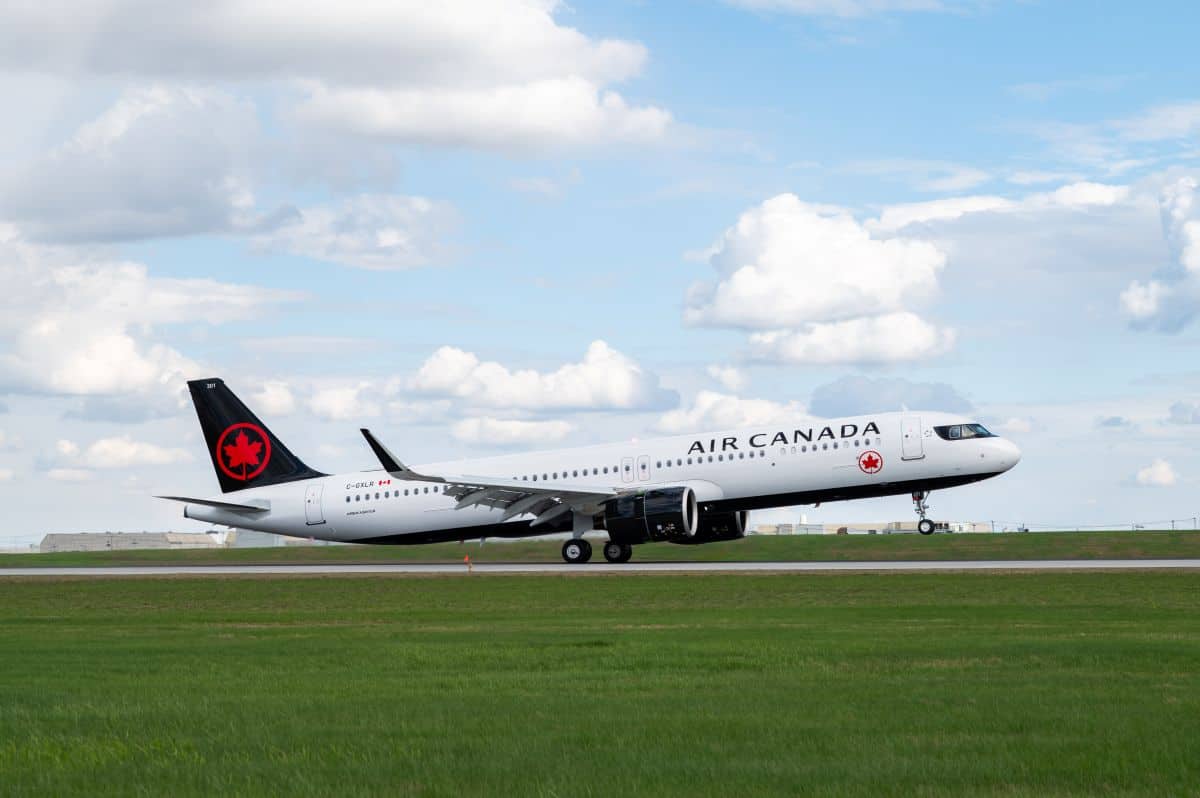
Image: © 2026 Air Canada
Air Canada introduced A321XLR on the Montréal Lyon route is the integration of the newest technology on long-haul passenger service on an established Canada France route. Air Canada will be able to manage travel demand to and from Montréal with the flexibility of changing capacity while still offering non-stop international flights. For now, the Airbus A321XLR is a flexible replacement on the transatlantic route, while larger aircraft are needed for other routes. The sole introduction of the A321XLR is not a new route for Air Canada, but a more effective placement of aircraft to manage passenger and cargo flows on the Montréal Lyon route. The A321XLR introduction is also a part of Air Canada’s overall modernization and optimization of long haul services.
Advertisement
Advertisement
Air Canada A321XLR Flights Add New Long Haul Capability Between Canada and France
Air Canada has introduced the Airbus A321XLR on the Montréal Lyon route as part of its effort to match aircraft capacity with market demand.
The service connects two important destinations:
Advertisement
Advertisement
- Departure: Montréal–Trudeau International Airport (YUL), Canada
- Arrival: Lyon–Saint Exupéry Airport (LYS), France
- Aircraft: Airbus A321XLR
- Operator: Air Canada
- Frequency: Up to five weekly flights during the seasonal operation
The aircraft change allows Air Canada to maintain a nonstop connection between Québec’s largest city and one of France’s most important regional destinations.
Advertisement
Advertisement
The route is particularly significant because Lyon provides access to eastern France, the Alps and major cultural attractions beyond Paris. Montréal, meanwhile, operates as one of Air Canada’s largest international gateways.
The A321XLR aircraft introduces a different approach to transatlantic aviation. Instead of relying only on large widebody aircraft, airlines can now operate long-distance routes with aircraft designed for lower-capacity markets.
Air Canada’s official information on its A321XLR programme states that the aircraft brings a new cabin standard, including lie-flat seats on a single-aisle aircraft and increased flexibility for international growth.
Advertisement
Advertisement
Why the Airbus A321XLR Is Changing International Airline Planning
The Airbus A321XLR has become one of the most important aircraft developments for airlines seeking more efficient long-range operations.
According to Airbus, the aircraft is designed to deliver extended range compared with previous A321 models, allowing airlines to operate longer international services while maintaining the efficiency of a single-aisle aircraft. Airbus A321XLR Official Aircraft Information
Advertisement
Advertisement
For Air Canada, the aircraft provides several advantages:
- Better aircraft utilisation during seasonal periods
- More flexibility on international routes
- Premium passenger experience on a narrowbody aircraft
- Ability to maintain routes that may not require widebody capacity year-round
The A321XLR operating on Montréal Lyon carries 182 passengers.
The cabin includes:
- 14 Signature Class lie-flat business seats
- 168 Economy Class seats
- Modern entertainment systems
- Updated passenger connectivity features
This configuration allows Air Canada to offer a premium international product while operating an aircraft smaller than the airline’s traditional Boeing 787 Dreamliner or Airbus A330 aircraft.
Montréal Lyon Route Receives Different Aircraft According to Seasonal Demand
The Montréal Lyon route demonstrates why aircraft flexibility has become increasingly important for airlines.
Advertisement
Advertisement
During autumn and shoulder-season periods, passenger demand may not always justify operating the largest aircraft available. The A321XLR allows Air Canada to maintain service frequency without adding unnecessary capacity.
However, winter travel creates different requirements.
Lyon serves as an important gateway for visitors travelling towards Alpine ski destinations. These passengers often carry additional luggage, including winter sports equipment.
Because of this demand pattern, Air Canada plans to return the Airbus A330 to the route during the winter schedule, providing more seats and greater cargo capacity.
The aircraft adjustment shows that airlines are not simply choosing one aircraft for one route. Instead, they are increasingly changing equipment throughout the year based on passenger behaviour.
Advertisement
Advertisement
Lyon Airport Strengthens Canada France Aviation Links
The Montréal Lyon connection remains an important international link between France and Canada.
According to information from Lyon–Saint Exupéry Airport, Air Canada’s service has played a significant role in strengthening links between the two cities while supporting tourism and business exchanges. Lyon Saint Exupéry Airport Official Website
The route benefits travellers looking for alternatives to Paris when visiting France.
Lyon offers:
- UNESCO-listed historic areas
- International gastronomy experiences
- Access to the French Alps
- Connections across southeastern France
For Canadian travellers, the route provides direct access to a major European destination. For French passengers, Montréal offers connections across North America.
Advertisement
Advertisement
Montréal Airport Hub Expands Passenger Opportunities
The importance of the route extends beyond direct Montréal Lyon travel.
Through Montréal–Trudeau International Airport, Air Canada connects passengers to destinations throughout Canada, the United States, the Caribbean and Latin America. Montréal Trudeau International Airport Official Website
This connectivity makes the Lyon service valuable for both leisure and business travellers.
Passengers arriving from France can continue their journey across the Americas, while Canadian travellers gain easier access to France’s Rhône region.
Montréal’s role as a connecting hub also supports Air Canada’s wider international strategy by allowing the airline to combine regional markets with global routes.
Advertisement
Advertisement
Air Canada A321XLR Flights Signal the Future of Flexible Transatlantic Aviation
Air Canada A321XLR flights represent a major shift in how airlines approach international connectivity.
The previous model of long-haul aviation relied heavily on large aircraft serving major cities. The arrival of aircraft such as the A321XLR is changing that approach.
Airlines can now operate international routes with aircraft that better match demand levels.
Air Canada has already identified the A321XLR as a key aircraft for network growth, particularly on international services where flexibility is essential.
The Montréal Lyon operation demonstrates this strategy in action.
Advertisement
Advertisement
The aircraft provides long-range capability, premium comfort and operational flexibility while allowing Air Canada to adjust capacity when seasonal travel patterns change.
How Air Canada’s A321XLR Strategy Is Reshaping Transatlantic Travel
Air Canada’s A321XLR flights improve technology for the Montréal – Lyon route. This is partly because of the new advanced aircraft technology meant for modern international travel and how airlines make decisions based on passenger demand and seasonal variation. This new model aircraft is used on the Montreal – Lyon route because it better adapts to changing demand on the route and provides a flexible transatlantic service. The newer model aircraft also provides greater comfort and improved efficiency of the route. The newer generation aircraft demonstrates howolder generation aircraft are being upgraded to provide improved comfort for passengers while providing improved operational efficiencies for the airlines.
Advertisement
