

U.S. and Global Travelers Face Impact as Iran Reopens Airspace Amid Geopolitical Tensions, Affecting Flight Routes and Travel Plans

Published
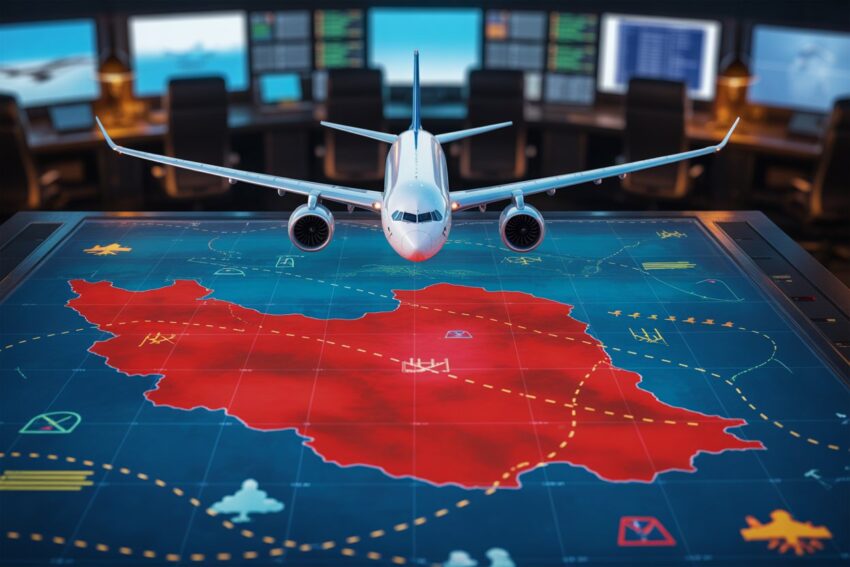 Image generated with Ai
Iran has reopened its national airspace after a temporary closure of nearly five hours that forced airlines to cancel, reroute, or delay flights across several regions. The shutdown came amid heightened tensions between Iran and the United States, prompting a Notice to Air Missions (NOTAM) that temporarily restricted flights over Iranian territory. With the NOTAM now lifted, flights have resumed, but airlines continue to monitor the situation closely as geopolitical uncertainty remains elevated.
For travelers, such airspace disruptions can have wide‑ranging effects on route planning, travel time, and safety perceptions. Understanding the official developments and what they mean for passengers is critical for international trip planning.
Advertisement
Advertisement
Why Airspace Was Closed
Iran’s Civil Aviation Authority issued the temporary airspace closure amid fears of potential military action and escalating tensions with the United States. The restriction permitted only flights with prior approval, while other aircraft were either grounded or diverted around Iranian airspace. This move followed political developments tied to large domestic protests and warnings of possible retaliation by Tehran if military strikes were conducted against it.
The airspace was closed at around 5:15 p.m. Eastern Time and reopened shortly before 10 p.m., after the NOTAM expired. Flight tracking services confirmed that flights — including those operated by Iranian carriers such as Mahan Air, Yazd Airways, and AVA Airlines — resumed normal operations once the restriction was lifted.
Advertisement
Advertisement
How This Affects International Flights
Disruptions and Rerouting
During the closure, numerous international flights were impacted. Passenger services from carriers including Air India, IndiGo, and European operators were affected, with some flights rerouting around Iranian airspace to avoid potential risk zones. For example, flights normally overflying Iran were redirected through neighboring airspace, increasing travel time and fuel costs.
Several airlines, particularly from Europe, have opted to avoid Iranian and nearby airspace entirely, even after the reopening. Airlines including Lufthansa, British Airways, KLM, Finnair, and others have continued to reroute flights through Central Asian corridors to mitigate perceived safety risks associated with the region.
Advertisement
Advertisement
Advantages for Travelers
Safer Flight Planning
One of the key advantages following Iran’s reopening of its airspace is the resumption of more direct flight paths where safety assessments permit. In situations of tension, alternate routes often extend travel time significantly. With the airspace open, some airlines may resume more efficient routing — where permitted — which can reduce flight duration and lower fuel surcharges on certain itineraries.
Increased Transparency and Advisory Support
Official announcements from civil aviation authorities and government bodies support clearer travel advisories. Travelers can access up‑to‑date notices through platforms such as the U.S. Federal Aviation Administration (FAA), European Aviation Safety Agency (EASA), or individual country foreign service advisories. These notifications help flyers make informed decisions about transit over regions impacted by geopolitical risk.
Continued Flight Options
With Iran reopening its airspace, airlines that depend on flights over the country — including some regional carriers serving destinations in the Middle East and South Asia — now have clearer operational parameters. This can help maintain connections between major hubs, such as flights linking Europe to South and Southeast Asia, which often benefit from direct overflights that include Iranian airspace.
Disadvantages and Traveler Concerns
Increased Travel Time and Costs
Despite reopening, many international carriers are still avoiding Iranian airspace entirely due to safety concerns, choosing longer, alternate routes. Such rerouting increases flight distances, fuel consumption, and operational costs — factors that can translate into higher fares or additional layover stops.
Uncertainty Ahead
Geopolitical tensions can flare up rapidly, meaning airspace closures could recur without extended notice. This unpredictability complicates travel planning, especially for long‑haul international flights that span conflict regions. Travelers may experience last‑minute flight changes, cancellations, or advisories urging precaution.
Airline Restrictions and Safety Precautions
Many carriers currently maintain voluntary avoidance of not just Iranian but also neighboring countries’ airspace, affecting global flight patterns. This can limit available routings and reduce direct connections, particularly for flights between Europe and South Asia or the Middle East.
Advertisement
Advertisement
What Travelers Should Do
Travelers planning international itineraries that might involve transiting the Middle East should check official sources for airspace advisories:
- Visit the Federal Aviation Administration (FAA) NOTAM database for current airspace status.
- Review foreign travel advisories from government ministries or foreign affairs departments.
- Consult airline notices before booking or traveling, as carriers update routings based on risk assessments.
These steps help travelers prepare for potential disruptions and make informed decisions about routing and timing.
Conclusion
The reopening of Iran’s airspace after a nearly five‑hour closure amid heightened tensions with the United States marks an important moment for international aviation. While flights have resumed, the ongoing geopolitical context has prompted several airlines to continue avoiding Iranian airspace, leading to reroutes and longer flight paths. For travelers, this situation underscores the importance of staying informed and flexible, as shifting conditions can influence travel time, safety perceptions, and overall itineraries. Monitoring official aviation notices and airline advisories will remain crucial for smooth travel planning in this dynamic environment.
Advertisement
