
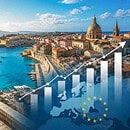
Image generated with Ai
Rabat is set to host the second International University Chess Festival at the ISMAGI Hay Riad campus from August 19th to the 23rd, 2026. This festival gives students and chess enthusiasts from Morocco, Mauritania, Senegal, Sweden, and partner countries, a chance to compete at a high level while learning and trading cultures. This is Rabat’s first major international festival built on the principles of youth leadership and will be held in celebration of Moroccan Youth Day. This festivals supports tourism in Rabat through the creation of new markets and offerings for hotels, restaurants, transportation, and heritage sites.
Rabat has long been known as Morocco’s political and administrative centre. Government institutions, diplomatic missions and national organisations shape much of its public identity. However, the International University Chess Festival presents another side of the city.
The second edition places Rabat within the growing international market for educational, youth and sports events. Instead of relying only on traditional sightseeing, the capital is creating additional reasons for people to travel. Students, competitors, coaches and institutional representatives can visit the city for a defined event and then explore its cultural attractions.
The official ISMAGI festival announcement scheduled the programme at its Hay Riad campus between 19 and 23 August 2026. The event was organised for Morocco’s Youth Day and described as the second International University Chess Festival.
Advertisement
Advertisement
This combination matters. A recurring international event can become part of a destination’s calendar. It gives universities, chess organisations and young travellers a clear reason to return. It can also help spread visitor activity across accommodation, restaurants, transport and cultural venues.
The festival does not transform Rabat into a major chess-tourism centre by itself. However, it provides a credible foundation. Its international participation, academic setting and multi-day programme support a broader Rabat event tourism narrative.
Student travel differs from conventional leisure tourism. Young participants often travel through universities, clubs or organised groups. They may arrive with coaches, lecturers, administrators or family members. Their visit can therefore generate several types of spending.
Accommodation represents the clearest demand. International participants attending a multi-day programme may require hotels, hostels, serviced apartments or university-arranged lodging. Food, local transport and basic shopping create further economic activity.
Students can also become long-term destination ambassadors. A positive visit may encourage them to return for leisure, postgraduate study, conferences or professional opportunities. Their photographs and personal accounts can introduce Rabat to friends and academic networks in other countries.
The reported participation of students from Mauritania and Senegal gives the festival an important African dimension. Morocco already plays a prominent role in regional education and business. A university-based competition can support stronger connections between African institutions without presenting the event as a purely commercial tourism product.
Participation from Sweden and other international partners broadens that reach. It places Rabat before European students who may know Morocco mainly through Marrakech, Agadir or Casablanca. The festival therefore helps introduce the capital as an alternative city-break and educational-travel destination.
Chess tourism is smaller than football tourism, but it can deliver meaningful value. Players travel for tournaments, training camps, exhibitions, federation meetings and university competitions. Many events last several days, encouraging overnight stays.
Chess also requires relatively modest infrastructure. A university campus, conference hall or hotel ballroom can host competitive rounds. Organisers do not need to build a large stadium or permanently change an urban district.
That flexibility can make chess suitable for sustainable event development. Existing venues can accommodate competitions while nearby businesses serve participants. The model may be repeated without the high operating footprint associated with some spectator sports.
Chess visitors also have predictable interests. They value quiet accommodation, reliable transport, suitable playing conditions and well-planned schedules. Outside competition hours, they may visit museums, monuments, cafés and cultural districts.
For Rabat, the opportunity lies in connecting the tournament with the city. A chess event held entirely inside one campus produces limited tourism benefits. A festival linked with guided heritage visits, local dining and cultural programming can create a much richer travel experience.
This does not require turning every participant into a conventional tourist. It means making the destination accessible to visitors who already have a reason to be there.
The original festival programme extends beyond competitive rounds. Its opening included an exhibition of portraits associated with leading figures in chess and a display of rare equipment. Educational masterclasses added another layer.
This mixed format helps the festival reach a wider audience. Competitive players may focus on rankings and results. Other students may attend for leadership lessons, cultural discussion or curiosity about the game.
The festival theme, centred on strategy, intellect, success and youth leadership, also connects sport with education. That positioning is particularly relevant for university travel. It presents participation as a learning experience rather than a simple sporting journey.
Masterclasses can increase the value of attending in person. They create opportunities for students to connect chess principles with leadership, decision-making and professional performance.
A programme combining competition and education can also appeal to universities evaluating whether to send future delegations. Institutions are more likely to support travel when an event offers academic, cultural and networking benefits alongside sport.
The model supports a form of purposeful tourism. Participants do not visit only to see a place. They travel to compete, learn and meet people from different backgrounds.
Hay Riad is a modern district of Rabat. Its institutional, residential and commercial character differs from the medina and other historic neighbourhoods. Hosting the festival there introduces international visitors to the contemporary city.
This matters for destination storytelling. Rabat’s appeal is not limited to monuments. Its modern districts show how the capital functions today. Visitors can encounter universities, businesses, cafés, public spaces and local neighbourhood life.
The ISMAGI campus provides an organised setting for young international guests. A campus venue can make arrival, registration and event participation easier. It can also help universities coordinate groups and maintain a clear schedule.
However, the visitor economy benefits most when participants move beyond the venue. Restaurants near Hay Riad may serve competitors. Taxi operators and urban transport services can carry visitors between the campus, accommodation and heritage districts.
Tour planners could connect Hay Riad with central Rabat through carefully timed visits that do not disrupt competition. Short evening experiences, guided walks or cultural visits would allow students to see more of the destination.
Such additions should remain affordable. University travellers often have limited budgets. Accessible experiences can encourage participation while supporting a wider range of local businesses.
Rabat has a strong cultural foundation for event-led tourism. Its heritage combines historic and modern urban development. That range allows visitors to experience different periods of Moroccan history within one city.
UNESCO describes Rabat, Modern Capital and Historic City as an exchange between the Arabo-Muslim past and Western modernism. The World Heritage property includes the modern town developed during the French Protectorate and older elements dating back to the 12th century.
Important places include the Kasbah of the Udayas, Hassan Tower, the Almohad walls and gates, the medina, Chellah and the modern administrative city. These attractions give visiting students meaningful options before or after competition.
The heritage setting strengthens the festival’s international identity. Chess carries a long history across cultures. Holding a chess gathering in a city shaped by different historical periods creates a natural connection between intellectual sport and cultural discovery.
Rabat also offers a calmer alternative to Morocco’s most heavily promoted leisure destinations. That quality may suit chess players and academic groups seeking organised activities with time for learning and reflection.
The event can therefore support two tourism messages at once. Rabat is a living capital with modern institutions, and it is a heritage destination with a layered cultural story.
The event aligns naturally with Morocco’s published tourism priorities, although it should not be presented as a government tourism project unless authorities formally classify it as one.
Morocco’s Tourism Roadmap 2023–2026 organises the visitor economy around thematic and cross-cutting travel experiences. The strategy includes city breaks, business tourism, cultural circuits, festivals, gastronomy, handicrafts, sustainable development and alternative accommodation.
According to the Moroccan Tourism Observatory’s official roadmap, the programme carried a budget of 6.1 billion Moroccan dirhams for 2023–2026. Its stated targets included 17.5 million tourists, 120 billion dirhams in foreign-currency receipts and 200,000 new direct and indirect jobs by 2026. The longer-term ambition is to welcome 26 million tourists by 2030.
A university chess festival intersects with several parts of that framework:Tourism priority Connection with the Rabat chess festival City breaks Participants can combine competition with a short Rabat visit Festivals and events The multi-day programme adds to the capital’s events calendar Cultural circuits Visitors can explore Rabat’s World Heritage attractions Business tourism Institutions, organisers and university representatives travel for formal purposes Gastronomy Participants create demand for local food and restaurants Sustainable development The competition uses an existing university campus Alternative accommodation Student groups may need affordable lodging choices Handicrafts Cultural excursions can connect visitors with local makers International promotion Overseas participants share Rabat with new networks
The relationship is strategic rather than automatic. Tourism benefits depend on coordination. Organisers, accommodation providers and destination bodies would need to connect the event with bookable services and visitor information.
Morocco’s visitor economy has expanded significantly since the disruption caused by the pandemic. The country has used air connectivity, destination marketing, infrastructure investment and diversified experiences to rebuild demand.
The Moroccan Tourism Observatory reported 894,000 direct tourism jobs in 2025. That represented growth of 16 per cent compared with 2019 and an increase of approximately 125,000 direct positions over the period.
The Observatory also reported that tourism-related gross domestic product in the 2024 Tourism Satellite Account was 38.4 per cent higher than in 2019. Tourism’s share of national GDP increased from 6.8 per cent to 7.3 per cent.
These national figures do not measure the chess festival’s impact. No official festival-level spending or visitor study has been published. They instead show why smaller international events matter within a larger industry.
When tourism supports hundreds of thousands of jobs, demand created by student groups, academic gatherings and specialist sports can contribute to a more diverse market. Such events may be modest individually, but a sustained calendar can reduce dependence on a narrow range of travel products.
The key is to measure results responsibly. Future editions could record participant numbers, countries represented, average stay, accommodation use and visitor spending. That would allow organisers to demonstrate actual tourism value rather than relying on broad promotional claims.
The Moroccan Tourism Observatory’s published dashboard for January to June 2026 showed positive movement across major national indicators. Its headline figures included growth in border arrivals, accommodation nights and foreign-currency tourism receipts.
Because automated displays on the Observatory’s multilingual pages can render inconsistently, percentage movements should be read together with the dated national dashboard rather than extracted without context. The official homepage indicated growth of approximately 6 per cent in border arrivals, 9 per cent in nights at classified tourist accommodation establishments and 16 per cent in foreign-currency receipts for the first half of 2026.
These figures cover Morocco as a whole. They do not reveal how many visitors travelled to Rabat for events or how individual regions performed.
Nevertheless, national growth creates favourable conditions for destination diversification. When international demand rises, secondary and specialist travel products can gain more attention. Rabat can use heritage, government activity, universities and cultural events to develop a distinctive market position.
The city does not need to imitate Marrakech or Agadir. Its opportunity lies in combining capital-city functions with education, culture, conferences and intellectual events.
| Indicator | Official period | Reported performance | Source institution | Relevance |
|---|---|---|---|---|
| Direct tourism employment | 2025 | 894,000 jobs | Moroccan Tourism Observatory, using HCP context | Shows tourism’s labour-market importance |
| Employment change | 2019–2025 | Up 16% | Moroccan Tourism Observatory | Demonstrates sector expansion |
| Additional direct jobs | 2019–2025 | About 125,000 | Moroccan Tourism Observatory | Indicates broader employment growth |
| Tourism-related GDP change | 2019–2024 | Up 38.4% | HCP Tourism Satellite Account | Shows economic recovery and expansion |
| Tourism share of GDP | 2024 | 7.3%, from 6.8% in 2019 | HCP Tourism Satellite Account | Confirms national economic contribution |
| Border-arrival trend | January–June 2026 | Up approximately 6% | Moroccan Tourism Observatory | Signals continuing inbound demand |
| Classified accommodation nights | January–June 2026 | Up approximately 9% | Moroccan Tourism Observatory | Indicates stronger overnight activity |
| Foreign-currency receipts | January–June 2026 | Up approximately 16% | Moroccan Tourism Observatory | Points to growing tourism earnings |
| Tourism Roadmap funding | 2023–2026 | MAD6.1 billion | Ministry-aligned Tourism Roadmap | Supports product and destination development |
| National visitor ambition | By 2030 | 26 million tourists | Moroccan tourism authorities | Provides the long-term policy context |
The data should not be used to claim that the chess festival generated national tourism growth. The event is one example of the diversified experiences that can complement Morocco’s wider strategy.
The participation of students from Mauritania and Senegal gives the festival a clear regional-tourism angle. Travel for university sport can strengthen relationships between institutions and create repeat movements between countries.
Rabat is well placed to support such exchanges. It combines national institutions, higher education, diplomatic activity and transport connections. These factors can make it a practical location for African academic events.
The festival can also contribute to people-to-people contact. Students meet competitors from other cultural backgrounds in a structured environment. Chess provides a shared language even when participants speak different languages.
For tourism, these connections may generate more than one visit. A student who travels for a tournament may later return for a conference, internship, postgraduate programme or holiday. Universities may arrange reciprocal visits or send larger teams to future editions.
However, these outcomes should be described as opportunities, not confirmed results. The available festival material does not provide data on subsequent travel, partnership agreements or economic returns.
The immediate development is simpler and still significant: Rabat has welcomed international university participants for a multi-day chess festival with a cross-border educational purpose.
The presence of Swedish students or competitors introduces Rabat to a northern European audience. Morocco is familiar to many European travellers, but demand is often concentrated around established leisure destinations.
An international university festival can reach a different segment. Chess clubs, student associations, educational institutions and families may discover Rabat through participation rather than advertising.
This type of visibility can be valuable because it grows through trusted networks. A university delegation may share its experience with other students. Chess communities may discuss the tournament through specialist channels. Families may consider Morocco after learning about the organised programme.
Rabat’s heritage, Atlantic setting and contemporary cityscape provide enough material for a short extension around the event. Visitors can add one or two days without needing a long domestic itinerary.
The strongest message is not that the festival will immediately reshape European tourism to Rabat. It is that a credible international event gives the city access to communities that conventional destination campaigns may not reach directly.
International event tourism depends on reliable access. Rabat is served by Rabat–Salé Airport, while Casablanca’s larger aviation gateway provides another option for some long-haul and connecting travellers.
Rail and road connections link Rabat with Casablanca and other Moroccan cities. This enables visitors to combine the capital with a broader itinerary. Participants arriving through Casablanca may continue to Rabat by train or road, depending on their schedule and travel arrangements.
The chess festival announcement did not include a new airline route, airport expansion or dedicated transport service. It would therefore be misleading to describe the event as an aviation development.
The relevant travel angle is that existing connectivity makes an international university gathering possible. If the festival grows, organisers may need clearer arrival guidance, group transfers and multilingual transport information.
Airlines could benefit indirectly from international delegations, especially where students travel in organised groups. Airports may see limited additional passenger movements. However, no official passenger volume has been attributed to the tournament.
Ground transport providers are more likely to experience direct local demand. Participants may need transfers between the airport, accommodation, campus and cultural attractions.
The festival’s five-day schedule creates a stronger accommodation opportunity than a single-day event. Overseas participants may need several nights in Rabat, depending on arrival and departure times.
Hotels can respond with student-group rates, early breakfasts, quiet common areas and flexible meal arrangements. Properties near Hay Riad may benefit from convenience, while central accommodation can place visitors closer to heritage sites.
Affordable options are important. University travel budgets differ from those of corporate conferences. A range of prices can make the festival more inclusive and encourage larger delegations.
Hotels can also support the visitor experience without overstating their role. Simple city maps, transport advice and information about cultural attractions may encourage participants to explore.
No official data currently shows room nights generated by the event. Any claim about hotel occupancy or revenue would therefore require a future survey or information from participating properties.
Still, the commercial logic is clear. A recurring multi-day international event creates potential demand for accommodation, food and meeting services.
Event tourism works best when spending reaches businesses outside the host venue. Students and accompanying adults need meals, drinks, pharmacy items, mobile services and everyday supplies.
Restaurants near Hay Riad may receive the most immediate benefit. Food businesses in central Rabat can gain when visitors join cultural outings. Local guides, taxis and small retailers may also serve international groups.
The festival’s cultural character could create opportunities for Moroccan food experiences. Organisers might include an affordable group meal or provide a list of nearby restaurants suited to different dietary needs.
Handicraft shops may benefit if visitors explore the medina. However, student groups should receive clear guidance on prices, opening times and respectful purchasing.
Local economic impact should not be exaggerated. A single festival may generate modest spending. The larger opportunity comes from repeat editions and a broader annual calendar of university, cultural and sporting events.
Consistency can help businesses plan. If dates are published early, hotels and service providers can prepare packages while universities can budget for travel.
Tour operators do not need to create complex itineraries for chess visitors. Compact experiences may work better around a demanding competition schedule.
A half-day Rabat heritage tour could include Hassan Tower, the Mohammed V Mausoleum area, the Kasbah of the Udayas and selected sections of the medina. A longer programme could incorporate Chellah and contemporary districts.
Pre-event and post-event options could connect Rabat with Casablanca, Meknes or Fez. Such extensions would increase length of stay and spread visitor spending.
Programmes should be designed around confirmed tournament times. Players need rest and preparation. Overloaded itineraries could weaken the main event experience.
Tour operators also need transparent prices and suitable safeguarding arrangements for young travellers. Universities may require detailed plans, verified transport and clear supervision responsibilities.
The best products would treat participants as students and competitors first. Tourism should add value without distracting from the purpose of travel.
Rabat does not receive the same level of international leisure attention as Morocco’s most famous destinations. Specialist events can distribute visitors more widely by giving them reasons to select another city.
The August timing places the festival within a busy travel period. It also connects the programme with Youth Day celebrations. That national context strengthens its cultural meaning.
Over time, a diversified event calendar could help Rabat attract visitors across different months. Academic conferences, university competitions, arts programmes and intellectual festivals can complement conventional holidays.
Such diversification is consistent with resilient tourism development. Destinations become less dependent on one visitor type or travel motivation.
The current chess festival is only one event. It should not carry the full weight of a citywide tourism strategy. Its value lies in showing what is possible when education, international participation and destination experiences meet.
The festival uses an established university campus rather than a newly built venue. This is a practical sustainability advantage. Existing rooms, services and transport networks can support the programme.
Chess also has limited equipment requirements compared with many major sports. Boards, clocks, tables and suitable competition areas form the core physical needs.
The larger environmental impact comes from travel, accommodation and food. Organisers can address these areas through public-transport information, efficient group transfers, reduced single-use materials and responsible catering.
Digital schedules can reduce printing. Reusable signage can serve future editions. Local suppliers can shorten procurement routes while allowing visitor spending to remain within the area.
No published festival sustainability plan was identified. These measures should therefore be viewed as practical opportunities rather than announced commitments.
Morocco’s tourism roadmap includes sustainable development as a cross-cutting priority. A university event can contribute most credibly by applying simple, measurable practices and reporting them openly.
Visitors should confirm the final programme directly with organisers because competition rounds and masterclasses may change. Registration conditions, eligibility rules and accreditation should also be checked before travel.
International participants need to verify Morocco’s entry requirements for their nationality through the relevant diplomatic authority. Passport validity, visa rules and permission for minors may vary.
Students travelling through a university should keep details of accommodation, local contacts and transfers. Travel insurance should cover medical needs, disruption and planned activities.
August weather can be warm. Visitors should carry water, use sun protection and allow time for rest between competition and sightseeing.
Travellers should also plan transport between the airport, hotel and Hay Riad campus in advance. Group transfers may be easier for international delegations arriving together.
A short cultural extension can add significant value, but it should fit the tournament timetable. Competitors should protect preparation and sleep while selecting experiences that are practical and nearby.
ISMAGI has presented the event as the second edition, demonstrating that the festival has moved beyond a one-off launch. The stated ambition is to establish the gathering in Rabat and provide university youth with an international space combining intellectual discipline and personal development.
That provides a basis for continuity. It does not confirm future dates, participant targets, tourism packages or public funding.
Any future outlook should therefore remain tied to published developments. The next indicators to watch include official dates for another edition, confirmed international partners, participant numbers and evidence of institutional cooperation.
Tourism authorities or the regional tourism council could potentially support destination information, but no formal partnership should be assumed without an announcement.
A future economic-impact study would improve credibility. It could measure:
These figures would help determine whether the festival is becoming a meaningful component of Rabat event tourism.
The festival gives Rabat a story that connects several important themes. It combines youth, higher education, international exchange, intellectual sport and cultural heritage.
That combination distinguishes the capital from destinations built primarily around beaches or resort experiences. Rabat can offer structured, knowledge-led travel within a historic urban environment.
The event also demonstrates how a university campus can participate in destination development. Tourism does not need to begin at a hotel or attraction. It can start with an academic invitation, sporting fixture or professional gathering.
International students may arrive because of chess, but their wider experience includes the city. They use transport, encounter local food, see Moroccan architecture and meet residents.
This is the central tourism value of the festival. It creates a reason to travel and then allows Rabat to provide the destination experience around that reason.
The International University Chess Festival in Rabat provides Moroccan capital city options to participate in educational, youth, and intellectual sports tourism. Thanks to its multi day scheduling, it brings international students to Hay Riad, while providing opportunities for accommodation, food and drink services, transport, guides and heritage attractions. The festival also aligns with official Moroccan promotions of city breaks, festivals, cultural circuits and business tourism. While the potential economic contribution of the festival has not been analyzed, the most potential is toward the commitment to provide a number of consistent, measured festivals. This commitment would provide an opportunity to strategically showcase the connection between the Chess festival and Rabat’s offered city events. Indeed, if managed with vision, Chess Festival tourism could enhance the appeal of Rabat while preserving the purpose of the festival.
Advertisement
Tags: Chess Festival, morocco, Rabat, Tourism
Advertisement
Advertisement











Tuesday, September 1, 2026

Tuesday, September 1, 2026

Tuesday, September 1, 2026
Tuesday, September 1, 2026
Tuesday, September 1, 2026
Tuesday, September 1, 2026

Tuesday, September 1, 2026

Tuesday, September 1, 2026



