
Nairobi Emerges as a Powerful Global Meetings Destination, Blending Conferences, Connectivity and Wildlife

Updated
Published
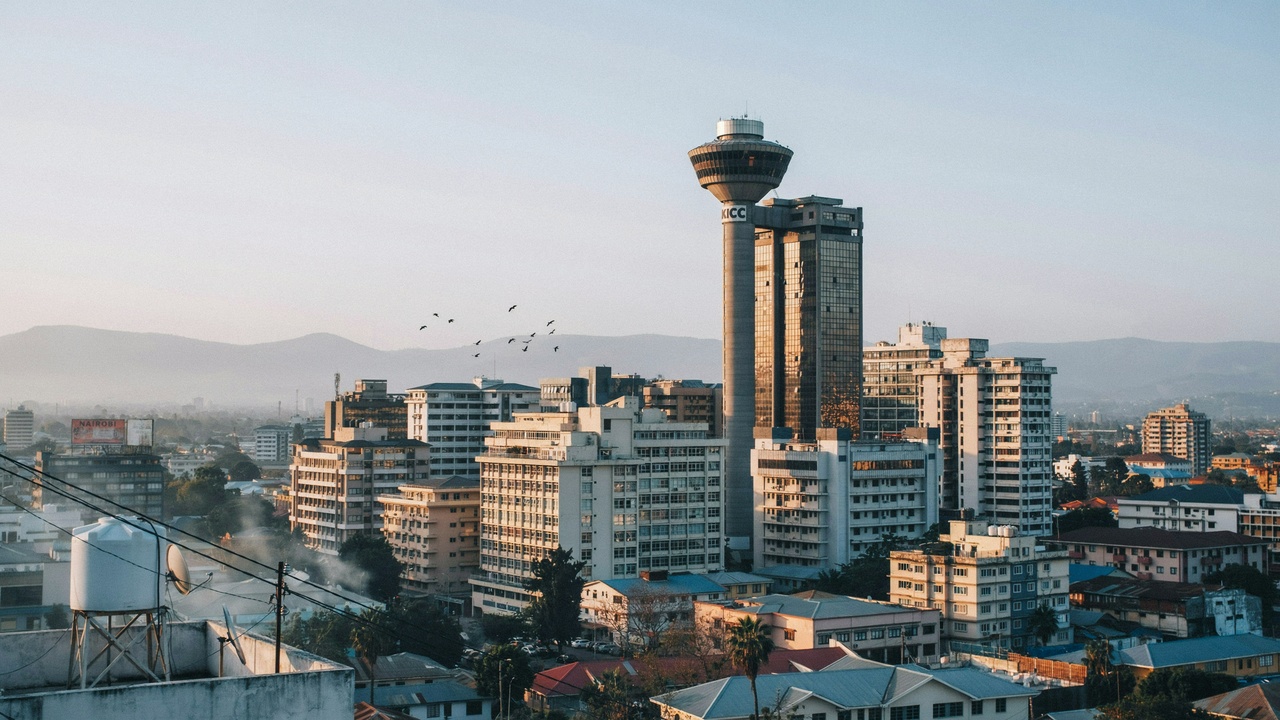
Image generated with Ai
Nairobi is strengthening its position as one of Africa’s most distinctive meetings destinations, combining international conference facilities, global connectivity, a major United Nations presence and access to wildlife experiences that can transform conventional business travel into a broader destination experience.
For international meeting planners, the Kenyan capital offers a proposition that is difficult to replicate. Delegates can arrive for a major conference, conduct business in a sophisticated urban environment, connect with international institutions and still experience some of Kenya’s most recognisable wildlife without travelling far from the city.
Advertisement
Advertisement
That combination is helping Nairobi develop a stronger identity within the global meetings, incentives, conferences and exhibitions (MICE) sector.
The city is already an established commercial and diplomatic centre in East Africa. Its expanding role in international association meetings, together with investment in conference infrastructure and the presence of United Nations organisations, is adding further weight to its ambitions as a global business-events destination.
Advertisement
Advertisement
Why Is Nairobi Becoming More Important for International Meetings?
Nairobi’s MICE appeal is built around several complementary strengths rather than a single attraction.
The Kenyan capital provides venues for conferences and exhibitions, a broad hotel network, an international airport, business districts, diplomatic institutions and a large ecosystem of government, corporate and development organisations. These assets create an environment in which international associations, corporations, governments and non-governmental organisations can organise events while remaining connected to the wider African market.
Advertisement
Advertisement
Nairobi recorded 34 international association meetings in the ICCA 2025 city rankings, placing the city among Africa’s significant destinations for international association events.
The figure is particularly relevant because association meetings often require destinations to provide dependable infrastructure, accommodation, transport, professional services and international accessibility over several days.
Nairobi’s broader economic and institutional role also provides a natural source of business-events demand. The city is home to organisations operating across sectors including finance, development, technology, environmental policy, diplomacy and international cooperation.
How Does KICC Support Nairobi’s Conference Ambitions?
The Kenyatta International Convention Centre (KICC) remains at the centre of Nairobi’s conference infrastructure.
Situated in the heart of the capital, KICC provides facilities for conventions, exhibitions, meetings, banquets and corporate events. Its central location is particularly useful for organisers seeking to combine formal conference programmes with city-based networking, dining and business activities.
Among its major spaces is the Tsavo Ballroom, covering approximately 2,444 square metres and capable of accommodating up to 4,000 people.
Advertisement
Advertisement
The scale provides organisers with options for large plenary sessions, receptions, banquets, exhibitions and other major functions. KICC also includes smaller meeting spaces that can support workshops, seminars, executive meetings and breakout sessions.
Outdoor facilities add another dimension to the venue. The centre’s approximately 7,056-square-metre courtyard can accommodate up to 6,000 guests, while its lawns provide additional space for outdoor gatherings and social events.
For meeting planners, this variety matters because large international programmes rarely consist of a single conference room. They typically require plenary areas, exhibition space, smaller discussion rooms, networking zones, dining facilities and social-event locations.
KICC’s range of spaces allows organisers to structure several elements of an event within the same major venue.
Why Does Nairobi’s United Nations Presence Matter?
One of Nairobi’s most important differentiators is its position within the international institutional landscape.
The city hosts the United Nations Office at Nairobi (UNON), recognised as the only United Nations headquarters in Africa and the Global South. Nairobi is also home to the headquarters of the United Nations Environment Programme (UNEP) and UN-Habitat.
Advertisement
Advertisement
This institutional concentration has helped establish the Kenyan capital as an important location for international discussions involving environmental policy, climate change, sustainable development, urbanisation, humanitarian issues and global cooperation.
The presence of these organisations creates an established ecosystem of diplomats, policymakers, international officials, development professionals and experts.
It also strengthens Nairobi’s relevance for conferences whose subject matter is closely connected to Africa’s development priorities and global sustainability agendas.
The city’s international institutional role is receiving additional support through major investment. In May 2026, the United Nations broke ground on a US$340 million expansion project in Nairobi.
According to UNON, the development is expected to increase meeting capacity from approximately 2,000 to 9,000 participants and expand the number of meeting rooms from 14 to 30.
If delivered as planned, the expansion will substantially increase Nairobi’s capacity to host large-scale international meetings and reinforce the city’s existing diplomatic and conference ecosystem.
Advertisement
Advertisement
Can Nairobi Combine Business Events With Wildlife?
This is where Nairobi’s MICE proposition becomes particularly distinctive.
Many conference destinations offer cultural excursions, restaurants, shopping or entertainment after business hours. Nairobi can add something considerably different: access to a major wildlife environment close to the city centre.
Nairobi National Park sits on the outskirts of the capital and gives delegates the opportunity to experience Kenya’s wildlife without making a long journey into the country’s interior.
The park is known for wildlife including lions, rhinoceroses, buffaloes, giraffes and zebras, creating possibilities for safari-style excursions alongside conference programmes.
For incentive planners, this proximity can be particularly valuable.
A delegate programme can combine daytime conference sessions with a wildlife excursion, evening reception or other destination experience. Instead of treating business and leisure as separate parts of a trip, organisers can integrate both into a single itinerary.
Advertisement
Advertisement
The possibilities extend beyond Nairobi National Park. Groups can also use the capital as the starting point for longer Kenyan itineraries, connecting conferences with safari destinations and other tourism experiences.
That creates opportunities for pre- and post-event extensions, incentive programmes and executive travel.
How Do Nairobi’s Hotels Support International Events?
Conference infrastructure alone does not determine whether a city can successfully host international events. Accommodation, restaurants, transport, business services and leisure facilities are equally important.
Nairobi has developed a diverse hotel market serving corporate travellers, international delegates, luxury guests and groups with different budgets.
Accommodation options are spread across several important business and diplomatic areas, including Upper Hill, Westlands and Gigiri, as well as central Nairobi.
These locations provide access to corporate offices, government institutions, diplomatic facilities, conference venues and international organisations.
Advertisement
Advertisement
For meeting planners, the diversity of the hotel market provides flexibility when creating delegate packages. Large events may require a mixture of accommodation categories, while executive meetings and incentive programmes may demand premium properties and specialised services.
The wider hospitality ecosystem also gives delegates opportunities to continue networking outside formal conference hours.
How Does Air Connectivity Strengthen Nairobi’s MICE Appeal?
International accessibility is one of the fundamental considerations for any global meetings destination.
Nairobi is served by Jomo Kenyatta International Airport (JKIA), Kenya’s principal international aviation gateway and an important air hub for East Africa.
The airport connects the Kenyan capital with international and regional markets, supporting access for delegates arriving from across Africa and from overseas destinations.
For conference organisers, this connectivity is important not only because delegates need to reach the event efficiently, but also because many international attendees combine business trips with leisure travel.
Advertisement
Advertisement
Nairobi’s position allows visitors to continue onwards to other parts of Kenya after a conference, including destinations associated with safari, coastal tourism and nature-based travel.
This strengthens the potential for the city to function as both a meetings destination and a gateway for wider Kenyan itineraries.
Which Types of Events Can Nairobi Host?
Nairobi’s combination of venues, institutions, accommodation and destination experiences makes the city relevant to a broad range of business events.
These include international association meetings, sustainability conferences, government gatherings, corporate meetings, exhibitions, development-sector events, diplomatic programmes and incentive travel.
Its international organisations provide particular relevance for events connected with sustainable development, environmental policy, urbanisation and international cooperation.
At the same time, the city’s commercial economy supports corporate meetings across multiple sectors.
Advertisement
Advertisement
The result is a destination proposition that does not depend entirely on one type of visitor or event.
What Makes Nairobi Different From Conventional Conference Cities?
Nairobi’s competitive distinction lies in the relationship between its business infrastructure and its natural environment.
A traditional conference city may offer sophisticated venues, hotels, restaurants and transport networks. Nairobi offers these components while placing delegates unusually close to wildlife and the landscapes associated with Kenya’s international tourism identity.
That distinction can influence how meeting planners design an event.
A conference can remain professionally focused while incorporating experiences that encourage networking and destination engagement. An incentive programme can use Nairobi as its urban base before moving into a longer safari itinerary. An international association can hold formal sessions while also providing delegates with opportunities to discover Kenya beyond the conference room.
For international attendees, the destination itself can therefore become part of the event experience.
Advertisement
Advertisement
What Is the Outlook for Nairobi’s MICE Sector?
Nairobi’s development as a meetings destination is being supported by several long-term factors: established convention infrastructure, international institutions, air connectivity, a diversified hospitality sector and access to wildlife.
The expansion of United Nations facilities adds another important dimension, while the city’s performance in international association meetings indicates that Nairobi already has an established role within the global business-events landscape.
The opportunity ahead is to build on these foundations while continuing to strengthen accessibility, professional event services, accommodation capacity and destination experiences.
Nairobi’s proposition is ultimately broader than simply providing a place to hold a conference.
The Kenyan capital can bring together international business, diplomacy, conferences, connectivity, hospitality, wildlife and African culture within one destination. For meeting planners looking beyond conventional European, Asian or Middle Eastern conference hubs, that combination gives Nairobi a distinctive place within Africa’s increasingly international MICE landscape.
As global business travel continues to place greater emphasis on meaningful destination experiences, Nairobi is well positioned to present meetings not simply as events, but as gateways into the wider identity of Kenya and East Africa.
Advertisement
