
Air India Teams Up Singapore Airlines Emirates and Others Spotlight AI Smart Booking and Inflight Shopping at Lisbon Festival 2026

Updated
Published
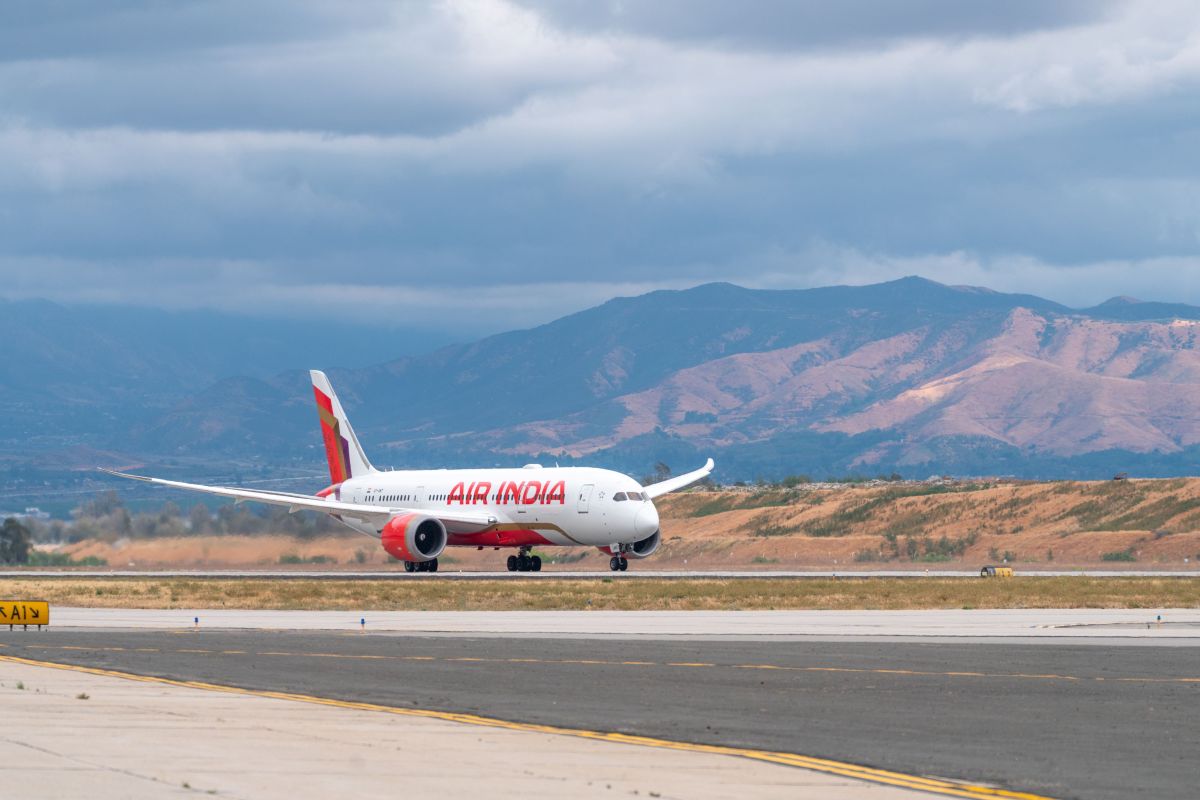
Air India, Singapore Airlines, Emirates and other airlines shed light on their concepts at Lisbon Festival 2026. The program highlights artificial intelligence, smart booking and inflight shopping while each of the airlines has its own agenda. For instance, Air India is creating an integrated cabin platform which can combine entertainment and travel solutions. Singapore Airlines is expanding their rebooking possibilities while ZIPAIR is developing their gift purchase service. In turn, Emirates participates in the conversation about flexible payment methods. Thus, such innovations help the airlines make travel more convenient and personalized. But all of these solutions are still in process, hence passengers will have to wait for the use of them all.
Why is World Aviation Festival 2026 drawing attention to Asia?
World Aviation Festival runs from 13 to 15 October at FIL in Lisbon, Portugal. The organiser describes it as an aviation technology event for airline, airport and travel technology leaders. It lists more than 4,500 attendees and 600 speakers. Its programme covers subjects such as artificial intelligence, customer experience, loyalty, airline retail, payments and airport technology.
Advertisement
Advertisement
Asian airlines appear in several programme sessions. Air India is listed for a presentation on its use of artificial intelligence. Singapore Airlines is represented in a discussion about airline sales and digital retail. ZIPAIR Tokyo is listed for sessions about marketing technology and onboard services. Emirates also appears in a talk about flexible payments.
Those entries show what the organisers planned to discuss. They do not prove that a session has already taken place or that a product was launched at the festival. The event is still running on 14 October.
Advertisement
Advertisement
That distinction matters. Several developments in this article were announced earlier in 2026 by airlines or government agencies. Lisbon offers a timely place to examine their wider importance.
How could Air India turn the cabin screen into a travel platform?
Air India unveiled a preview of its Vista Digital Platform on 22 September 2026. The airline says it developed the system with its own design and software teams. It is intended to connect inflight entertainment with other airline services, including the website, mobile app, loyalty programme and travel information.
Advertisement
Advertisement
The idea goes beyond choosing a film. Air India says the platform is being designed to create a more consistent experience across different aircraft. It could allow a passenger to begin watching a programme on one flight and continue from the same point on another. The airline app may also let passengers choose entertainment before boarding.
Another planned feature could link passengers to local activities and travel services. Air India calls this “commerce-on-map”. It could help passengers discover and book experiences connected with a destination they plan to visit or are flying over.
Advertisement
Advertisement
This may interest tourism businesses as well as travellers. A screen that offers destination ideas could become another place to promote tours, attractions or other services. But the announcement describes planned capabilities, not a service passengers can use today. Air India says deployment is expected to begin progressively in the second half of 2027, starting with selected new aircraft.
What does Singapore Airlines’ booking update mean for passengers?
Singapore Airlines’ 2026 booking-system changes provide a practical example of digital retailing. In an update dated 13 August, the airline said its New Distribution Capability system would allow sellers to request different cabin classes for each part of a ticketed return journey.
A passenger, for example, could ask to change one leg of a return booking to business class while keeping the other in economy. The update also describes a way to refund ticket value that had been retained for future use after a booking was cancelled without a refund.
The changes matter because travel plans can shift after a ticket is bought. Passengers may need more choice when they change a flight, while travel agents need systems that can handle those changes clearly.
Advertisement
Advertisement
There are limits. Singapore Airlines says some functions depend on the booking system used and may need partners to update their systems. Its release does not show that every travel agent offers every feature. That makes availability and ease of use important questions for travellers.
Why is ZIPAIR expanding souvenir shopping before a flight?
Japan’s ZIPAIR announced a new partnership with Travel to Buy on 1 October 2026. The deal expands the selection available through AKIBA ZIP, the airline’s souvenir pre-order service. ZIPAIR says passengers can order items ahead of travel and receive purchases on board or at the arrival airport’s baggage carousel, depending on the service arrangement.
The arrangement aims to make shopping easier for people who do not want to carry purchases around during their stay in Japan. It could also give visitors more time to explore before departure.
For Japanese retailers, it creates a possible route to customers who are already planning a trip. For the airline, it adds another service connected with the journey. But the announcement does not say that every item in Travel to Buy’s wider brand network is available through AKIBA ZIP. Travellers should check the service for the products, delivery options and conditions that apply to their flight.
The case also shows how airline services can reach beyond the aircraft. Digital ordering, airport collection and local products can connect a flight with tourism spending.
Can India’s regional airports make international trips simpler?
India’s Ministry of Civil Aviation is expanding a hub-and-spoke system for international passengers. Varanasi joined the scheme in June 2026. Amritsar followed in July, and Ahmedabad became the third spoke airport in September. The system links passengers from these cities to international flights through Indian hubs, including Delhi.
Advertisement
Advertisement
Under the arrangement, eligible travellers can complete check-in and immigration procedures at their departure airport. Their baggage can be checked through to the final international destination. This is designed to reduce the steps passengers face when connecting at a larger hub.
Air India announced two daily Ahmedabad–Delhi flights as Easy Connect services. It said these flights would provide onward connections to 26 international destinations within four hours of arrival in Delhi. These are connecting journeys through Delhi, not 26 new direct international flights from Ahmedabad.
For residents of regional cities, simpler connections could make international travel easier to plan. The wider programme aims to improve access from smaller cities and reduce reliance on overseas transit hubs. Its longer-term effect on tourism will depend on how the system operates as more airports join.
How could easier connections support tourism beyond major cities?
A passenger’s journey can begin well before they reach a large airport. If more regional travellers can check in, clear immigration and send baggage through from their home city, international travel may feel less complicated.
The change could also affect where travel demand begins. Visitors from smaller Indian cities might find it easier to plan holidays abroad. People travelling to India could also connect through domestic cities before reaching their final destination, depending on the routes and services available.
That creates a tourism angle for local businesses. Easier access to international flights may help residents reach more destinations. Better connectivity may also make regional cities more accessible for business visitors, students and tourists. However, the government’s plans do not prove that the scheme has already increased visitor numbers or spending.
Advertisement
Advertisement
Ahmedabad’s network is still expanding in stages. More spoke airports are planned, and travellers need to check which flights, destinations and connection times are available for their dates. The important measure will be the experience passengers have when they make a real trip.
Why are airline loyalty schemes connecting with hotels?
The journey does not end when a flight lands. Air India and IHG Hotels & Resorts announced a loyalty partnership on 4 September 2026. It lets Maharaja Club members earn airline points on eligible IHG hotel stays. IHG One Rewards members can also exchange their hotel points for Maharaja Points.
The announced exchange rate is 1,000 IHG One Rewards points for 200 Maharaja Points. The minimum transfer is 1,000 IHG points, and earning rates vary by hotel brand.
For travellers, airline and hotel programmes can make rewards more useful across different parts of a trip. A hotel stay may help build a balance for a future flight, while airline points may give some hotel members another reward option.
The value depends on the programme rules. Travellers should check how points are earned, how long transfers take and what rewards are available before moving points. A partnership adds choice, but it does not automatically mean every member will save money.
What does Singapore’s aviation research partnership add?
The Civil Aviation Authority of Singapore announced a research partnership called SPAARC on 2 February 2026. It brings together the authority, the Singapore Economic Development Board, GE Aerospace and the International Centre for Aviation Innovation.
Advertisement
Advertisement
The group plans to explore artificial intelligence for aircraft maintenance, flight operations and airspace management. It will also examine systems for planning routes and improving coordination between airports, airlines and flight crews. Research into new engine designs and aircraft performance is part of the programme too.
This is a development and research partnership. It does not mean that all proposed technology is already being used in daily operations. Aviation systems must meet strict safety needs, and moving research into widespread use takes time and cooperation.
The partnership adds depth to the conversation about airline technology. Passenger-facing tools may attract attention, but they rely on wider systems that help airlines and airports operate safely and reliably.
What do the latest passenger figures say about Asia’s market?
Asia’s aviation story is not a simple tale of growth everywhere. IATA reported that Asia-Pacific airlines’ overall passenger demand rose 1.4% year on year in August 2026. Yet international demand for those airlines slipped 0.1%, and traffic on routes within Asia fell 2.0%. Europe–Asia traffic grew 12.2% in the same month.
These figures measure passenger traffic, not the number of tourist arrivals. IATA also describes the figures as provisional. They show that travel patterns differ between routes and regions.
That uneven picture helps explain why airlines are testing different ways to serve passengers. Better booking tools may help when plans change. Regional connections may make some international journeys simpler. Onboard services and loyalty links may encourage passengers to spend more of their trip with one airline group.
Advertisement
Advertisement
The data does not prove that these specific airline projects will increase demand. It does show why carriers are paying attention to how they reach, serve and retain travellers.
What should travellers watch as these ideas develop?
The main question is whether an announced idea becomes a useful service. Air India’s connected cabin is planned for gradual deployment from 2027. Singapore Airlines’ booking changes depend on travel sellers and system access. ZIPAIR’s souvenir service has its own product and delivery conditions. India’s airport connections are expanding in stages.
Travellers should check the details before booking. They can ask whether a booking feature is available through their chosen agent, whether a souvenir can be collected at their airport and whether an international connection operates on their travel date.
Airlines and tourism businesses should also look beyond the launch announcement. They will need to show that the service works, that passengers understand how to use it and that it improves the journey.
Asia’s next airline contest may be about the whole journey
During the World Aviation Festival 2026, Air India and the other Asian airlines illustrate how a visionary approach towards travel technology can go beyond the aircraft itself. Airlines integrate changes in booking, screen entertainment, connections between regional airports, as well as rewards when shopping and staying at hotels. Yet, these services are implemented at various stages, some being operational now and others remaining concepts. Thus, it is necessary to look at the available services before booking flights. The festival provides the opportunity for aviation professionals to discuss such innovations and needs of travelers. In the tourism industry of Asia, the task is obvious – to implement all innovations in favor of travelers and destinations.
Advertisement
