
UK Joins Germany, France, South Africa, Portugal, Ireland, Norway, Denmark, Sweden and Others in New Global Tourism and Energy Corridor as Strait of Hormuz and Suez Crisis Disrupts International Travel in 2026, creating More Shortages in Crude and Gas

Published
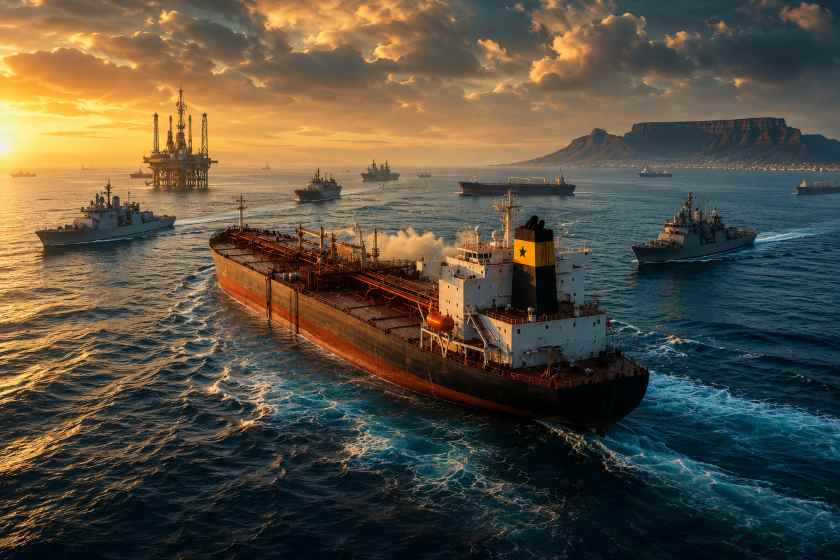 Image generated with Ai
UK Joins Germany, France, South Africa, Portugal, Ireland, Norway, Denmark, Sweden and Others in New Global Tourism and Energy Corridor as Strait of Hormuz and Suez Crisis Disrupts International Travel in 2026, creating More Shortages in Crude and Gas. Cape Town and Durban are no longer just major tourism destinations in South Africa. In May 2026, they have become critical links in one of the world’s most important travel and logistics corridors as Europe faces an ongoing maritime and aviation disruption caused by the simultaneous closure of the Strait of Hormuz and instability across the Suez Canal and Red Sea region.
The shift has transformed travel patterns between Europe, the Middle East, Asia, and Africa. Airlines are rerouting flights, cruise companies are redesigning itineraries, and travellers are adjusting vacation plans around longer routes and rising transportation costs.
Advertisement
Advertisement
For millions of travellers, this is no longer just an energy story. It is now directly affecting tourism, hotel pricing, airline schedules, cruise operations, rail travel demand, and international connectivity across several continents.
The Strait of Hormuz Closure Has Changed Global Tourism Connectivity
The Strait of Hormuz has remained effectively closed since March 2026 following military escalation involving Iran, the United States, and Israeli forces. The route traditionally handles nearly one-fifth of global oil shipments and a major portion of LNG exports from Qatar and neighbouring Gulf nations.
Advertisement
Advertisement
At the same time, continued security risks in the Red Sea and Suez Canal region have prevented shipping companies and airlines from using their normal routes linking Europe and Asia.
For tourism industries, the consequences appeared almost immediately:
Advertisement
Advertisement
| Sector | Tourism Impact |
|---|---|
| Aviation | Longer flight routes, higher ticket prices, increased fuel surcharges |
| Cruises | Itinerary cancellations through the Red Sea |
| Hotels | Rising energy and operating costs |
| Rail Tourism | Increased passenger demand across Europe |
| Travel Insurance | Higher premiums for Middle East routes |
| Airports | Congestion at alternative transit hubs |
Travellers flying between Europe and Asia are now facing significantly extended travel durations as airlines avoid conflict zones and restricted airspaces.
South Africa Emerges as a Global Transit Gateway
South Africa has become one of the biggest beneficiaries of the global rerouting trend.
The Cape of Good Hope route has become the primary maritime corridor connecting Middle Eastern energy exporters with European markets. This has dramatically increased traffic near South African ports, airports, hotels, and tourism infrastructure.
Major South African Tourism and Logistics Hubs
| Destination | Current Role in 2026 |
|---|---|
| Cape Town | Maritime refueling, luxury tourism, airline stopovers |
| Durban | Tanker logistics and cargo support |
| Port Elizabeth | Maintenance and technical operations |
| Johannesburg | Long-haul airline connectivity |
| Richards Bay | Bulk energy logistics |
European countries, including Germany, France, the United Kingdom, Portugal, Ireland, Norway, Denmark, and Sweden, are now coordinating directly with South African authorities to strengthen maritime security and transportation infrastructure.
Cape Town International Airport has seen increased transit traffic from airlines rerouting long-haul Europe-Asia services. Hotels across Cape Town’s waterfront districts are also reporting increased bookings from shipping crews, airline staff, and international transit passengers.
Germany Expands Aviation and Tourism Coordination
Germany has emerged as one of the leading European countries responding to the crisis.
Advertisement
Advertisement
As Europe’s largest economy and one of its busiest aviation markets, Germany is facing growing pressure from rising aviation fuel costs and disrupted travel routes.
Germany’s Current Tourism and Aviation Situation
| Category | Status in 2026 |
|---|---|
| Airline Fuel Costs | Up by nearly 30% |
| Europe-Asia Flight Times | Extended by several hours |
| Domestic Rail Tourism | Increased significantly |
| International Travel Demand | Shifting toward regional Europe |
| Airport Operations | Increased congestion and delays |
German carriers are redesigning schedules around safer air corridors while increasing technical stopovers in Africa and Southern Europe.
Destinations such as Frankfurt, Munich, and Berlin are seeing more travellers choosing rail tourism within Europe instead of long-haul international vacations.
United Kingdom Travel Industry Faces Rising Long-Haul Costs
The United Kingdom’s tourism industry is also adapting to the changing travel landscape.
British airlines operating routes to Southeast Asia, India, and Australia are experiencing major operational changes due to restricted Middle Eastern airspace.
United Kingdom Tourism Trends
- Increased airfare for Europe-Asia routes
- Longer transit times to Asia-Pacific destinations
- Rising demand for domestic UK tourism
- Growth in train travel to European destinations
- Cruise route changes to avoid the Red Sea
London Heathrow and Gatwick airports are seeing revised airline scheduling patterns as carriers prioritise fuel-efficient routing strategies.
Advertisement
Advertisement
Popular outbound destinations for UK travellers in 2026 now include Spain, Portugal, France, and Scandinavia instead of long-haul Middle Eastern and Asian holidays.
France Strengthens Mediterranean Tourism Alternatives
France has shifted part of its tourism strategy toward Mediterranean and domestic tourism as international travel costs continue rising.
French airlines are managing longer routes to Asia, while French rail operators are seeing stronger bookings across domestic and cross-border European routes.
France’s Tourism Adaptation
| Tourism Segment | Trend |
|---|---|
| Domestic Tourism | Growing |
| Mediterranean Cruises | Expanding |
| Long-Haul Asia Travel | Slowing |
| Rail Travel | Increased demand |
| Luxury Tourism | Stable but more regional |
Cities such as Paris, Marseille, Nice, and Lyon are benefiting from stronger regional tourism flows as travellers choose shorter vacations closer to home.
Nordic Countries Increase Sustainable Travel Alternatives
Norway, Sweden, and Denmark are accelerating sustainable travel initiatives as aviation costs rise.
Travellers in Nordic countries are increasingly choosing rail journeys, electric ferries, and regional tourism packages instead of long-haul flights.
Advertisement
Advertisement
Nordic Tourism Shifts
- Growth in Arctic tourism
- Expansion of domestic airline networks
- Increased eco-tourism demand
- Higher train passenger traffic
- Stronger regional cruise tourism
Destinations including Oslo, Stockholm, Copenhagen, Tromsø, and the Norwegian fjords are seeing growing interest from European tourists avoiding expensive intercontinental routes.
Ireland and Portugal Adapt to Atlantic Tourism Routes
Ireland and Portugal have become strategically important due to their Atlantic Ocean positioning.
Lisbon and Dublin are increasingly serving as transit and airline operations hubs connecting North America with Europe and Africa.
Portugal’s tourism industry is also benefiting from travellers choosing Atlantic and Mediterranean destinations over Gulf-region stopovers.
Portugal Tourism Trends
| Destination | Tourism Growth Driver |
|---|---|
| Lisbon | Airline connectivity |
| Porto | Regional tourism |
| Algarve | European leisure travel |
| Madeira | Atlantic cruise tourism |
Meanwhile, Ireland’s aviation sector is adapting by increasing direct North Atlantic connectivity and supporting alternative airline routing strategies.
Gulf Tourism Destinations Face Changing Visitor Flows
Middle Eastern tourism hubs are also experiencing changes due to aviation and shipping disruptions.
Advertisement
Advertisement
Destinations including Dubai, Doha, Abu Dhabi, Muscat, and Kuwait City are seeing adjustments in airline capacity, transit traffic, and hotel demand patterns.
Gulf Tourism Challenges
- Higher aviation insurance costs
- Reduced transit passenger traffic
- Flight rerouting complexities
- Increased operational costs
- Energy market uncertainty
However, some Gulf airlines continue operating selective international routes through carefully coordinated air corridors.
Luxury tourism in Dubai and Abu Dhabi remains active, although airlines are adjusting schedules and frequencies.
Asia-Europe Travel Faces Longer Routes and Higher Costs
Travel between Europe and Asia has become one of the most affected sectors of global tourism.
Flights between destinations such as:
- London and Singapore
- Paris and Bangkok
- Frankfurt and Tokyo
- Amsterdam and Delhi
- Rome and Seoul
are now operating along longer southern flight paths that avoid conflict-sensitive airspace.
Advertisement
Advertisement
This has increased fuel consumption and operational expenses for airlines across Europe and Asia.
Aviation Industry Impact
| Aviation Factor | Effect |
|---|---|
| Flight Duration | Increased |
| Fuel Consumption | Higher |
| Airfares | Rising |
| Airline Scheduling | Reduced flexibility |
| Passenger Demand | Shifting toward regional travel |
Some airlines have introduced temporary fuel surcharges, while others have reduced frequencies on low-demand routes.
European Rail Tourism Experiences Major Growth
As air travel becomes more expensive, Europe’s rail tourism industry is witnessing significant growth.
Travellers are increasingly choosing:
- High-speed rail vacations
- Scenic train tourism
- Cross-border European rail passes
- Overnight sleeper routes
Countries including Germany, France, Switzerland, Austria, and Italy are seeing increased rail passenger numbers in 2026.
Popular routes include:
Advertisement
Advertisement
| Route | Tourism Trend |
|---|---|
| Paris to Milan | Strong growth |
| Berlin to Vienna | Increased bookings |
| Zurich to Rome | Premium rail tourism |
| Amsterdam to Copenhagen | Eco-tourism demand |
Rail operators are adding additional capacity during the summer and holiday periods.
Cruise Tourism Adjusts to New Maritime Reality
Cruise operators are redesigning global itineraries due to instability near the Red Sea.
Several cruise lines have removed Suez Canal crossings from 2026 itineraries and are instead focusing on:
- Mediterranean cruises
- Atlantic Ocean routes
- South African coastal tourism
- Northern Europe voyages
Cape Town has become an increasingly important cruise destination as ships reroute around Southern Africa.
Durban is also seeing growth in maritime tourism services linked to global shipping and cruise adjustments.
Airline Industry Introduces New Operational Strategies
Airlines worldwide are implementing major operational changes in response to the crisis.
Advertisement
Advertisement
New Airline Strategies in 2026
- Technical refuelling stops in Africa
- Fleet optimization for long-haul efficiency
- Reduced frequencies on low-demand routes
- Expansion of regional tourism routes
- Increased codeshare partnerships
Several carriers are also prioritising premium and high-demand leisure destinations where travellers are more willing to absorb higher airfare costs.
Hotels Across Europe Face Energy Cost Pressures
European hotels are managing increased utility and operational expenses due to energy market volatility.
Luxury hotels, resorts, and business properties are implementing energy-saving strategies while maintaining tourism operations.
Hospitality Sector Responses
| Strategy | Purpose |
|---|---|
| Energy-efficient lighting | Reduce operating costs |
| Smart climate systems | Lower electricity use |
| Dynamic pricing | Offset utility increases |
| Local sourcing | Reduce supply chain costs |
Hotels in Germany, France, Italy, and the United Kingdom are also seeing stronger domestic tourism demand as international travel becomes more expensive.
Travellers Are Redefining Vacation Planning in 2026
The global travel environment in 2026 is changing how tourists plan vacations.
Travellers are increasingly prioritising:
Advertisement
Advertisement
- Regional destinations
- Rail-based itineraries
- Longer but fewer vacations
- Sustainable travel experiences
- Flexible booking options
Destinations with stable connectivity, lower operational risks, and strong transportation infrastructure are attracting more international visitors.
Conclusion
UK Joins Germany, France, South Africa, Portugal, Ireland, Norway, Denmark, Sweden and Others in New Global Tourism and Energy Corridor as Strait of Hormuz and Suez Crisis Disrupts International Travel in 2026, creating More Shortages in Crude and Gas. The closure of the Strait of Hormuz and continuing instability near the Suez Canal have created one of the most significant travel and logistics shifts in recent history. South Africa, particularly Cape Town and Durban, has emerged as a central global transit corridor connecting Europe, the Middle East, and Asia.
Germany, the United Kingdom, France, Portugal, Ireland, Norway, Denmark, and Sweden are all adapting tourism, aviation, and transportation strategies to manage the new reality of global travel in 2026.
For travellers, airlines, cruise companies, rail operators, and hotels, the impact is now visible across every part of the tourism industry. Longer travel times, higher transportation costs, alternative routing strategies, and stronger regional tourism are reshaping how people move around the world.
As global transportation networks continue adjusting, destinations with resilient infrastructure and secure connectivity are rapidly becoming the new centres of international tourism and travel operations.
Key Takeaways
- The closure of the Strait of Hormuz and instability in the Suez Canal have redirected global maritime and aviation traffic around South Africa.
- European nations, including Germany, France, the UK, Portugal, Ireland, Denmark, Norway, and Sweden, are coordinating maritime logistics with South Africa.
- Tourism between Europe, Asia, and the Middle East is experiencing longer travel times and higher airfare costs.
- Airlines are redesigning flight paths to avoid conflict zones and rising fuel expenses.
- South African destinations such as Cape Town and Durban are becoming major global transit and logistics hubs.
- Travellers are increasingly shifting toward rail tourism and regional travel within Europe.
- Gulf destinations are seeing changes in visitor flow due to reduced airline connectivity and energy market disruptions.
Advertisement
