Published on February 24, 2026

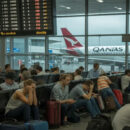
Image generated with Ai
United States, Canada and United Kingdom have moved swiftly to caution their citizens over travel to parts of Mexico after a surge in violence in Jalisco triggered official security alerts and temporary airline disruptions, sending shockwaves through one of the world’s busiest leisure corridors. The U.S. Department of State has urged Americans in affected regions to shelter in place and avoid nonessential travel, while Canada and the UK have updated advisories warning of road blockages, security operations and transport disruptions, particularly around Puerto Vallarta and Guadalajara. Airlines including United Airlines and Air Canada temporarily adjusted services to Puerto Vallarta, issuing waivers and schedule changes, even as major gateways like Cancun and Los Cabos continued operating normally. With Mexico having welcomed nearly 48 million international tourists last year and counting the United States and Canada as its largest inbound markets, the alert has raised urgent questions for spring and summer travelers about flight reliability, hotel bookings and destination safety—turning what is usually peak planning season into a moment of pause, caution and careful decision-making.
United States, Canada, United Kingdom, Australia, Germany, France and India Issue Stark Mexico Travel Warnings as United Airlines, Air Canada, British Airways and Marriott, Hilton Face Fallout
Mexico’s sun-drenched beaches and world-class resorts remain open. But the travel mood has shifted. In late February 2026, the United States urged its citizens to shelter in place and avoid nonessential travel to several regions of Mexico following a surge in violence in Jalisco state. Canada, the United Kingdom, Australia, Germany, France and India updated or reiterated their advisories, warning travelers to exercise heightened caution in affected areas. The immediate impact has rippled across airlines, hotels and tour operators serving one of the world’s busiest leisure corridors. For travelers planning spring breaks, destination weddings or winter escapes, the message is clear: stay informed, check your routes, and plan smart.
United States, Canada, United Kingdom, Australia, Germany, France and India Issue Stark Mexico Travel Warnings as Airlines Adjust Schedules Across Key Gateways
Advertisement
The United States Department of State issued a security alert urging Americans in certain parts of Mexico to shelter in place. The advisory followed violent clashes in Jalisco after the reported death of cartel leader Nemesio “El Mencho” Oseguera Cervantes. Road blockages and security operations disrupted surface transport in and around Puerto Vallarta and Guadalajara. Airports remained open. But access routes became unreliable.
Canada’s official travel advisory warned of roadblocks involving burning vehicles in Jalisco, including Guadalajara and Puerto Vallarta. The United Kingdom advised against all but essential travel to parts of Jalisco and asked travelers in the state to minimize movements. Australia urged reconsideration of travel to Jalisco due to security incidents and transport disruptions. European governments, including Germany and France, reiterated heightened caution for certain Mexican states. India’s advisory echoed caution and asked nationals to follow local authorities.
Advertisement
Advertisement
Airlines reacted quickly. United Airlines and Air Canada temporarily suspended some operations to Puerto Vallarta as crews and aircraft were repositioned. American Airlines and Delta Air Lines issued travel waivers for affected dates, allowing rebooking without change fees. British Airways monitored connections through Mexico City for onward travel. While Cancun International Airport and Los Cabos International Airport continued normal operations, Puerto Vallarta International Airport and Guadalajara International Airport experienced a spike in cancellations and diversions over several days.
Industry tracking data showed hundreds of cancellations at Puerto Vallarta during peak disruption windows. Guadalajara saw a lower but significant share of schedule cuts. The pattern was localized. But the headlines were global. For airlines, this meant lost rotations, crew displacement and revenue pressure on North America–Mexico leisure routes.
Advertisement
Advertisement
United States, Canada, United Kingdom, Australia, Germany, France and India Issue Stark Mexico Travel Warnings as Marriott, Hilton, Hyatt and Resorts Brace for Occupancy Shifts
Mexico closed 2025 with strong tourism fundamentals. Official statistics reported 47.79 million international tourist arrivals in 2025, up more than six percent year over year. Tourism revenue surpassed US$31 billion. The United States remained the dominant source market, accounting for nearly 3.9 million air arrivals in the first quarter of 2025 alone. Canada followed with about 1.2 million air passengers during the same period. The United Kingdom, Argentina and Colombia rounded out key long-haul and regional markets.
Hotel occupancy across 70 monitored resort destinations averaged around 60 percent in early 2025. Cancun, Riviera Maya, Los Cabos and Puerto Vallarta led the performance tables. Canadian visitors heavily favor Puerto Vallarta and Cancun. American travelers are spread across Cancun, Los Cabos, Puerto Vallarta and Mexico City.
That concentration matters. When advisories target Jalisco, Puerto Vallarta feels it first. Large hospitality brands such as Marriott International, Hilton, Hyatt, Accor and major all-inclusive operators have significant inventory in Puerto Vallarta and the wider Pacific corridor. In the days following the alert, hotels reported higher cancellation inquiries and increased flexibility requests. Many properties activated flexible change policies for short-term stays.
Resorts remain operational. Security inside hotel zones has been reinforced. Tourism authorities emphasized that incidents were not directed at tourists or resort areas. Still, traveler confidence is sensitive. Leisure demand reacts quickly to headlines. Group bookings, weddings and corporate retreats often move to alternative destinations such as Cancun, Punta Cana or Jamaica when uncertainty rises.
Airlines on Alert: United Airlines, Air Canada, Delta and American Navigate Disruptions on North America–Mexico Routes
The aviation relationship between Mexico and North America is vast. In 2025, more than 40 million passengers traveled between Mexico and the United States. Traffic between Mexico and Canada exceeded six million passengers. These are some of the busiest transborder leisure routes in the world.
Puerto Vallarta International Airport is a crucial gateway for winter and spring travel. It handles direct flights from Chicago, Los Angeles, Dallas, Vancouver, Toronto and London during peak season. Guadalajara serves both business and visiting-friends-and-relatives traffic.
When road access becomes unstable, airlines face cascading effects. Aircraft may land. But crews may not reach hotels. Passengers may struggle to reach terminals. Airlines responded with proactive waivers. United and Delta allowed date changes without penalties for affected travelers. Air Canada reduced frequencies and offered rebooking options to other Mexican gateways such as Cancun or Los Cabos. British Airways monitored its long-haul services to Cancun and Mexico City and did not announce network-wide suspensions.
For travelers, the practical advice is simple. Check flight status frequently. Use airline apps for real-time notifications. Arrive early. Confirm ground transport options in advance. Consider travel insurance that covers trip interruption.
Hospitality Industry Watches Booking Patterns as Puerto Vallarta Faces Short-Term Demand Shock
Hotel chains depend on forward bookings. A sudden advisory can cause a temporary freeze in reservations. In Puerto Vallarta, short-term bookings softened in the immediate aftermath. However, industry analysts note that Mexico’s leisure demand often rebounds quickly once stability returns.
Marriott and Hilton both maintain diverse portfolios across Mexico. That geographic spread helps offset localized shocks. Cancun and Riviera Maya continue to operate normally. Los Cabos remains unaffected by the current advisory. Mexico City continues to welcome international travelers, though urban security awareness remains important.
All-inclusive resorts, a mainstay of Mexico’s tourism engine, are particularly sensitive to airlift changes. If flights are reduced, room nights follow. Yet tour operators are agile. Many shift capacity to alternative destinations within days.
Which Countries Send the Most Tourists to Mexico and Why It Matters Now
The United States dominates inbound air travel to Mexico. Nearly four million U.S. residents arrived by air in the first quarter of 2025. Canada is the second largest market. British, Argentine and Colombian visitors also represent meaningful volumes.
Canadian travelers have a strong seasonal presence in Puerto Vallarta. Any disruption in Jalisco directly affects this segment. U.S. travelers are more geographically diversified but still heavily invested in the Pacific coast.
European travelers, including from the United Kingdom, Germany and France, often focus on Cancun and the Riviera Maya. These regions have not experienced the same level of disruption as Jalisco. However, broad travel warnings can influence perception across the entire country.
Indian outbound tourism to Mexico is smaller in volume but growing. Connectivity typically involves one-stop routes via Europe or the Middle East into Cancun or Mexico City. Travel advisories may slow emerging markets as risk perception weighs more heavily on long-haul leisure decisions.
What Tourists Need to Know Before Traveling to Mexico Right Now
Mexico is a large country. Advisories are region-specific. Cancun, Playa del Carmen and Tulum remain open and continue to welcome millions of visitors. Los Cabos on the Baja California peninsula operates normally. Mexico City maintains full airport operations.
Jalisco requires caution. Travelers to Puerto Vallarta or Guadalajara should monitor official guidance daily. Avoid nonessential travel to affected neighborhoods. Use authorized transport providers arranged through hotels. Keep digital and printed copies of travel documents.
Airports in affected regions have not officially closed. However, road access may be disrupted. Confirm with your hotel about safe transfer options. Allow extra travel time. Stay connected with your airline.
Travel Tips for Smart, Safe and Flexible Trips
Book refundable fares or flexible hotel rates when possible. Consider alternate destinations within Mexico if your plans center on Jalisco. Purchase comprehensive travel insurance that includes trip interruption and cancellation coverage.
Register with your embassy if you are traveling from abroad. Follow local authorities and hotel guidance. Avoid sharing real-time location data publicly on social media. Stay within well-lit tourist zones.
If you are already in an affected area, follow shelter-in-place instructions if advised. Do not attempt to navigate roadblocks. Keep emergency contact numbers accessible.
Will Mexico’s Tourism Engine Stall or Rebound?
Mexico’s tourism sector is resilient. It has weathered hurricanes, health crises and economic downturns. The country’s infrastructure is mature. Its resort corridors are globally integrated. With nearly 48 million international arrivals last year and strong revenue growth, the baseline demand is solid.
Short-term shocks can reduce occupancy and load factors in specific destinations. Airlines may trim capacity temporarily. Hotels may adjust pricing to stimulate demand. But historical patterns show that when advisories ease and stability returns, bookings often rebound.
For now, travelers should focus on informed decision-making. Mexico’s beaches, culture and cuisine remain compelling. But flexibility is key. The message from governments is precautionary, not prohibitive for the entire country.
The Bottom Line for Travelers and the Industry
The United States and several major countries have urged caution in parts of Mexico, particularly Jalisco. Airlines have adjusted schedules. Hotels have activated flexible policies. Cancun and Los Cabos continue normal operations. Puerto Vallarta faces short-term headwinds.
United States, Canada and United Kingdom have issued fresh travel warnings for parts of Mexico after violence in Jalisco prompted U.S. officials to urge Americans to shelter in place and avoid nonessential travel. With airlines adjusting schedules to Puerto Vallarta and Guadalajara, travelers are now reassessing plans as one of the world’s busiest tourism corridors faces sudden disruption.
Travel is still possible. But it requires vigilance. Monitor official advisories. Communicate with airlines and hotels. Make contingency plans. Mexico remains one of the world’s most visited destinations. The coming weeks will determine how quickly confidence stabilizes. For travelers, the smartest move is preparation. For airlines and hospitality brands, agility will define the response.
Advertisement
Tags: Airline News, Hotel News, mexico, Mexico Travel News, Tourism

















Tuesday, February 24, 2026

Tuesday, February 24, 2026
Tuesday, February 24, 2026

Tuesday, February 24, 2026
Tuesday, February 24, 2026

Monday, February 23, 2026

Tuesday, February 24, 2026

Tuesday, February 24, 2026