

England’s Quietcation Travel Trend Reveals Hidden Lakeside Escapes in 2026

Published
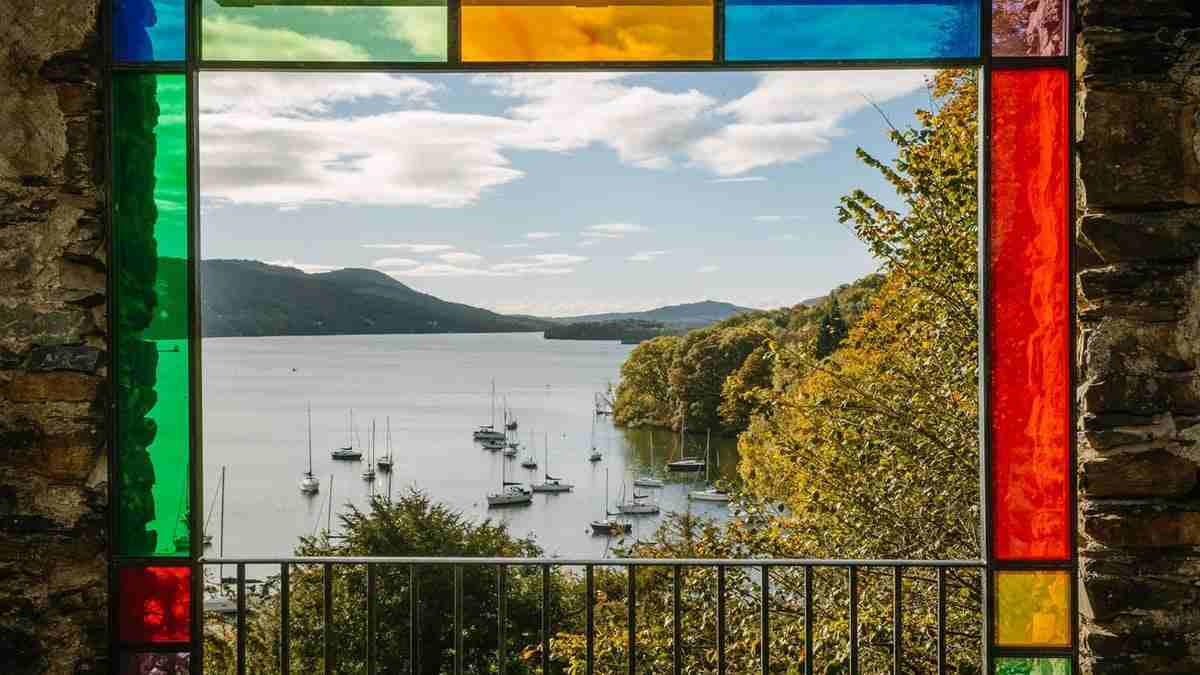
Image Credit: England Tourism
A location called Windermere in England has proved to be a very appealing destination for quietcation tourism, which enables tourists to unwind in their holidays through lake relaxation, pleasant walks, and country recreation in the Lake District area. Considering that people become more and more interested in slow and nature-based vacations in 2026, the Cumbria area becomes more and more appealing due to its peaceful atmosphere and access to natural surroundings. It has become one of the most visited quietcation destinations due to quietcation studies carried out in connection with the lake and traditional tea houses, but many people do not know about the tranquil Western coast of Windermere and other places where one can have vacation without using a car. In light of the fact that 17.45 million tourists have visited the Lake District in 2025, it becomes very exciting to explore quiet places in this famous destination. There are a lot of places to visit from the Orrest Head view to the old Claife Viewing Station. This makes this destination appealing especially to people planning autumn vacation.
Advertisement
Advertisement
Windermere’s Quietcation Recognition Reveals a Surprising New Direction for England’s Tourism
Windermere’s recognition stems from a September 2026 study by London North Eastern Railway (LNER), which evaluated more than 100 towns and destinations across England and Scotland. Rather than judging places solely on their picturesque appearance, the research considered several aspects of a potentially restful getaway.
Its framework assessed population density, air quality, darkness of night skies, green and blue spaces, protected natural landscapes and quieter activities. Walking routes, tea rooms, independent bookshops and railway accessibility also contributed to the assessment.
Advertisement
Advertisement
The methodology gives the findings particular relevance for travellers who want less hectic holidays. Instead of encouraging them to visit more attractions in less time, it identifies places where nature, convenience and slower activities can coexist.
Windermere emerged as a leading North West destination, particularly because of its walking opportunities and concentration of tea rooms. However, the primary published findings describe regional leaders rather than independently establishing that Windermere is England’s single quietest location in all circumstances.
Advertisement
Advertisement
That distinction matters. A destination’s performance in a composite travel ranking does not guarantee quiet streets, empty footpaths or the absence of seasonal crowds.
The more meaningful discovery is that Windermere combines established tourism infrastructure with genuine opportunities to withdraw from busy areas.
For autumn travellers, this creates an attractive proposition: access to countryside and comforting amenities without having to choose a remote location with limited transport or services.
The Numbers Behind Windermere’s Appeal Tell a Bigger Tourism Story
17.45m
Lake District tourists in 2025
£1.784bn
Direct tourism expenditure in 2025
50
Miles Without Stiles routes across the National Park
Advertisement
Advertisement
17 km
Approximate length of Lake Windermere
Source: Lake District National Park Authority and Cumbria Tourism. Figures refer to the specified geographic areas and reporting periods, not Windermere town alone.
The official statistics reveal why the quietcation story deserves closer attention.
In 2025, the Lake District recorded 17.45 million tourists and 29.55 million tourist days. Direct visitor expenditure reached £1.784 billion, while the estimated total economic impact was £2.396 billion. These are destination-wide figures, not measurements of Windermere alone.
Nevertheless, they establish the commercial importance of tourism within the National Park. They also show why a shift towards less concentrated visitor activity could matter economically as well as environmentally.
Windermere itself is England’s longest lake, extending approximately 17 kilometres through the southern Lake District. The water covers around 14.8 square kilometres, making it the largest natural lake in England by area.
Advertisement
Advertisement
The size of the lake creates a variety of experiences within a relatively compact travel destination. Its eastern settlements offer convenient transport and accommodation, while parts of the western shoreline offer woodland paths and natural viewpoints.
This geographical diversity makes Windermere more adaptable than a holiday destination dependent upon a single beach, viewpoint or attraction.
The crucial analytical point is that tourism scale and tranquillity are not necessarily opposites, but they require effective visitor management.
Travellers who spread their activities across different parts of the lake may find a more relaxed experience than those who follow the busiest sightseeing patterns.
What Others Are Missing: Windermere Town Is Not Actually on the Lakeshore
One of the most useful details for first-time visitors is also one of the easiest to overlook.
Windermere town and Lake Windermere are not the same location. The town stands just over a mile from the lake, while neighbouring Bowness-on-Windermere provides one of the best-known waterfront gateways.
Advertisement
Advertisement
Cumbria Tourism’s official destination guide makes this distinction clear. Windermere and Bowness form a connected urban area, but visitors experience them differently.
This matters particularly for travellers booking accommodation on the assumption that every Windermere property offers immediate lakeside access.
Windermere town has independent businesses, restaurants, accommodation and direct railway connections. Bowness offers waterfront activities, piers and boat services. The western shore provides a different countryside experience altogether.
Those distinctions can influence whether a holiday feels peaceful or unnecessarily busy.
Someone planning a reading retreat or a weekend of relaxed walking may prefer convenient accommodation within Windermere town. Travellers prioritising uninterrupted water views may instead investigate accommodation around the lake.
Others may find the most satisfying balance by staying near public transport and spending their days exploring the quieter side of the water.
Advertisement
Advertisement
The key is to choose the location around the intended holiday experience, not simply the destination name.
Windermere’s Western Shore Is the Real Secret Behind a Quieter Lake District Escape
Beyond the busy waterfront of Bowness lies one of Windermere’s most appealing alternatives: the western shoreline.
The Lake District National Park Authority specifically recommends this area for visitors looking to escape the bustle of Bowness. Its official walking guidance describes a nine-kilometre linear route following the western side of the lake, with woodland scenery, lakeside views and places to pause along the way.
This is where the quietcation idea becomes practical rather than promotional.
The western shore allows visitors to experience the lake at walking pace. Instead of moving directly between commercial attractions, they can follow a route that encourages longer pauses and closer attention to the landscape.
Advertisement
Advertisement
Woodland, shoreline sections and views towards the surrounding fells create a varied experience without requiring a demanding mountain expedition.
The route can be approached using a boat connection or the Windermere Ferry, subject to current operation and conditions.
For photographers, the appeal lies in changes of light and weather across the water. For couples, the attraction may be an uninterrupted walk. For solo travellers, it offers room for reflection without needing an extensive itinerary.
However, the western shore is not guaranteed to be deserted. It is a recognised leisure destination, and some sections can attract walkers and cyclists.
The better way to present it is as a comparatively peaceful alternative to the busiest waterfront areas.
That distinction preserves the credibility of the recommendation while giving travellers practical guidance they can use.
Advertisement
Advertisement
A Nine-Kilometre Lakeside Walk Could Change How Visitors Experience Windermere
The nine-kilometre western shore route is especially relevant to the emerging slow-travel market because it offers a self-directed experience.
Unlike a tightly scheduled sightseeing programme, the walk allows travellers to control their pace and decide where to stop.
There is no obligation to fill the entire day with activities. A lakeside walk, a packed lunch and a return journey can form a complete holiday experience.
The National Park Authority also identifies a five-kilometre route between Red Nab and Wray Castle. Its guidance notes that the western shore and Red Nab routes can be combined into a longer shoreline walking or cycling experience, although route selection should follow the official maps and accessibility grading.
This variety supports different preferences.
An experienced walker may choose a longer outing. Someone who prefers a less demanding day could select a shorter section and make time for refreshments.
Advertisement
Advertisement
Families can plan regular breaks, while photography enthusiasts may take additional time near the water.
The concept is simple: a successful quietcation should not be measured by the number of kilometres completed.
It should be judged by whether the journey gives the traveller the calm, freedom and personal enjoyment they wanted.
Visitors should nevertheless check route length, ground conditions, ferry connections and available daylight before leaving.
Autumn weather can change quickly in the Lake District. Comfortable footwear, suitable clothing and a realistic return plan remain important even on relatively accessible paths.
Orrest Head Proves Visitors Can Find Remarkable Views Without a Demanding Expedition
Orrest Head is an important part of Windermere’s walking identity. Rising above the town, it provides panoramic views over the lake and surrounding fells.
Advertisement
Advertisement
The official tourism guide identifies the route as a short walk from Windermere town centre. It is also included in the National Park Authority’s Miles Without Stiles programme, which improves information and access for people with different mobility needs.
The route appeals to visitors who want countryside scenery without committing to a remote or lengthy trek.
It also has a literary connection. Orrest Head is associated with Alfred Wainwright, whose celebrated walking guides contributed significantly to the Lake District’s outdoor heritage.
But Orrest Head’s popularity introduces an important consideration.
A famous viewpoint does not necessarily provide solitude throughout the day. Visitors should approach it as an accessible scenic walk rather than a hidden location.
The quietcation opportunity comes from enjoying the journey without rushing.
Advertisement
Advertisement
That might mean appreciating woodland surroundings, stopping at a viewpoint or choosing an itinerary with only one substantial activity.
For travellers with limited time, Orrest Head demonstrates that Windermere’s appeal does not require complex transport arrangements.
Its value lies in offering a rewarding connection with the landscape close to the town’s established facilities.
Why Travelling Without a Car Could Be Windermere’s Most Overlooked Luxury
The National Park Authority actively encourages visitors to use trains, buses, boats, bicycles and walking routes as alternatives to driving.
This is particularly relevant around Windermere, where the road network serves residents, businesses, holidaymakers and outdoor visitors.
The official transport guidance identifies Windermere as a practical gateway for car-free exploration.
Advertisement
Advertisement
Rail connections reach Windermere via the branch line from Oxenholme, with onward local bus and boat services providing access to numerous destinations around the lake.
For quietcation travellers, reducing dependence on a car can alter the rhythm of the holiday.
Instead of navigating unfamiliar roads and searching for parking spaces, they can walk through the town, take a scenic bus or cross the water by boat.
The journey becomes part of the experience rather than simply a transfer between attractions.
Car-free holidays also support the National Park’s wider sustainable transport objectives.
There are practical qualifications. Services vary by route, day and season, and travellers should check the latest timetables before setting out.
Advertisement
Advertisement
The final connection to some accommodation providers may also require additional planning.
However, for visitors staying near the town and using established transport corridors, Windermere offers a particularly useful foundation for a holiday with less driving.
That is an authentic editorial angle: the opportunity to turn transport simplicity into part of the relaxation experience.
Windermere Quietcation Travel Comparison: Where to Go and What to Expect
The following comparison brings together routes and locations identified by the National Park Authority and Cumbria Tourism. The tranquillity assessments are editorial descriptions of the visitor experience, not measured crowd scores.
| Windermere location | Main attraction | Best suited to | Important consideration |
|---|---|---|---|
| Windermere town | Cafés, shops, rail access | Short breaks and car-free travellers | Not directly on the lakeshore |
| Bowness-on-Windermere | Waterfront, boats and restaurants | First-time visitors and sightseeing | A popular tourism hub |
| Western shore | Wooded lakeside paths | Slow walkers and nature enthusiasts | Check route and ferry arrangements |
| Orrest Head | Panoramic fell and lake views | Short scenic walks | Popular viewpoint |
| Claife Viewing Station | Historic viewing structure and woodland | Heritage and photography | Check access and café opening |
| Red Nab to Wray Castle | Five-kilometre lakeside route | Longer countryside outings | Plan return transport |
| Brockhole area | Lakeside grounds and outdoor activities | Families and mixed-activity groups | Not necessarily a secluded setting |
Route characteristics are based on published National Park and official destination guidance.
The comparison demonstrates an important difference between conventional sightseeing and quietcation planning.
Advertisement
Advertisement
Traditional itineraries often prioritise the greatest number of attractions. A slower holiday can instead combine one notable experience with substantial unstructured time.
For example, a traveller might spend the morning enjoying Orrest Head, return for lunch and devote the afternoon to reading.
Another might travel across the lake and make the western shoreline the main activity of the day.
Neither requires an extensive checklist.
The advantage comes from selecting experiences according to individual preferences rather than assuming every visitor needs the same itinerary.
The Historic Claife Viewing Station Gives Windermere a Different Kind of Quietcation Appeal
Claife Viewing Station provides a distinctive combination of heritage, scenery and relaxed exploration.
Advertisement
Advertisement
Situated above the western shore, the structure was designed to frame views across Windermere. Its coloured glass features offer a historic approach to experiencing the surrounding landscape.
LNER’s official quietcation guide highlights Claife as one of the experiences that visitors can combine with a crossing from Bowness and an exploration of the western side of the lake.
The attraction has a different character from a traditional sightseeing venue.
Its central purpose is to encourage observation.
Visitors are invited to look across the lake, notice the surrounding hills and experience the landscape from a carefully selected viewpoint.
That makes it particularly appropriate for a travel trend that values reflection rather than constant entertainment.
Advertisement
Advertisement
The nearby café facilities and walking opportunities can also help visitors build a relaxed half-day outing.
For those interested in heritage tourism, Claife offers another layer of appeal: it demonstrates that appreciation of the Lake District’s scenery has a long history.
The modern quietcation label is new, but the desire to seek restorative landscapes is not.
Travellers should check the National Trust’s latest visitor information for seasonal opening arrangements, accessibility and facilities.
Accessible Walking Makes Windermere’s Slow-Travel Story More Inclusive
A significant weakness in some wellness travel marketing is the assumption that everyone can undertake the same physical activities.
Windermere’s accessibility initiatives create an opportunity for a more inclusive interpretation of the quietcation trend.
Advertisement
Advertisement
The Lake District National Park Authority promotes 50 Miles Without Stiles routes across the wider National Park.
These routes are designed to provide accessible walking opportunities, with grading that helps people assess whether particular paths are suitable for their needs.
The Windermere area includes routes such as Bowness to Cockshott Point, the western shore and Brockhole.
The initiative is relevant to families with pushchairs, visitors with limited mobility and older travellers who may prefer gentler walks.
However, not every route is suitable for every person.
The grading distinguishes between different levels of accessibility, and visitors should examine details of terrain, gradients, surfaces and facilities before making plans.
Advertisement
Advertisement
This is especially important when travelling with wheelchair users or people requiring mobility support.
A quieter holiday should not depend upon completing difficult climbs or reaching remote locations.
An accessible lakeside route, an enjoyable meal and time spent outdoors can deliver a meaningful experience without strenuous activity.
For accommodation providers and destination marketers, inclusive route information is an important practical consideration.
Travellers increasingly need clear descriptions of what a holiday actually involves, rather than broad promises about relaxation or natural beauty.
Windermere’s published accessibility information helps visitors make those decisions with greater confidence.
Advertisement
Advertisement
Autumn 2026 Could Offer a Different Perspective on Windermere’s Famous Scenery
Autumn changes the character of the Lake District. Woodlands develop warmer colours, daylight becomes shorter and seasonal weather brings different moods to the landscape.
Cumbria Tourism identifies autumn as a period when the region’s valleys and countryside become particularly colourful. For travellers interested in photography, woodland walks and relaxed countryside breaks, those changes provide a strong reason to consider an autumn visit.
However, autumn should not automatically be described as crowd-free.
Visitor levels vary with school holidays, weekends, weather and local demand. Without current site-specific footfall data, it would be misleading to claim that every October visit guarantees fewer people.
Instead, the opportunity lies in choosing an itinerary that relies less heavily on famous waterfront attractions.
A morning woodland walk followed by a leisurely café visit may provide a more satisfying experience than attempting to fit several busy activities into a single day.
Advertisement
Advertisement
Visitors should also account for cooler conditions, potentially heavy rainfall and reduced daylight.
These factors make preparation essential, particularly for anyone walking beyond the main settlements.
The reward for appropriate planning is a different encounter with the Lake District: one focused on atmosphere, landscape and personal time rather than an intensive sightseeing schedule.
The Environmental Challenge Behind Windermere’s Peaceful Image Cannot Be Ignored
There is a critical dimension to the quietcation narrative that conventional destination rankings rarely explore: the condition of the natural environment.
Windermere faces environmental pressures associated with nutrient pollution and climate change.
In May 2026, the Environment Agency published research examining how changing climate conditions could influence nutrient movement and the growth of phytoplankton in Windermere and connected waters.
Advertisement
Advertisement
The findings demonstrated that reducing nutrient inputs can help protect water quality, although more ambitious interventions
The issue is relevant to tourism because the lake’s natural quality is central to its appeal.
Wooded shores, scenic water and wildlife help create the very atmosphere that attracts visitors seeking a peaceful break.
In 2025, the Environment Agency monitored 66 sites across Windermere and its tributaries, alongside continuous monitoring equipment at seven locations.
The monitoring programme illustrates the importance of evidence-based environmental management.
It also reinforces the need for travellers to distinguish scenic appearance from current water safety.
Advertisement
Advertisement
Anyone planning outdoor swimming should consult the Environment Agency’s latest bathing-water information and any warnings concerning blue-green algae. Historical classifications should not be treated as real-time safety guarantees.
A genuinely sustainable quietcation depends on healthy landscapes as well as attractive travel experiences.
This makes Windermere an instructive destination for the wider UK tourism industry: promoting the value of nature must be accompanied by efforts to protect it.
How Windermere’s Quietcation Appeal Could Influence the Local Visitor Economy
The commercial implications extend beyond walking trails and lake cruises.
Windermere’s tourism economy includes accommodation providers, independent cafés, restaurants, transport operators, visitor attractions and retail businesses.
Slow travel can create opportunities for these businesses to present experiences in new ways.
Advertisement
Advertisement
A guest staying for a relaxing weekend may prioritise comfortable accommodation, locally prepared food and convenient access to walking routes over a long programme of paid attractions.
A traveller arriving by rail may place greater importance on transport connections than private parking.
Someone interested in a digital detox may prefer a quiet room, woodland access and reading spaces.
These possibilities do not establish that quietcation visitors spend more money or stay longer than other visitors. That would require specific booking and expenditure research.
Nevertheless, they demonstrate how visitor preferences can influence product development.
For destinations, the opportunity is to package existing assets more thoughtfully rather than continually adding new attractions.
Advertisement
Advertisement
Windermere already has scenery, heritage, local hospitality and established transport services.
The challenge is to communicate how these elements can work together to create less demanding visitor experiences.
Windermere Travel Analytics: What the Official Data Actually Proves
The available evidence supports a strong tourism story, but there are important limits to what can be concluded.
| Verified indicator | Figure or finding | Tourism significance |
|---|---|---|
| Quietcation research | More than 100 destinations assessed | Demonstrates the scale of LNER’s comparative study |
| Peace weighting | 40% | Gives environmental and population-density measures substantial importance |
| Nature weighting | 35% | Emphasises natural surroundings |
| Activities weighting | 20% | Includes walking, tea rooms and bookshops |
| Railway accessibility weighting | 5% | Recognises practical transport access |
| Lake District tourists, 2025 | 17.45 million | Shows the scale of regional demand |
| Direct tourism expenditure, 2025 | £1.784 billion | Illustrates the economic importance of tourism |
| Windermere water monitoring, 2025 | 66 sites | Demonstrates environmental monitoring activity |
Sources: LNER’s September 2026 methodology, the Lake District National Park Authority and the Environment Agency.
One particularly revealing finding is that LNER gave 75% of its composite score to peace and nature combined.
This suggests that the ranking prioritised environmental characteristics above the sheer quantity of leisure facilities.
Advertisement
Advertisement
However, the ranking does not measure every visitor’s personal experience, real-time pedestrian congestion or guaranteed levels of silence.
Similarly, the Lake District’s tourism totals cannot be used to calculate Windermere-specific quietcation demand.
The available statistics establish the destination’s scale and characteristics, not the commercial performance of this emerging travel category.
That distinction matters for travel companies using the findings to guide investment, marketing or new holiday products.
Future analysis would benefit from accommodation booking patterns, average length of stay, public transport usage and seasonal footfall data.
A Practical Three-Day Windermere Quietcation Without an Exhausting Itinerary
Day One: Arrive and Slow Down
Advertisement
Advertisement
Travel to Windermere by train where practical. Explore the town at leisure, enjoy a café and avoid scheduling a demanding afternoon. Allow time to settle into the accommodation and plan the following day’s walk.
Day Two: Discover the Western Shore
Take an appropriate crossing towards the western side of the lake. Explore a suitable section of shoreline, visit Claife if accessible and open, and allow generous time for breaks. Confirm return transport before departure.
Day Three: Enjoy One Final View
Consider Orrest Head if the weather and walking conditions suit your abilities. Alternatively, choose a gentle town walk and a relaxed breakfast before travelling home.
The itinerary is intentionally light. It leaves time for weather changes, personal interests and spontaneous decisions.
Advertisement
Advertisement
A quietcation should not become another schedule that travellers feel pressured to complete.
Frequently Asked Questions About Windermere Quietcations
Is Windermere officially the quietest town in England?
LNER’s September 2026 research identifies Windermere as a leading quietcation destination in North West England. The ranking reflects a composite methodology and should not be interpreted as a guarantee that it is the quietest place at every time of year.
What is the best area for a peaceful Windermere holiday?
The western shoreline is a particularly appealing choice for travellers seeking woodland walks and lakeside scenery away from Bowness’s busiest waterfront areas.
Can visitors explore Windermere without a car?
Advertisement
Advertisement
Yes. Windermere has a railway station, and bus, boat and walking connections provide access to many surrounding locations. Current timetables and seasonal operations should always be checked.
Is October a good time to visit Windermere?
October can be attractive for autumn colours and relaxed walking, but changing weather, limited daylight and holiday-period demand require preparation.
Are there easy walking routes near Windermere?
Yes. The National Park Authority publishes Miles Without Stiles routes with accessibility grading, including options in the Windermere area.
Closing Update: Why Windermere’s Quietcation Story Matters Beyond the Ranking
Windermere’s September 2026 recognition arrives at an important point in the discussion about how Britain’s major tourism destinations should evolve.
Advertisement
Advertisement
The Lake District already attracts millions of visitors and generates substantial economic activity. Its challenge is not simply attracting more people but helping different types of travellers experience the region responsibly.
Windermere’s quieter western shore, accessible walks, established rail connections and historic viewpoints create a credible foundation for slow tourism.
At the same time, the Environment Agency’s research highlights the importance of protecting the landscape on which that appeal depends.
For travellers, the opportunity is straightforward: explore beyond the most obvious waterfront areas, choose an achievable itinerary and enjoy the destination without trying to see everything.
Editorial Perspective: The Future of Quiet Travel Is About Better Choices, Not Emptier Destinations
The choice of Windermere as a location for practicing quietcation is an indicator of the initiation of the process of change towards a more sustainable mode of tourism that will result in peace in England. Apart from the wonderful and vibrant coastlines of Windermere, the destination has the hidden routes in its forests, peaceful west coast and countryside experience that are ignored by many visitors. Given the number of tourists in Lake District at 17.45 million each year, there is a need to explore ways through which tourism can be extended in a manner that conserves the environment. Analyzing tourism from the perspective of travel, Windermere presents a great example of the manner through which tourism destinations can be developed without necessarily having to create new places of interest for the tourists. Modes of transport such as walking and car-free transport in addition to the hospitability of the locals make the practice of responsible tourism easy in Windermere. Peace is possible through travel planning, conservation and visitor distribution. Windermere is the ideal place for tourists looking for peace from congested areas.
Advertisement
