

California And Nevada Align with Mexico In Bracing For Tropical Storm Rachel As Canada Highlights US Travel Risks Amid Flood Threat

Published
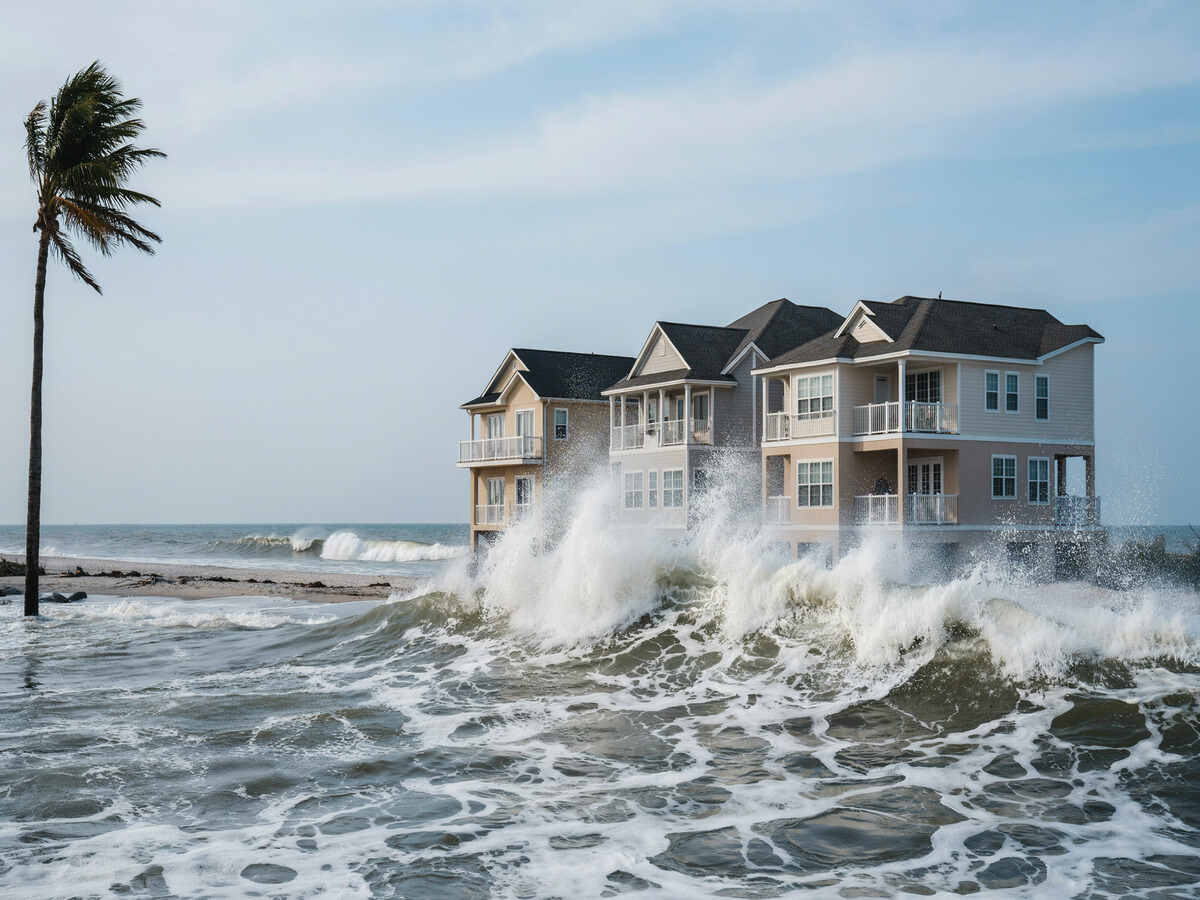
Rachel is expected to cause travel problems in the USA and Mexico due to floods, as Canada draws attention to the risks for travelers. The tropical storm Rachel is posing serious threats to California, Nevada, Arizona and the Baja California Peninsula of Mexico due to heavy rains, strong winds and dangerous floods, causing new travel warnings in the southwestern regions of the USA. The Canadian government has pointed out the necessity to monitor the travel situation in the USA because of the approaching storm, while the American weather agencies have already put various travel advisories into effect.
Tropical Storm Rachel Raises Serious Travel Concerns Across the US and Mexico
The southwestern United States and northern Mexico are preparing for potentially hazardous weather as Tropical Storm Rachel moves towards Baja California and Southern California. The storm is creating concern across California, Nevada and Arizona, where heavy rainfall could trigger flash flooding in cities, mountain regions and desert areas.
The National Hurricane Center (NHC) has identified strong winds, intense rainfall and dangerous coastal conditions among the principal threats.
The storm’s movement is particularly important for the travel industry because affected regions include popular holiday destinations, national parks, major road corridors and coastal resorts. Authorities are urging residents and visitors to follow official warnings.
Advertisement
Advertisement
Canada Highlights Travel Caution as Storm Threatens Popular US Destinations
Canada travel advice for the United States provides an important reference for Canadian visitors planning journeys to storm-affected destinations. Travellers are encouraged to monitor local weather alerts, follow instructions from American authorities and review their plans when severe conditions are expected.
However, a newly issued Canadian advisory specifically covering Tropical Storm Rachel has not been independently confirmed from the information available.
Advertisement
Advertisement
Canadian visitors travelling to California, Nevada or Arizona may need to consider the possibility of flooded roads, restricted outdoor activities and changing local conditions.
The developing situation also reinforces the importance of checking official travel information before departing for areas exposed to severe weather.
National Hurricane Center Tracks Rachel as Powerful Winds Continue
According to the NHC advisory issued at 5:00 am Pacific Daylight Time on 10 October 2026, Tropical Storm Rachel was carrying maximum sustained winds of approximately 60 mph, equivalent to 95 km/h.
The system was moving east-northeast at around 21 mph, or 33 km/h, with a minimum central pressure of approximately 992 millibars.
At the time of the advisory, Rachel was located roughly 595 miles south-southwest of San Diego, California, and approximately 470 miles southwest of Punta Baja, Mexico.
These measurements indicate a tropical storm capable of producing hazardous conditions. Forecasters have identified rainfall and flooding as significant concerns, including in areas beyond the immediate coastal approach.
Advertisement
Advertisement
Baja California Faces Direct Tropical Storm and Coastal Weather Threats
Mexico’s Baja California Peninsula is among the areas facing the most immediate consequences of Rachel’s approach. Tropical-storm warnings have been identified for sections of the peninsula’s Pacific and Gulf of California coastlines.
Northern Baja California could experience strong winds, heavy rainfall, dangerous seas and coastal flooding as the system approaches.
These conditions may affect seaside tourism, recreational boating, marine excursions and road access to coastal communities.
Visitors travelling around the peninsula should monitor Mexican meteorological bulletins and local civil protection instructions.
The potential effects are especially relevant for travellers combining holidays in Mexico with visits to Southern California, as severe weather could complicate regional travel arrangements.
Southern California Braces for Flooding, Dangerous Surf and Strong Winds
California faces several weather hazards as Rachel approaches the region. The National Weather Service has identified flood risks across San Diego County, the Coachella Valley and parts of Riverside and San Bernardino counties.
Advertisement
Advertisement
Flood watches cover mountain communities, inland valleys and desert areas, with particularly heavy rainfall possible from late Saturday through Sunday afternoon.
Some mountainous locations could experience rainfall rates approaching one inch per hour, increasing the risk of rapid runoff and flash flooding.
San Diego’s coastal areas also face dangerous surf and coastal flooding concerns. These conditions could affect beach tourism, waterfront activities and coastal roads, requiring visitors to exercise additional caution.
Nevada Faces Flash Flood Risks Across Las Vegas and Desert Tourism Areas
Nevada is another important destination facing possible impacts from Tropical Storm Rachel’s inland movement. Flood watches have been identified for the Las Vegas Valley, southern Clark County and surrounding desert regions.
Additional areas of concern include Red Rock Canyon, Lake Mead, the Spring Mountains and parts of Nye and Lincoln counties.
Although Nevada is far from the Pacific coastline, tropical moisture can produce intense rainfall across desert landscapes.
Advertisement
Advertisement
Normally dry channels and low-water crossings can become hazardous when heavy rain develops.
Las Vegas visitors may face changing conditions during outdoor excursions, scenic drives and trips to surrounding recreational areas. Travellers should avoid flooded roads and monitor local emergency guidance.
Arizona Prepares for Heavy Rain Across Grand Canyon and Sedona Regions
Arizona is also facing potential rainfall and flooding as Rachel’s moisture moves inland. Weather alerts cover parts of western and northern Arizona, including Grand Canyon Country, Flagstaff, Sedona, Yavapai County and the Lake Havasu region.
These destinations attract visitors for hiking, sightseeing, camping and outdoor recreation.
Flash flooding poses particular dangers in narrow canyons, streambeds and normally dry washes.
Areas affected by previous wildfires may also be vulnerable because damaged landscapes can experience rapid runoff during intense rainfall.
Advertisement
Advertisement
Travellers planning national park visits or desert excursions should review forecasts, check park notices and avoid entering flood-prone areas during severe weather.
Utah Joins the Wider Storm Risk Zone as National Parks Face Flood Concerns
The geographical impact of Rachel’s moisture could extend beyond California, Nevada and Arizona into southern Utah.
The National Weather Service has identified flood risks around Zion National Park, Bryce Canyon Country, Capitol Reef National Park and the Glen Canyon recreation region.
A flood watch covering parts of Utah extends from Saturday, 10 October, through Monday afternoon, 12 October.
Narrow canyons, hiking routes, river crossings and low-lying recreational areas are among the locations vulnerable to sudden flooding.
The warning is particularly significant for adventure tourism because dangerous conditions can develop even when heavy rainfall occurs some distance from a hiking location.
Advertisement
Advertisement
Powerful Wind Gusts Threaten Desert Roads and Outdoor Activities
Strong winds represent another concern for travellers across Southern California and Arizona.
Preliminary National Weather Service forecasts for 11 October indicate possible gusts of 25–35 mph in coastal areas and 25–40 mph across inland valleys.
Desert slopes and exposed locations could experience gusts of 40–60 mph, while some areas around San Gorgonio Pass could see gusts approaching 70 mph.
In southern Arizona, wind advisories indicate potential gusts of approximately 45–55 mph in parts of Pima and Pinal counties.
These conditions may make driving difficult, particularly for recreational vehicles, trailers and high-sided vehicles travelling along exposed roads.
Rachel’s Forecast Track Points Towards Inland Movement on 11 October
The NHC forecast issued early on 10 October indicated that Rachel could approach northern Baja California or extreme Southern California later that day.
Advertisement
Advertisement
The storm was expected to continue moving northeast before progressing inland on Sunday, 11 October.
Forecast positions suggested that the system could weaken and become post-tropical as it travelled towards the southwestern United States.
However, weakening winds do not necessarily mean an immediate end to dangerous weather.
Heavy rainfall, flash flooding and hazardous road conditions can continue after a tropical storm loses its tropical characteristics.
The forecast indicated possible dissipation by late Sunday, although residual rainfall and flooding hazards could persist into the following days.
Tourism Businesses Face Possible Disruption Across Multiple Destinations
Tropical Storm Rachel presents potential operational challenges for tourism businesses across the affected regions.
Advertisement
Advertisement
Hotels, resorts, transport providers and tour operators may need to adjust services if severe weather restricts access to destinations or makes outdoor activities unsafe.
Road-based tourism is particularly vulnerable because flooding can affect highways, rural routes and desert crossings.
Beach activities, sightseeing excursions, boating trips and national park visits may also face temporary restrictions where conditions deteriorate.
Air travellers should monitor airport and airline notifications, although the weather warnings alone do not confirm airport closures or widespread flight cancellations.
Tourism operators should rely on official transport and emergency notices before announcing service disruptions.
Coastal Flood Warnings Extend Beyond Rachel’s Immediate Approach
San Diego faces overlapping coastal hazards associated with the developing storm situation.
Advertisement
Advertisement
Weather alerts identified on 10 October included a coastal flood warning extending into Sunday afternoon and a subsequent coastal flood advisory continuing towards Tuesday, 13 October.
A beach hazards statement was also identified for Sunday.
These warnings underline the possibility that dangerous coastal conditions could continue even as Rachel moves inland or weakens.
Beachgoers, surfers, boat operators and visitors staying near exposed waterfront locations should check local conditions before entering the water.
Dangerous waves, rip currents and coastal inundation can remain significant threats after the storm’s centre moves away.
Travel Safety Becomes a Priority as Weather Warnings Spread
Travellers visiting the southwestern United States and northern Mexico should closely follow official forecasts throughout the storm period.
Advertisement
Advertisement
The National Hurricane Center provides tropical cyclone forecasts and storm movement updates, while regional National Weather Service offices issue flood, wind and coastal warnings.
Mexico’s National Meteorological Service provides information relevant to Baja California.
Visitors should avoid driving through floodwater, entering closed recreational areas or attempting outdoor activities in hazardous conditions.
Travellers crossing between the United States and Mexico should also check road conditions and border authority notices before departure.
The principal concern is the storm’s combination of heavy rainfall, strong winds and rapidly changing conditions across several major tourism regions.
California, Nevada and Mexico Face a Critical Weekend for Travel Safety
Tropical Storm Rachel is placing California, Nevada, Arizona and Mexico’s Baja California Peninsula under heightened weather scrutiny during the weekend of 10–11 October 2026.
Advertisement
Advertisement
Southern California and northern Baja California face the immediate coastal threats, while Nevada, Arizona and Utah remain exposed to possible inland flooding.
Tropical Storm Rachel is posing threats of heavy flooding to the states of California, Nevada, and Mexico while Canada points out the increase in risks of travel in the US.
This may include any holiday trips to beaches, desert tours, visits to national parks, road trips, and even cross border traveling. The current travel advice in Canada for the US is still applicable to Canadian travelers despite there being no official warning for Rachel yet.
Advertisement
